






Walnut Vanity Bureau
These walnut vanity bureau pieces combine writing surfaces with dressing mirrors or compartments, offering a dual-purpose form that suits period interiors.
Walnut Vanity Bureau
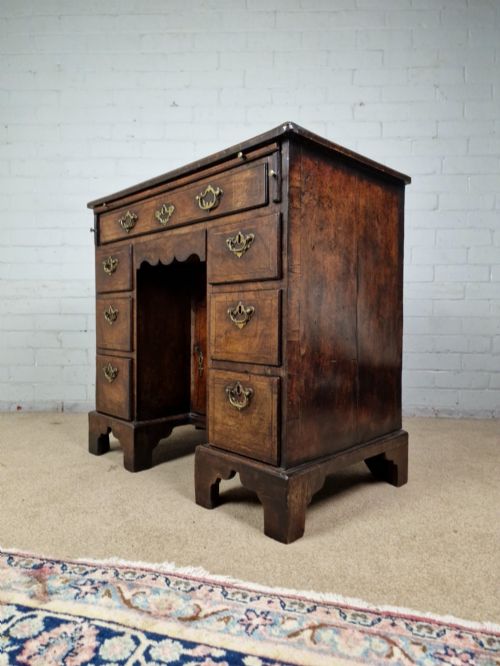
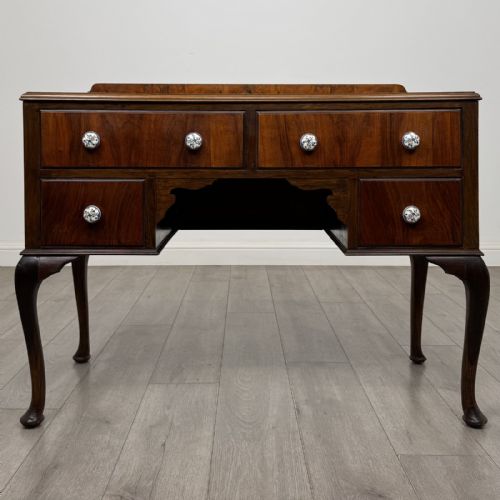
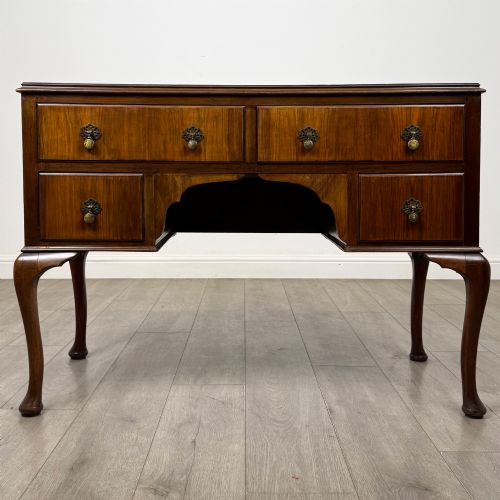
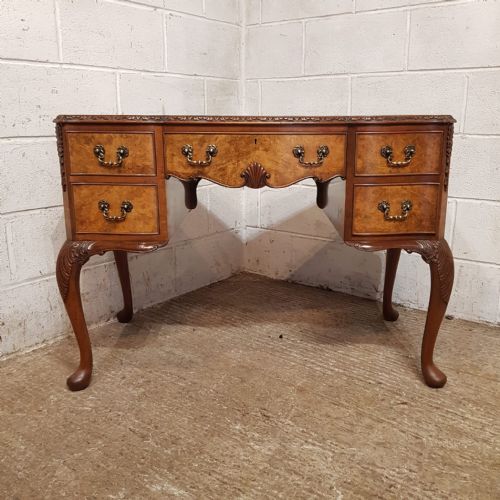
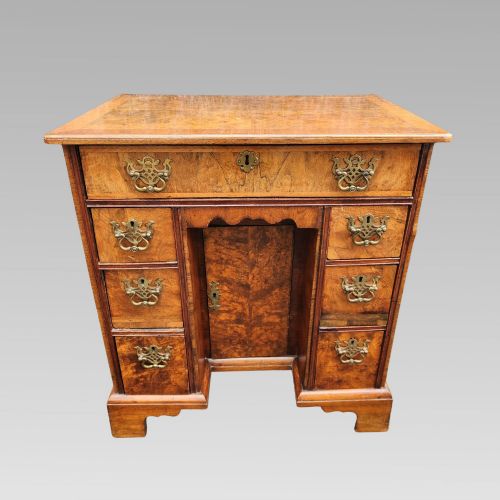
When searching for a walnut vanity bureau, you encounter a mix of writing desks, kneehole desks, dressing mirrors, and small cabinets from periods spanning the 18th century to the 1930s. The selection on this page leans toward writing tables, kneehole desks, and dressing mirrors in Queen Anne, Georgian, Victorian, and Art Deco styles.
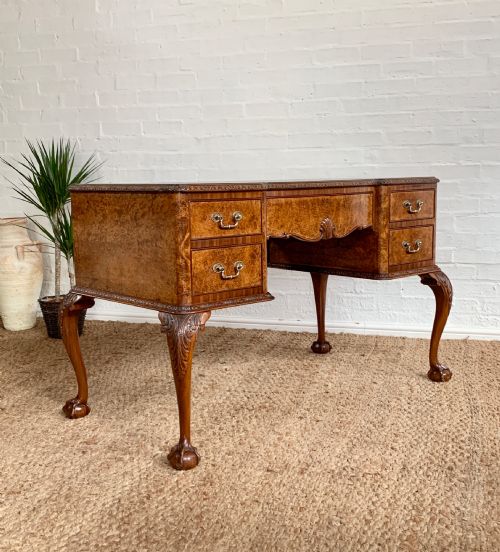
The objects range from large pedestal writing desks with leather surfaces to compact bureau mirrors and serpentine fronted tables made from burr and figured walnut. These pieces served domestic writing and grooming needs in bedrooms and studies across the Georgian, Victorian, Edwardian, and later eras.
What varies in quality
The selection of veneer dictates much of the visual appeal, with matching figures and symmetrical burr patterns separating standard examples from finer ones. The crispness of carved details, such as bracket feet and period-appropriate mouldings, indicates the maker's skill.
Construction methods, including dovetail joints in drawers and the stability of dressing mirror frames, influence durability. Original hardware and intact leather writing surfaces enhance the integrity of the piece.
Walnut Vanity Bureau Retail Price Guide 2026
Typical asking prices for walnut vanity bureau among the pieces listed under this phrase on Sellingantiques today, from the lower quarter to the upper quarter. They describe what is for sale here now, not the wider market.
Listings span from the 18th century through Victorian and Edwardian eras to 1930 Art Deco designs.
The Walnut Vanity Bureau Glossary
- Burr walnut
- A wood harvested from the abnormal growth of a walnut tree, yielding complex, swirling grain patterns. It is sliced into thin veneers for decorative furniture surfaces.
- Kneehole desk
- A compact desk featuring a central recessed space for the legs, flanked by pedestals of small drawers. This form became popular during the Georgian period.
- Bonheur du jour
- A light ladies writing desk featuring a small cabinet, shelves, or drawers above the main writing surface. It originated in France during the 18th century.
- Toilet mirror
- A dressing table mirror mounted on a small base or miniature chest of drawers. These pieces sat atop larger furniture or dressing tables.
- Marquetry
- The art of applying pieces of veneer to a structure to form decorative patterns or pictures. Dutch examples often display floral designs in various woods.
Walnut Vanity Bureau: Frequently Asked Questions
What is a walnut vanity bureau?
It is a compact wooden item that combines desk space, drawers, and sometimes a mirror or compartment fitment for writing and personal grooming. These pieces date from the 18th century through to the 1930s.
They serve as functional workspace and dressing furniture in bedrooms, dressing rooms, or home studies.
How do I date a walnut desk?
Dating relies on architectural styles, construction methods like hand-cut dovetails, and timber choices such as solid walnut versus later veneer applications. Georgian pieces show different proportions and foot styles compared to Victorian or Art Deco revivals.
Hardware, locks, and secondary woods like oak or pine provide additional clues to the era of manufacture.
Where should I place a bureau mirror?
Bureau mirrors and toilet mirrors sit comfortably on top of chests of drawers, dressing tables, or deep windowsills where natural light is available. Their small footprint makes them adaptable for spaces lacking full-sized dressing tables.
They provide both a practical mirror surface and small drawers for storage.
How do I care for antique walnut?
Keep walnut furniture away from direct sunlight and heat sources to prevent the wood veneer from drying out or splitting. Dust gently with a dry, soft cloth and avoid chemical polishes.
Occasional applications of appropriate wax help maintain the lustre of the timber.