
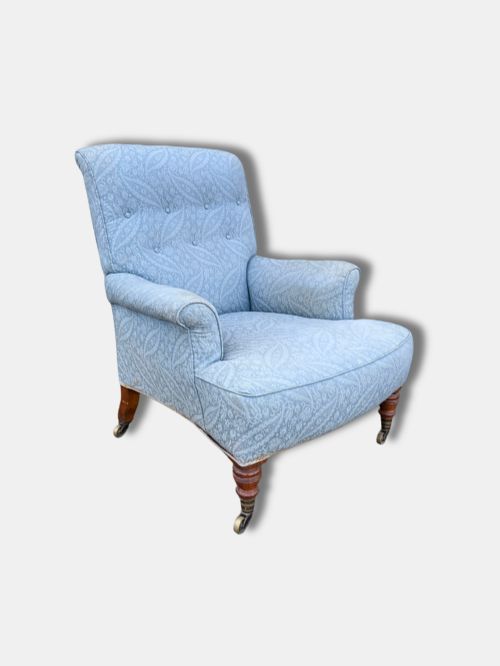
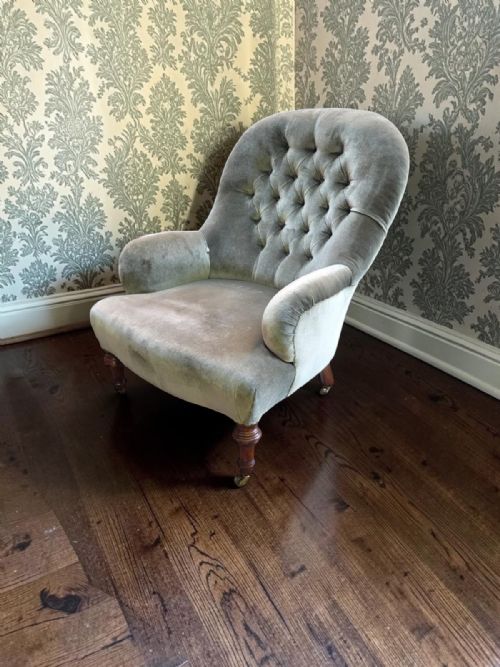
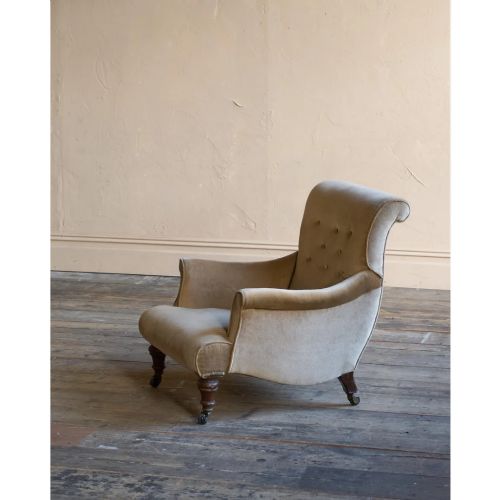
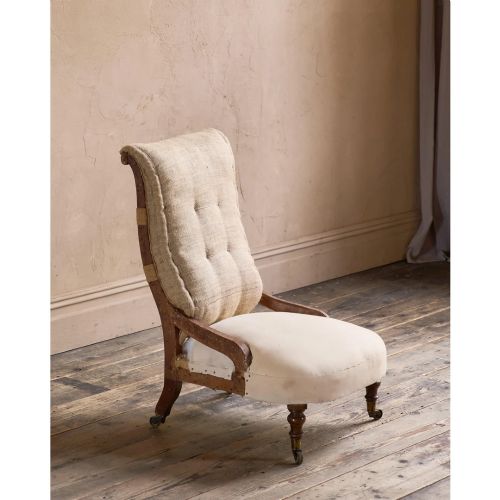
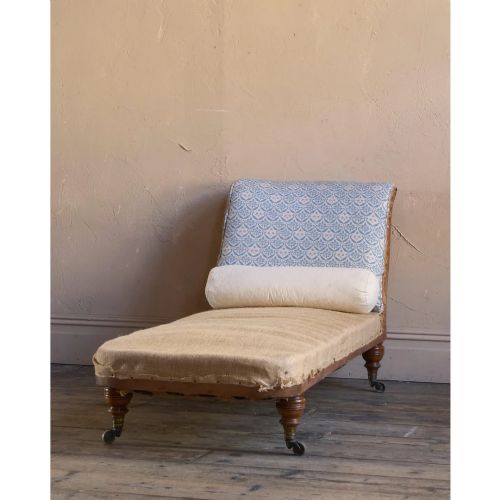
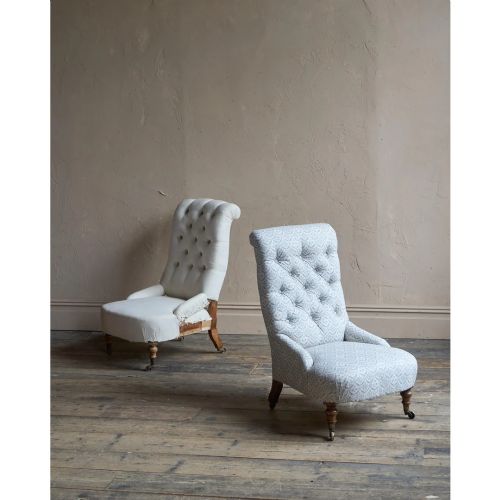
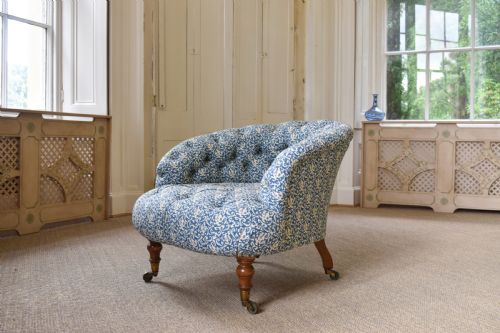

Walnut Turned Leg Chair
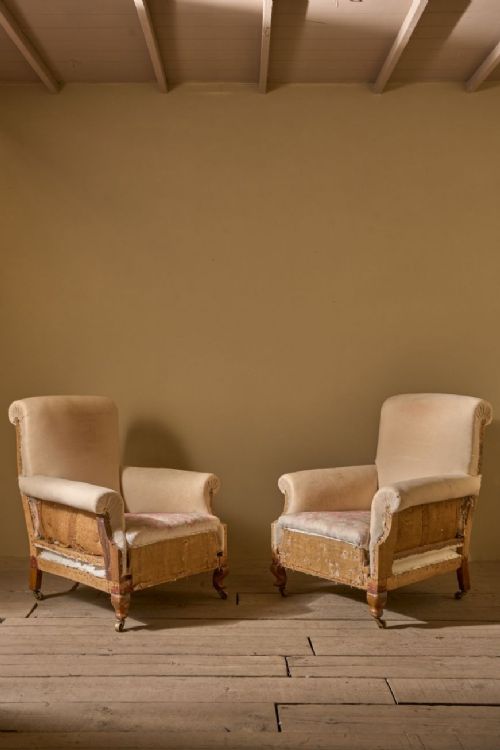
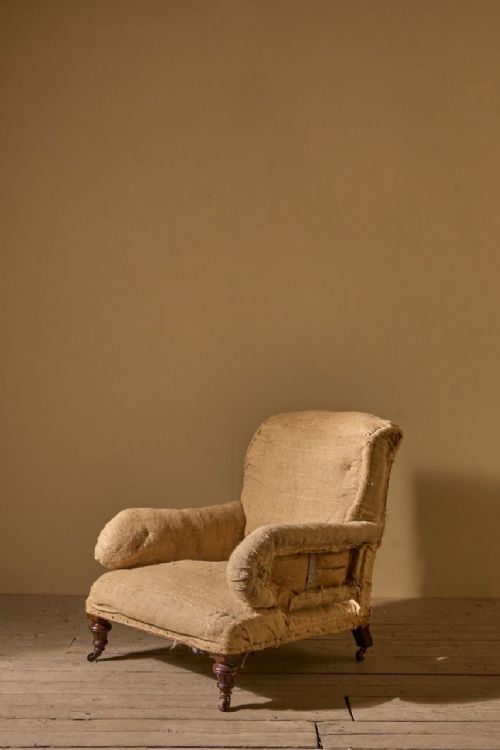
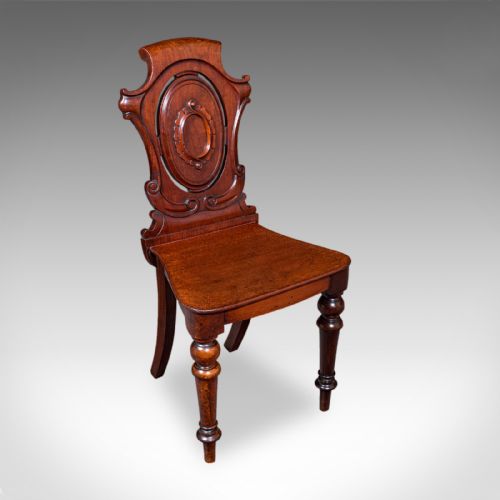
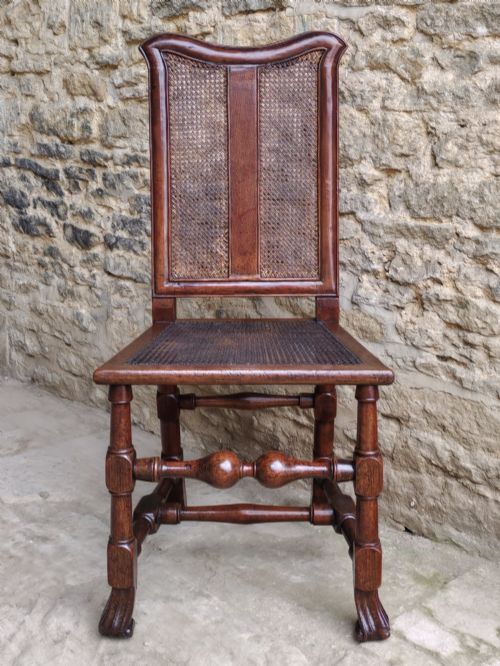
These walnut turned leg chair examples bring timber warmth and period joinery to a room, spanning formal dining sets to deep upholstered armchairs.
Walnut Turned Leg Chair
A walnut turned leg chair represents a diverse group of seating furniture united by timber choice and turned leg construction, appearing in forms such as dining chairs, side chairs, and library armchairs. Buyers searching this phrase encounter examples stretching from the early eighteenth century through the Victorian and Edwardian eras, reflecting shifting domestic fashions across generations.
The nineteenth century yields the highest volume of pieces on this page, particularly Victorian and later nineteenth-century upholstered armchairs and dining sets. Alongside these, earlier eighteenth-century side chairs and open armchairs demonstrate the enduring appeal of walnut frames paired with turned supports.
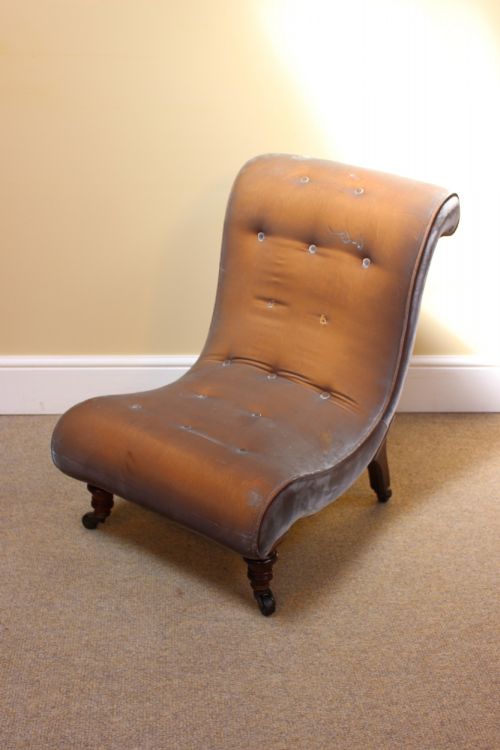
Makers and makers' styles range from documented Victorian upholstery firms to country dining seats, often upholstered in contemporary fabrics, hessian, leather, or velvet. Forms include nursing chairs, daybeds, and chaise longues, showing how turned walnut legs supported both formal reception rooms and private chambers.
How they were made
Makers utilised solid walnut for frames, turning the timber on a lathe to create the characteristic legs seen on dining chairs and armchairs alike. This dense hardwood allowed craftsmen to carve crisp details alongside turned elements while maintaining structural integrity under daily use.
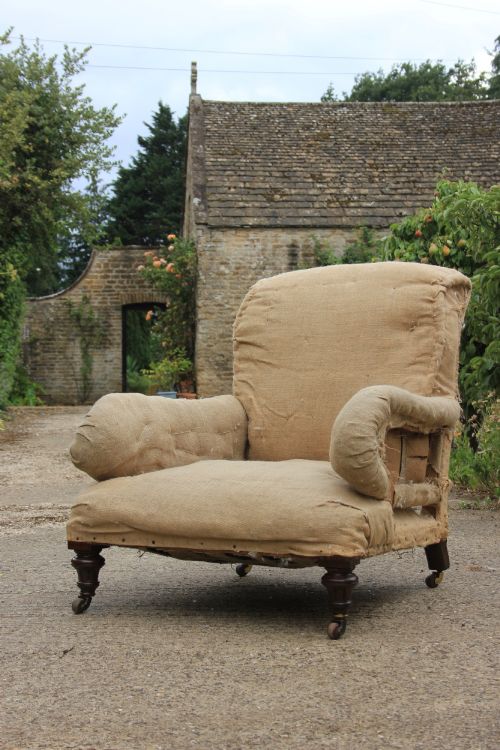
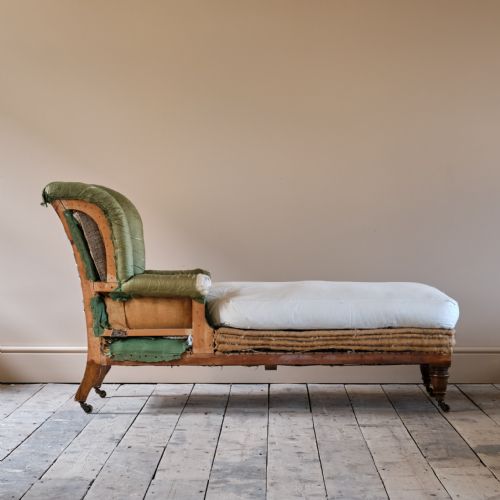
Upholstered versions combined internal webbing and stuffing with coverings of leather, velvet, linen, calico, or heavy textile, secured with brass tacks. Joinery relied on traditional tenons and dowels, anchoring the turned legs securely to the seat rails.
One daybed sneaks into the seating lineup, proving that walnut turned legs are far too comfortable to leave strictly vertical.
What varies in quality
The refinement of the turning on the legs separates standard production pieces from higher quality workshop examples, where crisp profiles and balanced proportions indicate skilled hand-working. Timber selection also matters, with richly figured walnut grain commanding greater visual depth than plain stock.
Integrity of the frame construction and the preservation of original or period-appropriate upholstery materials determine the overall integrity of a piece. Chairs retaining their original upholstery or historical stuffing schemes hold closer ties to their period of manufacture.
Howard and Sons·Gillows·SF Cullen
The Walnut Turned Leg Chair Glossary
- Turned leg
- A support shaped by rotating timber against a cutting tool on a lathe, creating cylindrical or faceted profiles.
- Fauteuil
- An open-armed upholstered armchair originating in France, typically featuring exposed wooden framework.
- Carolean
- A seventeenth-century style associated with the reign of Charles II, known for rich carving and turned woodwork.
- Spoon back
- A chair back curved in three dimensions to fit the human spine, popular in Victorian seating.
- Calico
- A plain-woven unbleached cotton fabric frequently used as an inner lining or base cover beneath top upholstery.
Walnut Turned Leg Chair: Frequently Asked Questions
How do I identify a Victorian walnut chair?
Victorian examples often display dense walnut frames paired with upholstery styles like button backs or crewelwork. Look for characteristic nineteenth-century proportions and joinery methods.
Turned legs on these pieces commonly follow nineteenth-century conventions, differing subtly from earlier eighteenth-century turning profiles found on walnut side chairs.
Were these chairs used for dining?
Dining sets form a significant portion of the walnut chairs listed here, often found in matched sets of four or six. These pieces provided sturdy seating around period dining tables.
Individual dining chairs and side chairs were also placed in hallways and reception rooms as occasional seating.
What fabrics cover these armchairs?
Upholstery materials seen across the evidence include velvet, leather, linen, calico, hessian, and patterned textiles. Many pieces retain later coverings applied during the nineteenth or twentieth centuries.
Underneath, traditional stuffing materials support the outer fabric, varying from horsehair to modern fillings in later restorations.
How should I care for walnut furniture?
Keep walnut frames away from direct heat sources and strong sunlight to prevent the timber and finish from drying out. Regular dusting with a soft, dry cloth preserves the surface.
Upholstered sections benefit from gentle professional cleaning appropriate to the specific fabric type, whether leather, velvet, or linen.
Are these chairs comfortable for daily use?
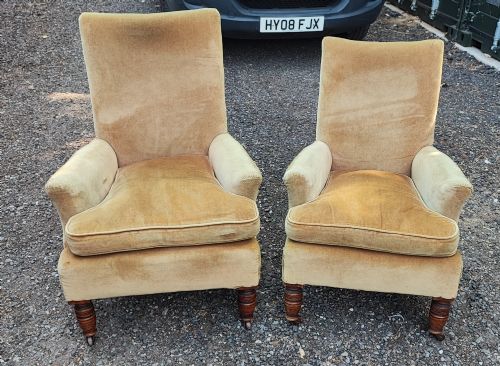
Deep-seated armchairs and library chairs offer substantial padding designed for prolonged sitting, particularly those bearing nineteenth-century upholstery forms. Side chairs and hall chairs serve better as occasional seating.
Check the internal webbing and spring suspension of upholstered models to understand their current level of support.