

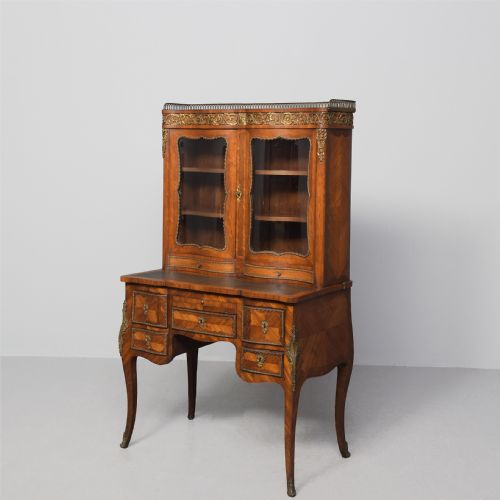
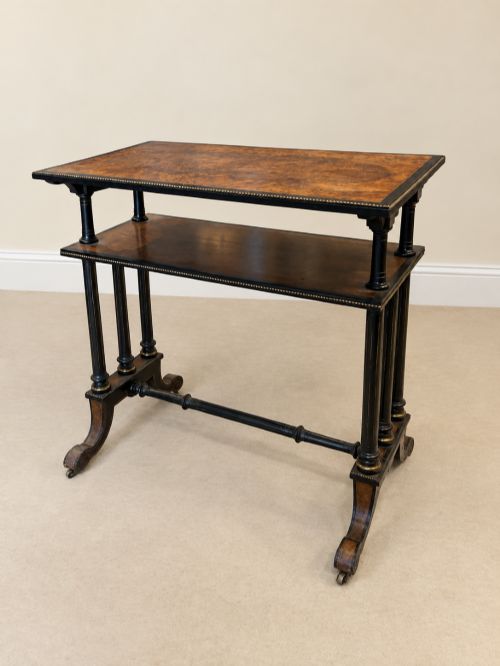
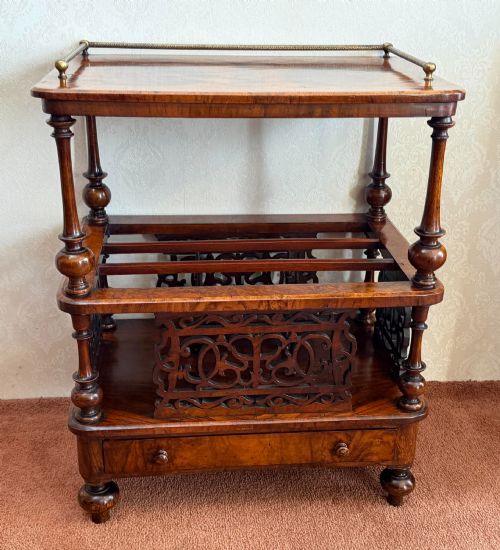
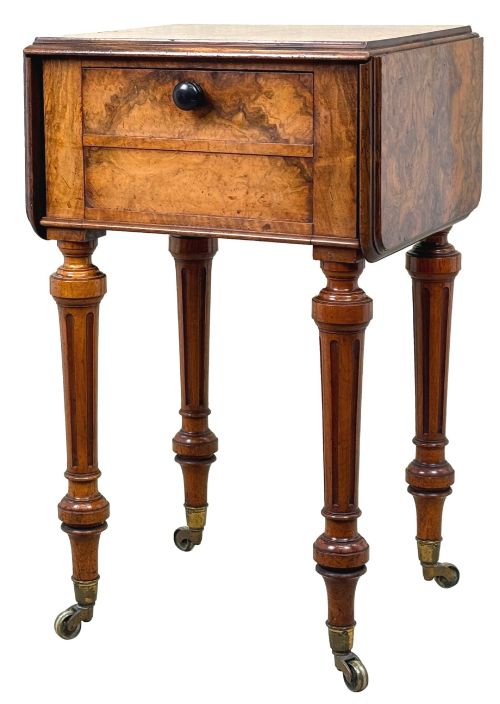
Walnut Table Cabinet
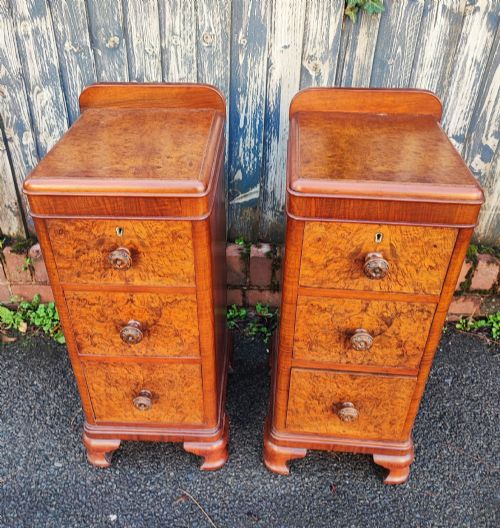
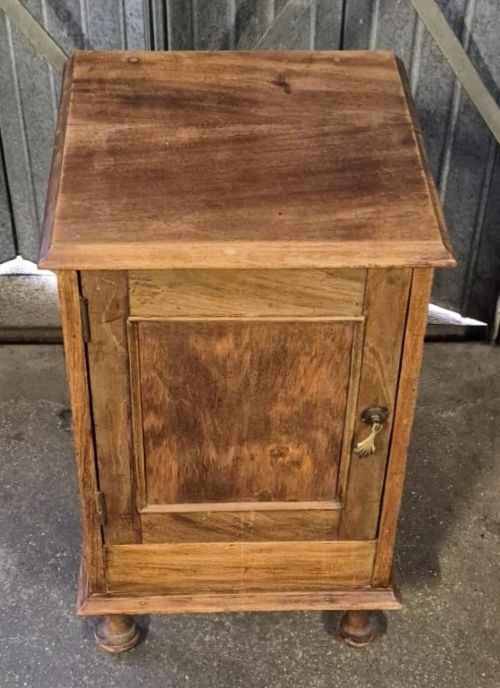
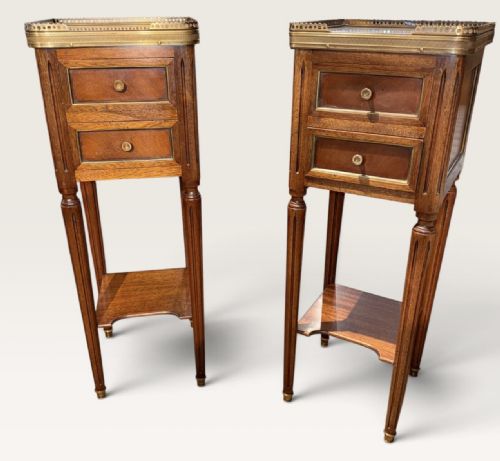
These walnut table cabinet pieces bring practical surface space and enclosed storage together, offering compact elegance for any bedroom or reception room.
Walnut Table Cabinet
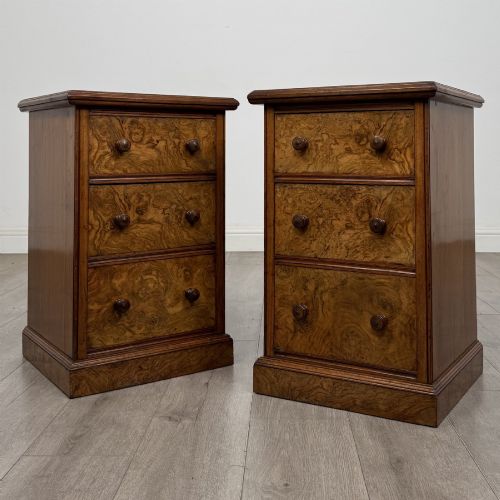
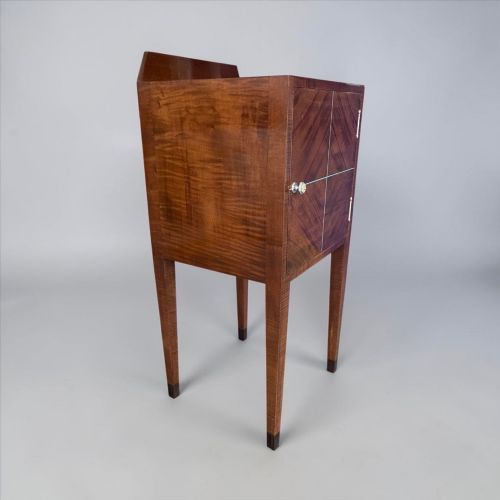
When you search for a walnut table cabinet, you encounter a diverse group of compact furniture designed primarily for bedside use, side storage, or desktop organisation. The listings span multiple eras, notably the Victorian period, Edwardian era, and Art Deco decades, reflecting changing domestic needs.
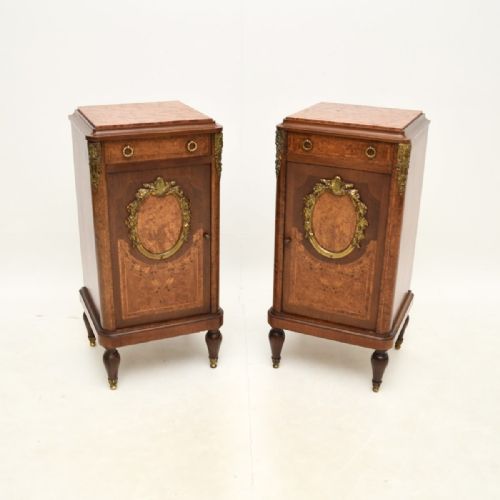
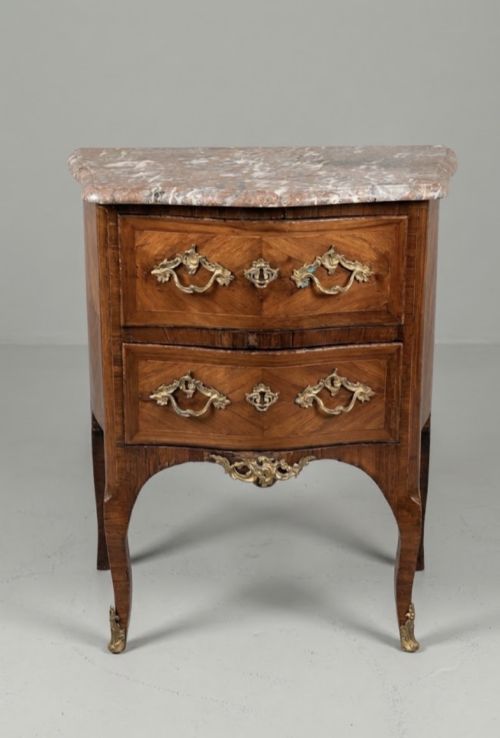
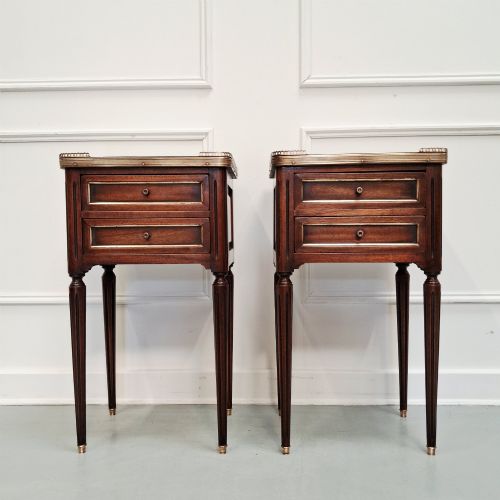
Forms range from simple rectangular bedside chests to more ornate French marble-topped lockers and specialised work tables. Each item combines the utility of a table surface with the enclosed security of a small cabinet.
Materials and construction
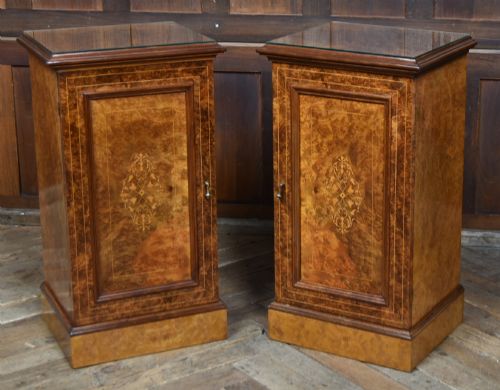
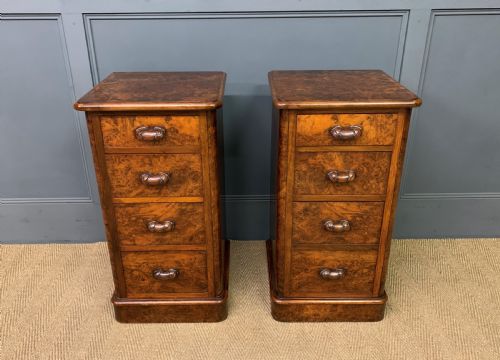
Cabinet makers utilised solid walnut alongside rich burr walnut veneer to create visually striking surfaces with natural grain patterns. Figured walnut veneers were carefully applied to carcass fronts, highlighting the decorative movement of the wood.
Many examples incorporate contrasting brass hardware, ormolu mounts, and inset marble tops for added durability and French provincial flair. Structural integrity relied on traditional joinery methods suited to smaller domestic furniture.
Walnut Table Cabinet Retail Price Guide 2026
Typical asking prices for walnut table cabinet among the pieces listed under this phrase on Sellingantiques today, from the lower quarter to the upper quarter. They describe what is for sale here now, not the wider market.
Several pieces double as sewing and music cabinets, proving that Victorians loved hiding their yarn and sheet music inside very respectable little tables.
What separates the finest pieces
Quality rests upon the selection of the timber veneer and the precision of its book-matching across drawer fronts and cupboard doors. Highly figured burr walnut demands superior skill in cutting and application compared to plain grain.
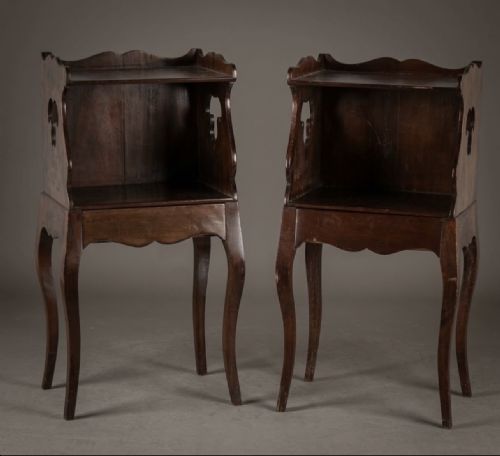
The refinement of carved details, such as cabriole legs, combined with the integration of original hardware like brass handles and marble slabs, elevates an ordinary bedside box into a piece of distinct character.
Gillows·Maple and Co·Edward Barnsley
The Walnut Table Cabinet Glossary
- Burr walnut
- A wood harvested from the warted growths on walnut trees, yielding intricate, swirling grain patterns. Cabinet makers prize this timber for high-status furniture facades.
- Ormolu
- Gilt-bronze ornamentation applied to furniture edges and mounts. This decorative technique originates from French workshop traditions.
- Cabriole leg
- A furniture leg that bends outward in a convex curve and tapers inward in a concave curve, ending in a pad or foot. The design draws inspiration from animal limbs.
- Marquetry
- The art of applying pieces of veneer to a structure to form decorative patterns and pictures. Craftsmen cut various woods to fit together precisely.
- Kneehole desk
- A small writing desk featuring a central recess for the user's knees, flanked by pedestals of small drawers. This form provides compact workspace with integrated storage.
Walnut Table Cabinet: Frequently Asked Questions
What is a walnut table cabinet?
A walnut table cabinet is a small piece of furniture combining a flat upper surface with enclosed storage such as a cupboard or drawers. These compact units function primarily as bedside tables, nightstands, or decorative side cabinets.
They appear in various regional styles, including French marble-topped designs and English Victorian or Art Deco interpretations. The common thread is the use of walnut timber combined with practical storage capacity.
How do I date a walnut cabinet?
Dating relies on observing structural characteristics, hardware styles, and timber treatments associated with specific periods like the Victorian era or Art Deco years. Construction methods and decorative motifs offer clear chronological clues.
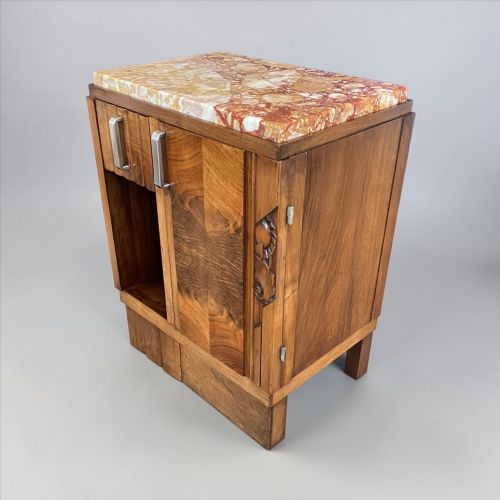
For instance, carved cabriole legs point toward Edwardian revivals, whilst streamlined geometric veneers suggest 1930s production. Comparing these physical traits with known historical periods establishes the age of the piece.
Are these pieces French or English?
The inventory includes both French and English origins, each displaying distinct regional design characteristics. French examples frequently incorporate marble tops, ormolu mounts, and cabriole legs.
English variants often lean toward Victorian burr walnut chests of drawers or Edwardian freestanding side cabinets. Examining the wood finish and overall silhouette helps determine the likely country of manufacture.
How do I use one at home?
These cabinets suit bedrooms as functional bedside tables holding lamps and night-time essentials. Their compact proportions also allow them to serve as occasional tables in hallways or living rooms.
The surface accommodates decorative objects whilst the internal cupboards conceal clutter. Their versatility makes them practical additions to both traditional and modern interiors.