



Walnut Settle Bench
A walnut settle bench anchors an entryway with rich grain and architectural presence, offering deep seating and high backs that keep out draughts.
Walnut Settle Bench
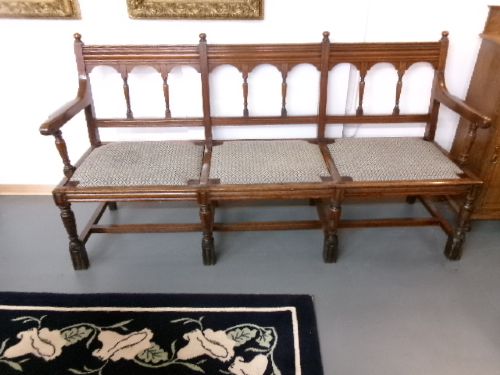
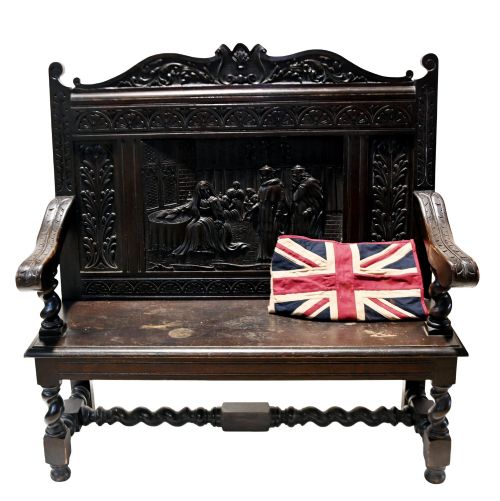
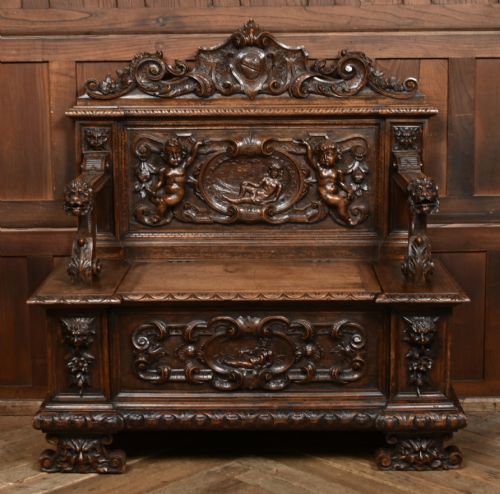
When you search for a walnut settle bench, you encounter robust seating forms designed for hallways, waiting rooms, and grand rooms. These pieces combine substantial timber frames with high backs, panelled construction, and occasionally built-in storage compartments beneath the seat.
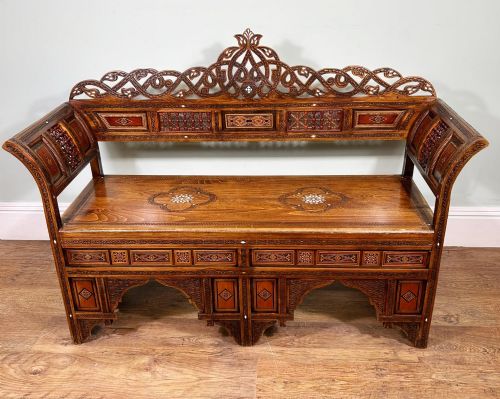
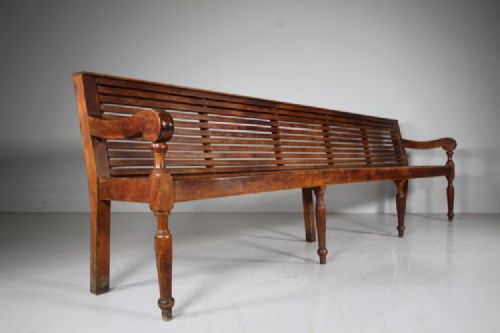
The selections available run from restrained Victorian waiting room slats to heavily carved Italian Renaissance revival pieces and inlaid Syrian Damascus furniture. Solid walnut and mixed wood framing dominate, often paired with fruitwood or pine carcase elements depending on regional workshop practices.
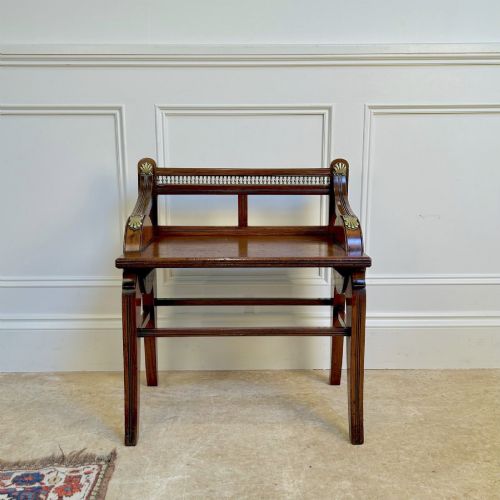
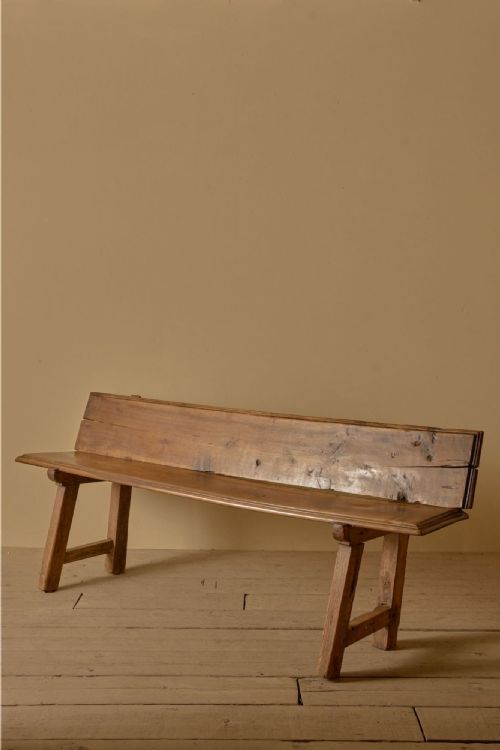
Italian Renaissance styles and Victorian revival interpretations appear frequently alongside Spanish country examples and late nineteenth century art nouveau window seats. Most examples function as grand hall benches or cassapancas, providing both decorative weight and practical seating.
Materials and construction methods
Makers utilised solid walnut alongside mixed wood inlay, fruitwood, and pine foundations to build these sturdy frames. Cabinetmakers shaped the dense timber with hand tools, applying deep relief carving to back panels and arms.
Decorative detailing on these benches frequently incorporates mother-of-pearl, bone, and brass embellishments set into intricate geometric or floral patterns. Joinery relies on traditional pegged mortise and tenon construction to support the high backrests and long seats.
Walnut Settle Bench Retail Price Guide 2026
Typical asking prices for walnut settle bench among the pieces listed under this phrase on Sellingantiques today, from the lower quarter to the upper quarter. They describe what is for sale here now, not the wider market.
Listings feature walnut, pine, fruitwood, and mixed wood inlay alongside decorative elements in mother-of-pearl, bone, and brass.
Assessing quality in construction and surface
The distinction between ordinary and superior pieces rests on the depth of hand carving and the integrity of the timber. Finely executed relief work on Italian revival backs or precise inlay reveals the hand of a skilled workshop rather than mechanical production.
Surface preservation and timber selection dictate the overall visual weight. Pieces featuring rich, figured walnut grain with well-integrated secondary timbers like fruitwood or pine maintain structural coherence and display superior ageing.
James Shoolbred·Hampton & Son s
The Walnut Settle Bench Glossary
- Settle
- A wooden bench with a high back, solid arms, and frequently a box seat base. This form evolved to block cold draughts in large domestic halls.
- Cassapanca
- An Italian chest bench featuring a backrest and armrests combined with a storage box base. This seating form often displays elaborate Renaissance revival carving.
- Inlay
- A decorative technique where contrasting materials such as mother-of-pearl, bone, or different woods are inserted into hollowed recesses on the surface. Syrian and Damascus examples utilise complex geometric versions of this work.
- Renaissance Revival
- A nineteenth century architectural and decorative style drawing inspiration from fifteenth and sixteenth century Italian art. Pieces in this manner feature heavy cornices, figures, and scrollwork.
- Fruitwood
- Dense timber harvested from fruit-bearing trees, utilised by cabinetmakers for contrasting details or secondary structural elements. It accepts fine turning and carving.
Walnut Settle Bench: Frequently Asked Questions
Where should I place a walnut settle bench?
These tall wooden benches suit spacious hallways, large landings, or wide corridors where their high backs create a strong architectural statement. They provide functional seating while anchoring empty wall spaces.
Ensure the room has sufficient floor area to accommodate the high backrest and solid arms without overcrowding the pathway.
How do I care for antique walnut furniture?
Maintain the timber by dusting regularly with a soft, dry cloth and applying occasional quality beeswax to nourish the grain. Keep the piece away from direct heat sources and strong sunlight to prevent wood splitting.
Avoid liquid polishes containing silicone, which can build up and dull the historic finish over time.
What is the difference between a settle and a hall bench?
Settles traditionally feature solid high backs and enclosed lower storage compartments designed to block draughts in medieval and early modern interiors. Hall benches often adopt lighter frames or open slat designs intended for transitory seating.
Later revival pieces frequently blur these distinctions by borrowing decorative vocabulary from both forms.
How can I identify a Renaissance revival piece?
Look for heavy proportions, architectural cornices, deep relief carvings of grotesques or scrolls, and dark finished walnut timber. These characteristics mimic sixteenth century Italian design principles.
Nineteenth century workshops manufactured these revival pieces to satisfy Victorian demand for historical grandeur.