

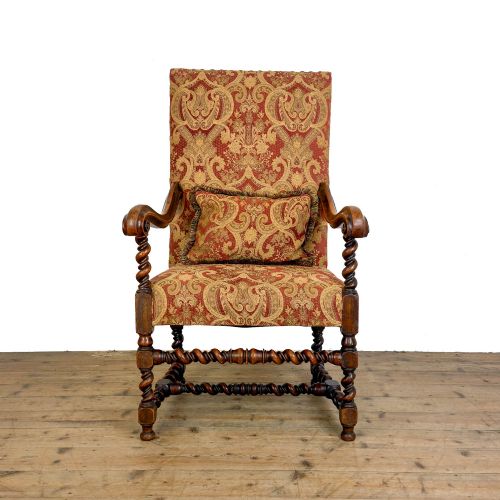
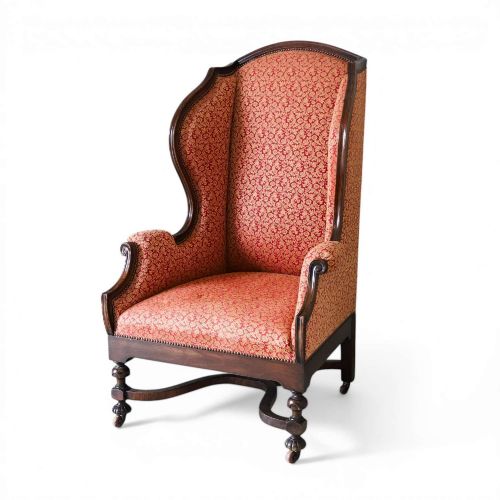


Walnut Red Armchair
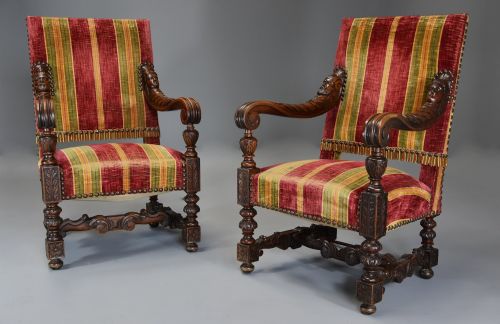
When you search for a walnut red armchair, you are looking for a seating piece defined by warm timber framing and crimson textiles from the Victorian, Edwardian, and earlier periods.
Walnut Red Armchair
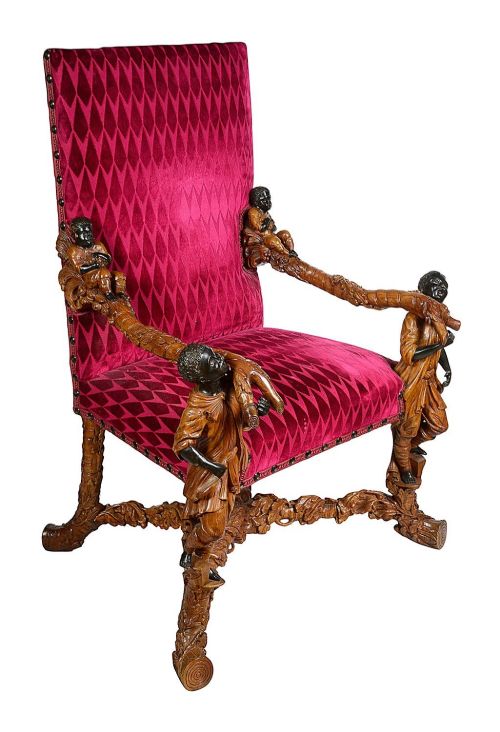
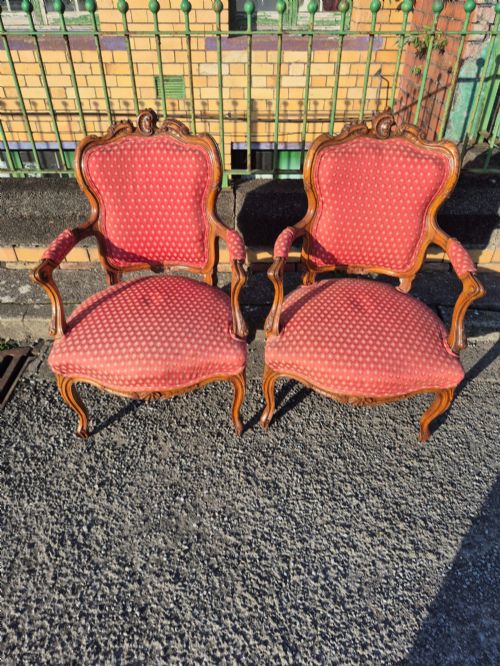
A walnut red armchair brings together rich timber frames and crimson upholstery, spanning forms from Victorian button-back parlour seats to 19th-century French Louis XV revival bergères.
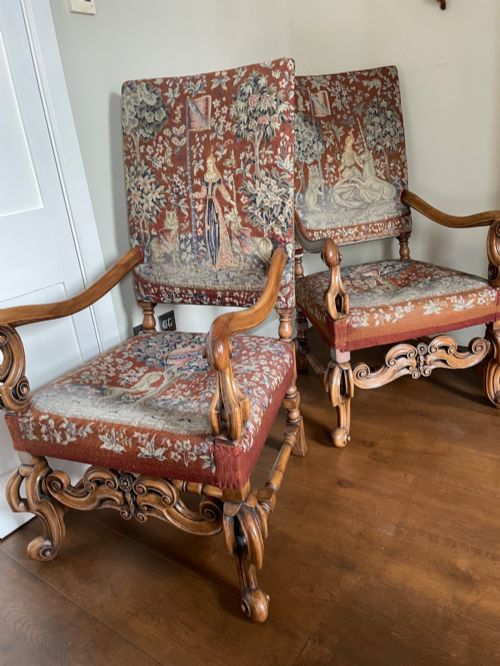
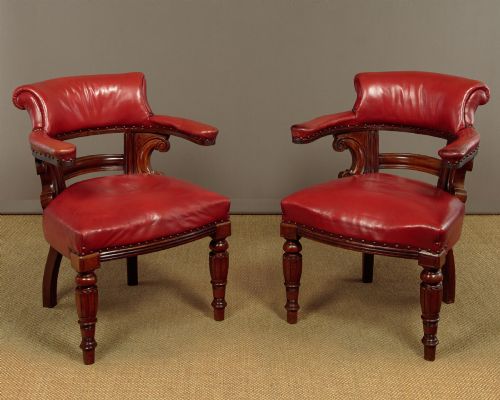
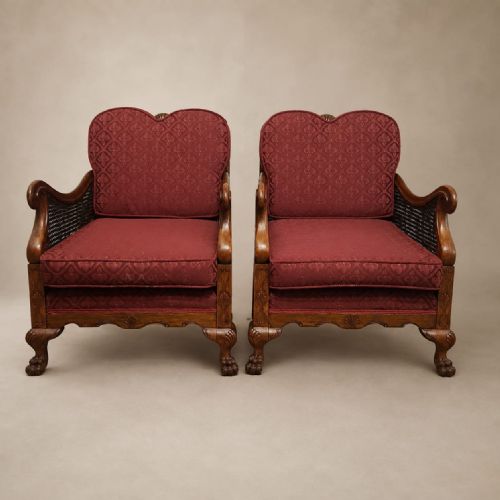
Buyers searching this phrase encounter nineteenth-century English library chairs, Edwardian occasional pieces, and continental European open armchairs upholstered in red velvet, damask, or leather.
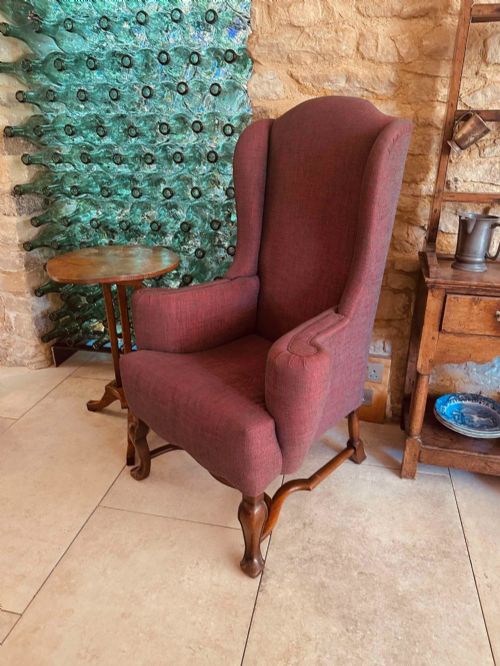
The selection ranges from sturdy desk chairs and wingbacks to decorative salon seating, reflecting diverse historical revivals including Carolean, Queen Anne, and Baroque styles.
How they were made
Carpenters shaped the structural frames from solid walnut, often applying hand-carving to the cabriole legs, arm supports, and crest rails.
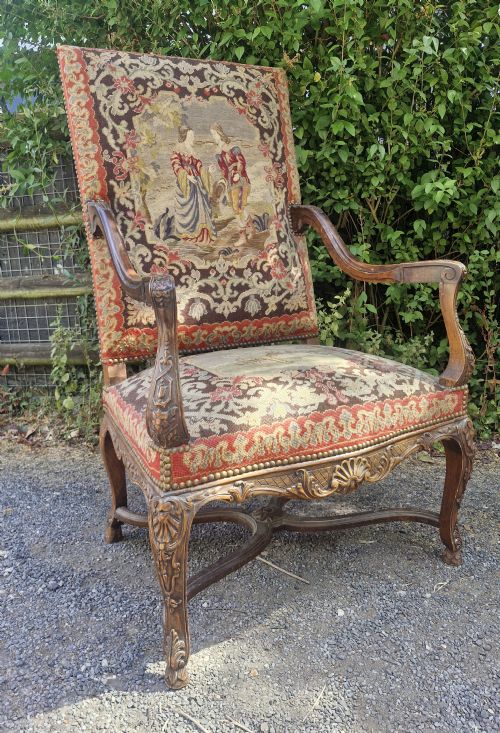
Upholsters secured springs, webbing, and stuffing beneath traditional coverings of leather, split cane, velvet, needlework, or damask fabric.
Joinery techniques combined traditional mortise and tenon joints with shaped woodwork to create stable armchairs, library chairs, and rocking or folding formats.
Walnut Red Armchair Retail Price Guide 2026
Typical asking prices for walnut red armchair among the pieces listed under this phrase on Sellingantiques today, from the lower quarter to the upper quarter. They describe what is for sale here now, not the wider market.
Object forms range from library armchairs and fireside wingbacks to compact salon seats and desk chairs.
What varies in quality
The standard of carving defines the distinction between standard production pieces and exceptional workshop examples, with crisper floral and scroll details marking finer execution.
The structural integrity of the walnut frame and the preservation of original or sympathetic upholstery materials heavily influence the overall desirability of each chair.
Howard and Sons
The Walnut Red Armchair Glossary
- Fauteuil
- An open-framed upholstered armchair with exposed wooden arms. This classic French seating style gained popularity across the 18th and 19th centuries.
- Wingback
- An armchair with high side panels designed to shield the occupant from drafts. These chairs frequently feature deep upholstery and scrolling walnut legs.
- Spoonback
- A Victorian chair design featuring a concave, oval backrest resembling the bowl of a spoon. It is commonly paired with button-tufted upholstery.
- Damask
- A reversible figured fabric woven on a loom, frequently utilised for historic upholstery. It displays patterns created by contrasting warp and weft threads.
Walnut Red Armchair: Frequently Asked Questions
What periods do these armchairs come from?
The pieces span the 18th, 19th, and early 20th centuries, with strong representation from the Victorian and Edwardian eras. Many reflect earlier historical revivals.
Craftsmen across these periods utilised traditional walnut framing methods alongside changing styles of upholstery.
How were these armchairs used historically?
They served multiple functions across the home, from library and desk seating to formal parlour and salon chairs. Wingback versions provided comfort near firesides.
Different room settings dictated the upholstery choice, ranging from durable desk leather to decorative red damask and velvet.
How do I care for walnut and red upholstery?
Protect the timber frames from direct sunlight and excessive temperature changes to prevent the walnut from drying out. Periodic gentle dusting maintains the finish.
Upholstery care depends on the textile, requiring professional cleaning for delicate velvet, needlework, or damask fabrics.
How can I tell a Victorian chair from an Edwardian one?
Victorian examples frequently display heavier proportions, dark walnut finishes, and deep button-tufting on curved spoonbacks. Carvings often follow robust revival styles.
Edwardian chairs tend to exhibit lighter frames, restrained ornamentation, and influences from the Arts and Crafts movement or earlier Georgian revivals.