


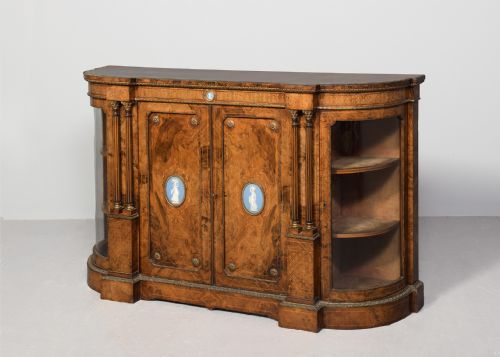


Walnut Parlour Cabinet
A walnut parlour cabinet brings warmth and presence to a room, offering both display space and refined storage.
Walnut Parlour Cabinet
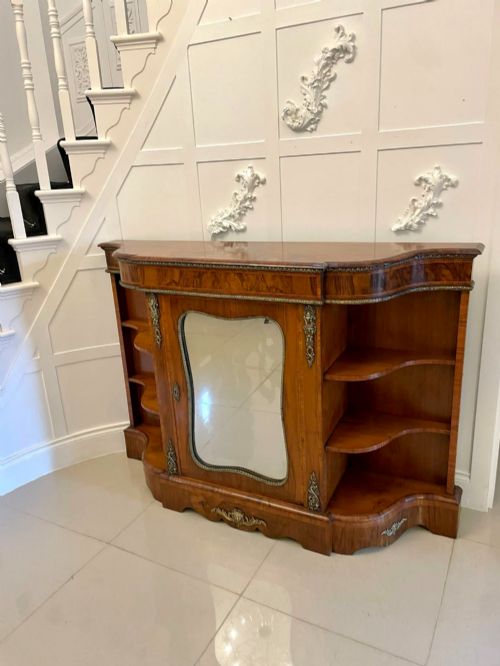
When you search for a walnut parlour cabinet, you encounter pieces predominantly from the Victorian and Edwardian periods, including the mid-nineteenth century and up to nineteen hundred. These pieces encompass forms such as credenzas, sideboards, display cabinets, and side cabinets, reflecting the formal entertaining spaces of their original homes.
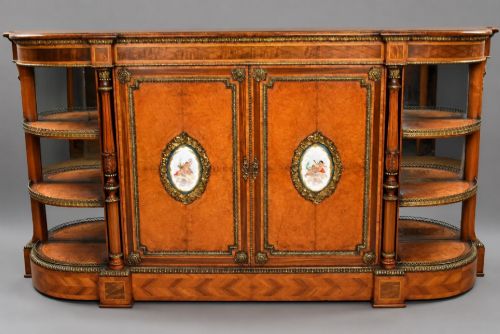
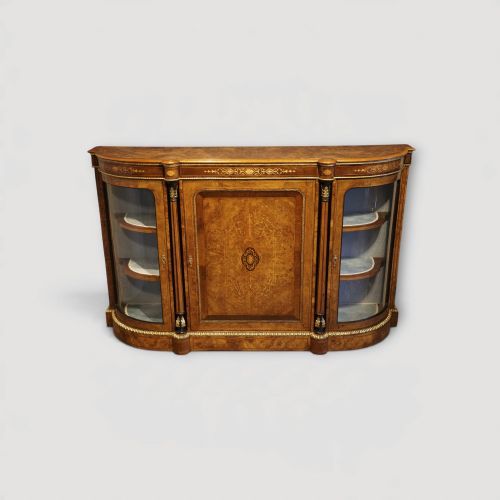
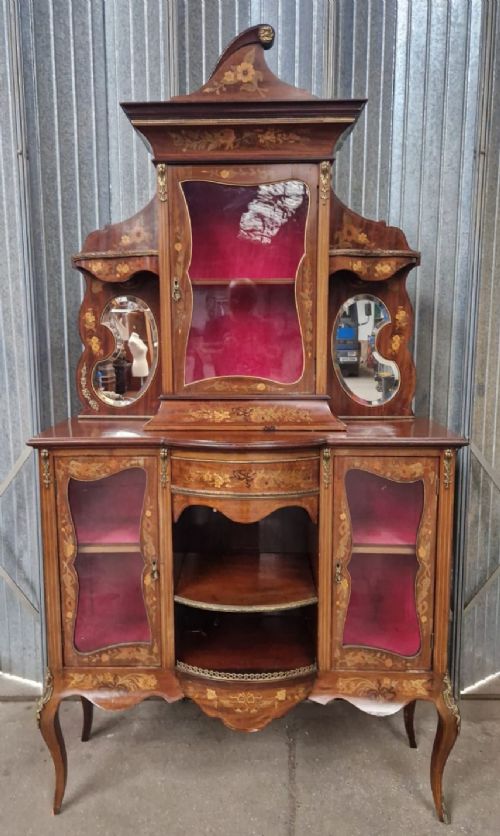
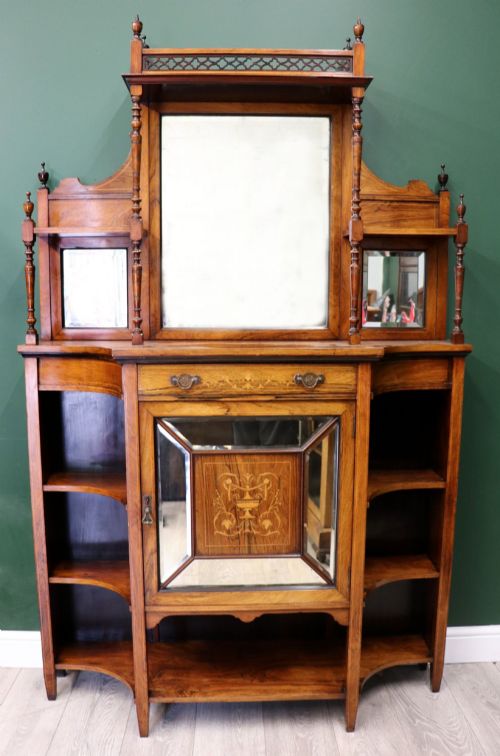
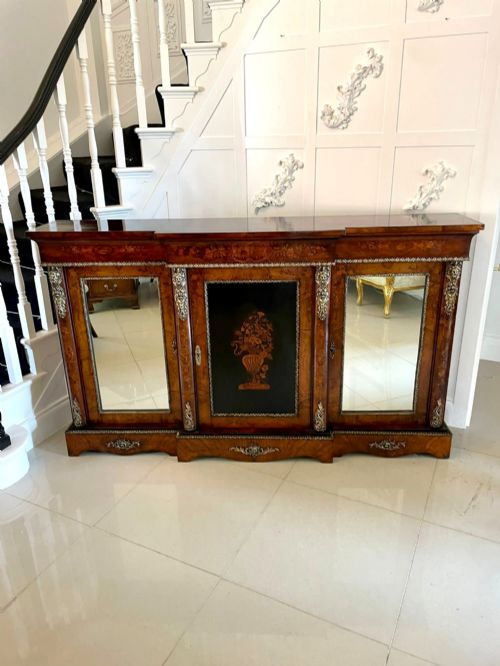
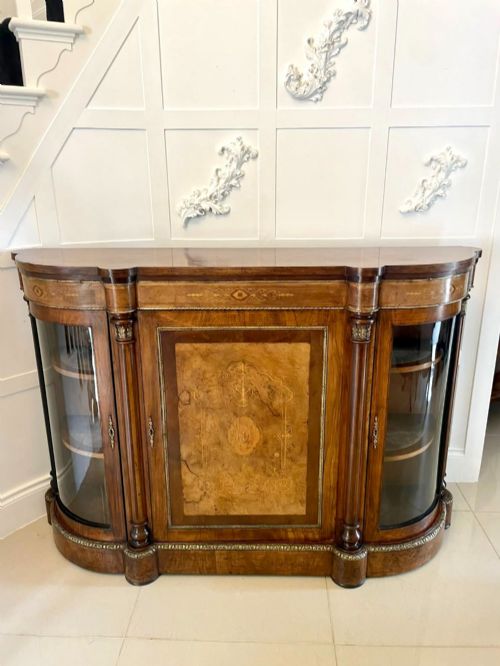
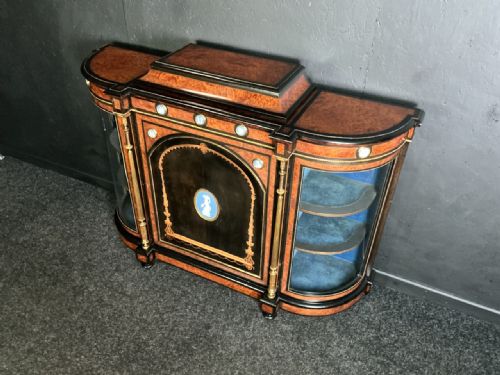
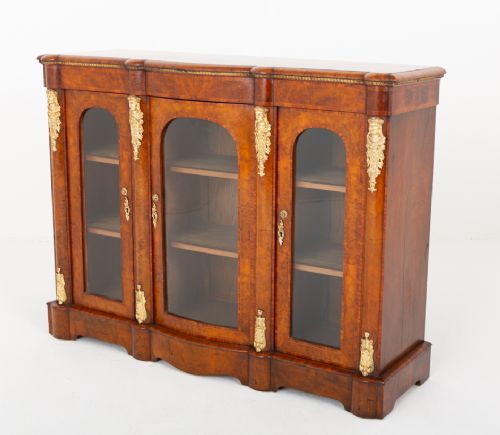
The version you are most likely to meet on this page is the Victorian burr walnut credenza, often ornamented with marquetry, boxwood inlay, and ormolu mounts. Such pieces frequently combine glazed doors for display with mirrored backs and fitted drawers, serving as the focal point of a nineteenth-century interior.
How they were made
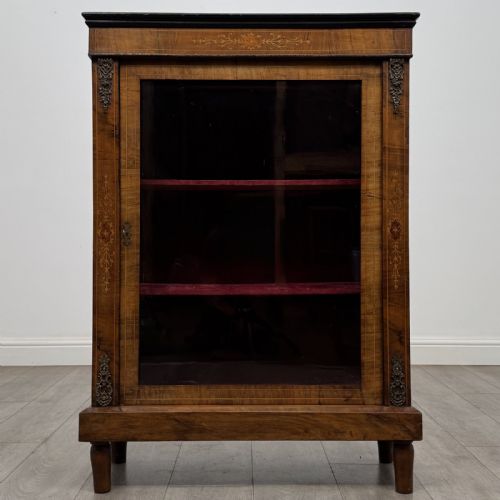
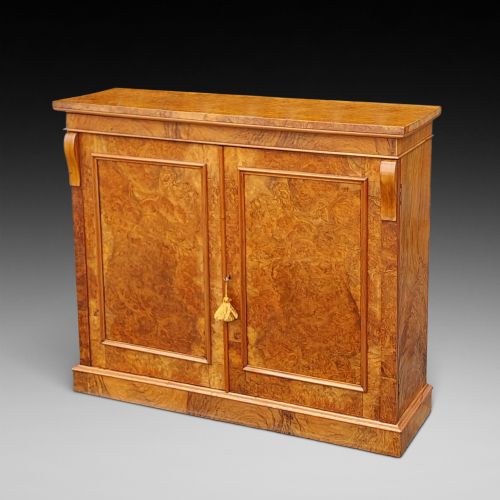
Cabinet makers utilised figured and burr walnut veneers applied to solid timber carcases, creating rich, swirling grain patterns across the primary surfaces. These veneers were frequently enhanced with delicate boxwood and marquetry inlay work, setting linear patterns and floral motifs into the dark wood.
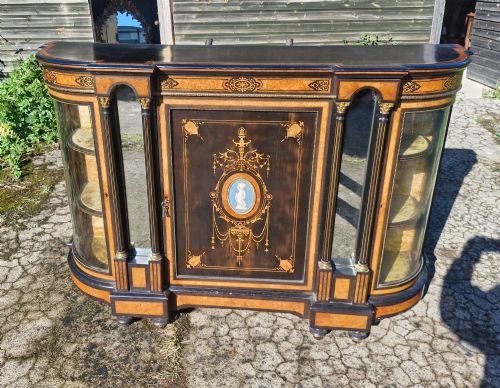
Metal mounts in ormolu and brass provided structural accents and decorative framing around doors and panels, while cast glass and inset porcelain plaques offered additional visual contrast. Ebonised wood details were also employed to frame panels and highlight the natural warmth of the walnut.
Walnut Parlour Cabinet Retail Price Guide 2026
Typical asking prices for walnut parlour cabinet among the pieces listed under this phrase on Sellingantiques today, from the lower quarter to the upper quarter. They describe what is for sale here now, not the wider market.
Materials recorded across these pieces include ormolu, porcelain plaques, boxwood inlay, and ebonised wood details.
What varies in quality
The standard of timber selection and veneer matching defines the visual impact of each cabinet, with symmetrical burr patterns commanding the eye. Exceptional examples display continuous grain across multiple doors and panels, demonstrating careful planning by the maker.
The integration of metal mounts, intricate marquetry, and specialised interior elements such as secretaire drawers separates standard production items from exhibition quality pieces. Superior execution in the carving, inlay, and hardware assembly ensures the cabinet holds its architectural presence.
The Walnut Parlour Cabinet Glossary
- Burr walnut
- A wood harvested from walnut tree growths, producing swirling, highly figured grain patterns prized for decorative veneer work.
- Credenza
- A low cabinet, frequently featuring glazed doors and central shelving, designed for display and storage in formal reception rooms.
- Marquetry
- A technique of inlaying decorative veneers of various woods into a solid ground to create pictorial or geometric designs.
- Ormolu
- Gilded bronze mounts and decorative trims applied to furniture during the nineteenth century to highlight architectural lines.
Walnut Parlour Cabinet: Frequently Asked Questions
Where were parlour cabinets placed?
These cabinets stood against prominent walls in formal reception rooms, serving as focal points for the display of ceramics and silver.
Their substantial presence and mirrored backs helped reflect light and enhance the perceived size of Victorian and Edwardian interiors.
How do I identify a Victorian credenza?
Look for low-profile wooden carcases veneered in burr walnut, often flanked by curved glass doors and supported on plinth bases.
Many examples include central cupboard doors, marquetry inlay, and ormolu mounts characteristic of mid-nineteenth-century cabinet making.
What is the difference between a credenza and a display cabinet?
A credenza is typically a low, multi-door unit with solid central cupboards and curved glass side compartments, often incorporating a mirror back.
Dedicated display cabinets focus entirely on glass panels for viewing contents from multiple angles within the room.
How do I care for antique walnut furniture?
Keep walnut cabinets away from direct sunlight and heat sources to prevent the burr veneers from drying out and lifting over time.
Maintain the polished surface with occasional gentle dusting using a soft, dry cloth without applying modern chemical sprays.