

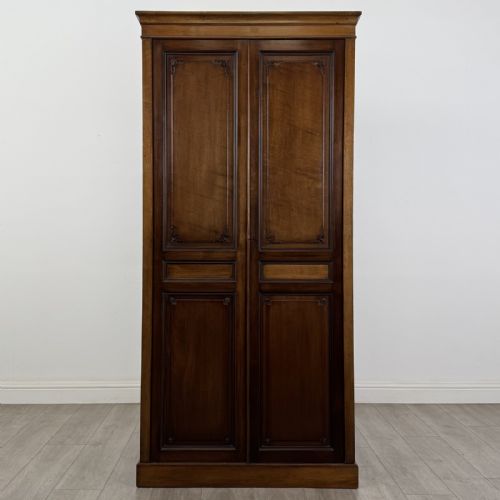
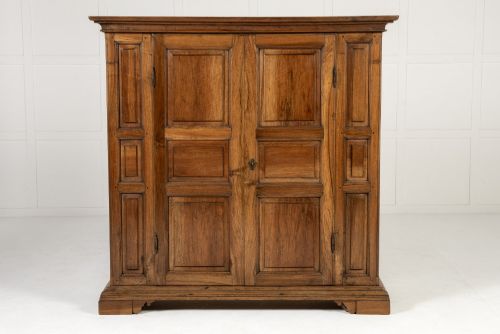
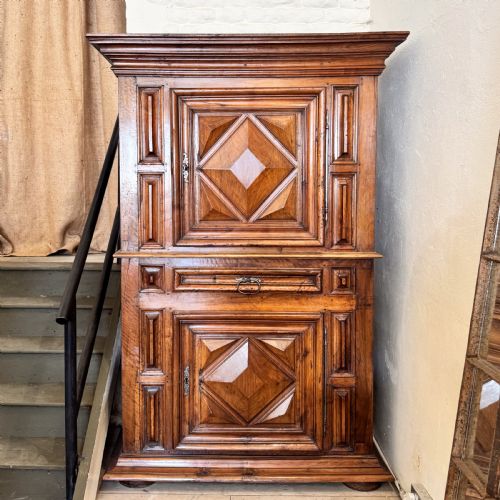


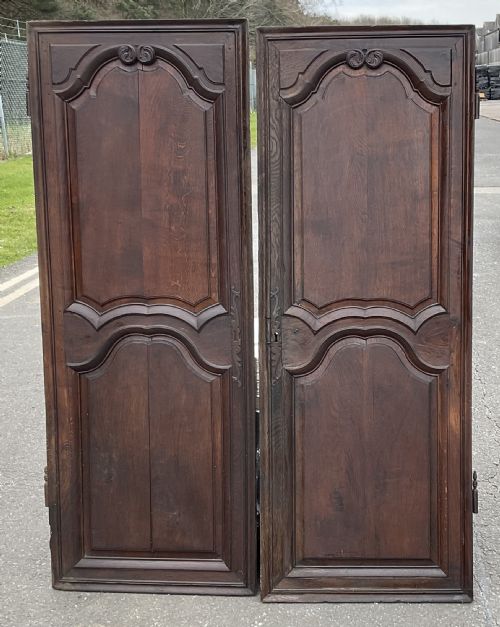
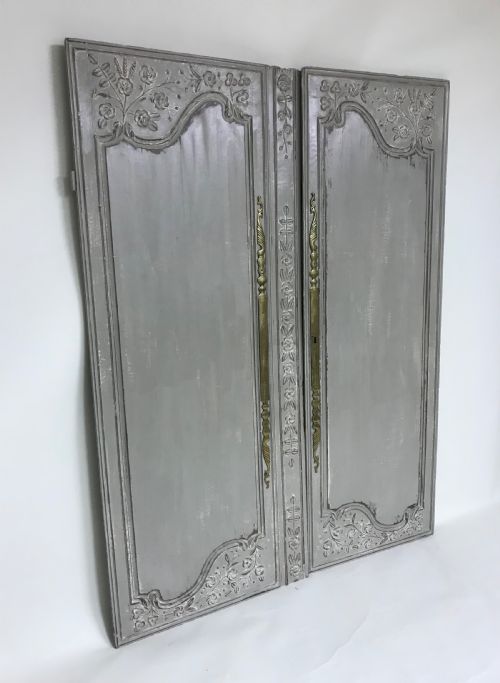
Walnut Panelled Wardrobe
A walnut panelled wardrobe brings deep grain and architectural presence into a bedroom, offering substantial storage with centuries of cabinet-making heritage.
Walnut Panelled Wardrobe
When you search for a walnut panelled wardrobe, you encounter substantial storage pieces ranging from compact two-door designs to expansive triple wardrobes and combination units. These items span periods including the eighteenth century, mid nineteenth century, the Edwardian era, and the early twentieth century.
The forms on offer include standard wardrobes, compactum configurations, large cupboards, and armoires alongside architectural elements such as cabinet doors. Regional origins stretch from British workshops to Italian and French makers, showing diverse interpretations of classical storage.
You are most likely to meet Edwardian examples and early twentieth-century pieces on this page, often featuring mirror doors, ash secondary timbers, and panelled construction. Earlier eighteenth-century and nineteenth-century Italian and French specimens appear less frequently but offer distinct regional character.
Materials and construction methods
These pieces rely on walnut and burr walnut veneers or solid planks, frequently combined with secondary timbers like ash for internal framework and drawer construction. The natural grain patterns dictate the visual rhythm of the panelled doors and cabinet fronts.
Hardware plays a structural and decorative role, incorporating brass fixtures and iron elements alongside glass mirror plates inset into doors. Occasional surfaces display painted finishes, gold leaf detailing, or specialised cabinet doors salvaged from larger armoires.
Walnut Panelled Wardrobe Retail Price Guide 2026
Typical asking prices for walnut panelled wardrobe among the pieces listed under this phrase on Sellingantiques today, from the lower quarter to the upper quarter. They describe what is for sale here now, not the wider market.
Several entries consist entirely of antique doors, proving that sometimes the entrance is more interesting than the room.
Judging quality and craftsmanship
The distinction between standard commercial pieces and finer cabinet-making lies in the selection of timber, particularly the choice of richly figured burr walnut against plain walnut surfaces. Superior construction is evident in how panels are framed to allow for natural wood movement without splitting.
Proportion and architectural detailing set the better examples apart, whether through refined Italian baroque carving, restrained French provincial lines, or balanced Edwardian proportions. The integration of functional elements like mirror doors and internal compartments reflects the original maker's ambition.
Whytock and Reid of Edinburgh
The Walnut Panelled Wardrobe Glossary
- Compactum
- A specialised wardrobe designed to maximise internal storage by combining hanging space, shelves, and drawers within a single footprint. This efficient layout became popular during the Victorian and Edwardian periods.
- Armoire
- A traditional European large cupboard or wardrobe with doors enclosing shelving or hanging space. French and Italian examples often exhibit distinct regional stylistic flourishes.
- Combination wardrobe
- A multi-functional storage piece that integrates hanging sections with modular drawer units and sometimes mirror doors. It offers diverse organizational compartments within one facade.
- Secondary timber
- A structural wood used in hidden areas like drawer linings and internal framing, such as the ash found alongside primary walnut exteriors. It provides stability and durability to the main carcase.
Walnut Panelled Wardrobe: Frequently Asked Questions
What periods do these wardrobes come from?
The pieces span several centuries, including 18th-century European examples, mid-19th-century compactums, and numerous Edwardian or early 20th-century designs.
This chronological spread allows you to choose between rustic continental armoires and more formally constructed British bedroom furniture.
How do I fit a large wardrobe into a modern room?
Many of these pieces are substantial structures, particularly triple wardrobes and large cupboards, so measuring your ceiling height and access stairwells is essential.
Some historical wardrobes were constructed to dismantle into sections, making transportation and placement significantly easier.
What is the difference between an armoire and a wardrobe?
While both terms describe large storage cupboards, armoire traditionally refers to continental European pieces with ornate panelled doors and distinct regional styling.
Wardrobe generally applies to British designs specifically engineered for hanging garments and storing folded clothing in dedicated compartments.
How do I care for walnut furniture?
Walnut benefits from stable room temperatures away from direct sunlight and strong heat sources to prevent the wood from drying out or warping.
Regular dusting with a soft, dry cloth and occasional application of appropriate furniture wax helps preserve the depth of the grain and the patina.