



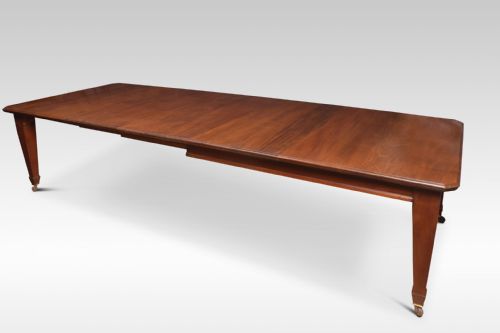


Walnut Leaf Dining Table
A walnut leaf dining table brings rich timber grain and flexible seating into a room, spanning forms from gateleg tables to extending dining designs.
Walnut Leaf Dining Table
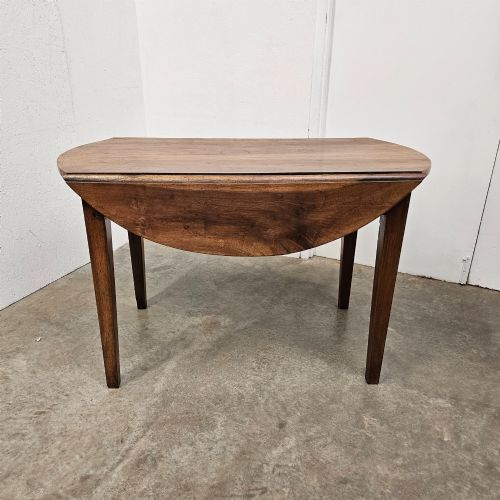
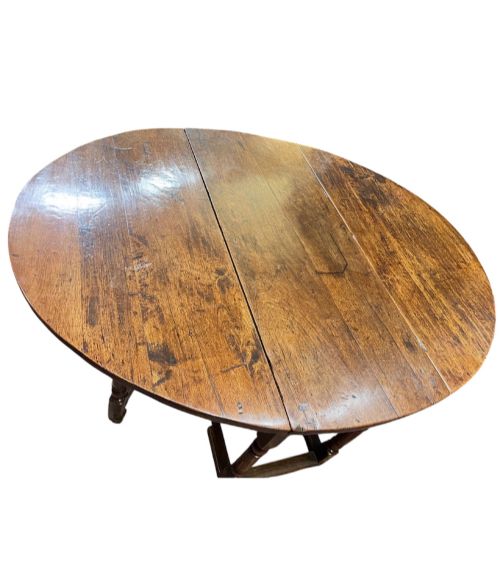
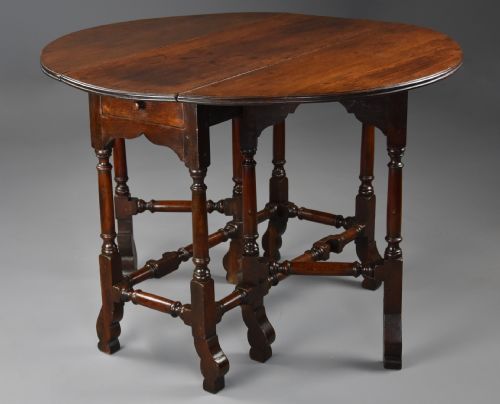
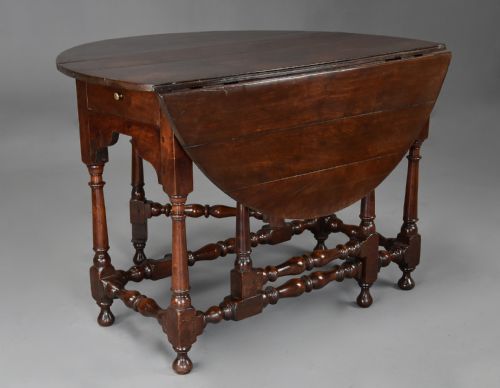
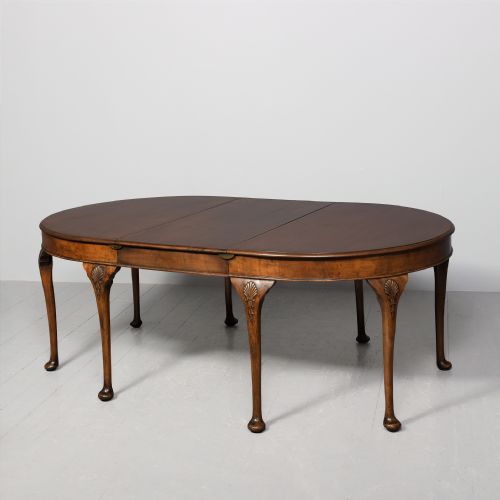
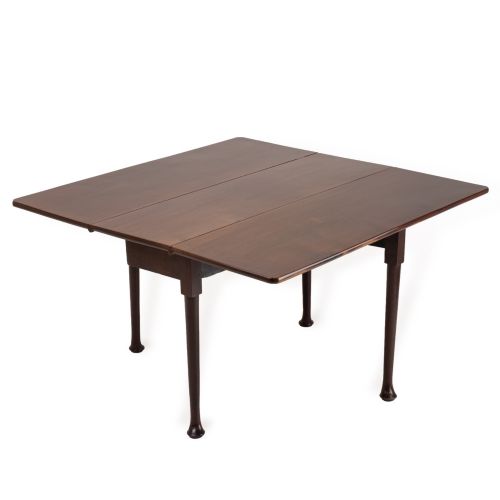
When searching for a walnut leaf dining table, buyers encounter a mix of period forms that range from compact drop-leaf and gateleg designs to large extending dining tables with multiple leaves. The selection draws heavily on Victorian, Georgian, and eighteenth-century origins, alongside early twentieth-century examples.
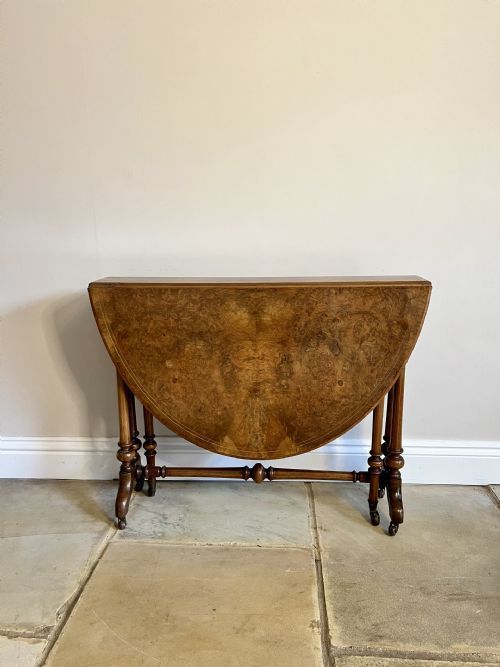
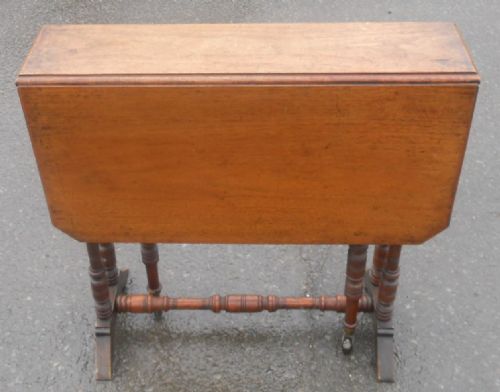
Smaller formats such as Sutherland tables and occasional gateleg pieces appear frequently alongside full-size dining tables designed to seat ten or more people. These pieces utilise various mechanisms, including wind-out systems, draw-leaves, and drop flaps, to adapt their surface area.
The materials span solid walnut, burr walnut, and red walnut, often accented with veneer and brass hardware. Styles stretch from Queen Anne and George II influences to French provincial and Art Deco interpretations.
Factors that distinguish quality
The distinction between tiers rests upon the choice of timber and the dexterity of the veneer work, where book-matched burr walnut demonstrates superior craftsmanship. Figured grain consistency across added leaves and the main surface indicates careful material selection.
Structural refinement shows in the smoothness of extension mechanisms, the tightness of joints in gateleg framing, and the preservation of original patination on the wood. Carved details on bases and legs exhibit varying degrees of depth and hand-carved precision.
Walnut Leaf Dining Table Retail Price Guide 2026
Typical asking prices for walnut leaf dining table among the pieces listed under this phrase on Sellingantiques today, from the lower quarter to the upper quarter. They describe what is for sale here now, not the wider market.
Listings feature walnut furniture spanning from the late seventeenth century through the Art Deco era, encompassing solid, burr, and red walnut timbers.
Merryweather of Holloway London
The Walnut Leaf Dining Table Glossary
- Burr walnut
- A prized timber harvested from walnut tree growths, producing swirling, highly decorative grain patterns used extensively in fine cabinetmaking.
- Gateleg table
- A table with hinged leaves supported by legs that swing outward like gates to hold the flaps in position.
- Wind out table
- An extending dining table operated by a mechanical handle and internal screw mechanism to separate halves and insert leaves.
- Parquetry
- Geometric wood inlay work arranged in patterns across table surfaces, often utilising contrasting timber tones.
- Sutherland table
- A narrow-profile drop-leaf table with exceptionally slender folding leaves supported by pivoting gate legs, originating in the Victorian era.
Walnut Leaf Dining Table: Frequently Asked Questions
How do extending walnut tables operate?
Extending walnut tables typically use either a wind-out mechanism with a handle or manual draw-leaf systems where extra leaves slide out from beneath the main top. These designs allow the surface to expand for larger gatherings.
Period dining tables often accommodate multiple leaves supported by central pull-out frames or extra legs for stability.
How should I care for walnut furniture?
Walnut furniture benefits from regular dusting with a soft, dry cloth and protection from direct sunlight to prevent the timber colour from fading. Maintaining consistent room humidity prevents wood movement and veneer cracking.
Applying occasional appropriate wax polish helps preserve the natural sheen and aged patina of the surface.
How do I identify a Victorian walnut table?
Victorian walnut tables often showcase rich burr walnut veneers, turned or carved pillar bases, and sophisticated mechanical extension systems. Stylistic clues include heavy turned legs on Sutherland tables and robust framing on extending dining tables.
Construction details like hand-cut joints and secondary timbers also point to nineteenth-century manufacturing methods.