



Walnut Home Office Bureau
A walnut home office bureau offers a dedicated workspace dressed in rich timber, combining period character with everyday utility.
Walnut Home Office Bureau
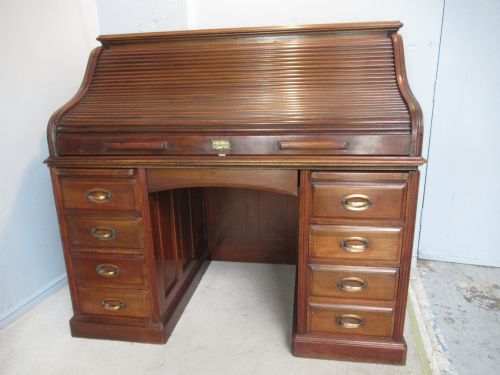
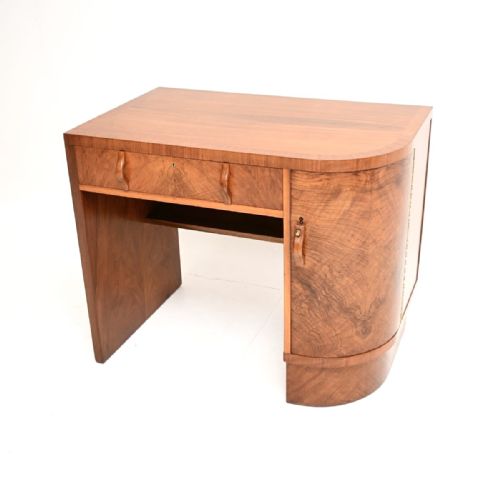
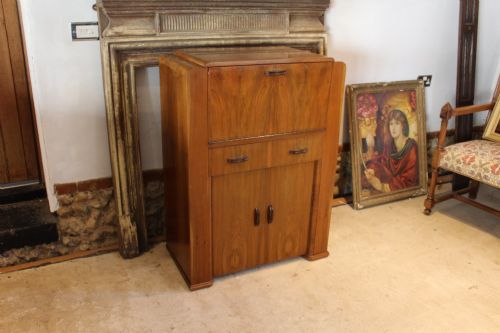
A walnut home office bureau brings together traditional writing furniture and workspace functionality, appearing across several distinct periods. You will encounter pieces ranging from mid-nineteenth century designs to Art Deco creations from the nineteen-thirties.
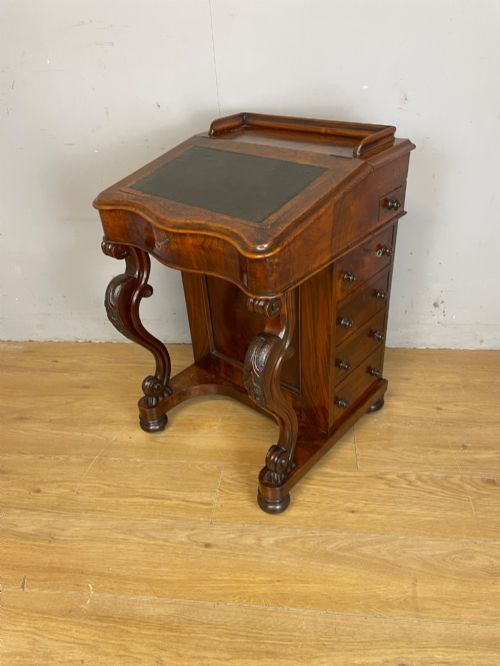
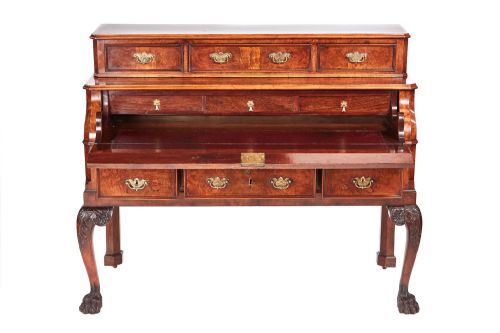
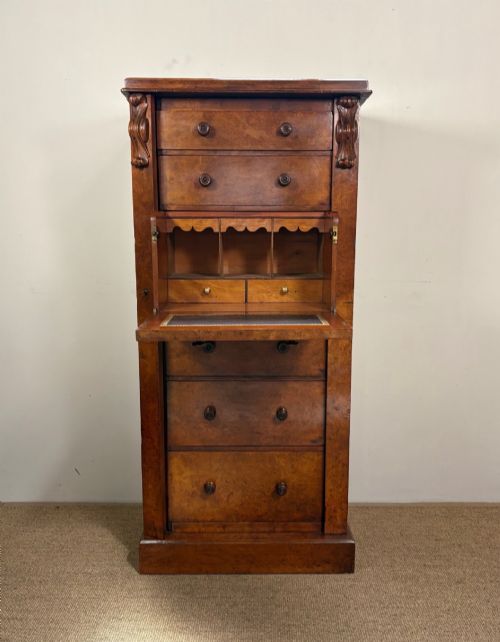
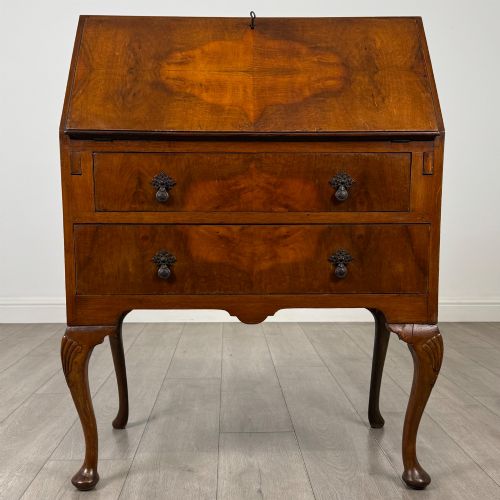
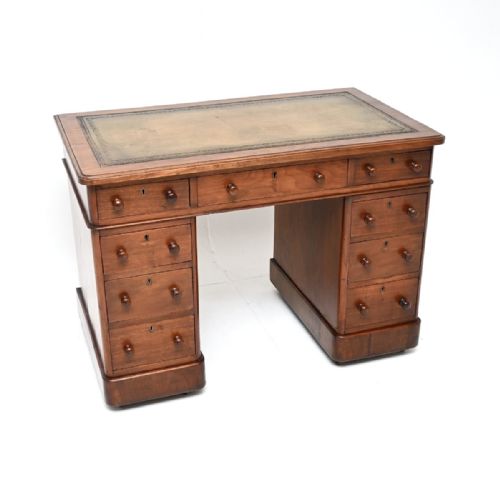
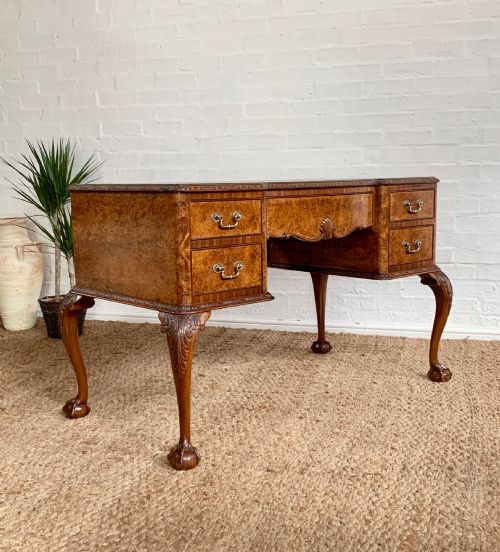
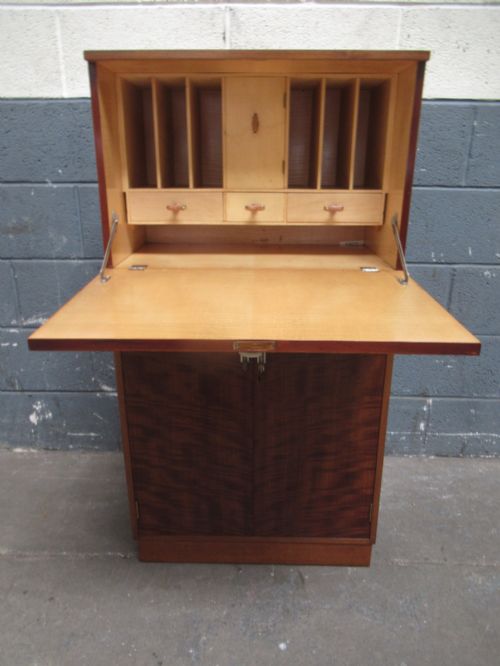
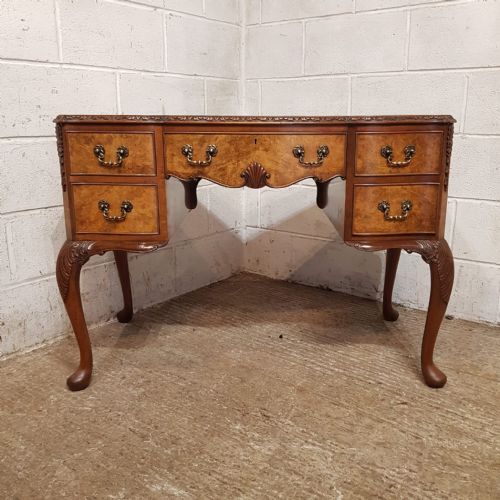
The selection encompasses pedestal desks, Davenport desks, writing tables, and secretaire chests alongside drop-front writing bureaux. Many incorporate leather writing surfaces and integrated storage drawers.
Makers and retailers from London, Glasgow, and France contributed to this variety, spanning Victorian, Edwardian, and revival styles.
How they were made
Cabinet makers utilised walnut timber, frequently selecting burr walnut and figured veneers to create striking grain patterns across flat surfaces and drawer fronts. Solid oak often forms the secondary timbers within drawer construction and internal carcases.
Writing surfaces frequently feature inset leather panels, occasionally tooled with gold leaf, while brass hardware provides drawer pulls, handles, and decorative mounts. Tambour shutters, carved paw feet, and gallery backs appear on specific regional and period variations.
Listings span the nineteenth and twentieth centuries, encompassing Victorian, Edwardian, and Art Deco periods in walnut, burr walnut, oak, and leather.
What varies in quality
Quality rests in the selection of the timber veneer, the precision of the cabinet work, and the integrity of the original hardware. Pieces designated for exhibition or produced by notable firms demonstrate superior grain matching and carving detail.
The handling of secondary materials, such as the thickness of the leather writing insert and the smoothness of drawer runners, distinguishes standard production furniture from superior examples.
F.H. Marshall & Co Glasgow·Maples of London·Étienne Kohlmann·Maurice Adams·Heal & Sons
The Walnut Home Office Bureau Glossary
- Burr walnut
- A wood harvested from the abnormal growth of a walnut tree, producing highly figured, swirling grain patterns. Cabinet makers prized this timber for decorative veneer panels on high-end desks and bureaux.
- Davenport desk
- A compact, sloping-lid writing desk featuring drawers opening to the side. The form originated in the nineteenth century and often includes a stationery compartment on top.
- Secretaire chest
- A chest of drawers containing a fitted writing drawer with a drop-down front. This form conceals a leather writing surface and small pigeonholes behind standard drawer fronts.
- Tambour
- A flexible shutter constructed from narrow strips of wood glued to a canvas backing. This mechanism slides within grooves to enclose compartments on desks and cabinets.
- Bureau plat
- A freestanding French writing table featuring a flat top without a superstructure. These tables typically include drawers in the frieze and rest upon slender legs.
Walnut Home Office Bureau: Frequently Asked Questions
What is a Davenport desk?
A Davenport desk is a small writing desk with a sloped writing surface and drawers that open to the side. They provide a compact writing space with built-in storage.
Cabinet makers designed them during the nineteenth century for domestic use where space was limited.
How do I identify Art Deco desks?
Art Deco desks typically date from the nineteen-thirties and feature geometric shapes, symmetrical figured veneers, and streamlined silhouettes. They often omit traditional carved ornamentation.
These pieces reflect modern design movements of the interwar period while utilising traditional walnut timbers.
What is a secretaire chest?
A secretaire chest resembles a standard chest of drawers but conceals a pull-out writing drawer with a hinged front. Inside, you find pigeonholes and small drawers for correspondence.
This form allowed owners to write letters without occupying floor space with a dedicated desk.
Where were these desks made?
These desks originated across British and French workshops, ranging from London retail houses to provincial cabinet makers. Major firms and independent makers produced them for domestic interiors.
Regional variations appear in the hardware, secondary woods, and decorative carving styles.