

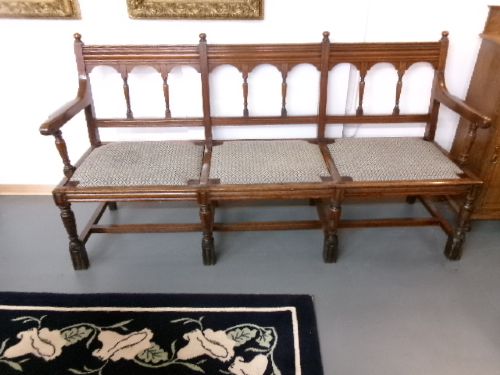
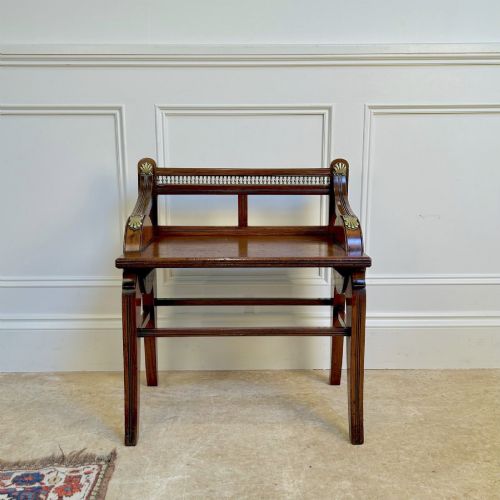
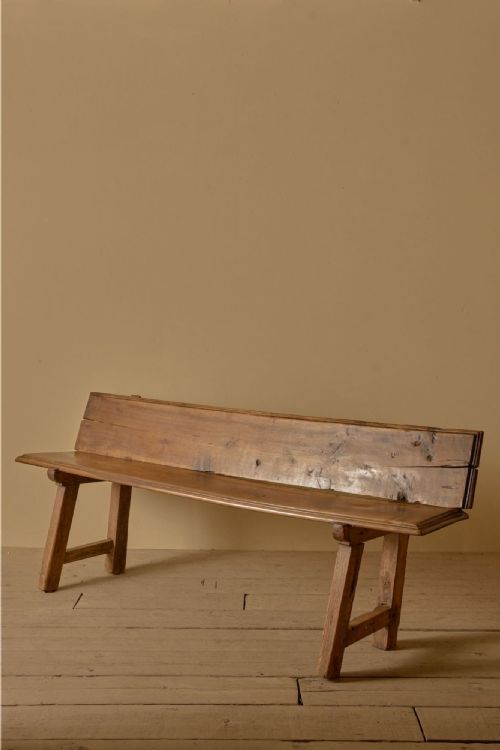
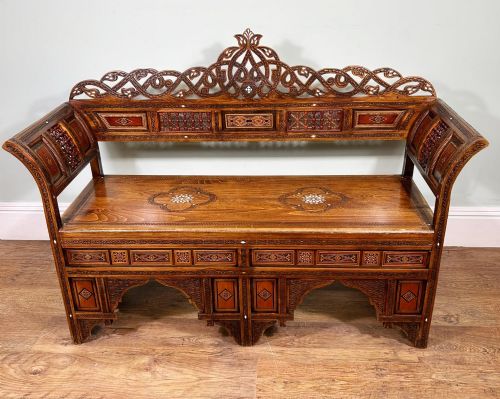


Walnut Hallway Bench
A walnut hallway bench brings practical seating and rich timber grain to an entrance, spanning Spanish country forms to Victorian carvings.
Walnut Hallway Bench
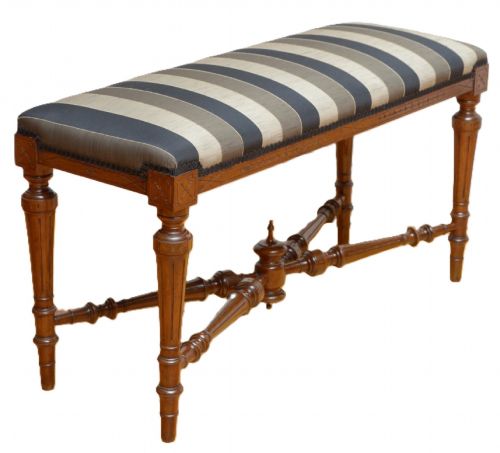
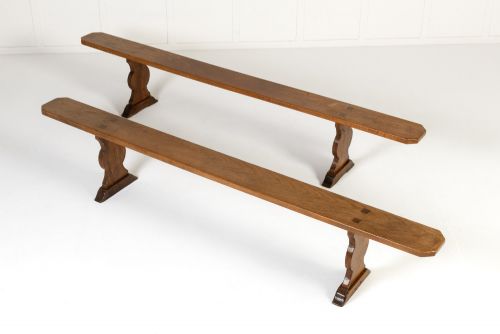
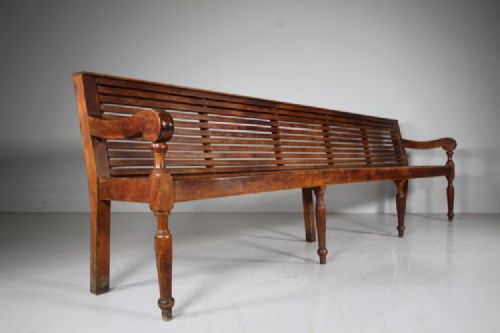
A walnut hallway bench provides a firm seat for putting on boots and welcoming visitors, appearing in forms ranging from narrow settle benches with shoe storage to long waiting room seats. Buyers seeking a walnut hallway bench will find examples that double as window seats or duet stools, utilising the deep warmth of the dark wood.
The pieces on this page span the eighteenth, nineteenth, and early twentieth centuries, drawing on Victorian, Edwardian, Art Nouveau, and regional European styles. English country house and French country aesthetics sit alongside Spanish and Syrian interpretations, showing diverse regional approaches to seating.
Makers and workshops across Europe produced these seats using solid timber and decorative veneers, often integrating carved details or inlaid materials. Many examples combine the bench form with upholstered pads in linen, velvet, or contemporary textile coverings.
What varies in quality
The standard of a walnut hallway bench depends on the depth and crispness of the hand carving, the choice of timber figure, and the precision of any inlaid ornamentation. Superior examples display thoughtful proportions and robust joinery that withstands heavy daily use in an entryway.
Provenance and workshop attribution elevate certain pieces, particularly those bearing maker signatures or demonstrating exceptional regional craftsmanship. The integrity of the original timber frame and the quality of subsequent upholstery choices further distinguish simpler utility benches from high artistic works.
Walnut Hallway Bench Retail Price Guide 2026
Typical asking prices for walnut hallway bench among the pieces listed under this phrase on Sellingantiques today, from the lower quarter to the upper quarter. They describe what is for sale here now, not the wider market.
Some nineteenth century benches included built-in shoe storage beneath the seat, proving Victorians were just as keen to hide muddy boots as we are.
James Shoolbred·Hampton & Son's
The Walnut Hallway Bench Glossary
- Walnut
- A hard, dark timber prized for its rich grain and stability in furniture construction. It accepts fine carving and polishing exceptionally well.
- Window seat
- A low bench designed to sit beneath a window recess, sharing similar proportions and upholstery styles with hallway seating. These pieces often feature duet stool dimensions.
- Settle bench
- A high-backed wooden bench originally designed to block draughts in hallways and kitchens. Many include enclosed storage beneath the seat.
- Inlay
- A decorative technique where materials such as mother of pearl or bone are inserted into recessed cavities in the walnut surface. This creates contrasting geometric or floral patterns.
- Duet stool
- An elongated stool or bench designed to seat two people side by side. They frequently appear with upholstered tops and carved wooden frames.
Walnut Hallway Bench: Frequently Asked Questions
Where should I place a hallway bench?
A walnut hallway bench fits naturally in an entrance hall, mudroom, or wide landing where guests remove coats and footwear. Its proportions allow it to sit against narrow walls without blocking movement.
Positioning the bench near a doorway also offers a convenient spot for brief resting or organising bags before leaving the house.
How do I maintain walnut wood?
Walnut benefits from occasional polishing with suitable wax to nourish the grain and protect the surface from moisture. Keeping the timber away from direct heat sources prevents warping and drying out.
Regular dusting with a soft, dry cloth preserves the natural lustre of the polished wood without harming antique finishes.
Are these benches comfortable for sitting?
Many examples feature upholstered pads covered in linen or velvet, providing a soft surface for daily use. Slatted wooden versions offer firmer seating that prioritises durability and straightforward cleaning.
Buyers can select between cushioned window seats and solid wood settles depending on personal comfort preferences.
How can I tell the period of a bench?
Stylistic clues such as Victorian Gothic revival motifs, Art Nouveau curves, or Georgian proportions help date individual pieces. Joinery methods and the type of secondary timbers used underneath also indicate the era of manufacture.
Comparing the carving style and hardware to documented examples from specific decades clarifies the timeline.