


Walnut Hall Furniture
Solid walnut hall furniture brings rich grain and practical entrance seating from the eighteenth, nineteenth and twentieth centuries into modern hallways.
Walnut Hall Furniture
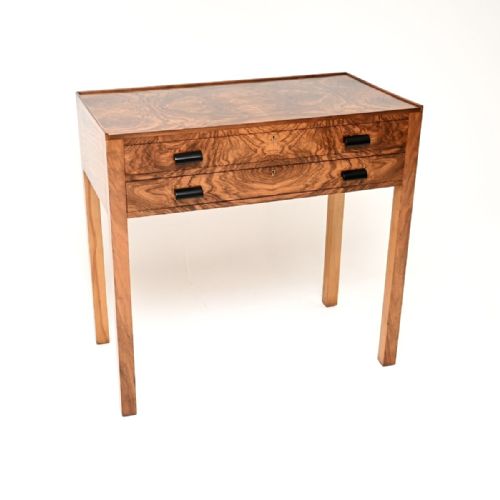
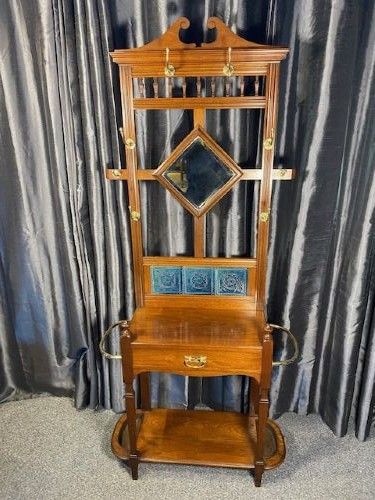
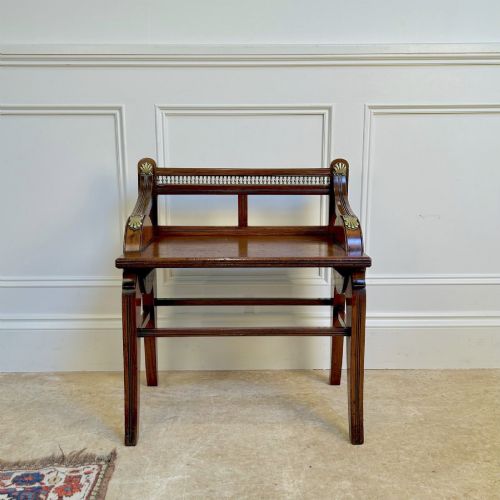
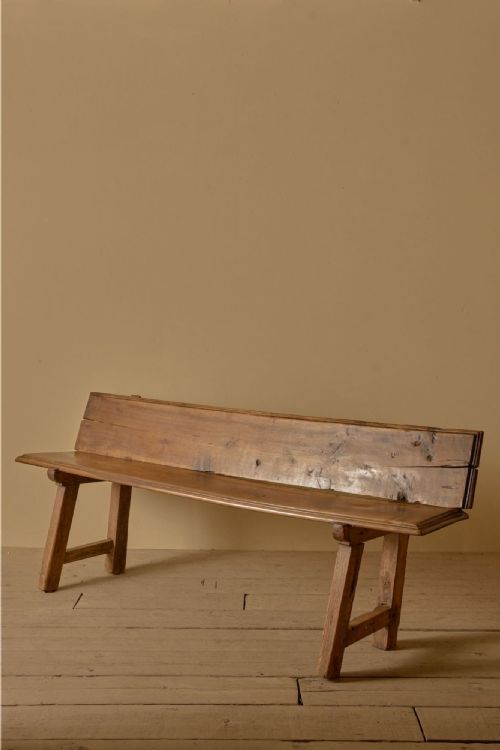
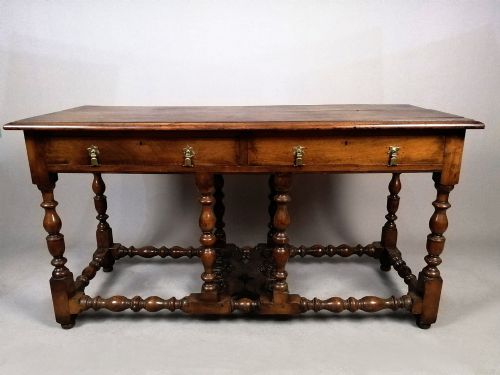
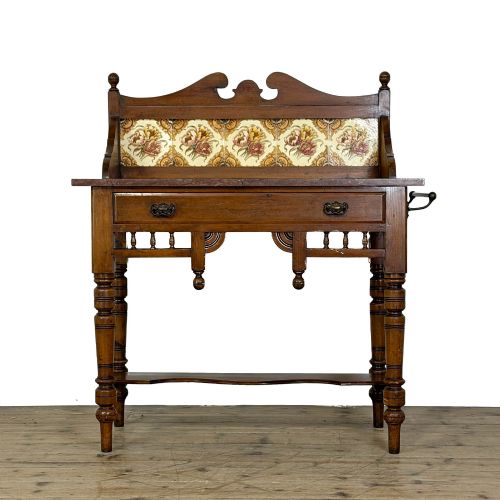
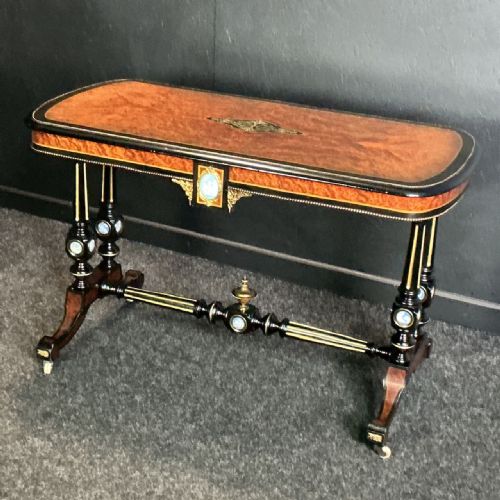
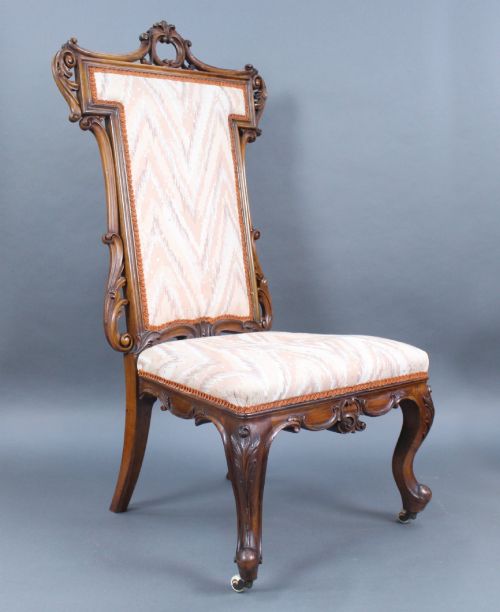
Walnut hall furniture encompasses benches, settles, console tables, side tables and coat stands designed for reception spaces and hallways. These pieces draw from Georgian, Victorian, Edwardian and Renaissance Revival styles, utilising rich timber figures to create an immediate impact upon entering a home.
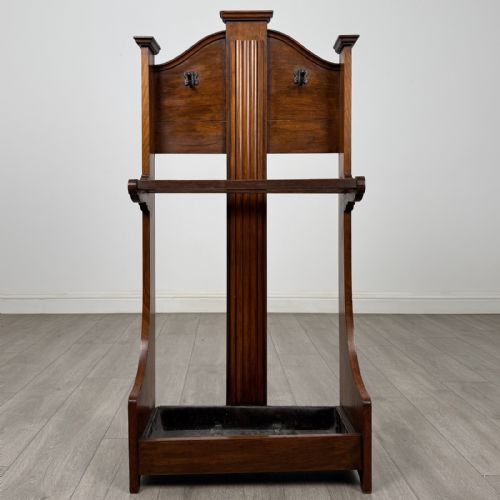
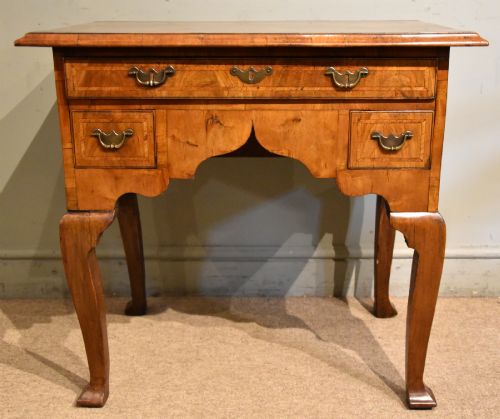
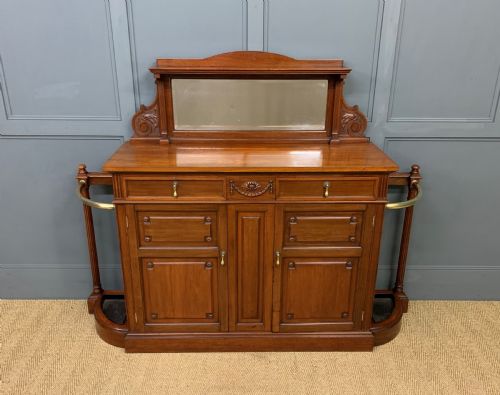
The most common forms on this page include nineteenth-century hall benches, eighteenth-century lowboys and Edwardian umbrella stands. Makers such as James Shoolbred and Shoolbred & Co. feature alongside Italian, Spanish and French examples spanning the seventeenth to twentieth centuries.
How they were made
Craftsmen built these pieces primarily from solid walnut and burr walnut veneers, often incorporating brass hardware, marble tops, mother of pearl inlay and textile upholstery. Carved wood details define many Victorian and Renaissance Revival examples, while marquetry and damascan inlay appear on specific tables and benches.
Joinery techniques relied on sturdy framing to support daily use in busy hallways and waiting rooms. Timber selection prioritised figured grain patterns, particularly on lowboys and cabinet doors, enhanced by traditional polishing methods.
Walnut Hall Furniture Retail Price Guide 2026
Typical asking prices for walnut hall furniture among the pieces listed under this phrase on Sellingantiques today, from the lower quarter to the upper quarter. They describe what is for sale here now, not the wider market.
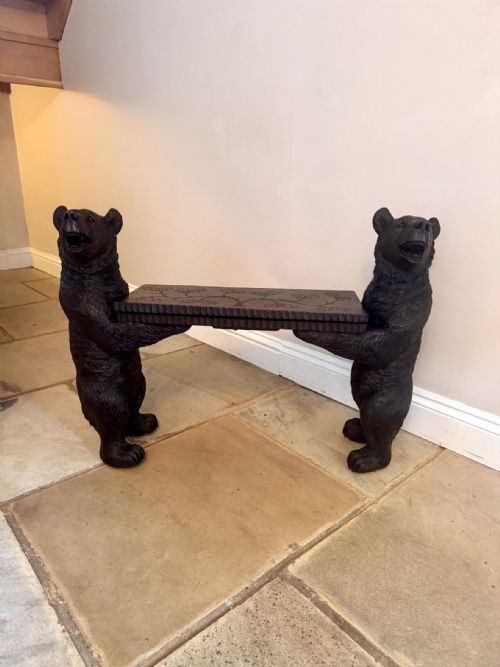
One unexpected nineteenth-century creation combines a carved Black Forest bear with a musical seat.
What varies in quality
Quality in walnut hall furniture depends largely on the selection of the timber and the crispness of the carved details. Figured burr walnut veneers and solid seventeenth or eighteenth-century construction command greater attention than later revival pieces with plain timber surfaces.
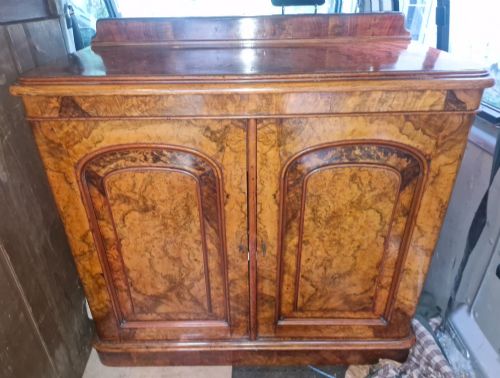
The depth and skill of hand carving, particularly on Black Forest or Italian Renaissance revival pieces, separate standard production items from exceptional workshop output. Original hardware, intact marble tops and good surface patination further distinguish finer examples.
James Shoolbred·Shoolbred and Co·Edward’s And Robert’s
The Walnut Hall Furniture Glossary
- Lowboy
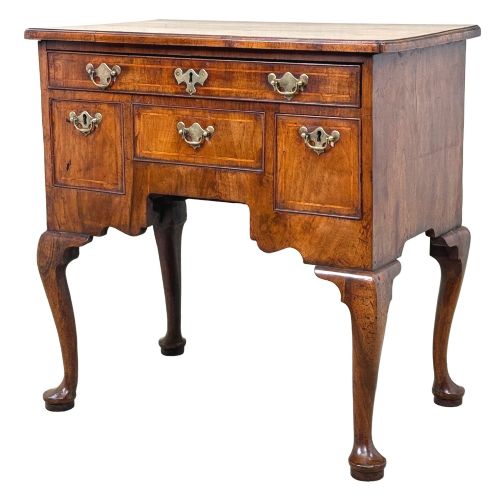
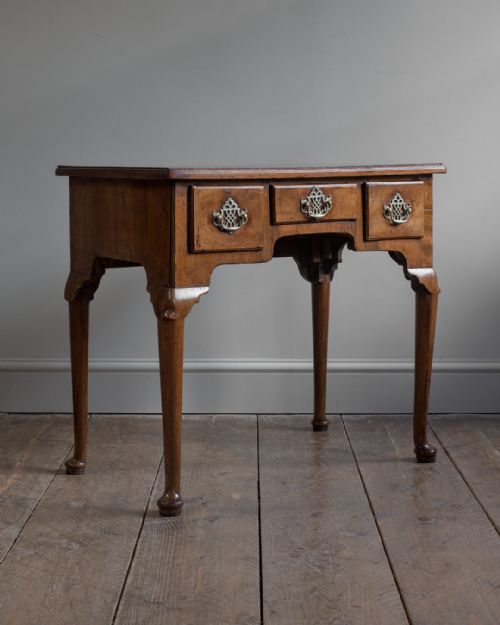
- A small oak or walnut table with drawers, resembling a low chest of drawers on tall legs. These typically served as dressing or side tables in eighteenth-century interiors.
- Cassapanca
- An Italian wooden bench featuring a high back, arms and a storage box beneath the seat. These heavily carved walnut pieces often served grand entrance halls.
- Burr walnut
- A prized wood veneer obtained from the wart-like growths on walnut trees. It displays swirling, intricate grain patterns frequently utilised on cabinet fronts and table tops.
- Console table
- A table designed to be fixed against a wall, often supported by brackets or ornate legs. Eighteenth and nineteenth-century versions in walnut frequently paired with matching mirrors.
Walnut Hall Furniture: Frequently Asked Questions
What is a walnut lowboy?
A lowboy is a small table featuring drawers and slender legs, originating in the eighteenth century. They functioned as side tables, dressing tables or compact writing desks.
In walnut, these pieces display rich grain figures and polished surfaces that suit placement in hallways or reception rooms as focal points.
How do I care for walnut furniture?
Walnut benefits from consistent indoor humidity levels away from direct heat sources and strong sunlight. Regular dusting with a soft cloth maintains the finish.
Applying occasional specialist wax feeds the timber and preserves the natural patina without building up heavy chemical layers over time.
Where were hall benches placed?
Hall benches and settles stood in entrance halls, reception rooms and waiting areas of large homes and public buildings. They provided practical seating for visitors removing coats and boots.
Examples range from slatted waiting room benches to heavily carved Italian Renaissance revival cassapancas designed to impress guests.
How can I tell the period of a piece?
Dating relies on examining construction methods, timber choice, hardware and stylistic cues. Eighteenth-century pieces often show traditional cabinetmaking joints and restrained proportions.
Revival styles from the nineteenth and early twentieth centuries combine earlier motifs like Queen Anne or Baroque carving with Victorian manufacturing techniques and secondary timbers.