



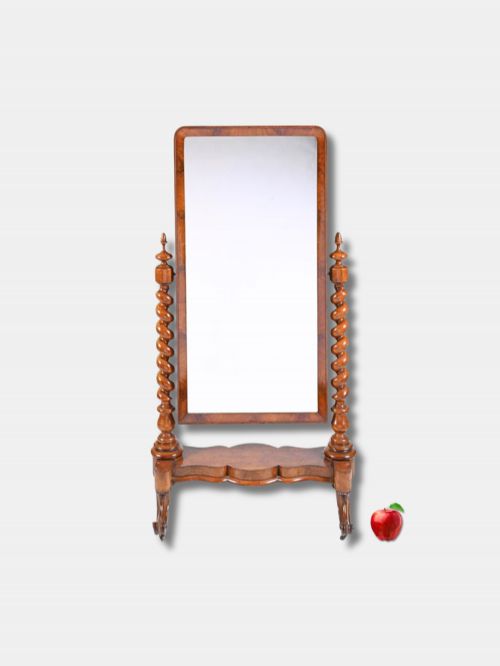


Walnut Dressing Glass
A walnut dressing glass brings warmth and historic utility to a room, offering a functional reflective surface framed in rich timber.
Walnut Dressing Glass
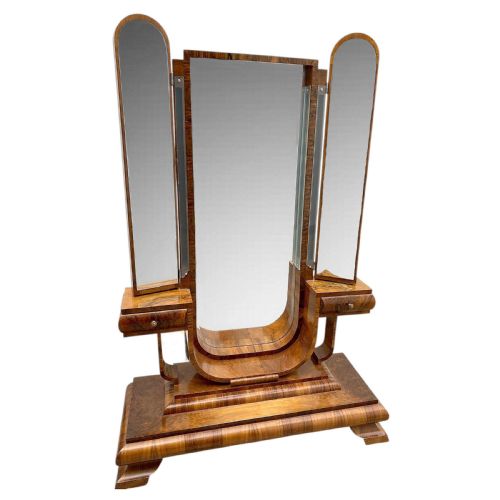
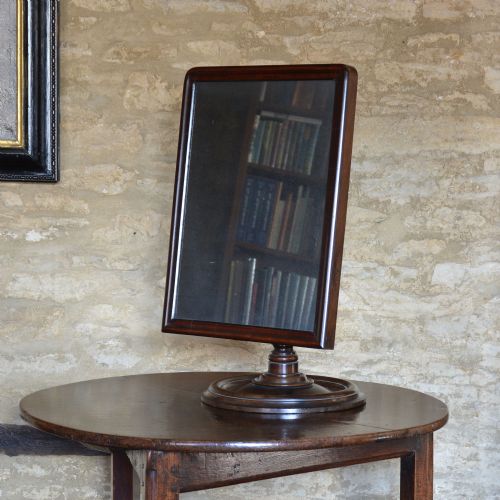
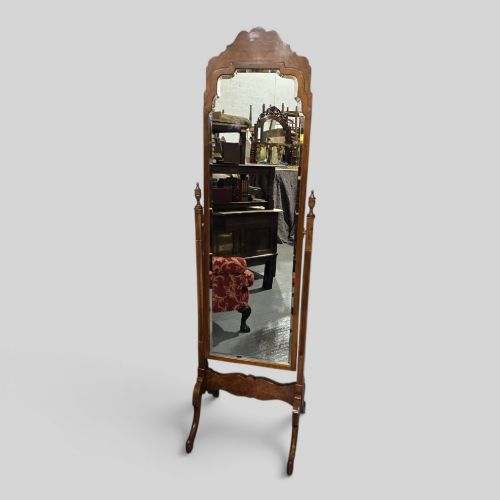
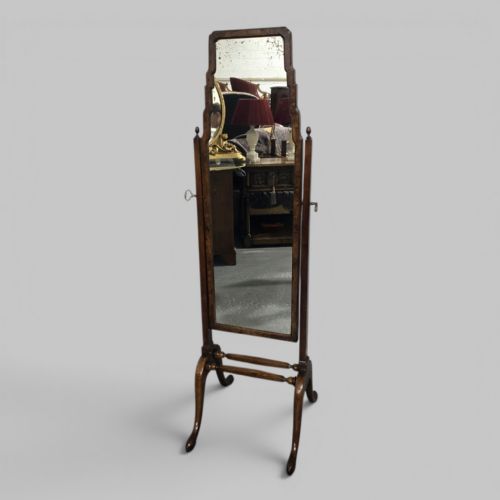
A walnut dressing glass is a portable or free-standing mirror designed for tabletop use or full-length reflection during grooming. The selection spans compact toilet mirrors from the eighteenth century to larger cheval mirrors from the Victorian era and the nineteen-twenties.
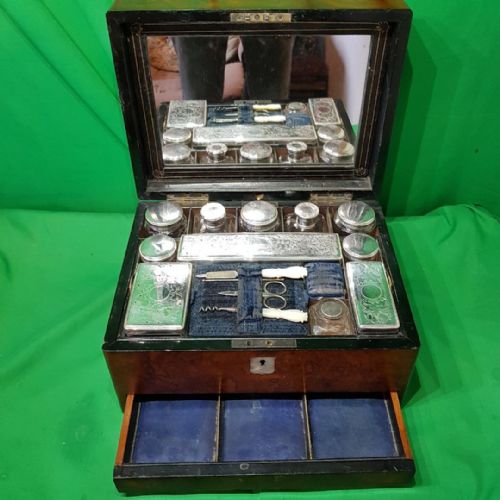
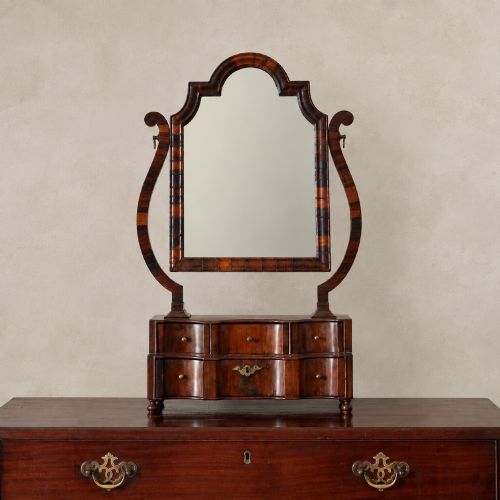
Most examples sit upon small base stands, often incorporating drawer compartments or bureau fitments for storing trinkets and accessories. These pieces range from early seventeenth-century box mirrors to later Dutch marquetry and George II designs.
How They Were Made
Craftsmen utilised solid walnut, burr walnut, and figured veneers applied to foundational timbers, frequently incorporating boxwood stringing and brass hardware. Glass plates were hand-silvered and bevelled, held securely within wooden frames supported by upright arms or pivot screws.
Structural framing techniques evolved from early box forms and simple swing mirrors to elaborate cheval frames mounted on barley twist supports or pedestal bases.
Walnut Dressing Glass Retail Price Guide 2026
Typical asking prices for walnut dressing glass among the pieces listed under this phrase on Sellingantiques today, from the lower quarter to the upper quarter. They describe what is for sale here now, not the wider market.
Several mirrors originated inside gentlemen's outfitters and commercial shops before finding their way into domestic bedrooms.
What Varies in Quality
Quality rests upon the depth of figure in the walnut veneer, the crispness of timber carvings, and the preservation of original mirror glass and brass fittings. Finer pieces demonstrate meticulous matching of grain patterns across the drawer fronts and frame borders.
The sophistication of the internal compartments and the integrity of the structural joinery distinguish workshop standards across the Georgian and Victorian periods.
The Walnut Dressing Glass Glossary
- Cheval mirror
- A large, free-standing mirror suspended on a frame that allows it to swing vertically. These tall glasses enable full-length viewing in a dressing room or bedroom.
- Toilet mirror
- A smaller mirror designed to sit on a dressing table, chest of drawers, or vanity. They typically feature a set of small drawers in the base plinth.
- Burr walnut
- A specialised timber cut from walnut tree growths, yielding intricate, swirling grain patterns. It is highly valued for decorative cabinetwork and veneer panels.
- Box mirror
- An early form of dressing glass where the mirror is attached to a lidded box base. The compartment stores small personal items and cosmetics.
Walnut Dressing Glass: Frequently Asked Questions
Where should I place a dressing glass?
These mirrors sit comfortably on dressing tables, chests of drawers, or sturdy console surfaces where natural light can assist with daily routines.
Freestanding cheval versions stand directly on the floor in bedrooms or dressing rooms, requiring adequate clearance to tilt the glass plate.
How do I date a walnut dressing glass?
Dating relies on examining the construction methods, timber choice, and hardware style. Earlier eighteenth-century pieces often feature feather-banding and candle slides, while Victorian examples introduce heavier turned supports and burr veneers.
Mirror glass characteristics, such as bevel edges or original silvering degradation, also offer chronological clues.
Were these mirrors used for shaving?
Smaller table-top and box mirrors served multiple personal grooming tasks, including shaving and applying cosmetics in private chambers.
Adjustable swing mechanisms allowed users to tilt the glass to the required angle for seated tasks.
How do I care for antique walnut timber?
Maintain the wood by keeping it away from direct sunlight and rapid temperature fluctuations, which can dry out the historic veneers.
Apply microcrystalline wax occasionally to nourish the finish and gently clean the glass with a dry cloth.