



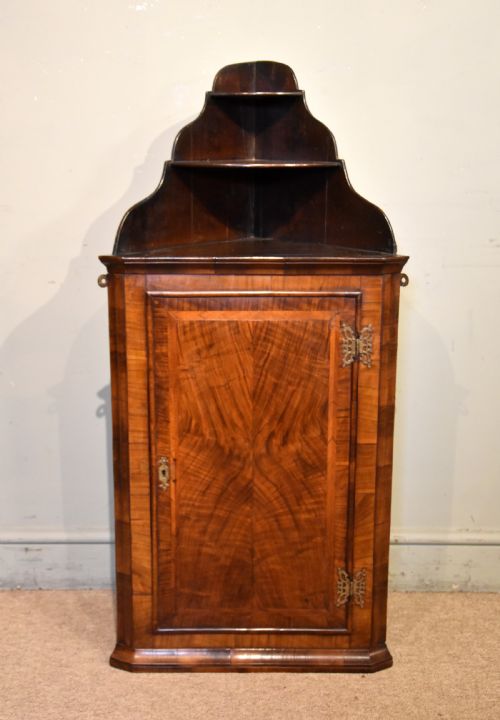
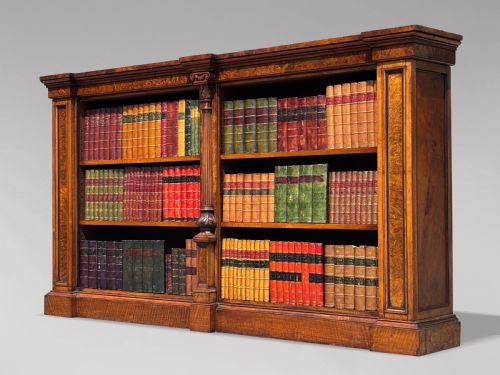
Walnut Display Unit
A walnut display unit brings warmth and architectural presence to a room, housing books and treasured objects in figured timber.
Walnut Display Unit
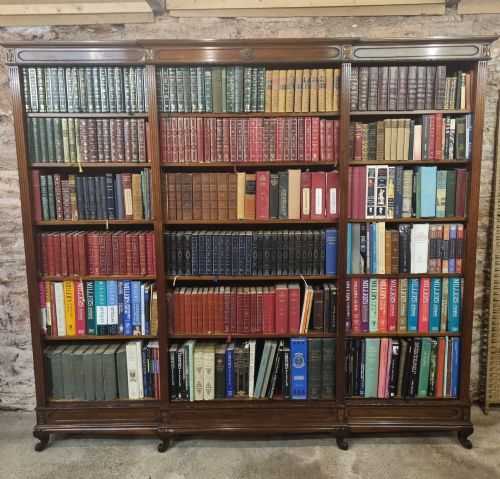
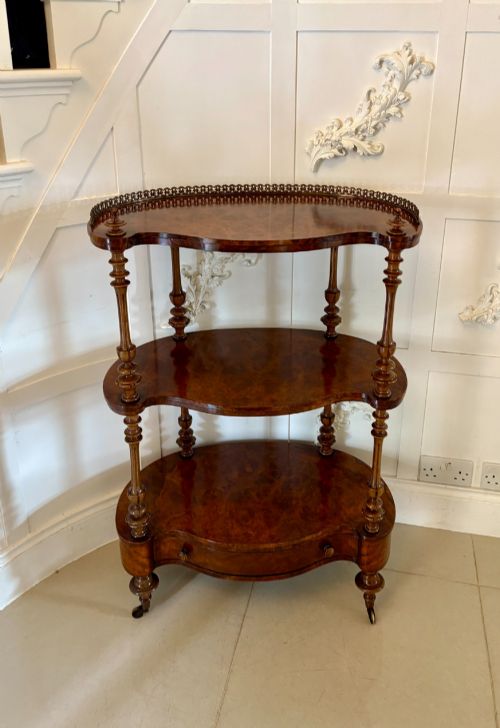
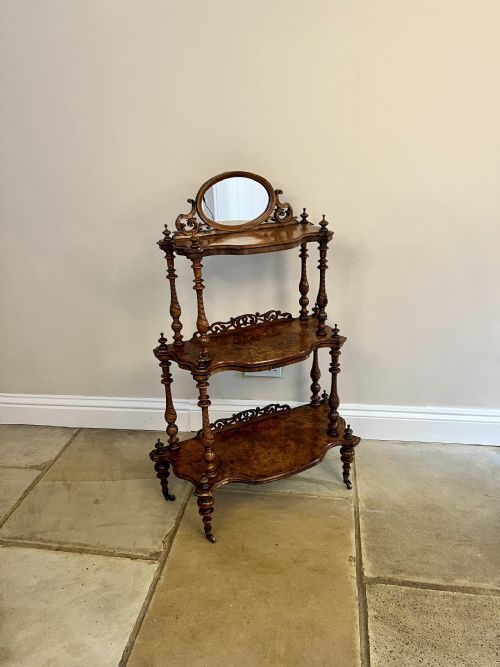
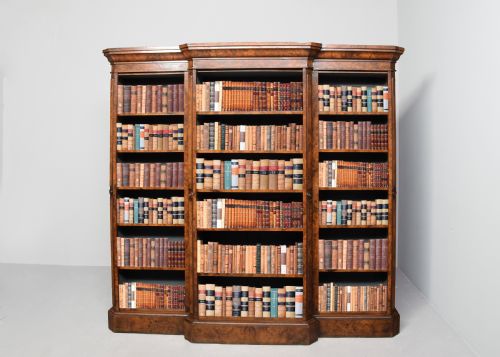
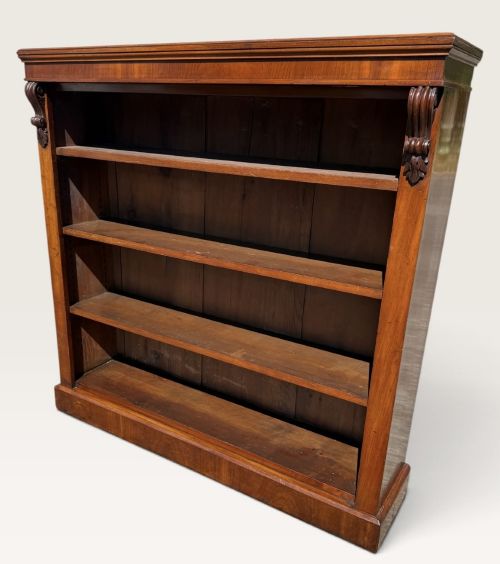
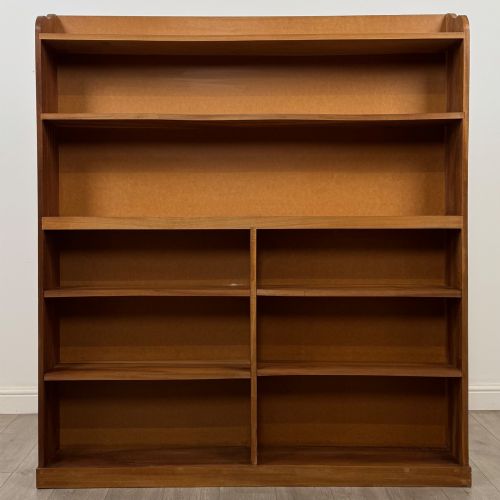
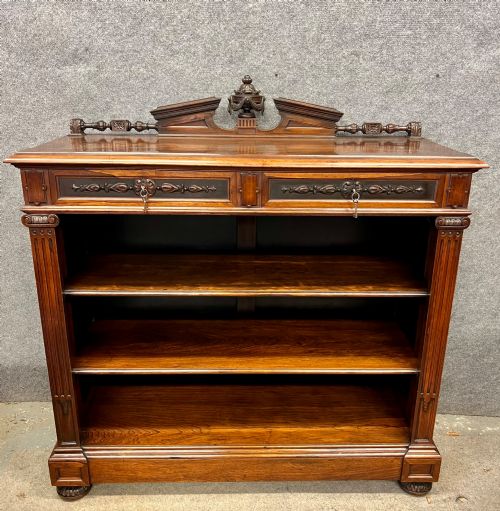
A walnut display unit encompasses bookcases, whatnots, etageres, and cabinets designed to hold books and decorative objects in domestic interiors. When searching for a walnut display unit, buyers encounter diverse forms ranging from tiered whatnots to breakfront bookcases and corner cabinets.
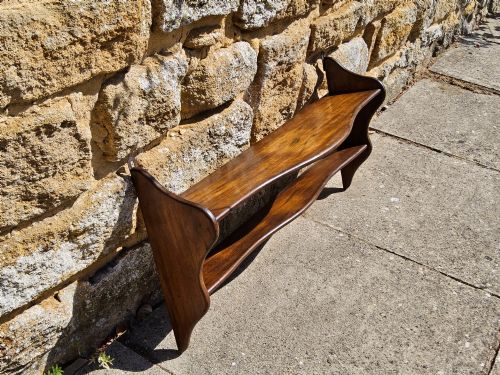
The pieces appearing on this page span several centuries and design movements, notably Victorian, Edwardian, and Art Deco periods. Makers utilised plain walnut alongside highly figured burr timber, creating both tall architectural bookcases and compact wall shelves or corner units.
Originating in domestic settings that demanded both storage and display, these items reflect the changing interior fashions of the eighteenth, nineteenth, and early twentieth centuries. Structural formats vary from open shelving units to glazed cabinets and multi-tiered etageres.
Materials and construction methods
Makers constructed these pieces using solid timber carcasses overlaid with walnut veneer or burr walnut, frequently incorporating pine for secondary framing and internal elements. Glass panels protect enclosed display sections, while brass fixtures and mirror glass enhance the reflective qualities of cabinets and wall shelves.
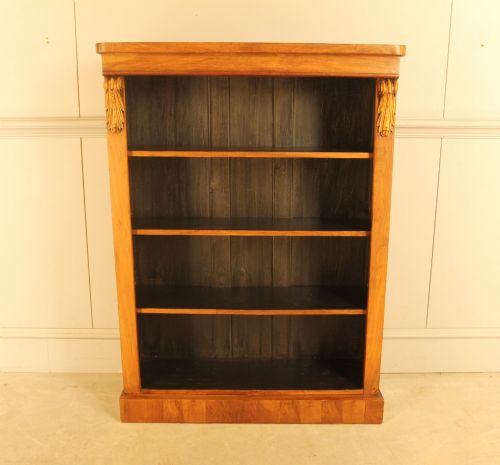
Surface decoration relies heavily on the natural figuring of the timber, sometimes accented with marquetry inlay or turned legs. Adjustable shelving systems appear frequently in the larger bookcases, demonstrating practical interior engineering alongside decorative exterior styling.
Walnut Display Unit Retail Price Guide 2026
Typical asking prices for walnut display unit among the pieces listed under this phrase on Sellingantiques today, from the lower quarter to the upper quarter. They describe what is for sale here now, not the wider market.
Listings feature walnut display units spanning the Victorian, Edwardian, and Art Deco periods, incorporating open shelving and glazed cabinets.
Evaluating quality and execution
The highest quality examples demonstrate exceptional timber selection, where burr walnut veneer is carefully matched across expansive surfaces like breakfront doors and cabinet fronts. Finely executed marquetry inlay and crisp turning on structural supports elevate a piece above standard utility furniture.
Construction integrity distinguishes better pieces through tight joinery, substantial timber thickness, and well-fitted adjustable shelving mechanisms that operate smoothly. The depth of the French polish finish and the retention of original brass hardware further separate superior examples from more modest workshop productions.
Maurice Adams·Epstein
The Walnut Display Unit Glossary
- Burr walnut
- A prized wood veneer harvested from the knot growths of walnut trees, displaying swirling, highly decorative grain patterns. Cabinet makers selected these figured sections for the most prominent exterior surfaces of high-status furniture.
- Whatnot
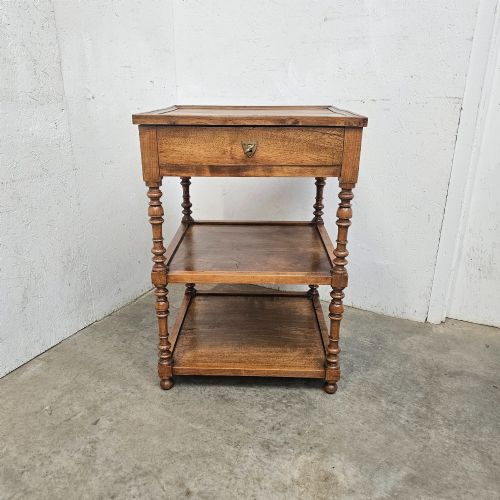
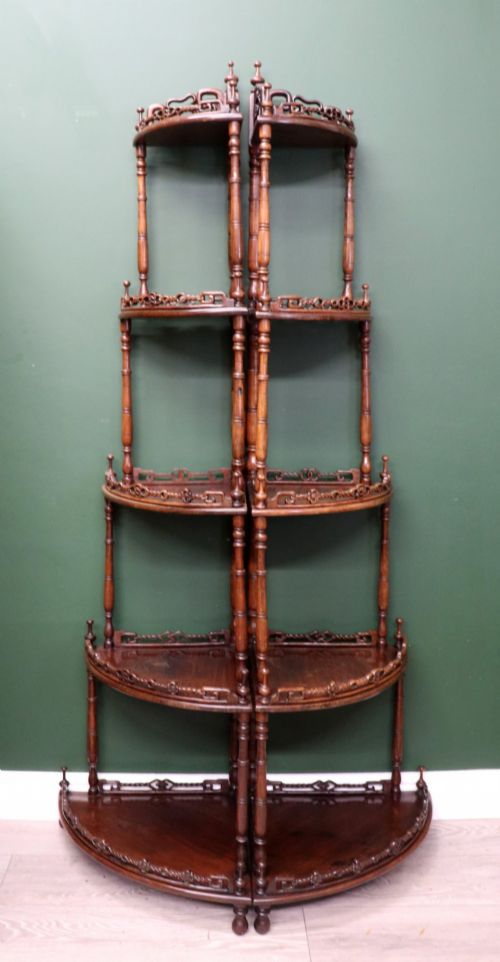
- A multi-tiered open shelving unit designed for displaying ornaments, books, and small decorative objects. These pieces typically feature three or more tiers supported by turned columns or uprights.
- Breakfront
- A furniture configuration where the central section projects forward from the flanking wings. This architectural arrangement creates depth and visual interest in large bookcases and cabinets.
- Etagere
- A French term for a set of open shelves or tiered display stand. These graceful pieces often incorporate slender supports and delicate detailing for lighter interior settings.
- Marquetry
- Decorative veneer work formed by fitting together small pieces of different woods and materials to create pictorial or geometric designs on the surface. Master craftsmen used this technique to adorn cabinet doors and top panels.
Walnut Display Unit: Frequently Asked Questions
How do I style a walnut display unit?
Styling a walnut display unit involves balancing books with ceramics, glassware, and small sculptures to create visual interest. Varying the height and depth of objects across the shelves prevents the arrangement from appearing cluttered.
Allowing sections of the figured timber grain to remain visible enhances the overall aesthetic. Pairing the warm tones of the wood with neutral backdrops lets the natural material anchor the room's design.
How do I identify Victorian pieces?
Victorian walnut display units often feature rich burr walnut veneers, darker polish tones, and substantial proportions. Stylistic markers include turned columns, carved scrolling details, and occasional marquetry inlay.
Construction methods from this era typically involve solid pine carcasses faced with thick walnut veneers. Examining the interior timber and backboards often reveals the manufacturing traits characteristic of nineteenth-century workshops.
Are Art Deco units different?
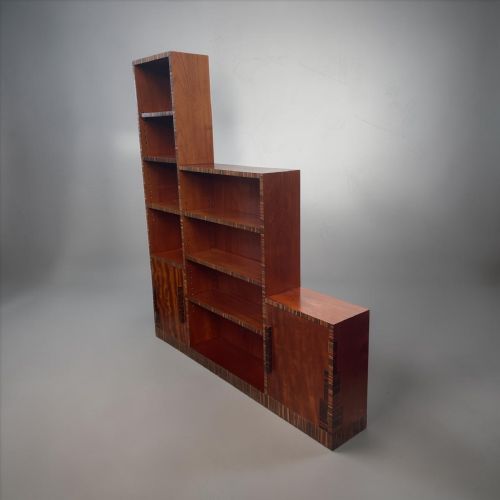
Art Deco walnut display units favor geometric symmetry, streamlined silhouettes, and stepped architectural forms. They frequently employ striking burr walnut and contrasting sycamore veneers without traditional revival carving.
These pieces reflect early twentieth-century modernism, prioritizing clean lines and sleek surfaces. Hardware tends to be minimal or integrated smoothly into the overall geometric design of the cabinet.