

Walnut Cabinet with Glass
A walnut cabinet with glass brings together rich timber and clear display space to hold your books or treasured porcelain.
Walnut Cabinet with Glass
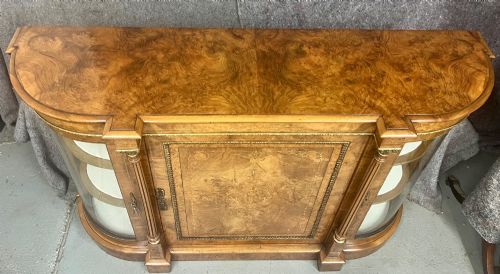
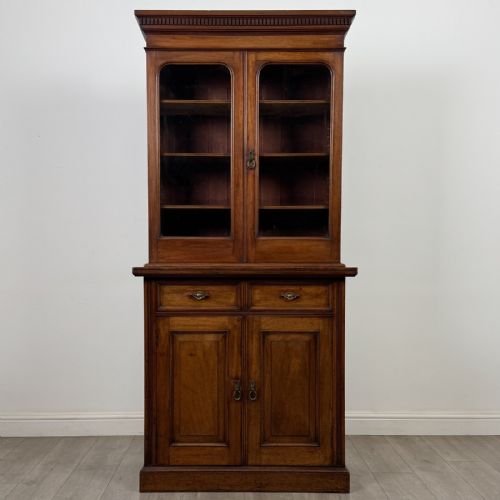
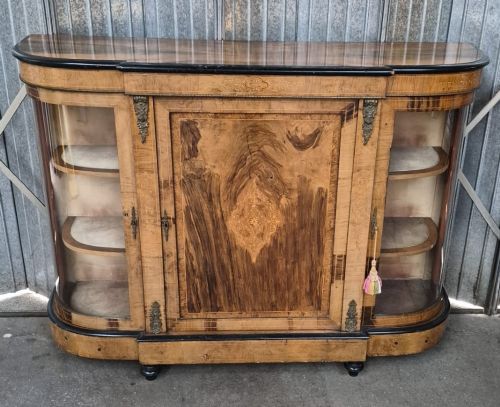
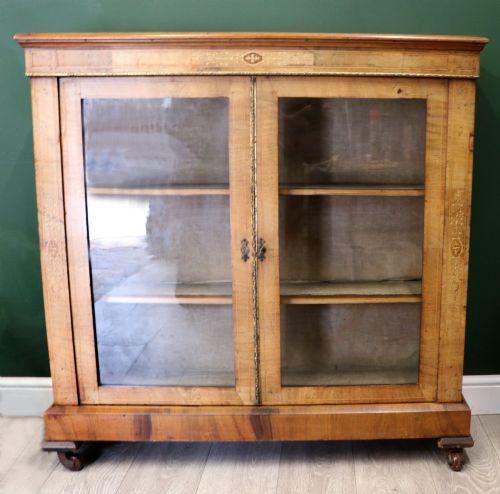
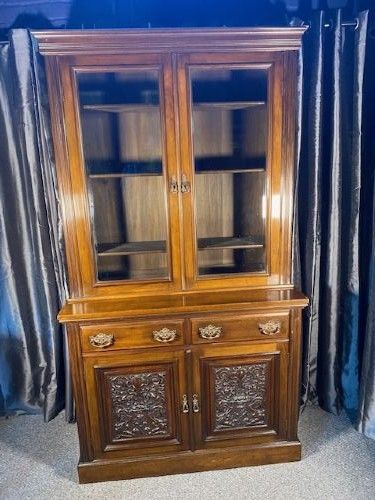
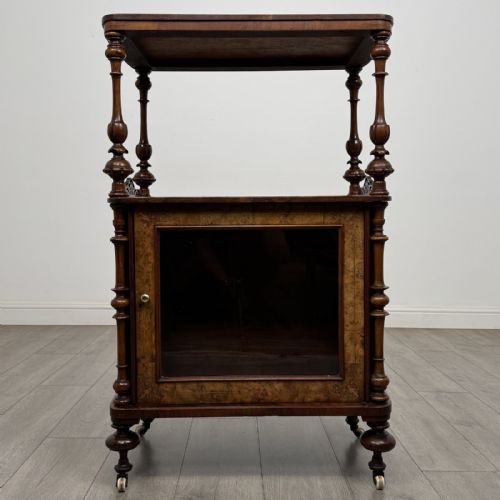
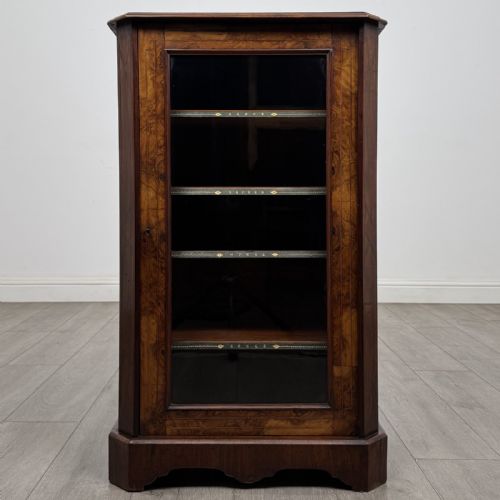
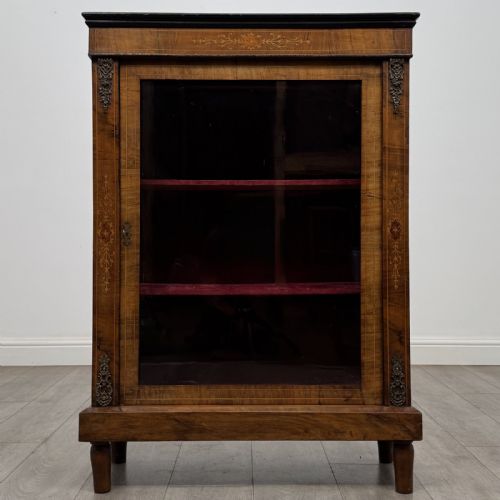
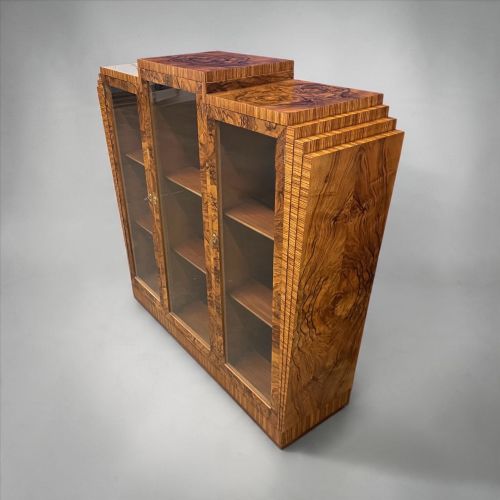
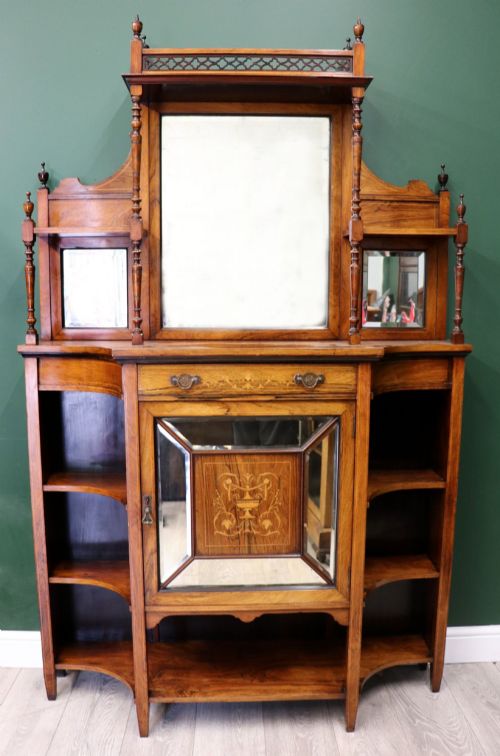
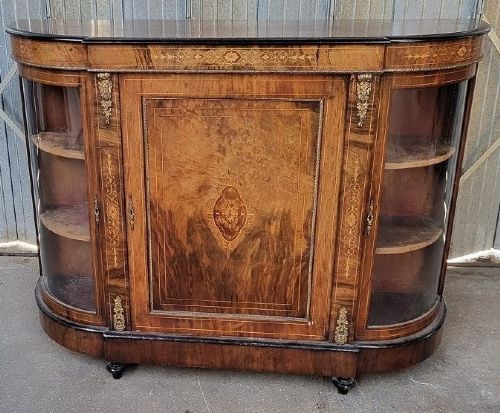
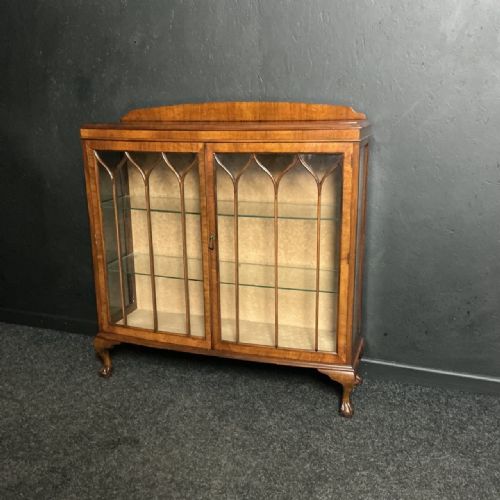
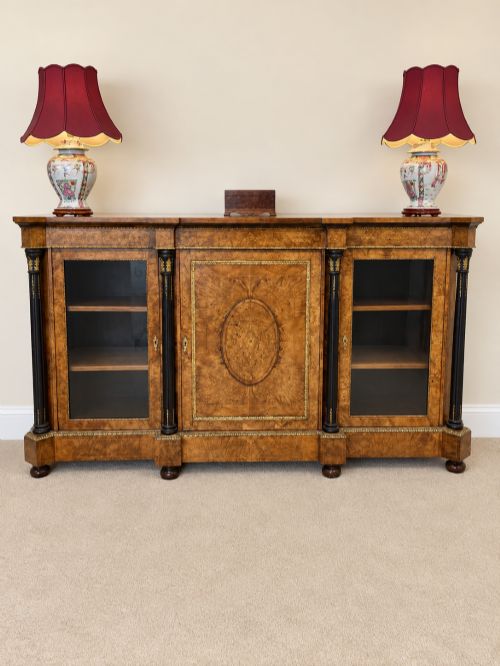
A walnut cabinet with glass combines rich wood figures with glazed doors or panels designed to protect and display contents. You will find forms ranging from compact pier cabinets and music sheet cabinets to grand credenzas and bookcase cabinets.
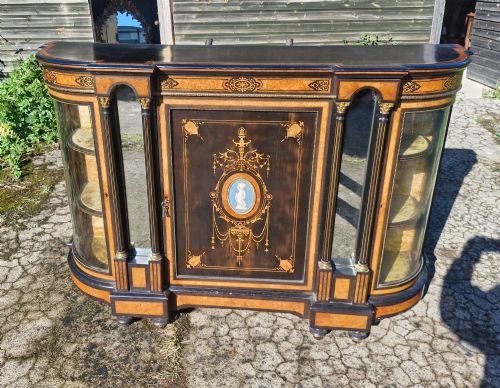
The pieces on offer span the mid nineteenth century through the Edwardian period, alongside occasional eighteenth century and early twentieth century examples. Victorian creations dominate the selection, often featuring serpentine fronts and mirrored backs.
Makers and retailers such as Druce and Co and Maison Gagneau appear among the Victorian items, bringing high standards of cabinet making. Regional variations stretch from English marquetry to French revival designs and Venetian bureau bookcases.
Materials and construction methods
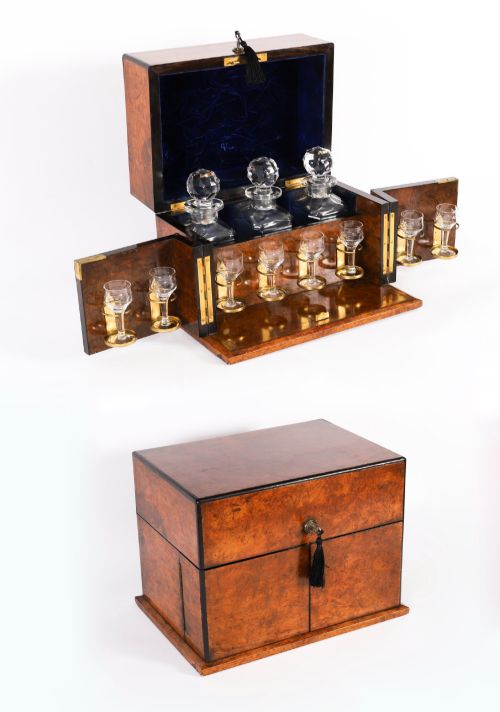
Cabinet makers built these pieces using solid walnut and figured burr walnut veneers over secondary timbers, occasionally incorporating burr yew wood or tulipwood banding. Glass panels were fitted into doors to allow clear viewing of the interior shelves.
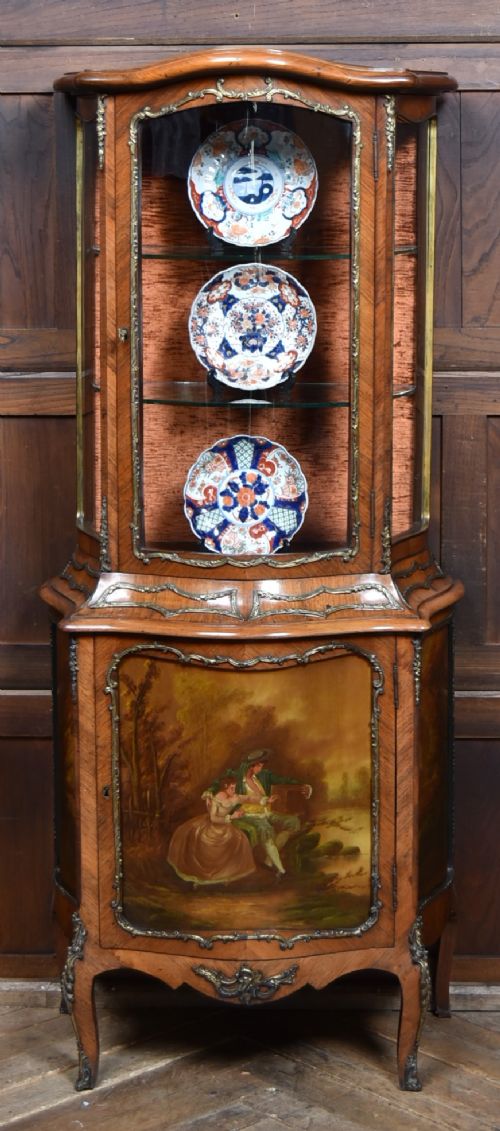
Decoration relied heavily on cast ormolu mounts, boxwood marquetry inlay, and contrasting ebony details. Interiors were frequently lined with velvet or fabric to cushion displayed items, while porcelain plaques were sometimes inset into the timber body.
Walnut Cabinet with Glass Retail Price Guide 2026
Typical asking prices for walnut cabinet with glass among the pieces listed under this phrase on Sellingantiques today, from the lower quarter to the upper quarter. They describe what is for sale here now, not the wider market.
Music sheet cabinets survive with velvet lined internal slots designed to keep Victorian sheet music neatly sorted for evening piano recitals.
Markers of fine craftsmanship
Quality rests on the depth of the walnut figure and the precision of the marquetry work. Finely figured burr timber and crisp boxwood inlay distinguish the finer items from plainer counterparts.
The crispness of the chased ormolu mounts and the integration of quality Sevres style porcelain plaques elevate the status of a piece. Sound joinery in the serpentine or breakfront forms ensures lasting stability.
Maison Gagneau·Druce and Co
The Walnut Cabinet with Glass Glossary
- Pier cabinet
- A low freestanding cabinet designed to sit against the wall space between windows. These typically feature a single glazed door and decorative ormolu mounts.
- Credenza
- A grand sideboard or display piece, often with a central glazed door flanked by curved side cupboards. They frequently incorporate extensive marquetry and mirrored backs.
- Ormolu
- Gilded bronze mounts applied to furniture for decorative effect. The best examples show sharp hand chased detailing and secure fixing.
- Marquetry
- Inlaid patterns formed from different coloured woods and veneers. Craftsmen use this technique to create floral or geometric motifs across the cabinet doors and friezes.
Walnut Cabinet with Glass: Frequently Asked Questions
What is a pier cabinet?
A pier cabinet is a narrow display piece originally designed to stand against the wall between two windows in a Victorian drawing room. They usually feature a single glass door to protect the contents while keeping them visible.
These pieces often include plush fabric linings and decorative ormolu mounts. Their compact footprint makes them practical for smaller rooms today.
How do I care for burr walnut?
Burr walnut requires gentle maintenance to keep the timber oils from drying out. Keep the cabinet away from direct sunlight and sudden changes in room temperature.
Dust regularly with a soft dry cloth and occasionally apply a quality wax suited to antique wood. Avoid using modern spray polishes that contain silicone.
Are glazed doors original to these cabinets?
Most glazed doors on these Victorian and Edwardian cabinets are original to the piece. You can check this by inspecting the glass for small bubbles, waves, and minor imperfections typical of older manufacturing methods.
The putty or wooden glazing bars should also match the age and wear patterns of the rest of the cabinet frame.
Where should I place a credenza?
A credenza works best against a long living room or dining room wall where its length and decorative front can be fully appreciated. Because many versions include mirrored backs, placing them opposite a light source helps brighten the room.
Ensure there is enough floor clearance for the curved serpentine doors to open smoothly without obstruction.