





Walnut Box Mirror Drawer
A walnut box mirror drawer combines a pivoting glass with a compartmented base for daily grooming.
Walnut Box Mirror Drawer
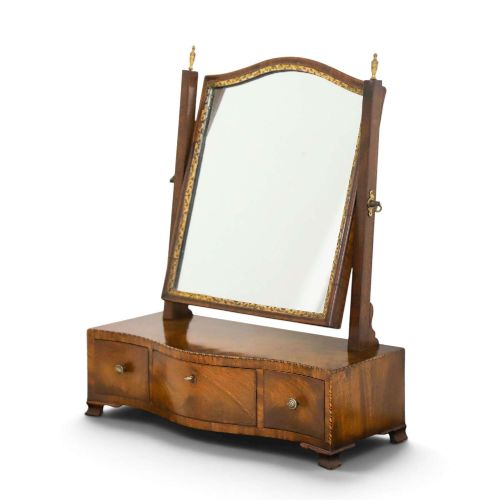
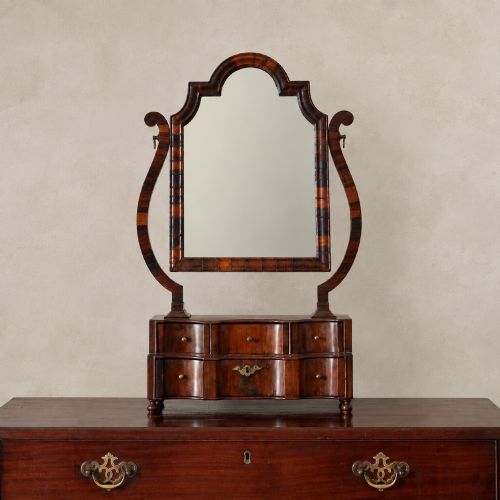
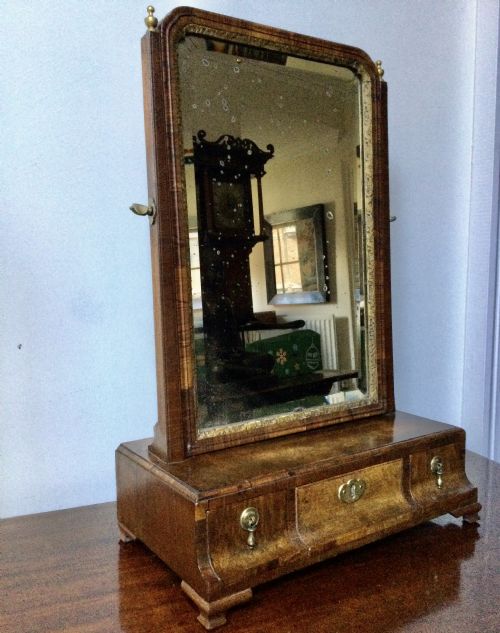
A walnut box mirror drawer acts as a compact dressing glass designed to sit upon a table or chest. You encounter these most frequently as 18th-century Georgian pieces and later Victorian reinterpretations.
The primary forms on this page include toilet mirrors, dressing table mirrors, and bureau mirrors equipped with small drawers in the base. They span periods from Queen Anne and Early Georgian eras through to the late nineteenth century.
How they were made
Cabinetmakers constructed these frames using solid walnut and veneered surfaces, often incorporating contrasting grains like laburnum or maple. Fine brass handles and escutcheons secure the miniature drawers housed within the box bases.
The upright supports hold a swiveling mirror plate, which frequently utilises traditional mirror glass held within shaped wooden frames. Some examples introduce giltwood or gold leaf highlights to accentuate the carved contours.
Walnut Box Mirror Drawer Retail Price Guide 2026
Typical asking prices for walnut box mirror drawer among the pieces listed under this phrase on Sellingantiques today, from the lower quarter to the upper quarter. They describe what is for sale here now, not the wider market.
Listings span the Queen Anne, George II, George III, and Victorian periods, utilising walnut, laburnum, and brass.
What varies in quality
The sophistication of the walnut figure and the precision of the drawer dovetails define the standard of the construction. Finer examples display carefully chosen grain patterns across the box base and mirror horns.
Original brass hardware and clear, unaltered mirror glass elevate a piece above those with replaced fittings. The harmony of proportions between the box and the swinging glass marks the work of a skilled maker.
The Walnut Box Mirror Drawer Glossary
- Toilet mirror
- A small portable glass designed for placement on a dressing table or chest. These pieces typically feature a set of small drawers in the base.
- Dressing glass
- An alternative period term for a table mirror used during grooming and personal preparation. The glass usually tilts between two upright arms.
- Box mirror
- A tabletop mirror mounted upon a small wooden cabinet or chest base containing one or more drawers. This form became popular during the seventeenth and eighteenth centuries.
- Bureau mirror
- A specialised tabletop writing desk combined with a pivoting mirror and small storage drawers. It allows for both correspondence and grooming in a compact footprint.
- Laburnum
- A dense wood featuring distinctive dark and light growth rings, frequently used for contrasting oyster veneers on early pieces. Cabinetmakers prized it for decorative geometric patterns.
Walnut Box Mirror Drawer: Frequently Asked Questions
What is a walnut box mirror drawer?
It is a portable dressing glass mounted on a small wooden box base containing one or more storage drawers. These items sat on chests or tables for personal grooming.
They combine a tilting mirror frame with a compartmented lower section for small valuables or cosmetics. The design originated in the late seventeenth century and continued through the Georgian and Victorian eras.
How were these mirrors used originally?
People placed them on dressing tables or commodes to assist with shaving, wig styling, and applying makeup. The small drawers held personal items, pins, and documents.
They provided a movable personal reflection point before larger cheval glasses and fitted dressing tables became common in bedchambers.
How do I date an 18th-century piece?
Dating relies on observing construction methods, timber choices, and hardware styles. Early Georgian examples often feature figured walnut veneers and laburnum accents.
Later Victorian interpretations tend to incorporate denser woods, different dovetailing techniques, and alternative internal drawer arrangements while referencing earlier Queen Anne tastes.
Where should I place one at home?
These pieces fit well on top of tallboys, chests of drawers, or side tables in bedrooms and hallways. Their compact footprint requires minimal surface area.
The small drawers provide practical storage for keys or modern trinkets while the pivoting glass remains functional for daily use.