

Walnut Art Frame
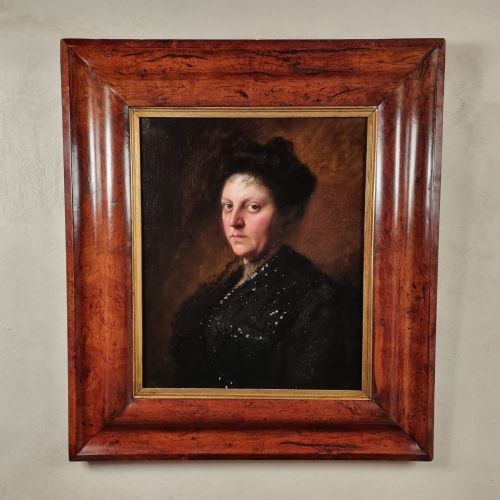
A walnut art frame anchors a room with rich timber grain, bringing warmth to paintings, mirrors, and portraits.
Walnut Art Frame
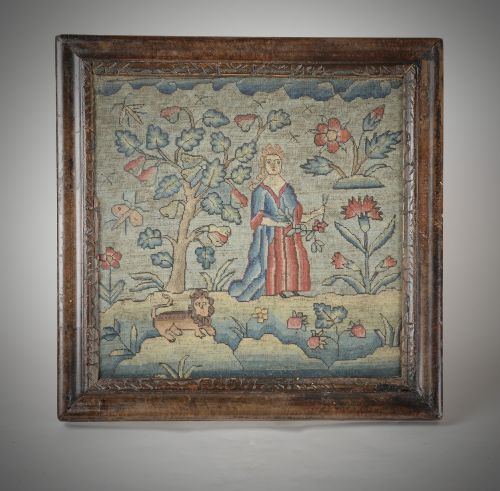
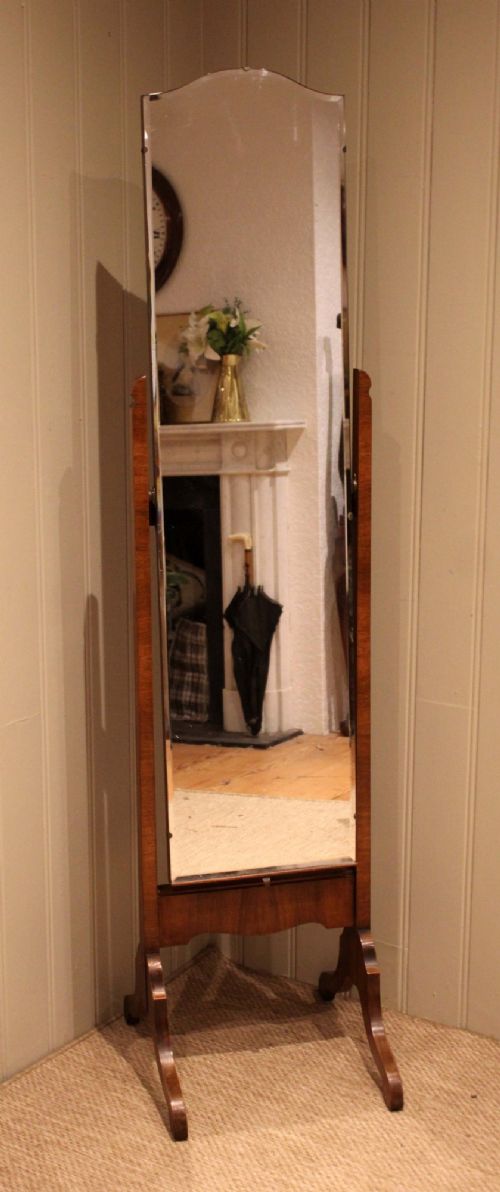
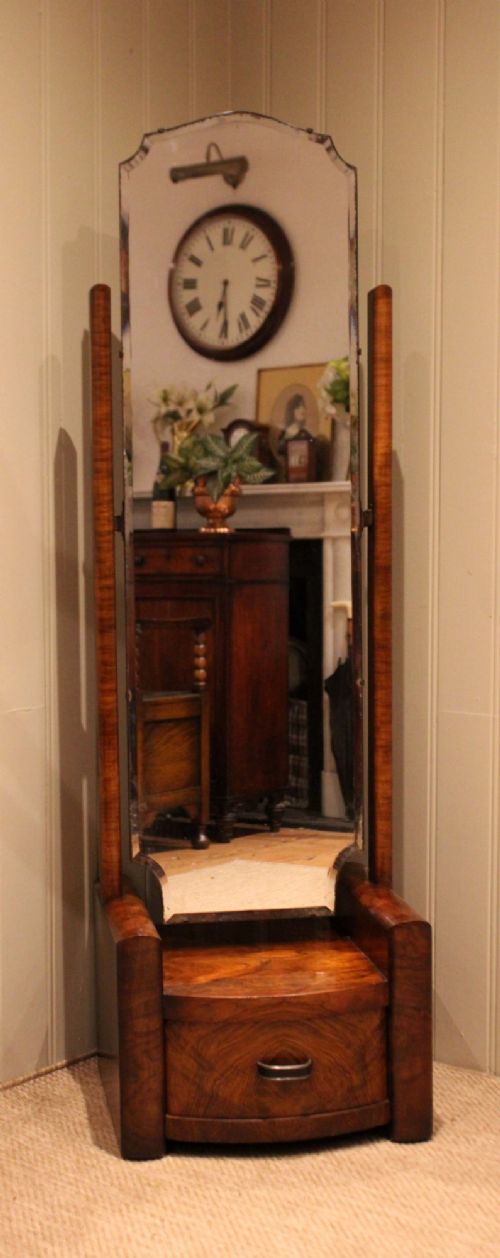
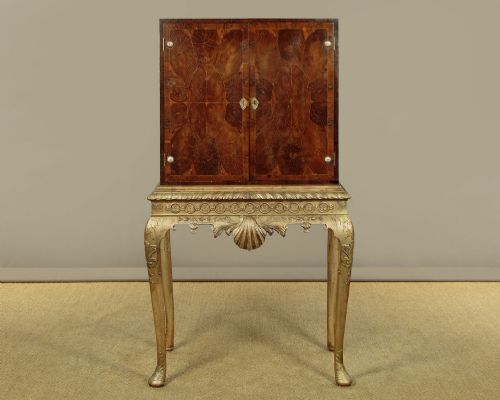
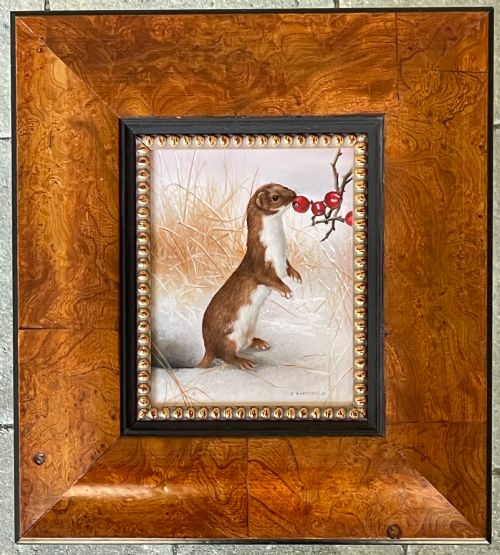
A walnut art frame encompasses timber surrounds designed to hold oil paintings, watercolours, sketches, engravings, and mirrors across various historical periods. When searching for this term, buyers encounter pieces fashioned from solid timber as well as decorative veneers.
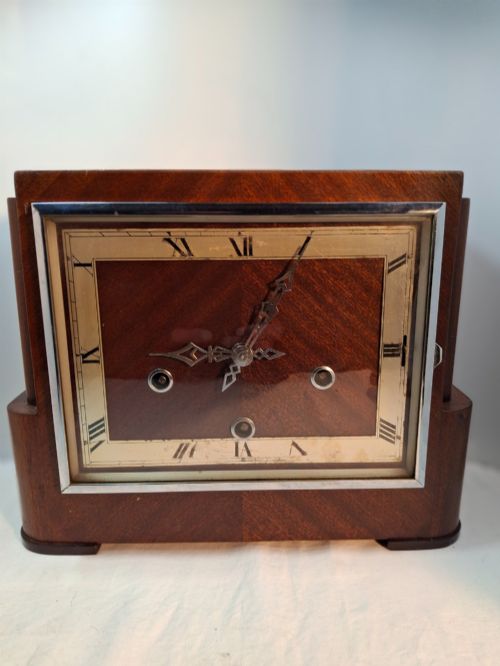
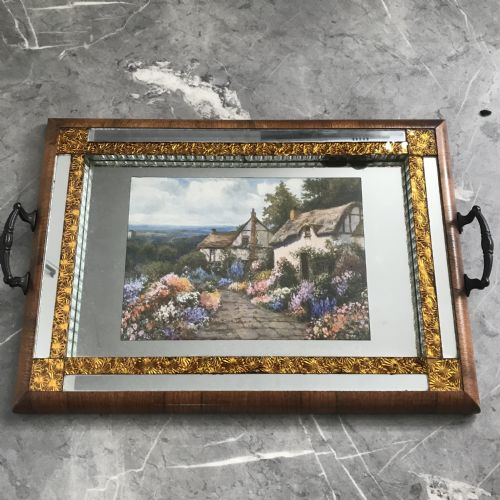
The selections span distinct stylistic eras, notably the clean geometries of Art Deco alongside earlier Edwardian, Victorian, and seventeenth-century examples. Alongside dedicated frames, the listings include framed artworks, prints, and mirrors where the timber housing forms an integral part of the piece.
Originating from diverse European workshops, these items utilise walnut's natural colour variations to complement pictorial works. The forms range from simple moulded profiles to carved architectural surrounds housing paper, canvas, or glass.
Materials and construction
Cabinet makers utilised solid walnut, burr walnut, and figured walnut veneers applied over secondary woods to create rich surface patterns. Timber selection determined the visual movement of the grain, particularly in twentieth-century examples where book-matched veneers created symmetrical patterns.
Joinery techniques combined traditional mitred corners with reinforced internal blocks to support the weight of heavy glass and canvas. Ebonising, carving, and contrasting inlay such as satinwood or bone added secondary decorative detail to the primary walnut structure.
Walnut Art Frame Retail Price Guide 2026
Typical asking prices for walnut art frame among the pieces listed under this phrase on Sellingantiques today, from the lower quarter to the upper quarter. They describe what is for sale here now, not the wider market.
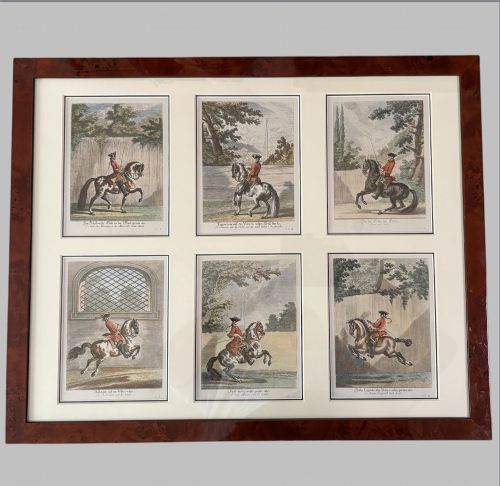
A seventeenth-century frame holds an equestrian engraving while another houses a nineteenth-century needlework sampler stitched by a twelve-year-old.
Distinguishing quality in walnut framing
Quality rests in the selection of the timber veneer and the crispness of any carved or moulded detailing. Heavily figured burr walnut and symmetrical grain arrangements signal superior cabinet work compared to plain, unselected stock.
The integrity of the mitres, the preservation of the original surface finish, and the depth of the timber patination separate standard production from exceptional examples. Original backing boards and undisturbed fixings further elevate the standing of an antique frame.
Waring and Gillow·Harry and Lou Epstein
The Walnut Art Frame Glossary
- Veneer
- A thin slice of superior walnut timber applied to a stable core wood to provide a decorative surface without structural distortion.
- Ebonising
- The process of treating wood to imitate ebony, frequently utilised on nineteenth-century and Art Deco frames to create stark visual contrast.
- Mitre
- A joint formed by bevelating two pieces of timber at an angle, typically forty-five degrees, to form a corner on a picture frame.
Walnut Art Frame: Frequently Asked Questions
How do I date a walnut frame?
Dating relies upon stylistic markers, construction methods, and the type of timber preparation visible on the reverse. Twentieth-century pieces often display machine-cut elements, whereas seventeenth and eighteenth-century examples reveal hand-worked tool marks.
Secondary woods used in the carcase also offer clues to geographic origin and era. Examining the fixings and assembly reveals whether a frame belongs to the Art Deco period or earlier centuries.
Can I hang a heavy mirror in these frames?
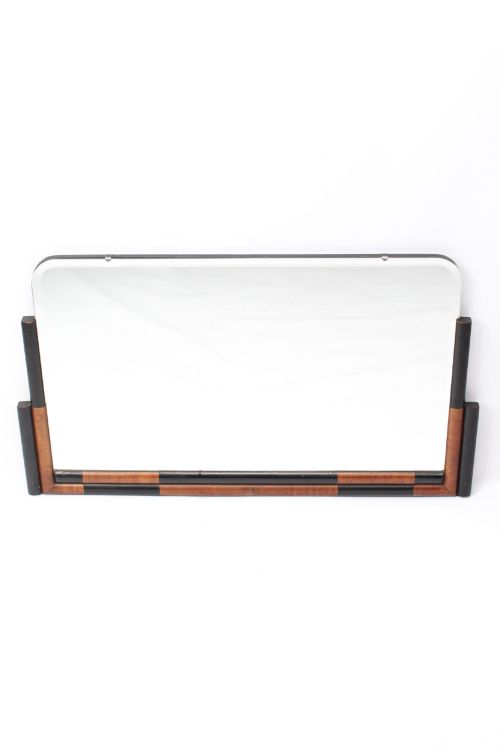
Many of these pieces are built to house substantial mirrors or oil paintings, utilising robust timber construction and secure corner joints. However, the weight of historical glass requires professional assessment of the hanging wire and wall fixings.
Checking the structural integrity of the internal rebate ensures the timber safely supports the glass or canvas. Solid walnut provides good durability when paired with appropriate wall brackets.
What is figured walnut?
Figured walnut describes timber displaying natural irregularities, waves, or ripples in the grain structure that catch the light differently. Cabinet makers selected these specific cuts for prominent display on frames and cabinet fronts.
This distinct visual movement distinguishes figured boards from straight-grained timber. It adds depth and texture to the surface of decorative woodwork.
How should I clean antique walnut?
Maintenance requires gentle dusting with a soft, dry cloth to prevent particulate buildup on the timber surface. Avoid modern chemical polishes, which can degrade historical wax and shellac finishes over time.
Applying microcrystalline wax periodically helps nourish the dry wood and preserves the natural lustre of the grain. Keeping pieces away from direct sunlight and radiators prevents the timber from warping or splitting.