




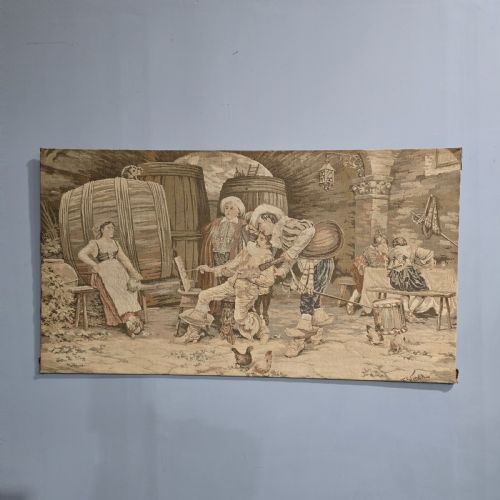
Wall Hanging Sign
A wall hanging sign brings instant character to a room, offering a tangible piece of commercial history for your walls.
Wall Hanging Sign
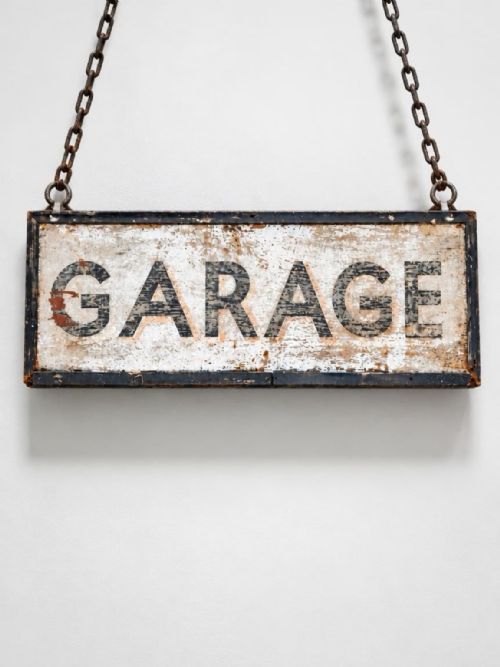
When you search for a wall hanging sign, you encounter utilitarian items created to advertise trades, direct customers, or display public notices. These pieces span the nineteenth and early twentieth centuries, capturing the aesthetic of Victorian and Edwardian commerce.
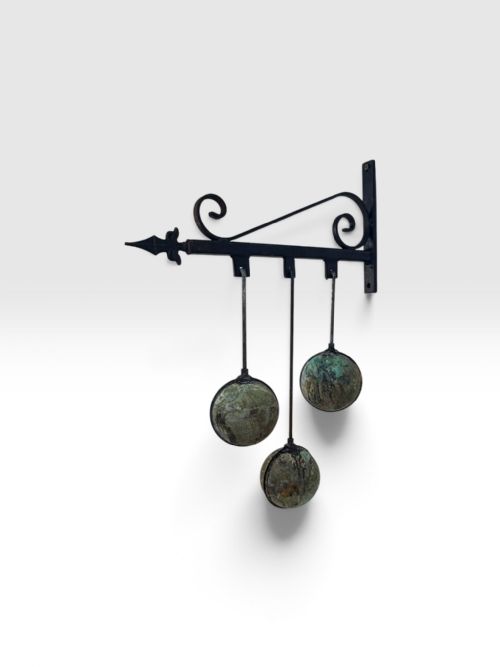
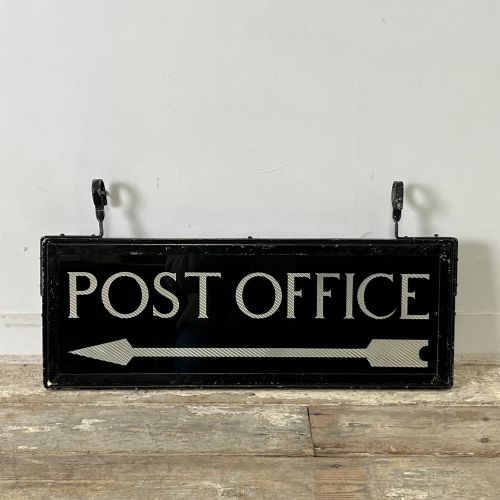
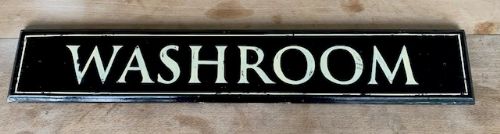
The selections on this page lean heavily towards trade signs, shop displays, and directional markers. You will find items fashioned from wood, glass, and metal, reflecting the practical needs of past businesses and institutions.
How they were made
Materials such as wood, iron, copper, and glass form the backbone of these objects, shaped by traditional hand-painting and metalworking techniques. Artisans utilised wrought iron for sturdy sign brackets and carved wood or sheet metal for the main body of the trade displays.
Surfaces often feature hand-painted lettering, glazed panels, or cast details that demonstrate durable craftsmanship built to withstand outdoor environments. Silk and paper elements also appear within framed textile pieces and paper signs.
Wall Hanging Sign Retail Price Guide 2026
Typical asking prices for wall hanging sign among the pieces listed under this phrase on Sellingantiques today, from the lower quarter to the upper quarter. They describe what is for sale here now, not the wider market.
A galloping horse sheet metal piece leaps through the decades alongside watchful pharmacy and pawnbroker markers.
What varies in quality
The distinction between ordinary utility and superior quality rests in the crispness of the original hand-painted lettering and the integrity of the materials. Pieces that retain their original paint surfaces without heavy modern repainting carry greater visual honesty.
Structural elements such as forged iron brackets and double-sided glass housings also dictate the refinement of an object. Finer examples show careful attention to proportions and surviving patination that reflects decades of exposure.
The Wall Hanging Sign Glossary
- Trade sign
- A board or sculptural object hung outside a shop or business to advertise the proprietor's profession. These items utilise symbols or clear lettering so literate and illiterate customers alike could identify the trade.
- Double sided
- A construction where the sign displays information on both faces to catch foot traffic from opposing directions. This format is common in street-facing pharmacy and post office markers.
- Wrought iron
- Iron that has been heated and worked with tools by a blacksmith to create durable brackets and scrollwork. This material provides the necessary strength to suspend heavy signs outdoors.
- Armorial plaque
- A decorative panel displaying heraldic bearings or coats of arms. These cast iron or metal pieces often denoted official status or lineage.
- Portiere
- A hanging curtain placed over a door or doorway to prevent drafts. Examples include woven textile items used as decorative wall hangings.
Wall Hanging Sign: Frequently Asked Questions
How were wall hanging signs originally mounted?
These signs typically suspended from iron brackets bolted directly into exterior brickwork or wooden shop fronts. The projecting design ensured pedestrians walking along the street could spot the business from a distance.
Today, hanging a similar piece indoors requires secure fixings into wall studs or masonry to support the weight of the wood, glass, and iron components safely.
What trades do these signs represent?
The selections encompass a range of historical professions including pawnbrokers, post offices, chemists, and painters. Each trade utilised distinct symbols or clear lettering to broadcast their specific services to the public.
Collecting these objects allows you to trace the visual language of past high streets and commercial districts.
How do I clean an antique painted sign?
Maintenance requires only gentle dusting with a dry microfibre cloth to protect fragile aged paint surfaces. Avoid liquid cleaners, harsh chemicals, or abrasive pads that can lift or dissolve historic lettering.
Preserving the original patina ensures the piece maintains its historical character and visual depth.
Can these signs be hung outdoors today?
Most antique signs are best suited for interior display due to decades of natural ageing and vulnerability to modern weather conditions. Moisture and frost can accelerate the decay of exposed wood, glass, and iron.
Exhibiting them inside protects fragile painted surfaces and textiles from environmental degradation.