
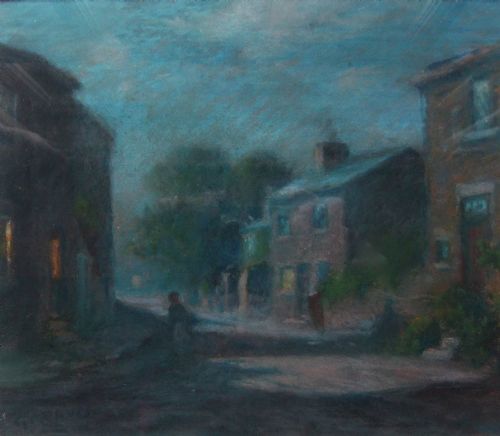


Vintage Yorkshire Painting
A vintage yorkshire painting captures the rugged dales, quiet harbours and stone villages of the north through the eyes of artists working across the early to mid twentieth century.
Vintage Yorkshire Painting
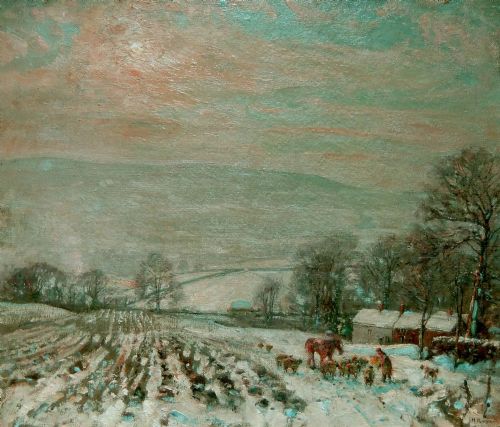
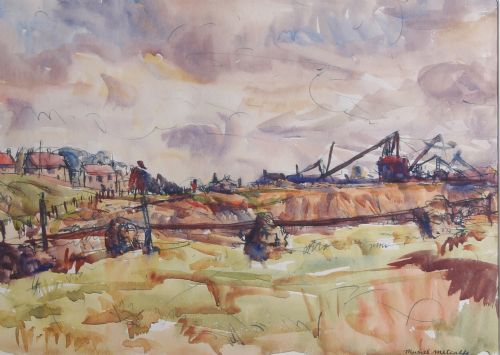
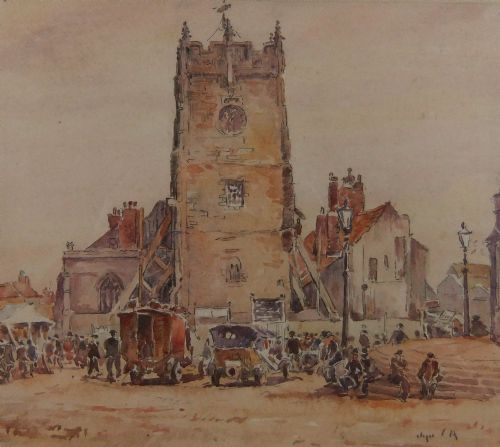
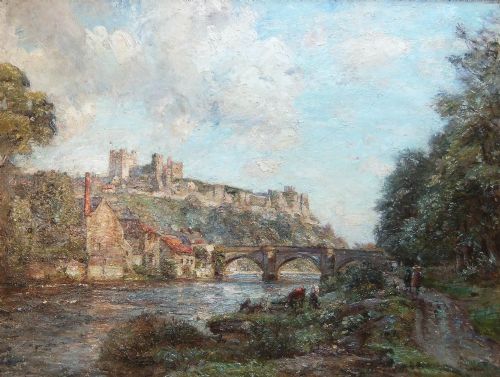
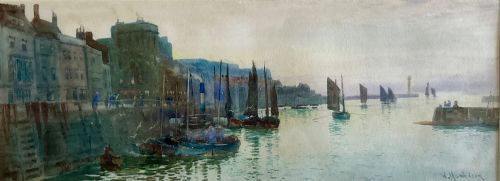
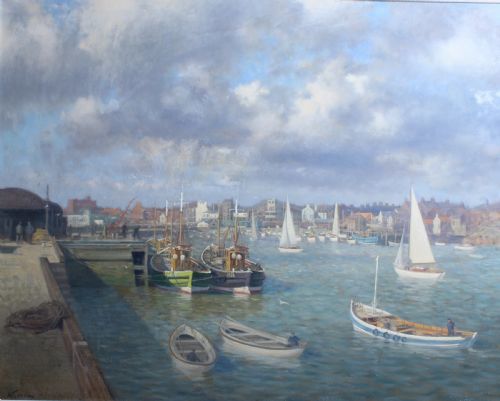
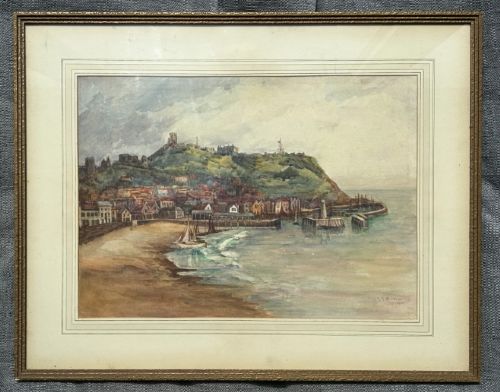
When you search for a vintage yorkshire painting, you encounter original watercolours, oils and pastels depicting local landmarks from Whitby harbour to Wharfedale. These works span Edwardian romanticism through to mid-century modern interpretations of northern landscapes.
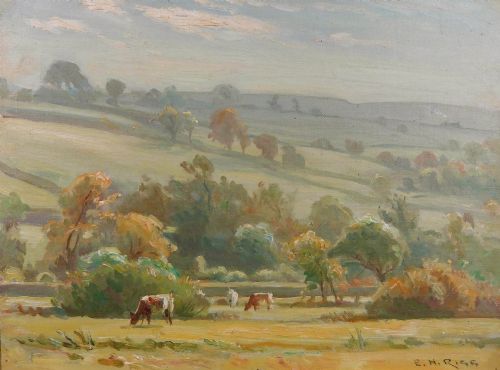
Most pieces on this page originate from regional artists recording rural farmsteads, coastal fishing villages and sweeping moorland views. The selection balances coastal marine scenes with inland dales and townscapes.
The subjects range from tranquil river valleys near Bolton Abbey to bustling harbour scenes at Staithes and Scarborough. Each piece preserves a specific location as it appeared decades ago.
How they were made
Artists worked primarily in oil paint on canvas, panel or board, and in watercolour pigment on paper. Oils allowed for rich, textured impasto on moorland scenes, while watercolours captured the translucent light of coastal skies.
Many works were painted on location outdoors, capturing direct observations of weather and light across the dales. Studio pieces were later developed from initial plein-air sketches and watercolours.
Supports include stretched canvas, artist boards and heavy watercolour paper, occasionally finished with pastel or pen and wash details.
Listings feature works created between 1890 and 1960, executed in oil paint, watercolour and pastel on canvas, paper and board.
What varies in quality
The strength of a composition distinguishes an exceptional painting from a standard topographical record. Stronger pieces use confident brushwork and tonal contrast to convey the atmosphere of the Yorkshire weather.
Artist reputation and exhibition history elevate certain works within the regional school. Pieces by established members of northern art circles demonstrate superior handling of light and pigment.
Herbert Royle·Ernest Higgins Rigg·Owen Bowen·Fred Lawson·Lewis Creighton·Angus Rands
The Vintage Yorkshire Painting Glossary
- Watercolour
- A paint consisting of colour suspended in a water-soluble vehicle. It is traditionally applied to paper to achieve luminous, transparent washes of colour.
- Impasto
- The process of laying on paint thickly so that it stands out from the surface. This technique adds tactile dimension and texture to oil paintings of northern landscapes.
- Plein-air
- The act of painting outdoors to capture direct natural light and atmosphere. Artists utilised this method extensively along the Yorkshire coast and moors.
- Diptych
- A painting divided into two distinct sections or panels. Examples on this page record paired views of Whitby landmarks.
Vintage Yorkshire Painting: Frequently Asked Questions
What subjects appear most often?
Coastal harbours, fishing boats and cliff-top villages dominate the maritime views from places like Whitby and Staithes. Inland scenes focus on stone farmsteads, sheep grazing on heather moors and river valleys in Wharfedale.
Townscapes and rural bridges also feature frequently across works by regional artists recording local landmarks.
How do I care for these paintings?
Keep works out of direct sunlight to prevent watercolour pigments from fading and oil paints from yellowing. Maintain stable room temperatures to protect wood panels and canvas from warping.
Display watercolours behind glass with conservation mounts to protect the paper from airborne pollutants and moisture.
Are these works original?
Every painting listed is an authentic original work created by hand rather than a modern reproduction or print. Artists applied oil, watercolour or pastel directly to canvas, board or paper.
Many pieces bear the original signature of the artist, and some retain exhibition labels or studio provenance on the reverse.
How do I identify the period?
Stylistic clues such as Edwardian impressionism or mid-century palette choices help date the execution of the painting. Dated signatures and titled frames often provide precise historical context.
The supporting materials, such as early twentieth-century artist boards and backing papers, also indicate the era of creation.