


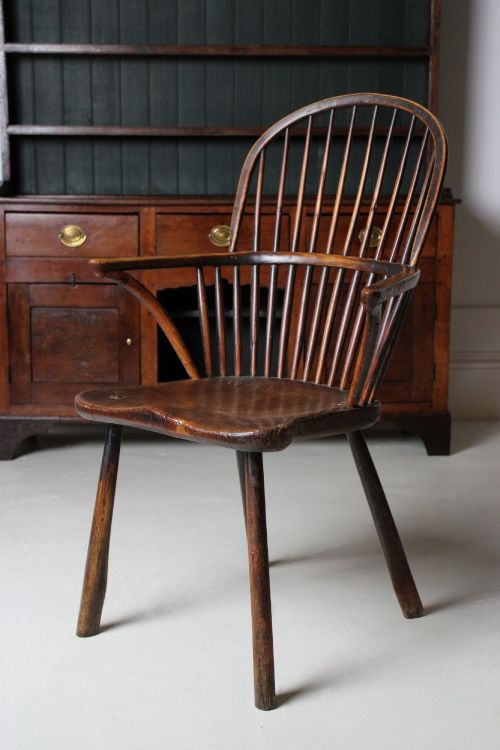


Vintage Yew Seat
A vintage yew seat brings substantial English country character and tactile warmth to an interior through traditional Windsor forms.
Vintage Yew Seat
When searching for a vintage yew seat, you encounter classic English country vernacular furniture rooted in centuries of rural craftsmanship. The pieces available span periods from the Georgian era through the Victorian age up to the early twentieth century.
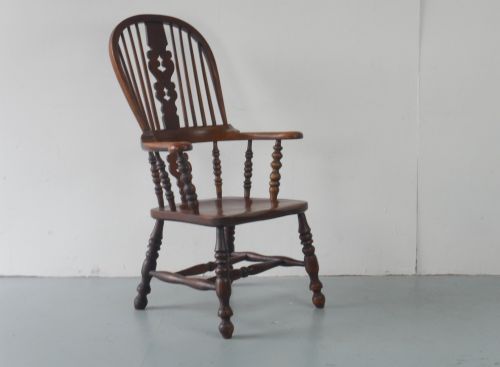
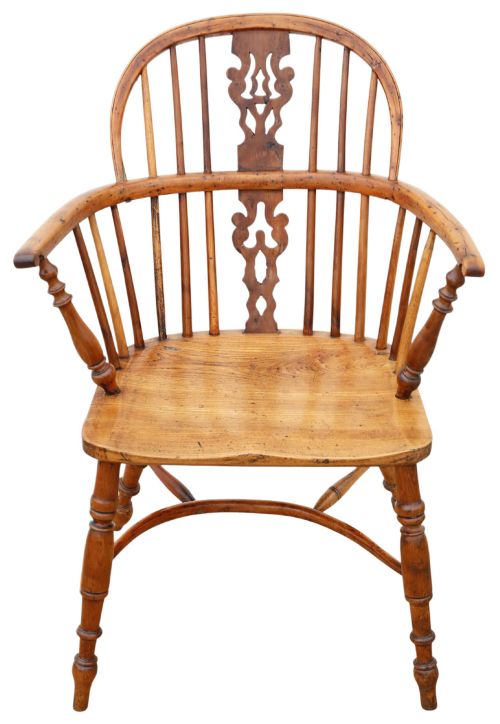
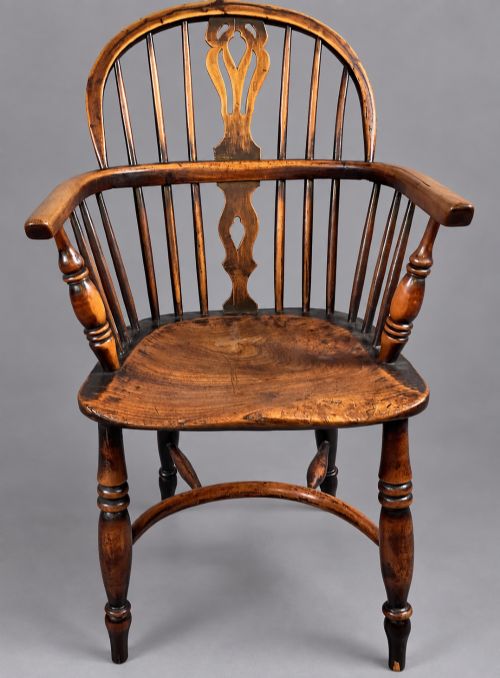
The most common form you meet on this page is the Windsor armchair, often constructed with a distinctive combination of timbers. Alongside armchairs, listings include child chairs, rocking chairs, stools, and dining chairs.
Origins stretch across regional English workshops, including Thames Valley makers who produced distinctive highback and broad arm variations. These seating options served practical daily functions in farmhouses and country houses before becoming sought-after decorative antiques.
Materials and construction methods
Makers utilised contrasting native timbers, pairing figured yew wood with elm for solid saddle seats and ash or beech for structural spindles and legs. This multi-wood construction exploited the specific mechanical properties of each tree to ensure durability under heavy domestic use.
Traditional bodging techniques involved turning components on pole lathes in woodland clearings before assembling them with wedged tenons and through-joints. Artisans shaped thick elm planks into comfortable saddle seats by hand using adzes and scutches.
Vintage Yew Seat Retail Price Guide 2026
Typical asking prices for vintage yew seat among the pieces listed under this phrase on Sellingantiques today, from the lower quarter to the upper quarter. They describe what is for sale here now, not the wider market.
Early chair bodgers worked outdoors in freezing winter woods, relying on friction-lit fires to keep their glue pots warm while turning green timber.
Distinctions in craftsmanship and design
The highest tier of these chairs displays rich natural figuring in the yew wood and generous proportions, particularly in broad arm and highback examples. Finer specimens exhibit sophisticated turning on the legs and spindles, alongside sculpted arm terminals and well-defined cabriole or crinoline stretcher arrangements.
Simpler pieces intended for everyday utilitarian purposes utilise plainer grain patterns and more basic structural forms with minimal decorative turning. The visual depth of the timber and the harmony of the overall proportions ultimately dictate the standing of an individual piece.
The Vintage Yew Seat Glossary
- Windsor chair
- A wooden chair built with a heavy plank seat into which the legs and back spindles are separately bored and wedged. This sturdy construction method originated in rural England.
- Broad arm
- An armchair featuring an extended, paddle-like wooden armrest designed for writing or comfort. These expansive arms showcase the decorative grain of the yew wood.
- Carver elbow-chair
- An armchair traditionally placed at the head of a dining table or used as a desk chair. These pieces often feature matching side chairs in a larger set.
- Draught back
- A chair design featuring a curved or hooped upper back intended to deflect cold air away from the sitter. This functional vernacular feature enhances comfort near open fireplaces.
Vintage Yew Seat: Frequently Asked Questions
How do I care for a yew wood chair?
Feed the timber periodically with a traditional beeswax polish to maintain its natural lustre and prevent the wood from drying out. Keep the seat away from direct heat sources and dramatic humidity fluctuations to protect the historical joints.
Dust the spindles and carved sections gently with a soft dry cloth. Avoid harsh chemical cleaners that strip the historic patina accumulated over the centuries.
Were these chairs used at dining tables?
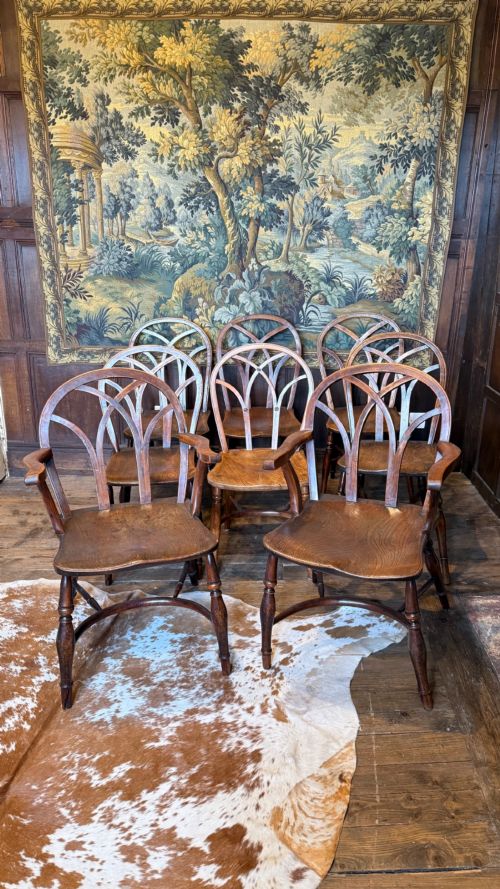
Many examples served as fireside or desk seating rather than formal dining chairs due to their substantial physical dimensions and solid wooden seats. Sets of multiple chairs did exist for larger country house dining rooms, though single armchairs were far more common.
Individual armchairs often functioned as principal seats for the head of the household. Smaller variations and child chairs were built specifically for younger family members in domestic settings.
What is a Thames Valley Windsor chair?
Thames Valley chairs represent a refined regional tradition known for exceptionally elegant turning, high combs, and superior yew wood selection. Makers in this area produced sophisticated seating that commanded higher status in prosperous country homes.
These pieces frequently incorporate cabriole legs and elaborate splats within the hooped back. Their refined execution sets them apart from more rustic provincial equivalents.
How do I distinguish between Georgian and Victorian examples?
Georgian versions typically display lighter proportions, finer spindle turnings, and a deeper reddish-brown patination developed over longer exposure to light and air. Victorian pieces often feel heavier in the hand and may feature more pronounced Gothic Revival influences or steam-bent components.
Regional vernacular styles continued across both periods, making timber selection and tool marks reliable indicators of age. Examining the underside of the elm seat reveals construction clues left by the original maker.