



Vintage Yellow Settee
A vintage yellow settee brings warmth and period character to a room, offering comfortable seating wrapped in rich textiles and time-worn frames.
Vintage Yellow Settee
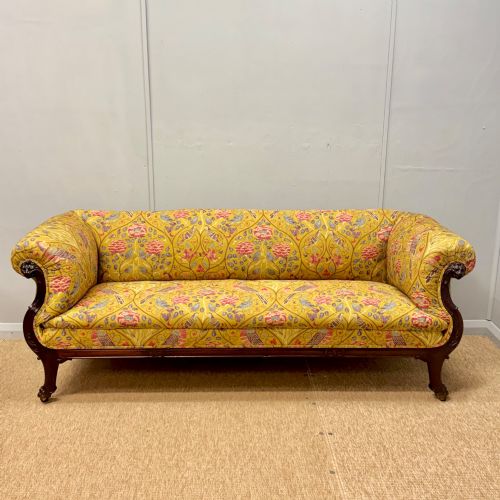
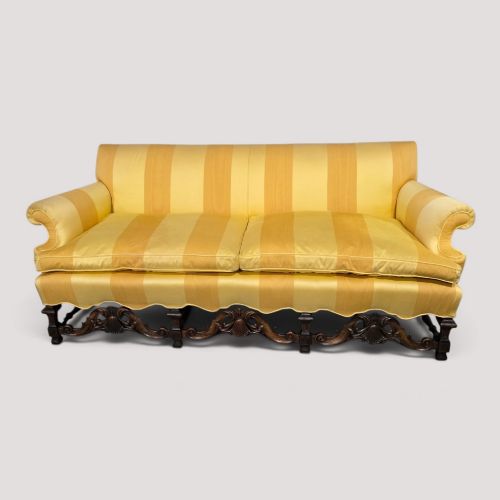
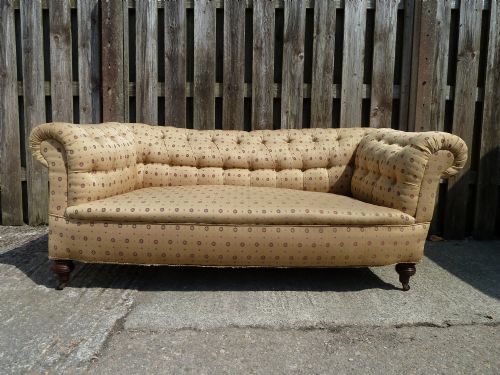
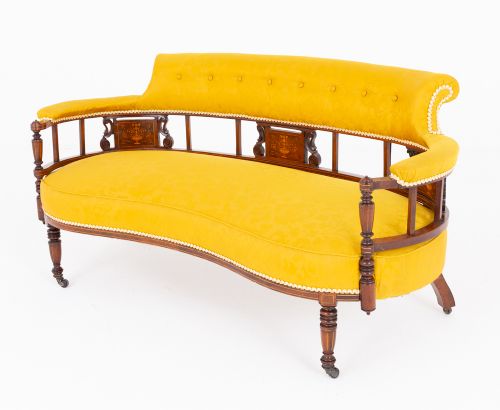
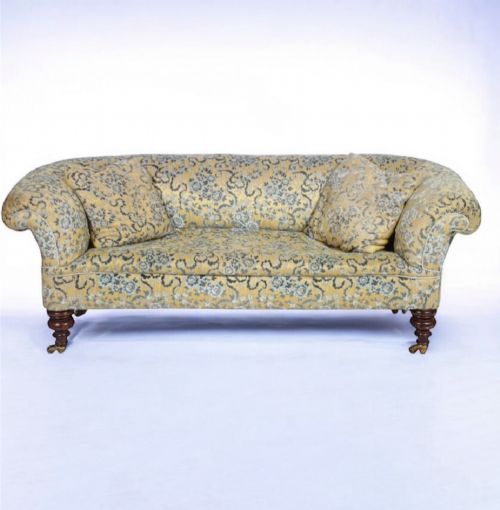
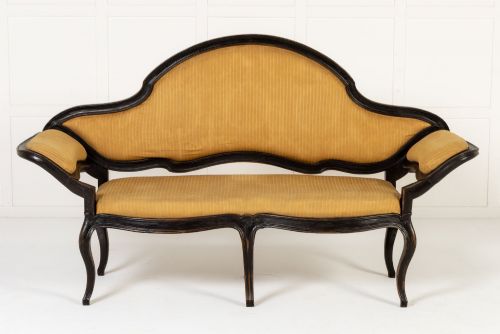
A vintage yellow settee encompasses a broad sweep of historical seating, spanning from eighteenth-century Italian ebonised frames to nineteenth-century Victorian chesterfields and early twentieth-century walnut designs. When you search for a vintage yellow settee, you encounter varied forms including French gilt two-seat sofas, knole sofas, and English country house styles dressed in damask, velvet, and quilted upholstery. These pieces serve as functional seating while introducing vibrant colour and historical presence to domestic interiors.
The materials and frameworks vary considerably across the selection, featuring exposed woods like mahogany, walnut, rosewood, oak, and fruitwood alongside embellished brass details. Upholstery choices dominate the visual impact, ranging from gold damask and William Morris fabrics to standard textile coverings in warm yellow tones. Such settees range from intimate two-seater configurations to larger nineteenth-century framing, reflecting the distinct aesthetic preferences of the Victorian, Edwardian, and Regency eras.
How they were made
Makers constructed these settees using sturdy hardwood frames of walnut, mahogany, oak, and fruitwood, often employing carved decoration, turned legs, and inlaid satinwood or ebonised finishes. Structural joinery and solid timber framing ensured longevity, supporting ornate styles such as Baroque Revival, Italian Rococo, and Louis XVI.
Upholstery techniques involved traditional layering of textiles like velvet, damask, and quilted fabrics over sprung or padded bases. Exposed wooden elements received careful finishing, from French gilt application to polished fruitwood and rosewood surfaces.
Vintage Yellow Settee Retail Price Guide 2026
Typical asking prices for vintage yellow settee among the pieces listed under this phrase on Sellingantiques today, from the lower quarter to the upper quarter. They describe what is for sale here now, not the wider market.
Listings feature eighteenth-century, nineteenth-century, and twentieth-century periods, utilising walnut, mahogany, fabric, velvet, damask, and brass.
What varies in quality
The standard of a settee rests in the integrity of its wooden frame, the crispness of any carved detailing, and the depth of the timber selection such as figured walnut or rich mahogany. Superior examples maintain structural stability in their turned legs and joints without excessive past alteration.
Quality also shows in the execution of the upholstery and the choice of textile, where rich damask, velvet, or specialised period cloth sits harmoniously with the proportions of the frame. Finer pieces display balanced proportions and refined stylistic adherence to periods like the Regency or Victorian eras.
The Vintage Yellow Settee Glossary
- Chesterfield sofa
- A distinctive deep-buttoned upholstered sofa style, often featuring rolled arms of equal height to the back.
- Knole sofa
- A historic seating form characterised by adjustable hinged or pegged arms that can be raised or lowered.
- Damask
- A reversible figured fabric woven on a jacquard loom, frequently utilised for formal upholstery.
- Satinwood
- A durable, lustrous timber from tropical trees, often used for decorative inlays on cabinet furniture and seating frames.
Vintage Yellow Settee: Frequently Asked Questions
How do I clean the upholstery?
Maintenance depends entirely on the specific textile used on the frame, whether it is velvet, damask, or quilted fabric.
Consult a professional textile restorer to preserve older or delicate period materials safely.
Can I use these settees daily?
Most sturdy wood-framed settees from the nineteenth and early twentieth centuries tolerate regular domestic use quite well.
Heavier everyday wear requires checking the underlying frame and upholstery support for stability.
How do I date a wooden frame?
Dating relies on examining the timber species, joinery methods, and characteristic stylistic details of periods like the Victorian or Regency eras.
Turned legs, carved motifs, and wood types such as mahogany or walnut offer reliable chronological clues.
Where did knole sofas originate?
Knole settees take their name from Knole House in Kent, originating as large seventeenth-century seats designed for state rooms.
Later Victorian interpretations adapted this grand heritage into more manageable domestic seating forms.