



Vintage Yellow Lounge Chairs
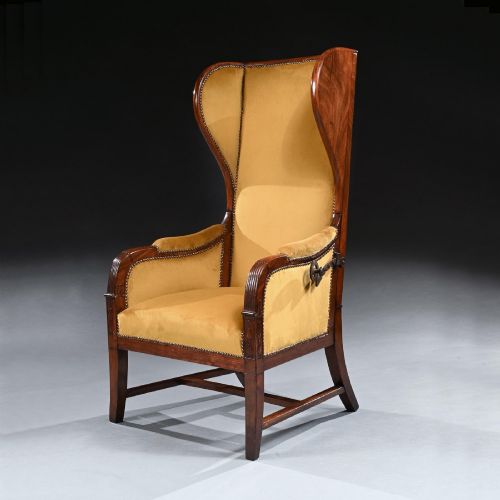
These vintage yellow lounge chairs bring warmth and comfort to a room, offering robust seating shaped across centuries of British design.
Vintage Yellow Lounge Chairs
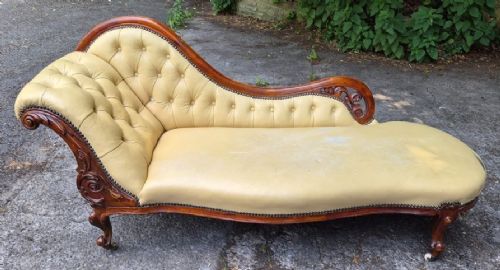
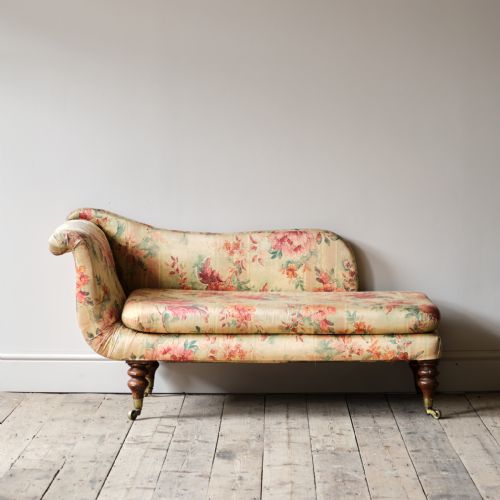
When you search for vintage yellow lounge chairs, you encounter a selection of seating forms originating from periods including the Victorian era, Edwardian years, and the 1930s. The listings encompass substantial armchairs, club chairs, and chaise longues rather than solely modern interpretations.
The assortment on this page draws on traditional English forms, ranging from mahogany framed chaises to deep-seated country house armchairs and Art Deco elm and birch lounge armchair pairs. These pieces combine historical woodwork with upholstered finishes suited to domestic relaxation.
How they were made
Makers shaped these frames from dense hardwoods like mahogany, satinwood, elm, and birch, often incorporating brass details such as claw and ball feet. Traditional joinery underpins the structural integrity of each armchair and settee.
Upholstery relies on historic textiles including damask, leather, and various fabrics stretched over sprung or padded interiors. Carved ornamentation marks the woodwork on Victorian and Edwardian examples.
Vintage Yellow Lounge Chairs Retail Price Guide 2026
Typical asking prices for vintage yellow lounge chairs among the pieces listed under this phrase on Sellingantiques today, from the lower quarter to the upper quarter. They describe what is for sale here now, not the wider market.
Some chairs arrive with brass claw and ball feet, ready to grip your carpet with literal historical conviction.
What varies in quality
Quality rests in the crispness of the timber carving, the integrity of the frame construction, and the fidelity of the period style. Pieces exhibiting refined proportions and intact original woodwork stand apart from simpler iterations.
The standard of upholstery materials and the execution of historical details, such as inlaid satinwood or shaped mahogany frames, dictate the distinction between standard workshops and finer cabinet-making traditions.
The Vintage Yellow Lounge Chairs Glossary
- Chaise longue
- An upholstered long chair for reclining, combining a chair and a footstool into a single piece of furniture. These often feature carved wooden frames and single elevated backrests.
- Settee
- A small upholstered sofa designed for two or more occupants, frequently featuring wooden frames from periods such as the Edwardian era or the early twentieth century.
- Satinwood
- A durable, lustrous timber native to Ceylon and India, used extensively for fine inlay work on late nineteenth and early twentieth-century seating.
- Wingback armchair
- A seating form featuring protective wings attached to the back and arms to shield the sitter from drafts, common in traditional English interiors.
Vintage Yellow Lounge Chairs: Frequently Asked Questions
What periods do these chairs represent?
The selection spans multiple eras, including Victorian, Edwardian, Regency, and 1930s Art Deco pieces. Each period contributes distinct framing techniques and stylistic flourishes.
Craftsmanship evolves from heavy mahogany carving in earlier centuries to streamlined elm and birch constructions by the 1930s.
How do I care for antique upholstery?
Maintenance depends on whether the covering consists of leather, damask, or standard upholstery fabric. Regular gentle dusting preserves the integrity of older textiles.
Keep wooden frames polished and protect leather surfaces from direct sunlight to prevent drying and cracking over time.
Where were these seating pieces used?
Historically, these chairs and chaises filled drawing rooms, studies, and grand country house libraries. They served as comfortable spots for reading and formal lounging.
Today, they transition easily into modern living spaces as focal seating arrangements.
How do I identify a Victorian armchair?
Victorian examples typically display dark hardwoods like mahogany, deep buttoning, and prominent hand-carved details. Spoon-backed frames and robust proportions are common markers.
Compare the woodwork style and upholstery methods against documented examples from the nineteenth century to confirm the era.