





Vintage X Frame Stool
These vintage x frame stool examples combine practical seating with classical cross-leg architecture spanning nineteenth-century and later periods.
Vintage X Frame Stool
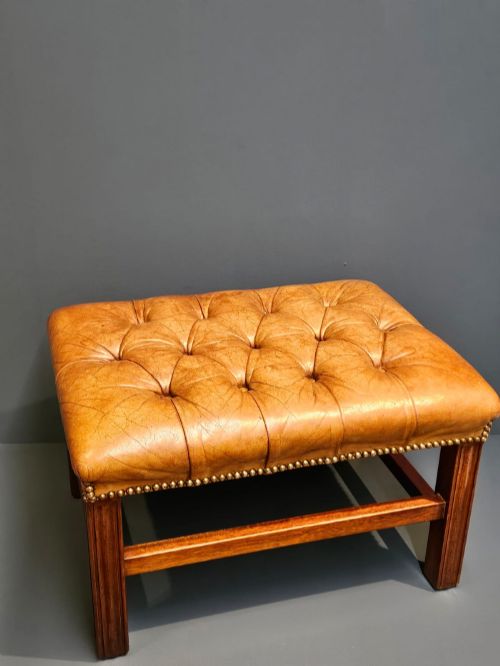
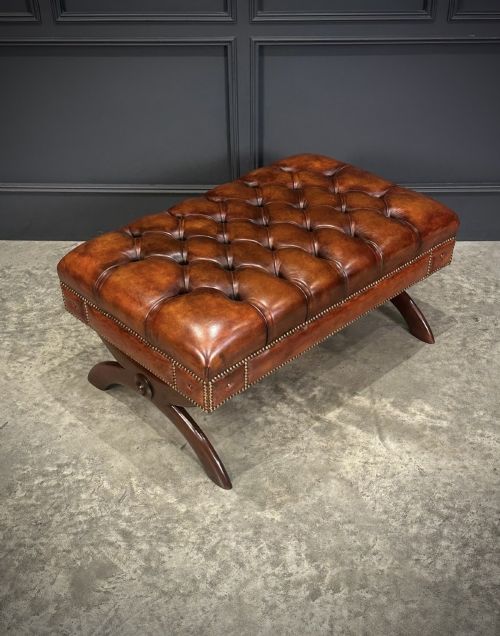
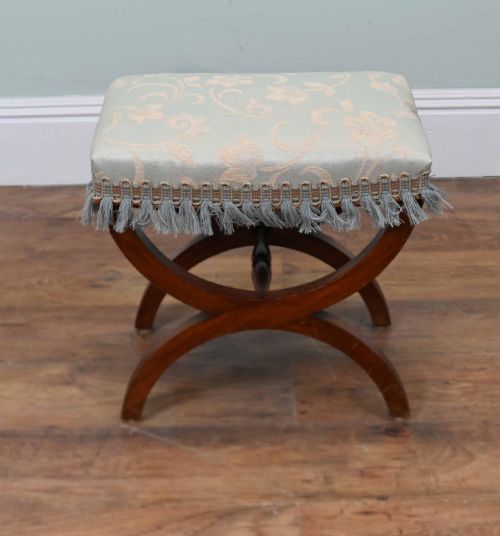
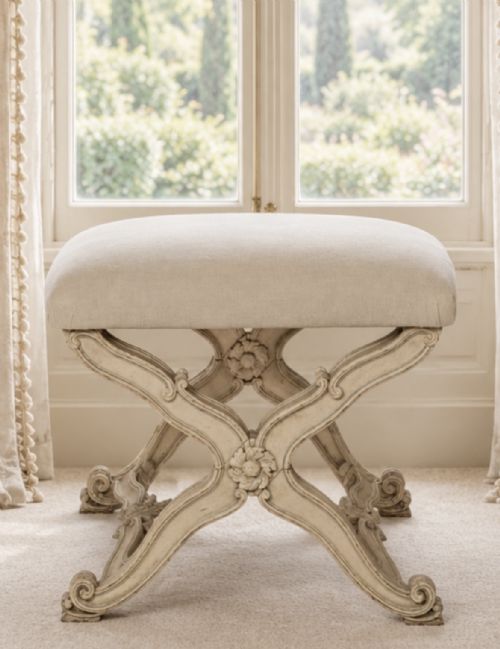
A vintage x frame stool provides a sturdy, cross-legged seating form that draws on classical curule designs adapted across nineteenth-century and early twentieth-century periods. These versatile items appear in various guises, including compact footstools, dressing stools, and larger ottoman forms designed for domestic interiors.
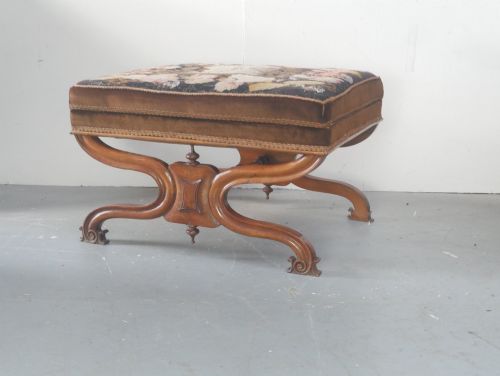
Buyers seeking a vintage x frame stool will encounter examples fashioned in rich timbers such as mahogany, walnut, and rosewood, often paired with traditional textile coverings. The selection ranges from restrained Regency-influenced pieces to ornate Victorian iterations and later twentieth-century interpretations.
Materials and construction
Cabinetmakers constructed these frames using dense hardwoods like mahogany, walnut, rosewood, and oak, shaping the intersecting side supports to distribute weight evenly across the cross joints. Brass accents and gilded finishes occasionally reinforce the structural stress points while adding decorative contrast to the dark timber grain.
Vintage X Frame Stool Retail Price Guide 2026
Typical asking prices for vintage x frame stool among the pieces listed under this phrase on Sellingantiques today, from the lower quarter to the upper quarter. They describe what is for sale here now, not the wider market.
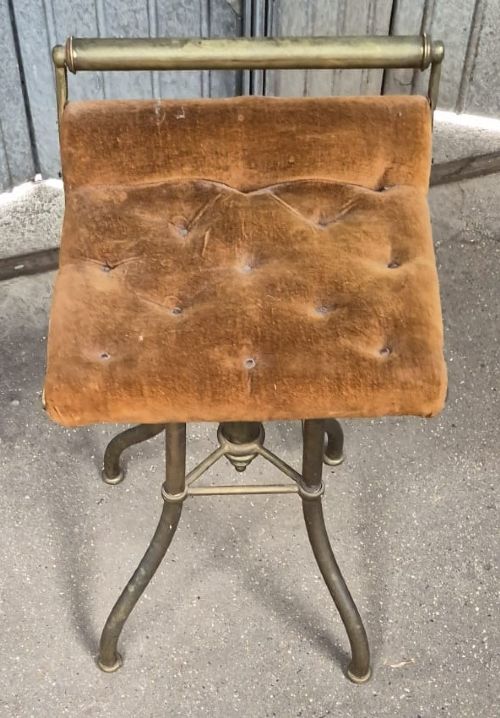
Musicians occasionally required specialised seating, as demonstrated by brass-framed seats built specifically for harpists.
Judging quality in construction and finish
Superior examples demonstrate meticulous joinery at the crucial intersection of the intersecting leg members, ensuring the frame remains rigid under heavy use. Finer pieces often display crisp hand-carved detailing along the wooden rails rather than simple moulded profiles.
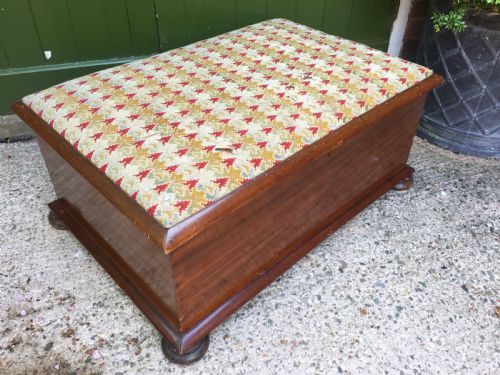
The choice of covering material and the precision of the upholstery work also set better items apart from standard utility seating. Original needlework tops and aged leather retain greater historical integrity than modern replacement textiles.
Miles & Edwards
The Vintage X Frame Stool Glossary
- X-frame
- A structural furniture design featuring intersecting legs that form an X shape from a side profile. This ancient configuration provides inherent stability and appears frequently in classical revival seating.
- Curule stool
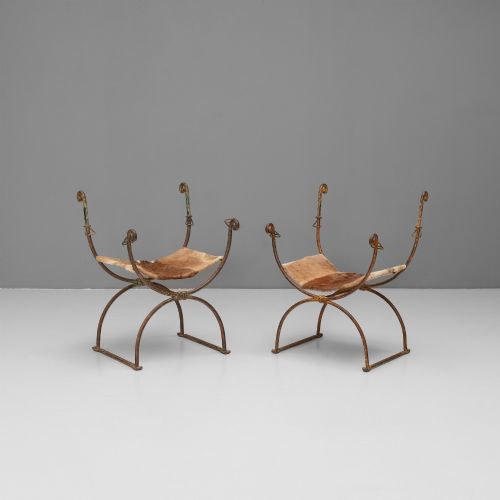
- An ancient Roman magistrate seat design featuring two curved legs intersecting in the centre. Later revival periods adopted this folding or fixed cross-leg geometry for formal domestic stools.
- Gros-point
- A heavy, counted-thread needlework technique utilising wool yarn on coarse canvas. This durable stitch frequently creates intricate floral or geometric patterns on period stool tops.
- Kilim
- A flatwoven textile originating from the Middle East and southeastern Europe. These sturdy wool flatweaves provide durable and colourful upholstery for nineteenth-century footstools.
- Ebonised
- Timber treated with chemical or pigment processes to resemble ebony wood. Cabinetmakers utilised this dark, uniform finish to achieve a sleek, formal appearance on nineteenth-century frames.
Vintage X Frame Stool: Frequently Asked Questions
Where should I place an x frame stool?
These compact seats fit easily at the foot of a bed, beside a fireplace, or positioned in front of a dressing table. Their low profile ensures they do not block sightlines across a room.
They also function effectively as impromptu side tables when topped with a rigid tray, combining decorative presence with practical utility.
How do I care for antique wood and upholstery?
Protect the wooden frames by applying appropriate furniture wax sparingly and keeping them away from direct heat sources and strong sunlight. Regular dusting with a soft, dry cloth preserves the polished surface.
Upholstered sections benefit from gentle surface brushing and professional cleaning when required to maintain the integrity of historic textiles like tapestry or leather.
How do I identify a nineteenth-century piece?
Examine the timber species, construction joinery, and wear patterns on the underside of the frame. Nineteenth-century examples frequently utilise solid mahogany, rosewood, or walnut with traditional hand-cut joinery methods.
Period upholstery methods, including horsehair stuffing and hand-tacked webbing, further confirm the age and authenticity of older specimens.
Can these stools support everyday sitting?
Solidly constructed hardwood frames with tight joints easily withstand daily use as regular seats or footstools. Checking the stability of the central X-frame intersection ensures the piece remains structurally sound.
Softer woods or highly decorative antique frames with delicate carvings are better suited for lighter seating duties or display purposes.