



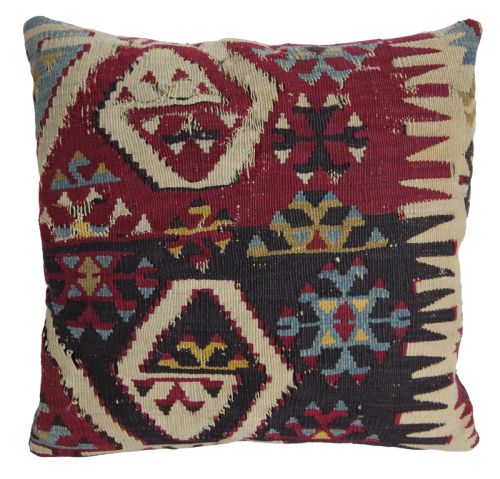

Vintage Wool Throw
A vintage wool throw brings warmth and heavy texture to a room, offering tactile comfort from past decades.
Vintage Wool Throw
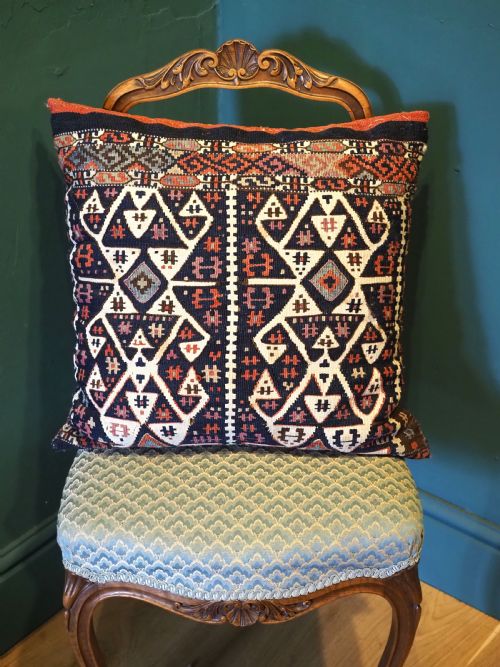
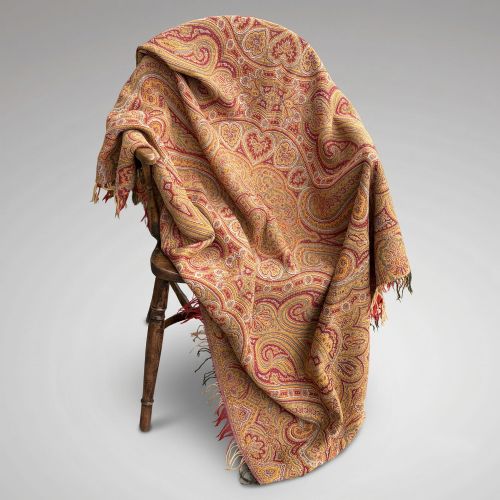
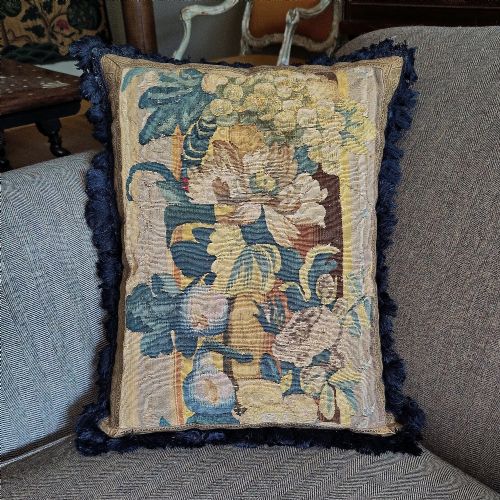
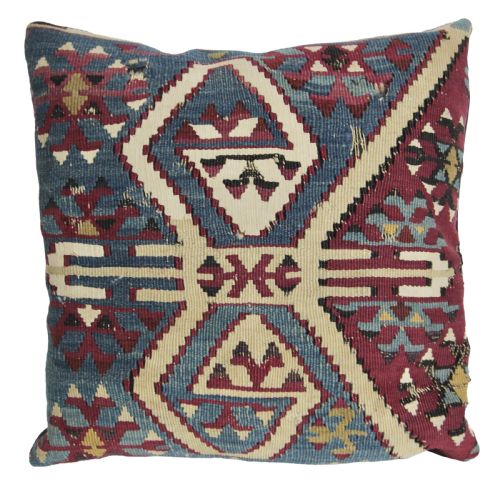
When you search for a vintage wool throw, you encounter a variety of textile forms, including blankets, shawls, and coverlets spanning from the nineteenth century into the twentieth. These textiles often originate from traditional weaving cultures and European workshops, utilising durable fibres designed for daily utility. On this page, you are most likely to meet Welsh honeycomb wool blankets and various woven coverings alongside repurposed cushions.
The objects combine domestic warmth with decorative presence, serving as functional layers for furniture or beds. Many items preserve the traditional hand-spun wool and intricate weaving techniques of their period of origin. Buyers choose these pieces to introduce genuine period character and tangible weight into contemporary interiors.
Evaluating craftsmanship
Quality in these textiles rests upon the density of the weave and the integrity of the wool fibres used by the weaver. Finer pieces demonstrate precise execution in traditional patterns, whether in the honeycomb structure of a blanket or the needlework of an embroidered shawl.
The preservation of original materials also dictates the standing of a piece. Examples that retain their authentic hand-spun texture and structural firmness without excessive intervention represent the higher tier of the selection.
Listings feature wool, cotton, silk, and metallic thread across periods ranging from the mid-nineteenth century through the 1930s.
The Vintage Wool Throw Glossary
- Wool
- A textile fibre obtained from sheep and other mammals, prized for its natural resilience and insulating properties. It forms the primary structural material for the blankets and covers found in this selection.
- Coverlet
- A decorative bedspread or covering designed to lie over the uppermost layer of bedding. These items often feature patterned weaves or historical textiles.
- Shawl
- A piece of fabric worn loosely over the shoulders, upper body, or arms. Historical examples frequently showcase fine embroidery or traditional regional designs.
- Pasementerie
- Elaborate trimmings or edgings such as tassels, braids, or corded work. This technique adds decorative border weight to textile edges.
Vintage Wool Throw: Frequently Asked Questions
How do I care for a wool throw?
Wool requires gentle treatment to preserve the natural fibres and prevent shrinkage. Hand washing in cool water with a mild detergent is standard practice for vintage textiles.
Allow the piece to dry flat away from direct heat or sunlight. Avoid harsh agitation and professional chemical cleaning unless recommended by a textile specialist.
Are these blankets suitable for daily use?
These items were originally constructed for practical warmth and domestic utility. Their robust wool and sturdy weaves handle regular placement on beds or seating.
Consider the age and delicacy of specific embroidered elements when choosing daily placement. Heavier blankets offer durability for frequent handling.
How do I identify the period of a textile?
Dating relies on examining the specific weave structure, the type of wool spinning, and stylistic markers associated with nineteenth and early twentieth-century production. Comparative analysis of regional patterns helps narrow the timeframe.
Consulting recorded materials and known design traditions provides further context for attribution. Subtle variations in dye methods also indicate historical origin.
What is a honeycomb weave?
A honeycomb weave is a specific loom technique that creates a cellular, textured surface resembling a beehive. This structure traps air effectively to enhance warmth while keeping the textile relatively lightweight.
It appears frequently in traditional Welsh blankets, combining structural strength with distinct tactile depth. The pattern results from specific warp and weft thread interlacings.