






Vintage Wooden Wall Box
A vintage wooden wall box brings tactile warmth and period utility to any room, holding everything from keys and spices to maritime dioramas.
Vintage Wooden Wall Box
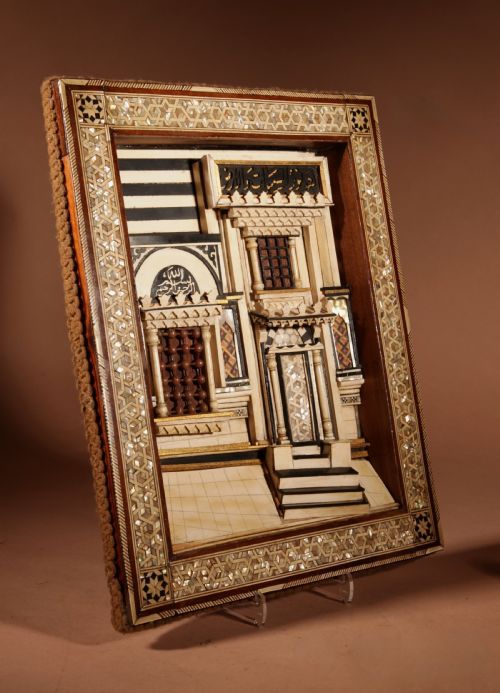
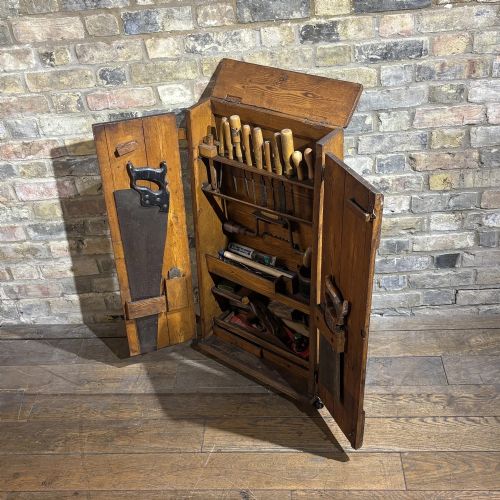
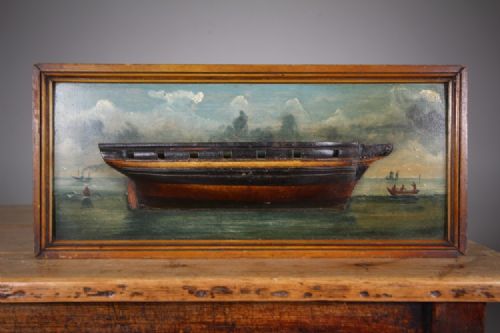
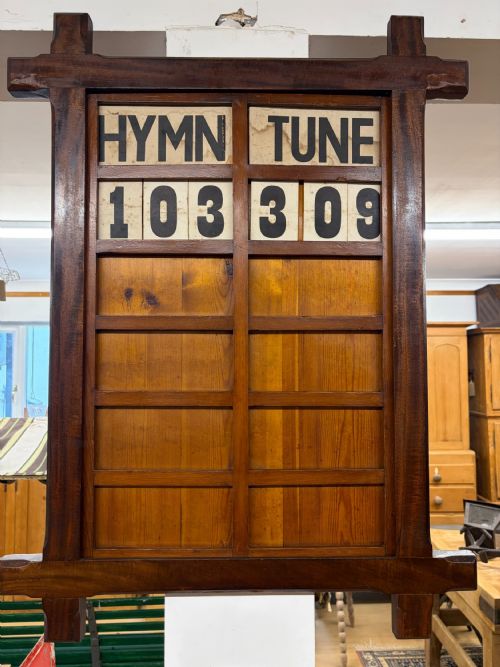
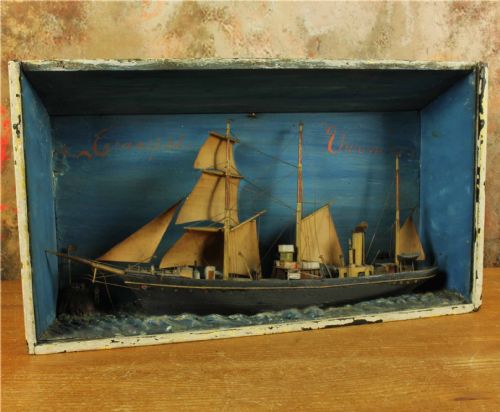
When you search for a vintage wooden wall box, you encounter a remarkably diverse array of functional and decorative pieces spanning several centuries. The selection ranges from utilitarian spice boxes and salt containers to intricate key cabinets and shadow box dioramas designed to be hung upon a wall.
The category also encompasses specialised domestic furnishings like panetières, matchbox holders, and pigeon holes. Each variant offers a distinct glimpse into historical interior organisation, fashioned to meet the specific daily needs of Georgian, Victorian, and Edwardian households.
Materials and construction
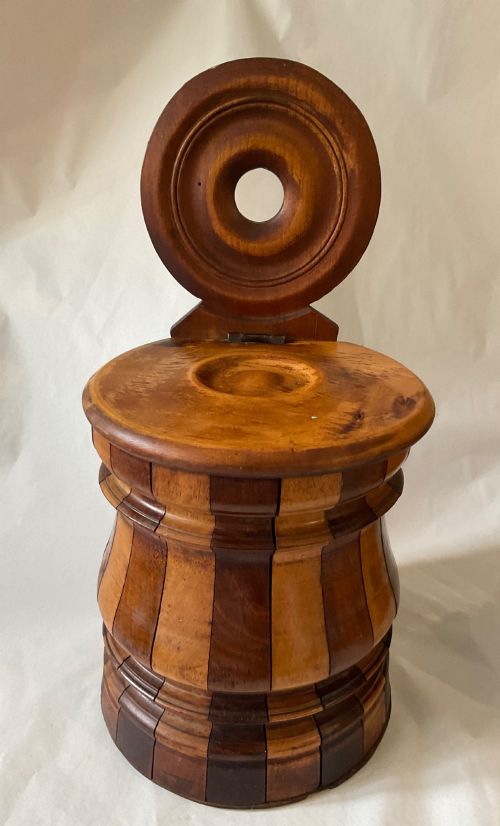
These wall-hanging containers rely heavily on traditional timbers such as oak, pine, mahogany, and walnut, often chosen for their durability and grain. Cabinetmakers and vernacular makers employed straightforward joinery alongside turned elements and applied mouldings to construct these functional objects.
Surface finishes play an integral role, incorporating original red paint, ebonised treatments, or polished golden tones that have aged with character. Hardware such as brass hinges, latches, and iron fixings provide both structural security and visual contrast against the timber bodies.
Vintage Wooden Wall Box Retail Price Guide 2026
Typical asking prices for vintage wooden wall box among the pieces listed under this phrase on Sellingantiques today, from the lower quarter to the upper quarter. They describe what is for sale here now, not the wider market.
Night porters once kept their keys in specialised lined cupboards, ready to lock up grand establishments while the rest of the world slept.
Factors of distinction
Quality in these wall-mounted containers rests upon the integrity of the original timber and the survival of authentic surface finishes, whether period paint or aged polish. Pieces that retain their original brass or iron hardware without later replacements command greater appreciation among collectors.
The complexity and execution of the form also dictate distinction, separating simple utilitarian spice cupboards from intricately carved tramp art boxes or detailed maritime dioramas. Superior examples demonstrate thoughtful proportion, harmonious wood selection, and construction methods appropriate to their specific period of origin.
The Vintage Wooden Wall Box Glossary
- Shadow Box Diorama
- A three-dimensional scene enclosed within a wall-hanging case, frequently depicting maritime vessels or architectural models.
- Tramp Art
- A style of woodworking popular in the nineteenth and early twentieth centuries, characterised by chip-carving techniques using salvaged wooden boxes.
- Panetière
- A traditional freestanding or wall-mounted bread store originating in France, featuring turned spindles designed to allow air circulation.
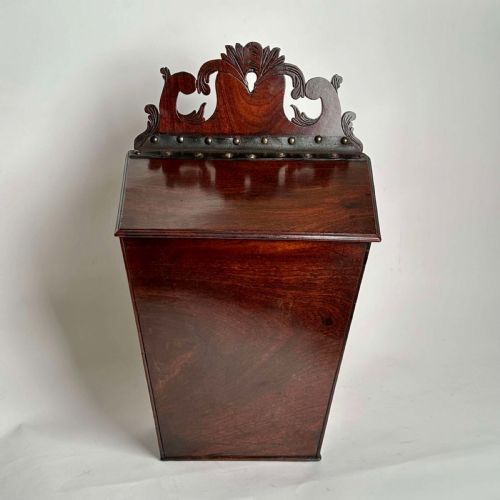
- Salt Box
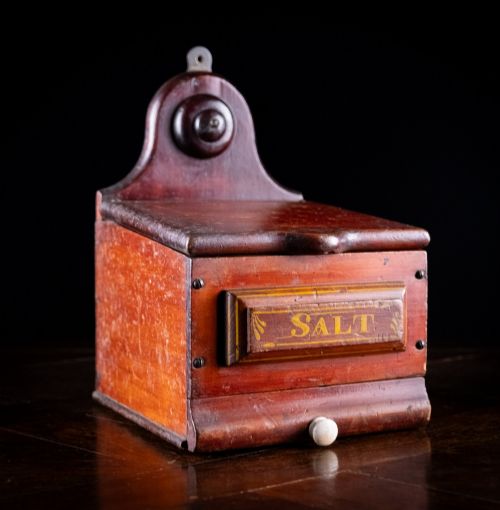
- A utilitarian domestic container featuring a sloping lid and a high backboard with a hanging hole, designed to keep salt dry near a hearth.
- Pigeon Holes
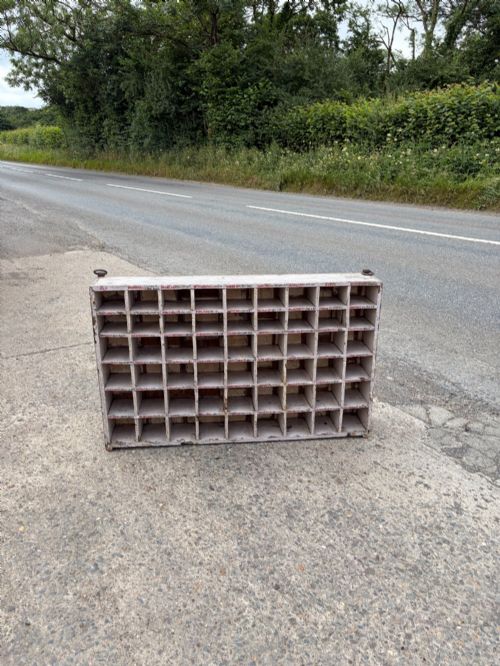
- A tiered arrangement of open compartments used for sorting correspondence, documents, or small items upon a wall.
Vintage Wooden Wall Box: Frequently Asked Questions
What were vintage wooden wall boxes used for?
These pieces served practical daily functions in historical homes and workplaces, storing essentials like salt, spices, cutlery, and matches close to hand. Others functioned as secure enclosures for keys, correspondence, or personal requisitions.
Over time, many utilitarian storage items evolved into decorative display pieces. Shadow box dioramas and folk art containers were created specifically to exhibit models, mementoes, or artistic scenes upon interior walls.
How do I date a wooden wall box?
Dating relies on observing the timber species, construction methods, tool marks, and fastening hardware used in the piece. Earlier examples often feature hand-sawn boards, wrought iron nails, or pegged joinery, while later Victorian and Edwardian items may show machine-cut elements.
Style and finish provide further clues to the period of origin. Paint analysis, patination on the wood, and the presence of period-specific locks or hinges help narrow down the decade of manufacture.
How should I hang a heavy wooden wall box?
Assess the weight and structural stability of the box alongside the existing mounting points or hanging brackets provided on the back. Ensure the piece is fixed securely into wall studs or uses appropriate heavy-duty wall anchors suited to your plaster or masonry.
Distribute weight evenly inside the box once mounted, particularly if storing denser items like books, ceramics, or hardware. Period hinges and backboards can be fragile, so verify that the hanging mechanism bears the load independently of the door assembly.
Are these wall boxes suitable for modern kitchens?
These pieces integrate well into contemporary kitchens, offering practical storage for dried goods, utensils, or small accessories while adding historical texture. Spice drawers, salt boxes, and small cupboards translate easily to modern domestic routines.
Care should be taken to place wooden items away from excessive moisture and direct heat sources to protect antique finishes and prevent timber warping. Regular dusting and occasional mild conditioning help maintain the condition of the exposed wood.