

Vintage Wooden Tub
A vintage wooden tub brings tactile grain and honest joinery to a room, serving as seating or storage.
Vintage Wooden Tub
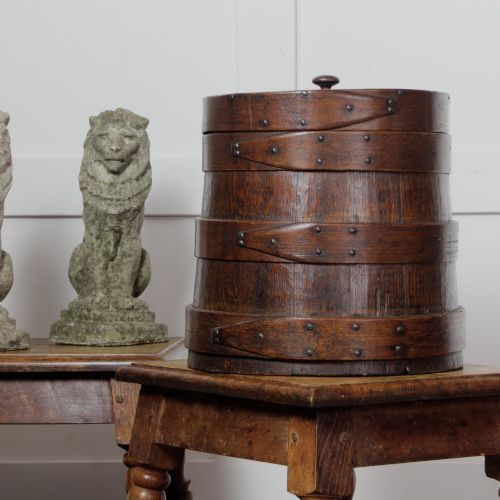
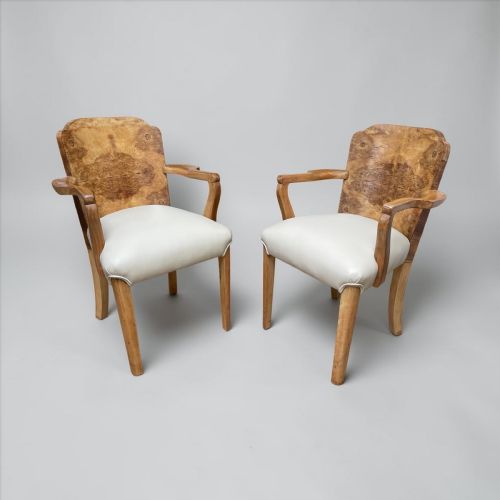
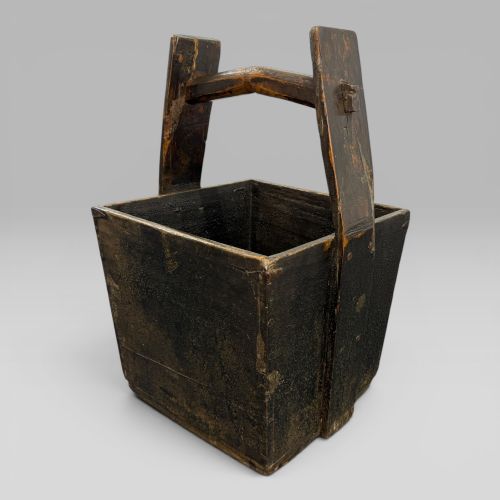
A vintage wooden tub encompasses low seating like tub chairs and bergères alongside functional vessels such as coopered buckets, harvest baskets, and storage barrels. These forms emerge from periods spanning the Georgian era through the 1930s, reflecting domestic and utilitarian origins across English, French, and Scandinavian workshops.
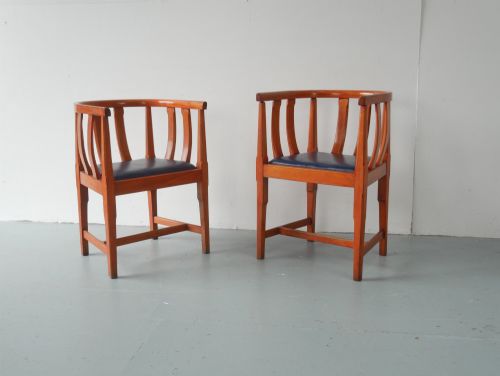
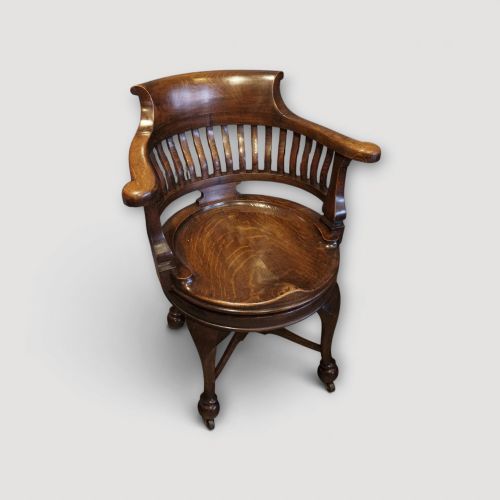
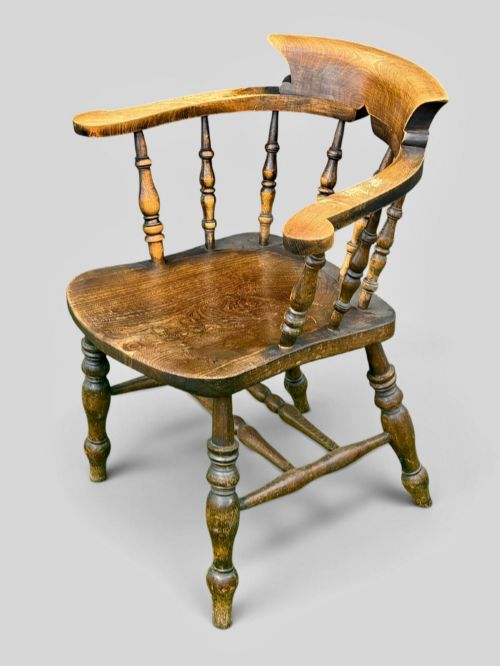
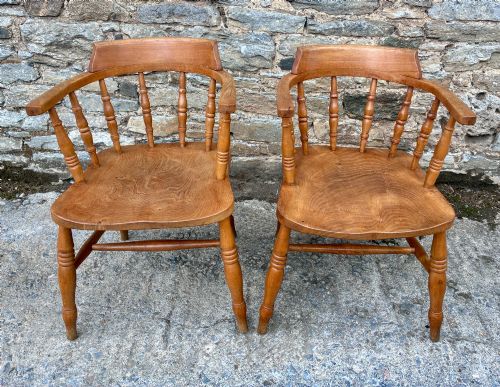
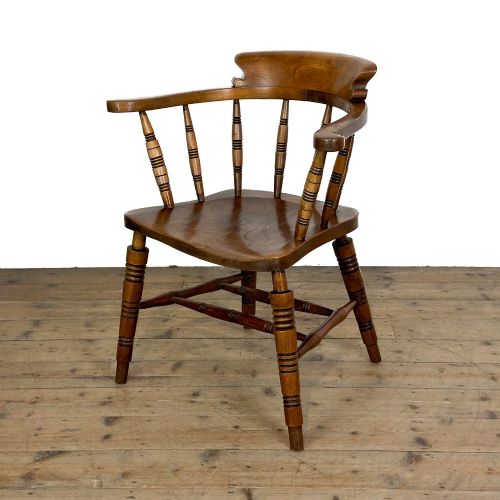
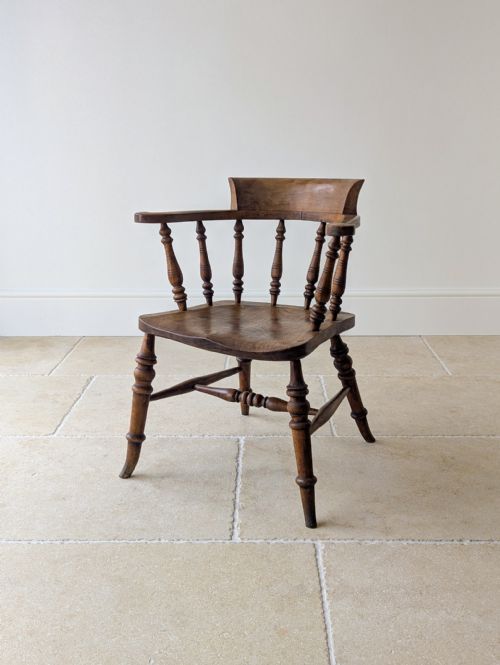
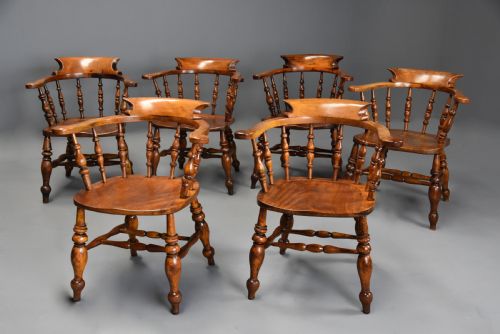
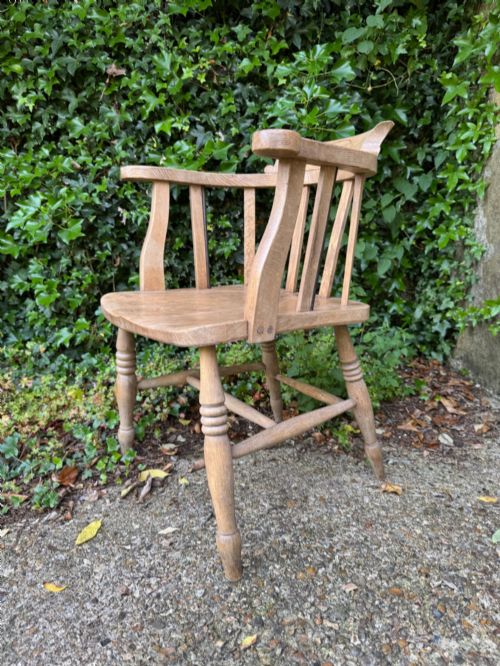
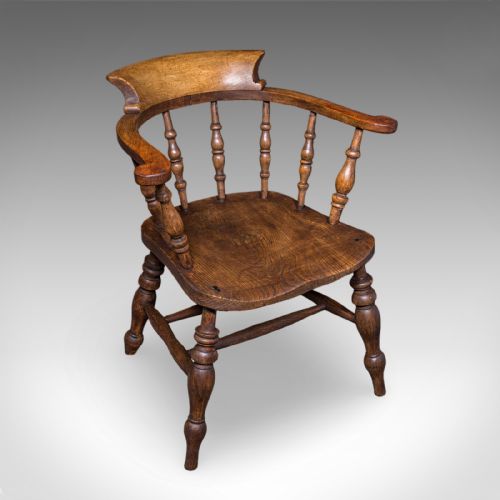
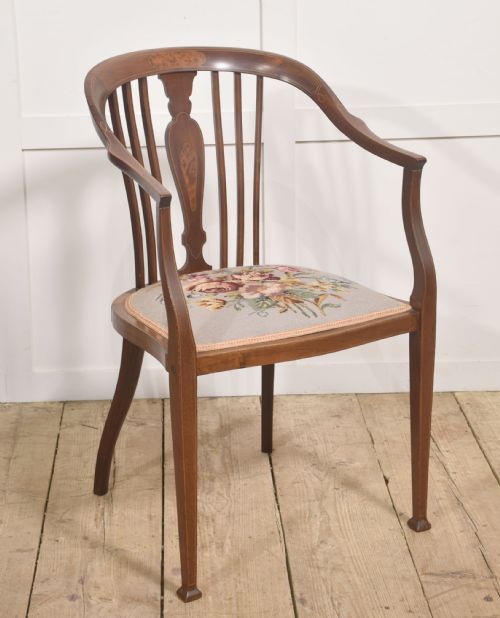
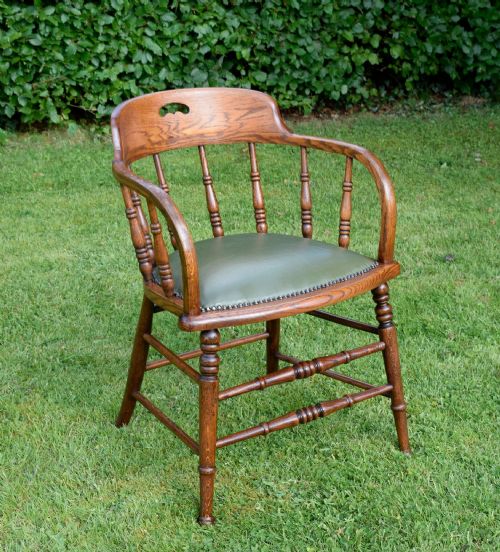
Buyers browsing this selection encounter sturdy captain chairs, smoker's bows, and revolving desk armchairs constructed from timber alongside deep storage bins and washing tubs. The seating pieces share curved backrests that enclose the sitter, while the vessel forms rely on stave construction held by metal bands.
How they were made
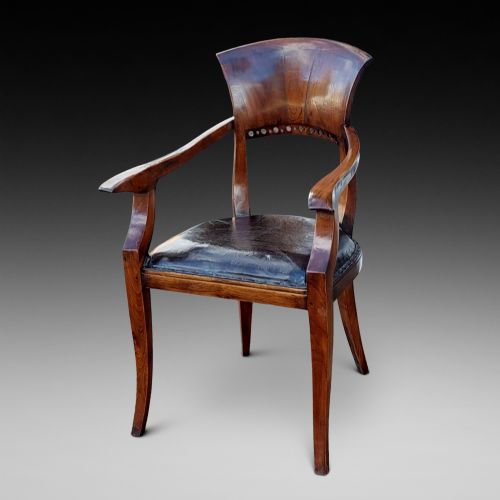
Makers utilised native hardwoods such as oak, elm, beech, and ash for framing and seating, often combining timbers within a single chair to balance structural strength with flexible steam-bending properties. Mahogany appears in refined library chairs and desk seats, frequently paired with brass swivel mechanisms or leather hide inserts.
Coopered vessels and barrels employ shaped wooden staves bound together with iron bands to hold dry goods or liquids without glue or metal fasteners through the wood. Turned spindles, pegged joints, and carved armbows define the Windsor and captain chair traditions seen across the nineteenth and early twentieth centuries.
Vintage Wooden Tub Retail Price Guide 2026
Typical asking prices for vintage wooden tub among the pieces listed under this phrase on Sellingantiques today, from the lower quarter to the upper quarter. They describe what is for sale here now, not the wider market.
Materials span domestic hardwoods like elm and beech alongside imported mahogany, brass hardware, and tan leather hides.
What varies in quality
Quality rests upon the integrity of the timber selection and the precision of the joinery, distinguishing sturdy utilitarian items from everyday workshop output. Uniform grain matching in solid mahogany and tight, well-fitted coopering indicate superior construction.
The sophistication of the turning on arm supports and spindles dictates the refinement of a chair, alongside the retention of original swivel hardware or brass castors. Original patination and minimal replacement of structural pins preserve the integrity of these pieces.
The Vintage Wooden Tub Glossary
- Coopered
- Manufactured by coopers using curved wooden staves bound together with metal hoops to form a watertight or sturdy vessel.
- Smoker's bow
- A low-backed Windsor armchair featuring a continuous curved armrail supported by turned spindles above a solid saddle seat.
- Bergère
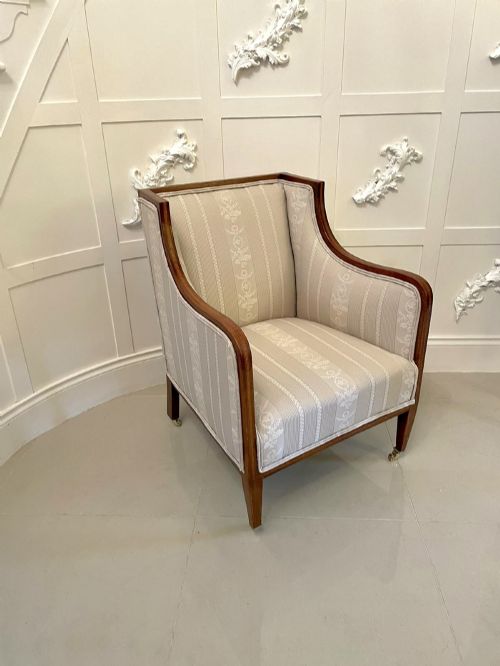
- An enclosed upholstered armchair with exposed wooden framing, commonly cane-paneled along the sides and back.
- Cellarette
- A lockable storage vessel or cabinet designed to hold bottles of wine, typically raised on legs or fitted with casters.
- Stave
- One of the narrow tapered wooden pieces assembled side by side to make the sides of a barrel, tub, or bucket.
Vintage Wooden Tub: Frequently Asked Questions
How were coopered buckets used?
Coopered buckets served heavy domestic duties such as carrying water, washing clothes, or chilling wine as cellarettes. Their stave-and-hoop construction provided the strength needed for wet materials.
Today, these vessels function as planters, log bins, or decorative storage in domestic spaces.
What timber is most common?
Elm, beech, and oak dominate country seating, providing the toughness required for steam-bending chair bows and shaping solid seats. Mahogany appears more frequently in refined desk chairs and library armchairs.
Combinations of elm seats with beech spindles are typical in nineteenth-century captain chairs.
How do I date a desk chair?
Dating relies on timber choice, mechanical hardware, and construction methods like hand-cut joinery versus machine-turned spindles. Victorian and Edwardian examples often incorporate cast iron swivel mechanisms or brass wheel castors.
Georgian and early nineteenth-century pieces display simpler wooden pivots and heavier framing.