
Vintage Wooden Tripod
These vintage wooden tripod pieces combine solid three-legged forms with practical utility, offering enduring character for interior spaces.
Vintage Wooden Tripod
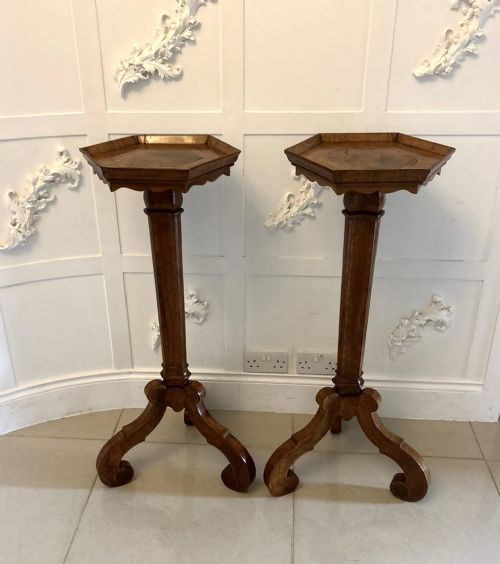
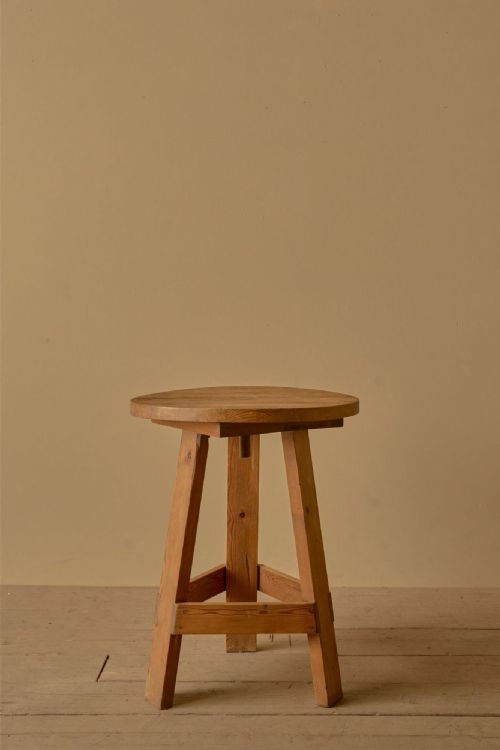
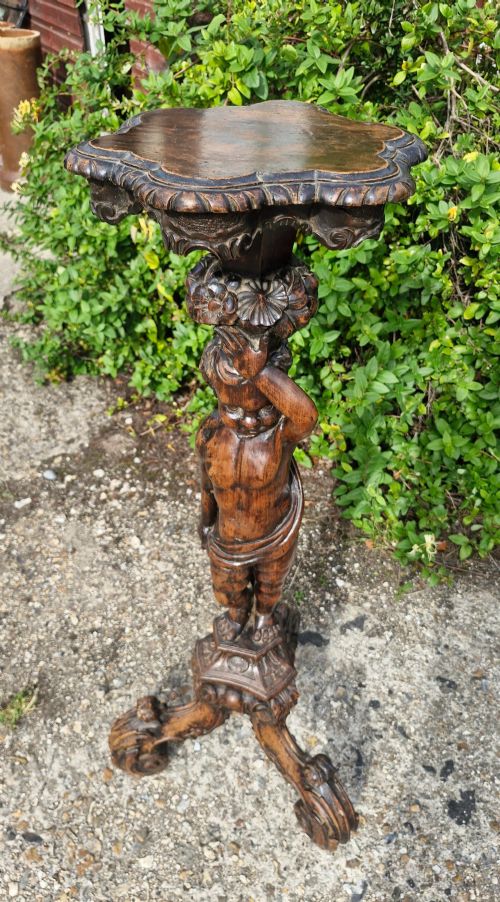
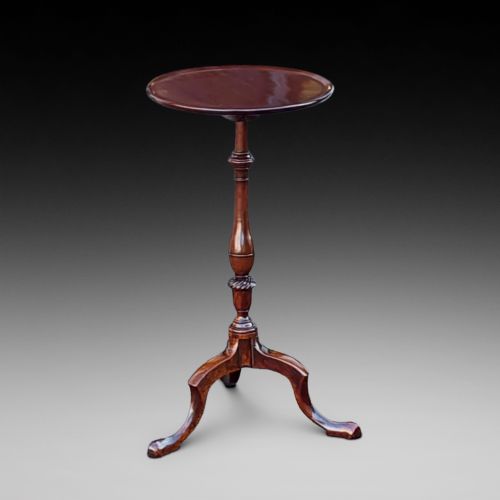
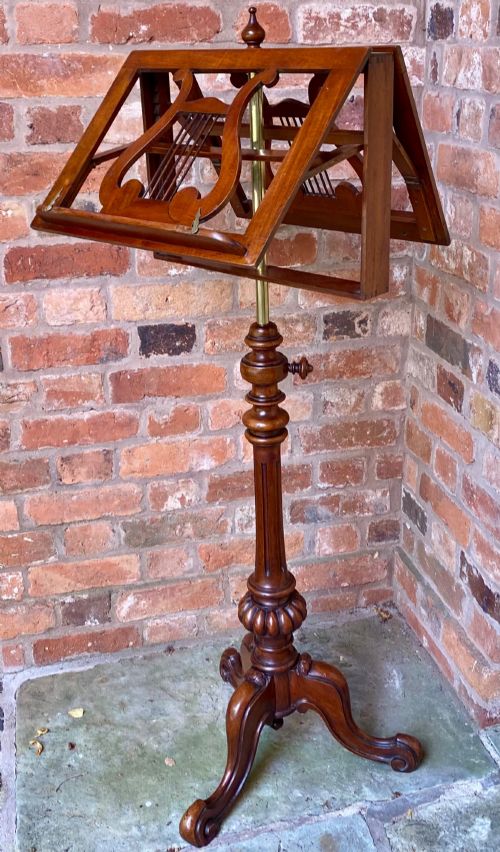
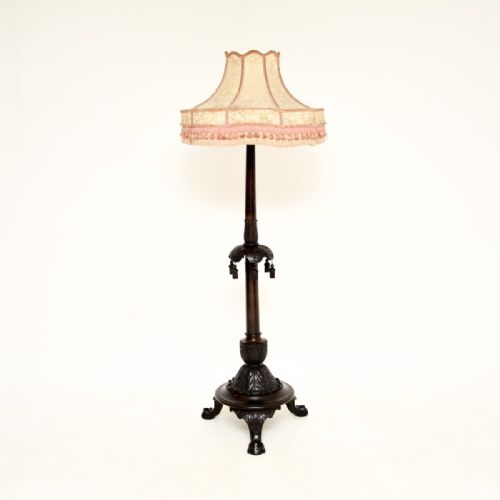
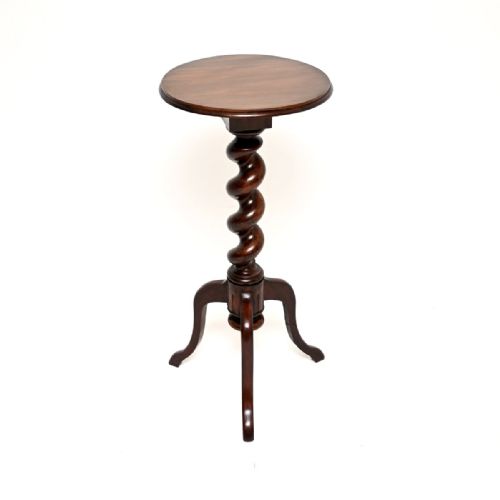
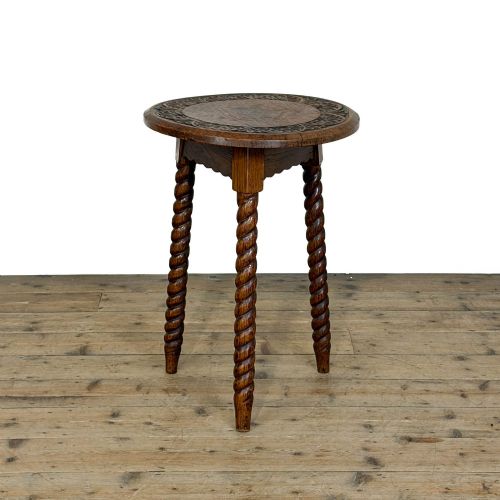
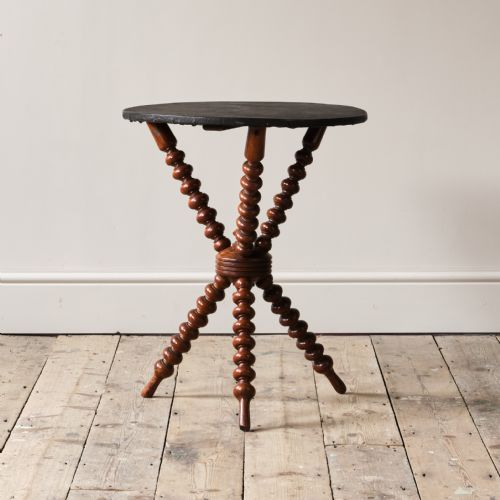
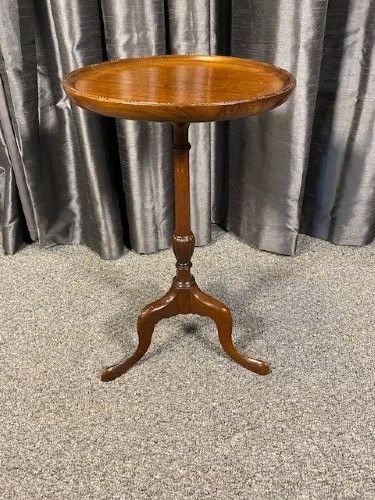
A vintage wooden tripod search encompasses diverse three-legged furniture forms, ranging from utilitarian stools and occasional tables to decorative plant stands and torcheres.
The selections span multiple historical periods, notably the 18th century, Victorian era, and Edwardian period, reflecting both formal craftsmanship and vernacular traditions.
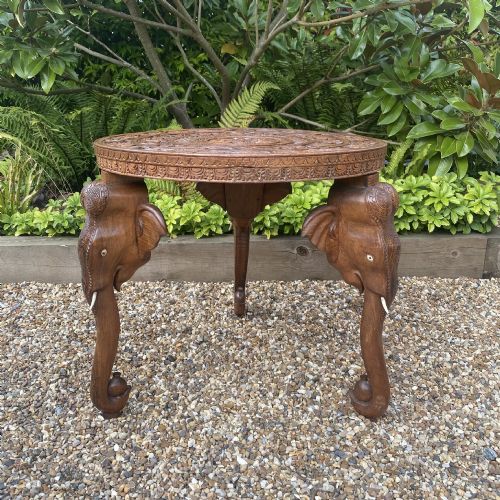
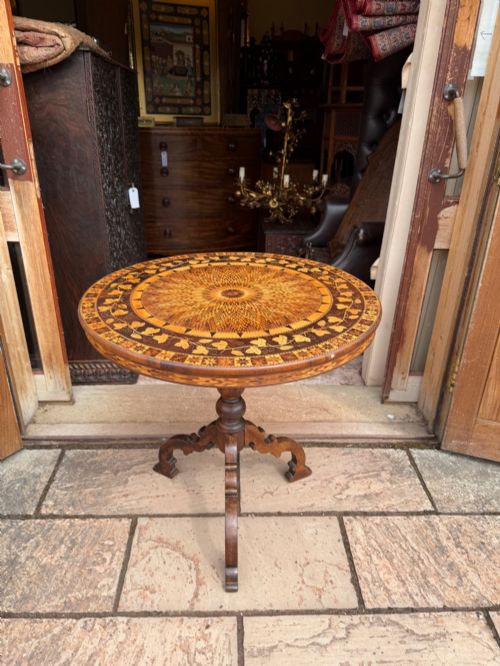
Common regional variations include English oak country pieces, French charcuterie blocks, and Italian inlaid pedestal tables, alongside occasional Burmese carved side tables.
How they were made
Makers utilised native and exotic timbers such as mahogany, oak, walnut, elm, ash, and pine, often combining structural hardwoods with softer woods in vernacular pieces.
Construction techniques include traditional three-legged pedestal supports, chip-carving, and turnery, paired with brass fittings and occasional gilded or painted surface treatments.
Listings feature oak, mahogany, walnut, elm, and pine across 18th-century, Victorian, and Edwardian periods.
What varies in quality
Quality rests in the integrity of the timber selection and the precision of the joinery where the three legs meet the central column or underside.
Refined pieces demonstrate sophisticated decorative treatments like intricate inlay, fine carving, and ebonising, contrasting with simpler, primitive country forms.
The Vintage Wooden Tripod Glossary
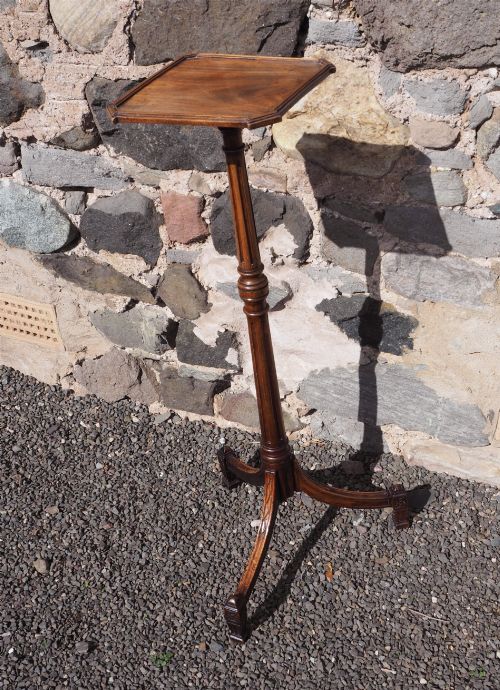
- Torchere
- A tall ornamental stand designed to support a lamp or candle. These pieces often feature slender columns and tripod bases.
- Cricket table
- A small, lightweight three-legged table originating in vernacular contexts. It typically has a round wooden top and sturdy pegged legs.
- Milking stool
- A primitive three-legged seat designed for stability on uneven agricultural floors. They frequently utilise simple elm or beech construction.
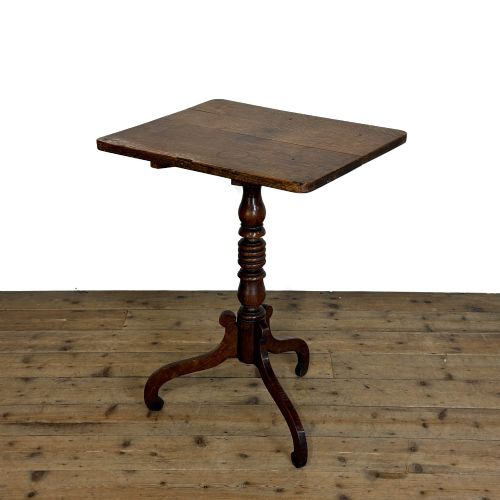
- Tilt top pedestal table
- A table with a hinged top that can be rotated vertically for storage. The mechanism sits atop a central pillar supported by three feet.
- Jardiniere
- A decorative pot or stand for holding plants and flowers. Elevated versions often take the form of tall wooden tripod plant stands.
Vintage Wooden Tripod: Frequently Asked Questions
What is a tripod table used for?
These small tables serve as flexible surfaces for drinks, lamps, or decorative objects. Their compact three-legged footprint allows them to fit easily into tight corners and beside seating.
Historically, specific variations like tilt-top tables were stored upright against walls when not in use to save floor space in smaller rooms.
How do I identify a Victorian tripod stand?
Victorian examples often display heavier ornamentation, darker timber finishes such as ebonised wood or walnut, and specific decorative carving techniques. Look for turned columns and robust pedestal bases typical of the mid to late 19th century.
Comparison with lighter Edwardian or earlier Georgian pieces reveals the shift toward more elaborate or simpler classical proportions respectively.
Are wooden tripod stools stable?
Three-legged stools naturally sit firmly on uneven surfaces without rocking, which explains their historical popularity in agricultural and rustic settings. The tripod design ensures all three feet maintain continuous contact with the floor.
Vernacular examples from the 18th and 19th centuries rely on this mechanical advantage for practical daily use in dairies and workshops.
What woods are common in these pieces?
Makers frequently utilised dense hardwoods like mahogany, oak, walnut, and elm for durability and rich grain patterns. Softer woods like pine and beech appear primarily in painted or vernacular items.
Inlaid pieces sometimes incorporate contrasting exotic veneers to create decorative surface patterns on the top panels.