




Vintage Wooden Sign
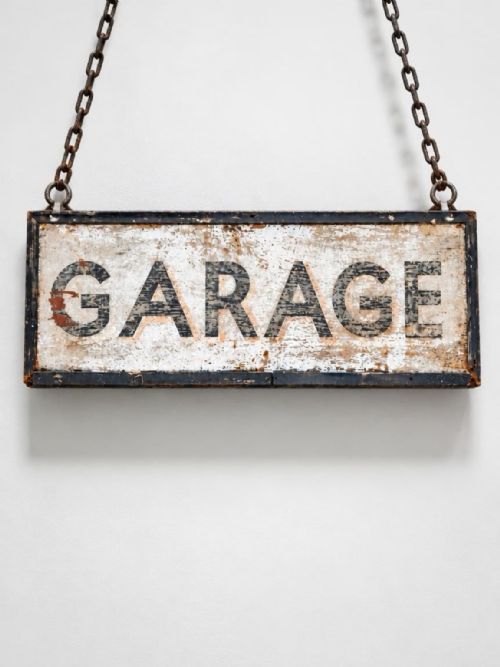
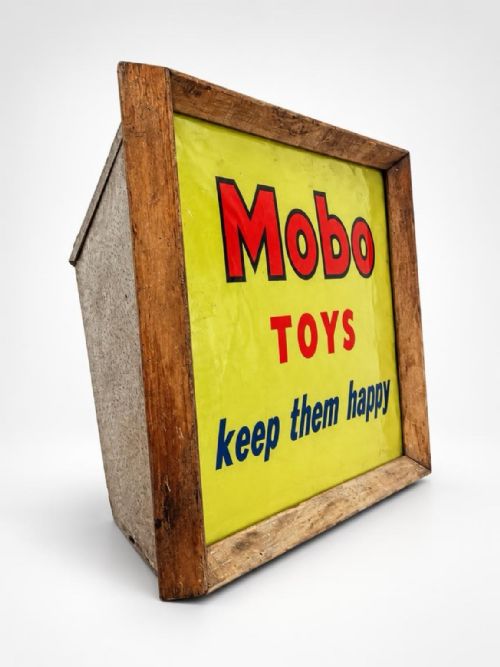
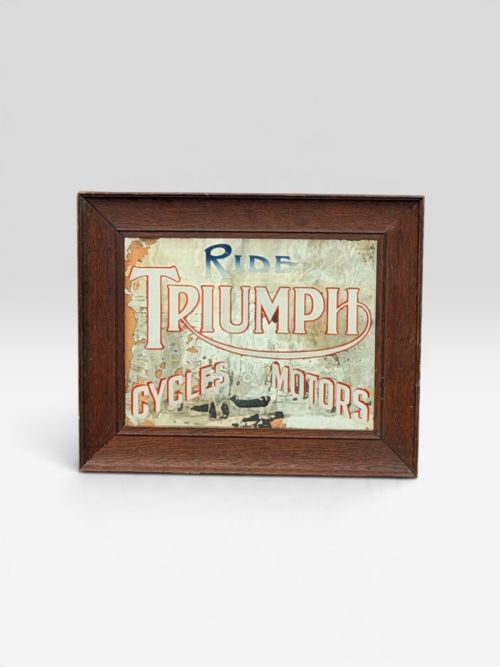
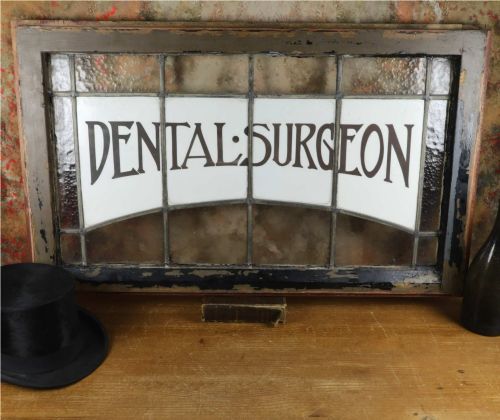
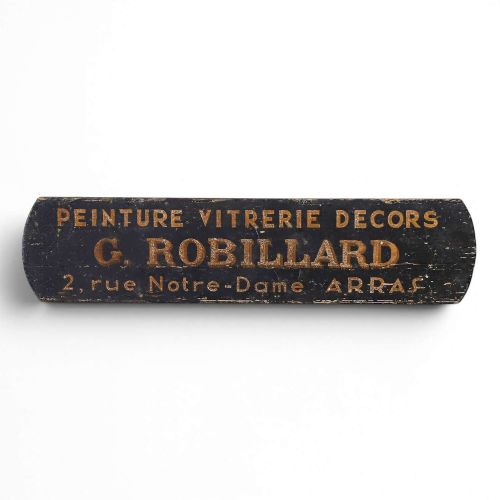
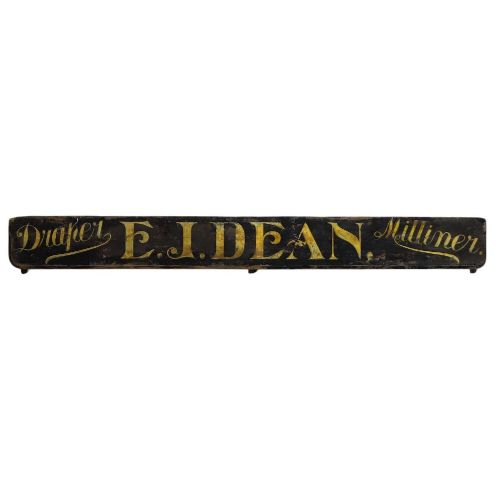
When you search for a vintage wooden sign, you encounter painted shop boards, trade identifiers and advertising panels from the Victorian, Edwardian and early twentieth-century eras.
Vintage Wooden Sign
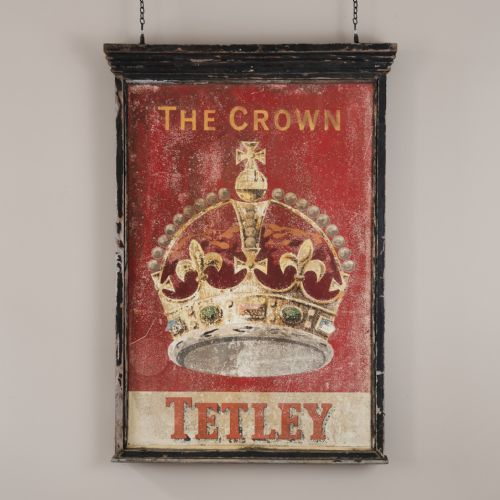
A vintage wooden sign serves as a surviving piece of commercial history, originally hung outside businesses, drapers, butchers and public houses to denote a trade or service.
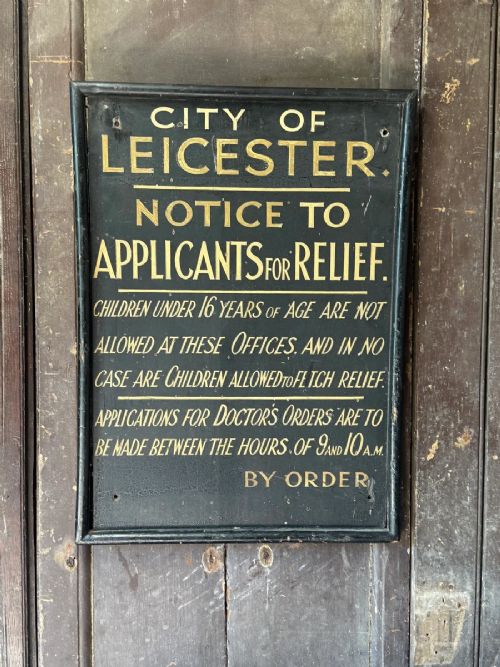
The selections on this page encompass various forms, including double-sided pub notices, department store boards, hand-painted shop displays and directional markers.
Originating predominantly from the nineteenth and early twentieth centuries, these items capture the vernacular lettering and painted techniques of Edwardian and Victorian commerce.
How they were made
Craftsmen built these boards using timber such as pine, oak and mahogany, often shaping them to hang from brackets or mount directly onto exterior walls.
Surfaces were prepared with ground paint coats before signwriters applied lettering and decorative motifs by hand using oil-based pigments, sometimes incorporating gold leaf or glass accents.
Many examples exhibit the natural wear of exterior exposure, where layers of historic paint accumulate over decades of use.
Vintage Wooden Sign Retail Price Guide 2026
Typical asking prices for vintage wooden sign among the pieces listed under this phrase on Sellingantiques today, from the lower quarter to the upper quarter. They describe what is for sale here now, not the wider market.
Listings feature wooden trade signs, wall art and advertising displays spanning the Victorian, Edwardian and Art Deco periods.
What varies in quality
The standard of a board rests upon the competence of the signwriter, where crisp brushwork, balanced layout and deliberate letterforms separate commercial output from ordinary output.
Surviving surfaces display different degrees of original untouched skin, with untouched historic paint layers holding greater visual integrity than later overpainting.
Structural preservation of the timber base, free from extensive rot or inappropriate modern repairs, dictates the overall authenticity of the piece.
R.D. Roberts·Gerwin And Co Birmingham·V Ramirez Bolivia
The Vintage Wooden Sign Glossary
- Trade sign
- A board or carved object hung outside a shop, inn or business to advertise the specific occupation or goods sold within.
- Gold leaf
- Thin sheets of hammered gold applied to letterforms or borders on painted boards to catch the light and denote status.
- Signwriter
- A skilled artisan who painted lettering, numbers and pictorial elements onto timber panels by hand.
- Folk art
- Utilitarian objects and decorative pieces made by self-taught makers or tradesmen, often displaying regional character.
- Ground paint
- The base coat of pigment applied to a wooden panel before the primary lettering and details are painted on top.
Vintage Wooden Sign: Frequently Asked Questions
How were old trade boards hung?
Most boards utilised iron brackets, forged staples or heavy-duty screw eyes fitted directly into the wooden frame to secure them perpendicular to shopfronts.
This allowed pedestrians approaching from either direction along the street to read the trade lettering clearly.
Can I hang these boards outdoors?
Historic painted timber boards react poorly to prolonged modern dampness, frost and direct rain exposure, which degrades the original nineteenth-century paint layers.
Interior placement or sheltered exterior hanging under a deep porch preserves the timber and pigment stability.
How do I date a painted shop board?
Dating relies upon the typography style, the type of timber used in the panel construction, and the physical characteristics of the underlying paint layers.
Victorian and Edwardian examples often feature hand-mixed lead-based paints and specific serif lettering proportions characteristic of those decades.
What trades are commonly represented?
Surviving examples frequently advertise butchers, drapers, milliners, clock repairers and public houses, reflecting the high street commerce of the nineteenth and early twentieth centuries.
Specialist trade boards often incorporated pictorial symbols alongside the business name so illiterate customers could identify the service.