




Vintage Wooden Sewing Tool
These vintage wooden sewing tool pieces are tactile domestic implements crafted for textile work, offering both practical utility and historic charm to collectors.
Vintage Wooden Sewing Tool
When you search for a vintage wooden sewing tool, you encounter a range of functional objects designed for historic needlework and textile crafts. The selections on this page span the 18th century, 19th century, Victorian era, Edwardian period, and around 1900 to 1920.
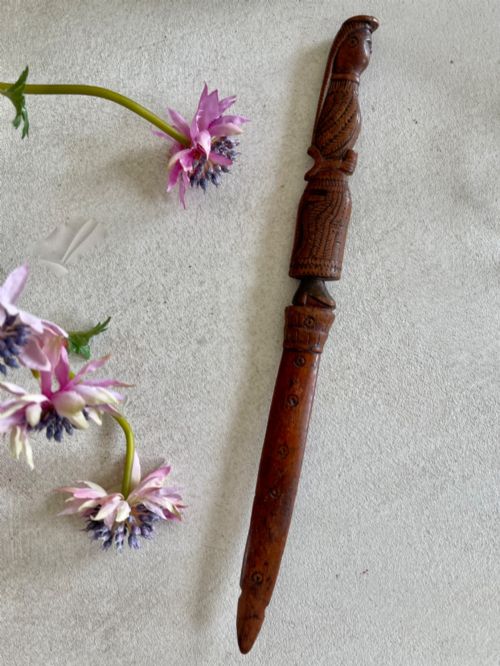
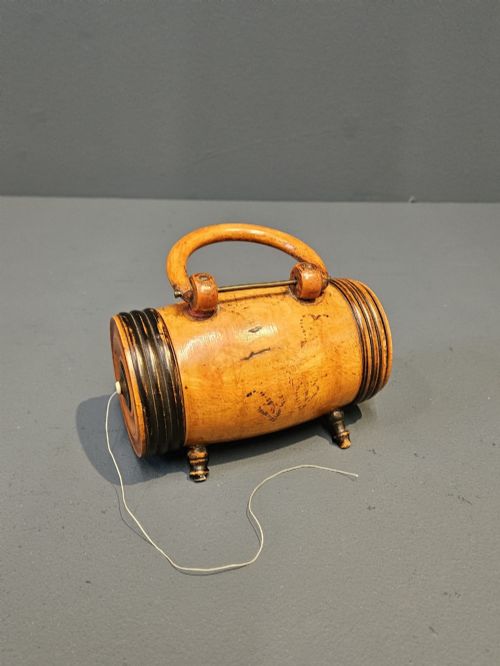
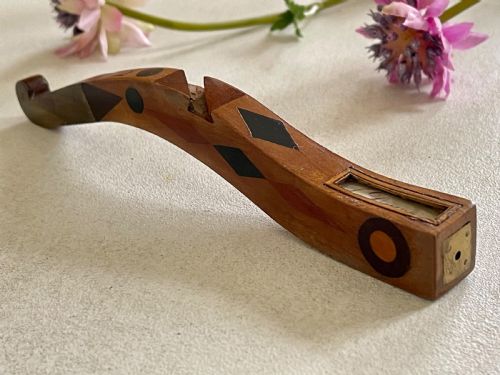
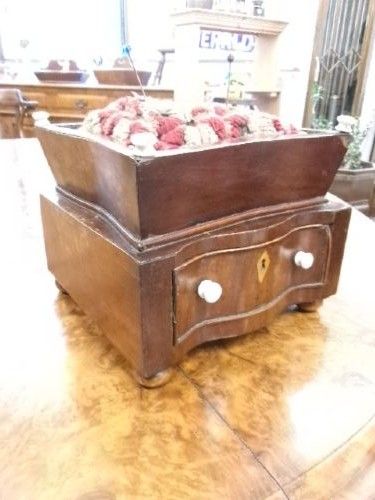
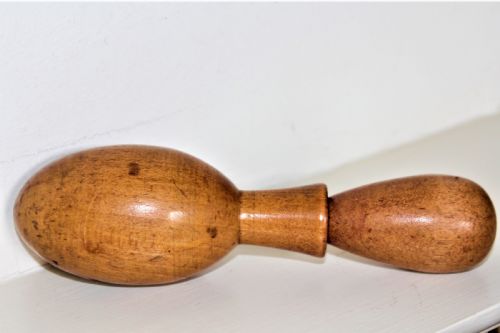
The assortment includes treen knitting sheaths, string barrels, silk skein holders, pincushions, bobbin winders, and sock darners. These items reflect the domestic handwork of earlier generations.
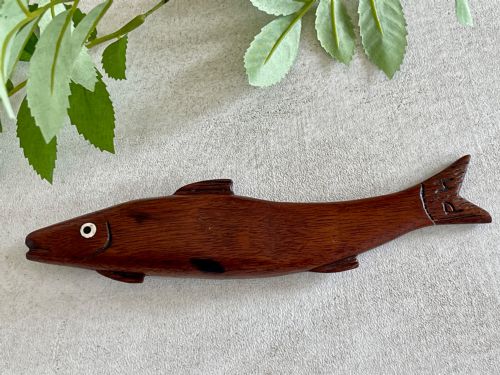
Originating largely from British traditions, these treen and turned objects showcase folk art as well as utilitarian design. You are most likely to meet practical sewing implements fashioned from various hardwoods.
How they were made
Maker techniques rely heavily on woodturning, carving, and basic joinery using materials such as fruitwood, rosewood, mahogany, and general wood. Some pieces incorporate decorative elements like bone, brass, cast iron, and metal.
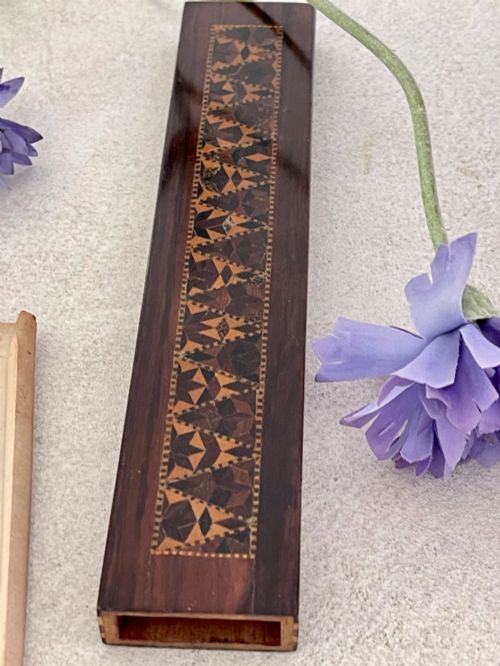
Surface ornamentation on these implements involves geometric inlay work, such as diamond, circle, and triangle patterns seen in Tunbridge Ware and folk art pieces. Artisans shaped these items by hand to ensure durability during daily textile tasks.
Vintage Wooden Sewing Tool Retail Price Guide 2026
Typical asking prices for vintage wooden sewing tool among the pieces listed under this phrase on Sellingantiques today, from the lower quarter to the upper quarter. They describe what is for sale here now, not the wider market.
Materials recorded across the inventory include wood, bone, brass, cast iron, carved hardwood, fruitwood, metal, and rosewood.
What varies in quality
Quality in these textile implements rests upon the crispness of the turning, the complexity of any decorative inlay, and the preservation of the original surface patina. Pieces featuring intricate geometric patterns or unusual figural forms stand apart from plain utilitarian variants.
The choice of material also influences the character of the piece, with dense fruitwoods and exotic rosewoods yielding sharper detail than softer timbers. Integration of secondary materials like bone or brass indicates a higher grade of workshop production.
The Vintage Wooden Sewing Tool Glossary
- Treen
- Small handmade wooden objects for domestic use. These items range from kitchenware to sewing accessories shaped by turning or carving.
- Knitting sheath
- A device tucked into a belt or apron to hold a single knitting needle steady. They are often carved in folk art shapes from regional timbers.
- Tunbridge Ware
- Woodware decorated with tiny mosaic tiles of different coloured woods to form geometric or pictorial scenes. It originated in the spa town of Royal Tunbridge Wells.
- Bobbin winder
- A mechanical device used to wind thread onto bobbins for sewing or lace making. They often feature turned wooden bases and metal winding handles.
- Sock darner
- A tool inserted into the foot of a sock to support the fabric during mending. Wooden variants often feature hollow compartments or double-ended designs.
Vintage Wooden Sewing Tool: Frequently Asked Questions
What is a knitting sheath used for?
A knitting sheath supports the right needle while working, allowing the knitter to work faster with one hand free. They were tucked securely into the user's waistband during traditional cottage industries.
Most examples are carved from single pieces of wood, reflecting local folk traditions and individual maker preferences.
How do I identify treen?
Treen encompasses small wooden household objects shaped by turning on a lathe or by hand carving. Examine the grain, tool marks, and overall wear to determine its age and method of manufacture.
These domestic items were handled daily, developing a warm patina over the centuries.
What is Tunbridge Ware?
Tunbridge Ware is a form of decorative woodwork characterised by mosaic patterns assembled from many tiny wood prisms. These mosaics create detailed geometric motifs across small boxes and sewing accessories.
Craftsmen selected naturally coloured British and foreign timbers to achieve the contrasting shades without using artificial dyes.
How should I clean wooden sewing tools?
Maintain wooden sewing tools by dusting them gently with a dry, soft cloth. Avoid using harsh chemical cleaners or excess moisture, which can damage the historic wood and any delicate inlay.
Applying a light coat of microcrystalline wax occasionally helps protect the aged surface without altering the patina.