
Vintage Wooden Seat Chairs
These vintage wooden seat chairs bring honest vernacular character and sturdy construction into any room, offering lasting utility built from timber.
Vintage Wooden Seat Chairs
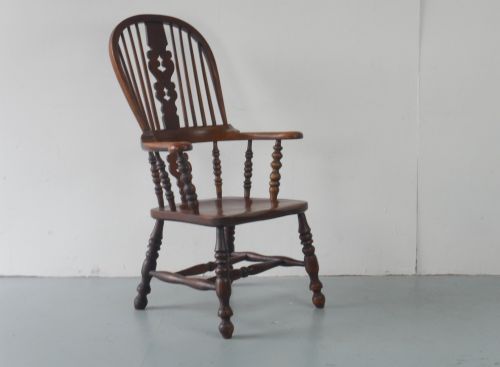
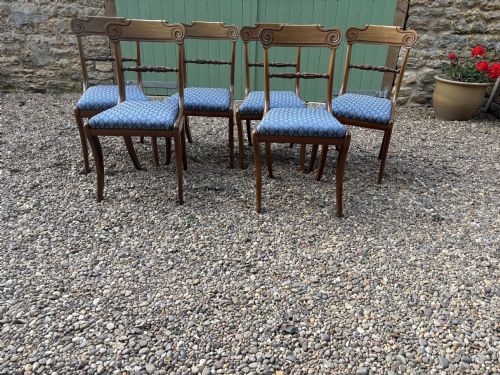
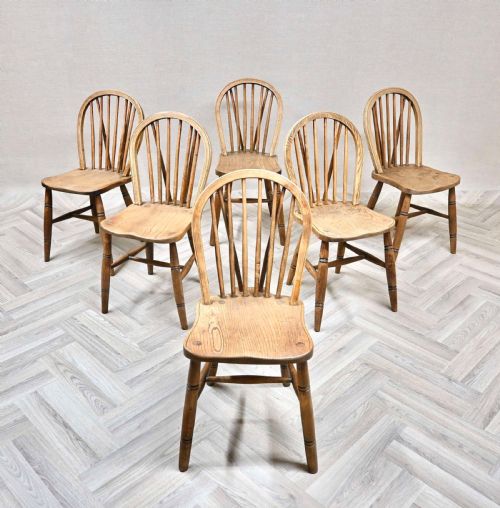
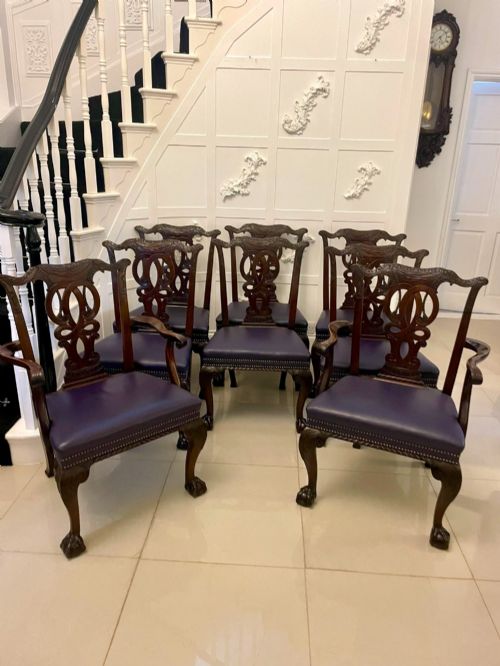
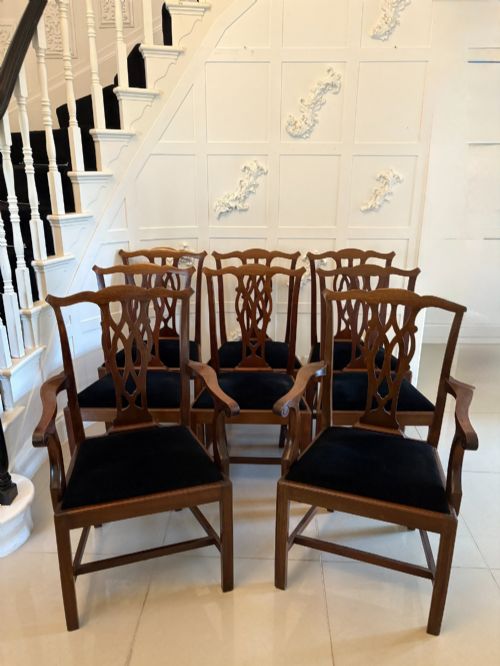
Vintage wooden seat chairs encompass a diverse selection of seating types, ranging from country kitchen Windsors to formal dining sets. Buyers searching this phrase most frequently encounter 19th-century and early 20th-century English designs built for everyday domestic life.
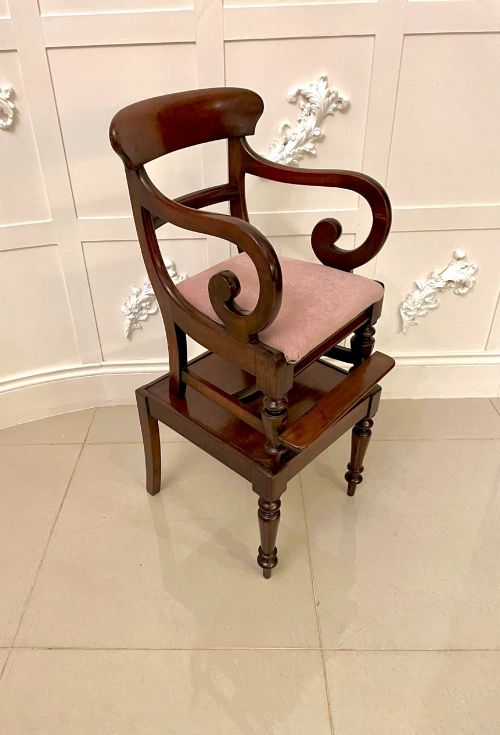
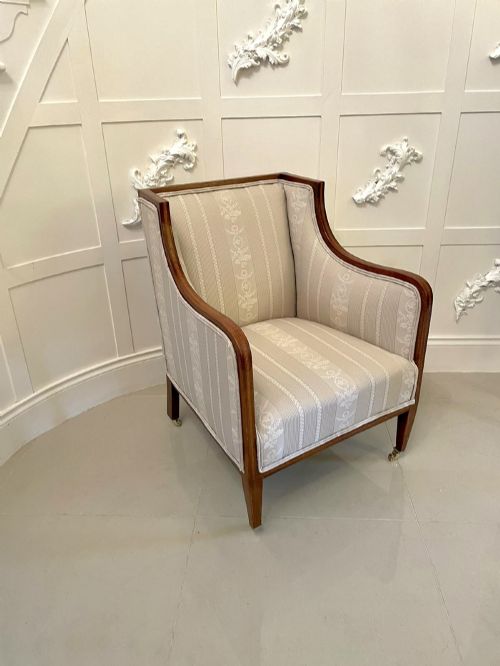
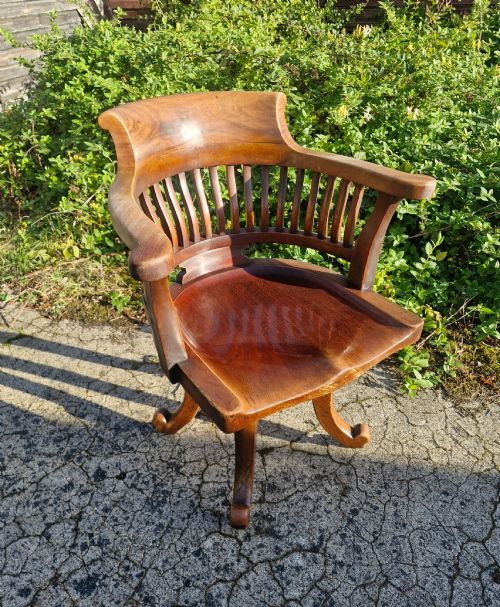
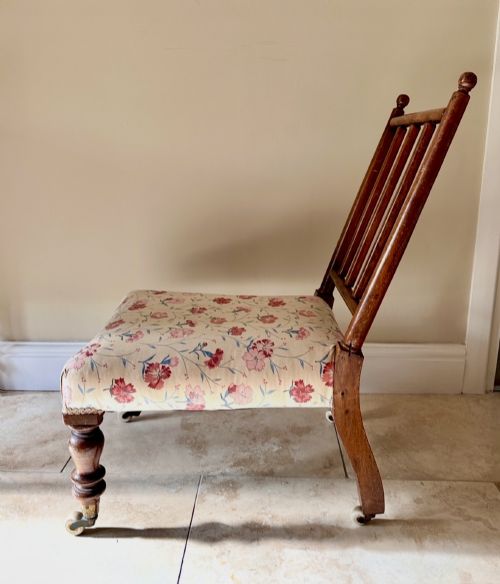
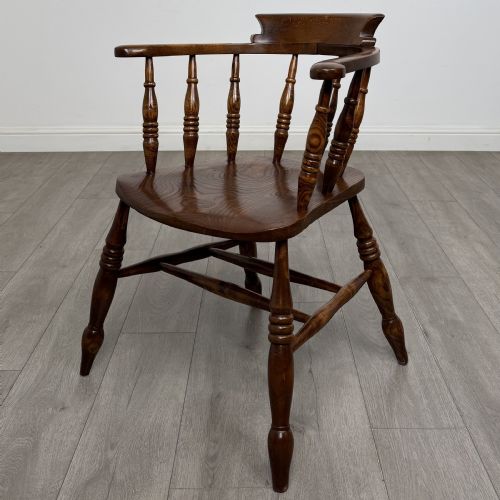
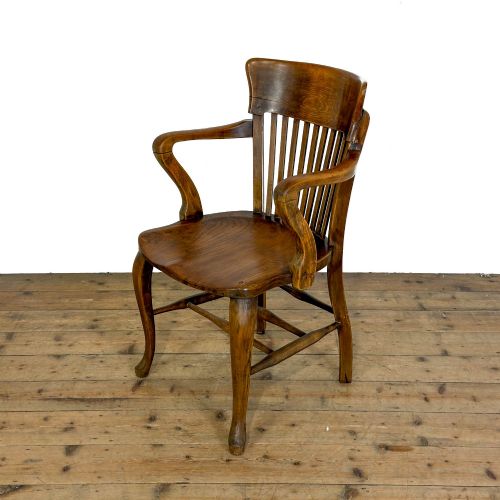
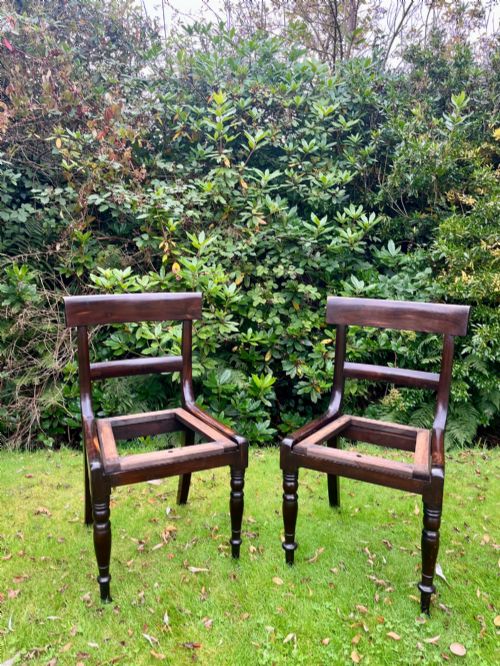
The available selection spans distinct functional forms, including side chairs, armchairs, captains chairs, and hall chairs. Materials such as elm, oak, ash, and mahogany appear frequently across these traditional seating options.
Period styles represented in the inventory stretch from Georgian and Regency eras through Victorian, Edwardian, and Arts and Crafts movements. Many pieces reflect vernacular rural traditions, while others display formal cabinetmaker influences.
How vintage wooden seat chairs were made
Makers utilised solid domestic timbers, pairing dense hardwoods like oak and mahogany for frames with flexible woods such as ash and elm for steam-bent components and carved saddles. Rush and cane also appear as traditional woven seat inserts.
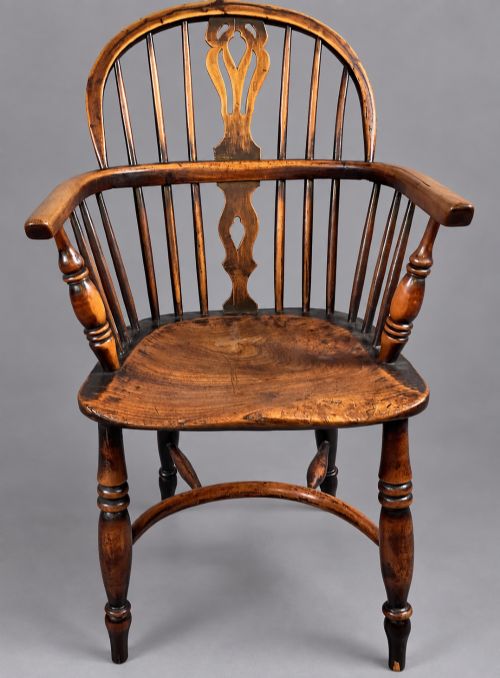
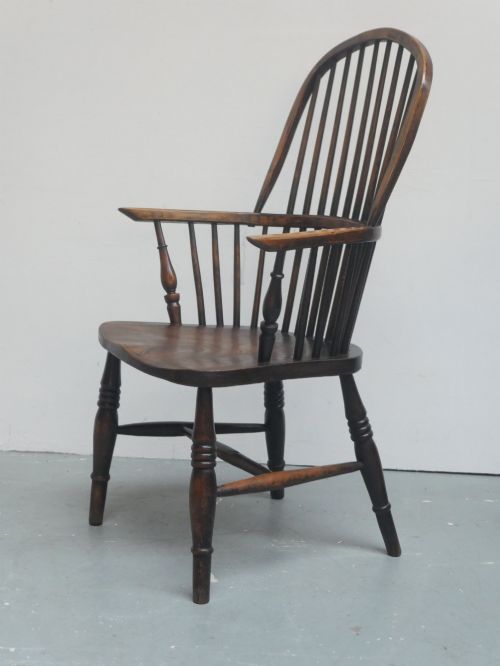
Construction methods combined traditional joinery such as mortise and tenon frames with spindle-turned elements and steam-bent uprights. Windsor designs relied on pierced splats, stick-backs, and saddle seats sculpted directly from single thick planks of timber.
What varies in quality
Quality in these chairs rests upon the selection of timber and the integrity of the original construction. Denser grain patterns in woods like elm and mahogany indicate superior durability and longevity.
Refined detailing distinguishes higher-end examples, such as crisply carved wheelbacks, intricate stick-back configurations, and well-balanced proportions. The skill of the original maker dictates whether a chair remains rigid and sound over generations of use.
William Morris·Maple and Co·Morris and Co
The Vintage Wooden Seat Chairs Glossary
- Windsor
- A traditional chair construction featuring a solid wooden seat into which the legs, back spindles, and bow are separately inserted.
- Carver
- An armchair designed in a similar style to a set of dining side chairs, often placed at the head of a table.
- Rush
- A traditional seating material woven from dried marsh plants to create a durable, textured surface.
- Stickback
- A chair back constructed from multiple plain turned spindles rather than a solid carved splat.
Vintage Wooden Seat Chairs: Frequently Asked Questions
How do I identify a Windsor chair?
A Windsor chair is characterised by a heavy solid wooden seat that directly receives the legs and back components. They often feature curved wooden backs and sculpted saddles.
Traditional country versions frequently combine elm seats with ash or beech spindles, reflecting regional English vernacular building methods.
Can I mix different vintage chairs around a dining table?
Mixing different vintage wooden seat chairs creates a relaxed harlequin arrangement rather than a uniform matching suite. Many buyers pair similar period silhouettes to achieve a collected look.
Ensuring consistent seat heights and similar arm clearance helps maintain practical comfort around a dining table.
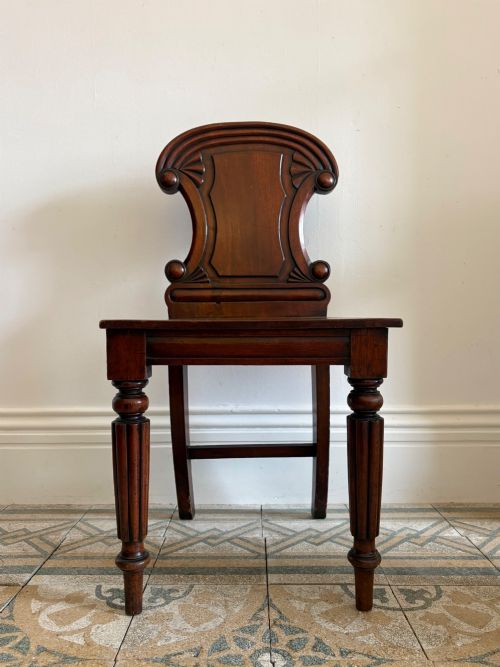
What is a hall chair?
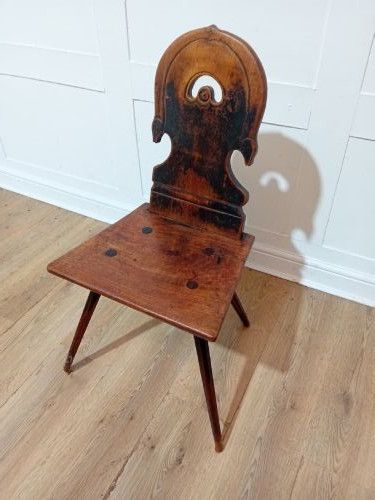
Hall chairs were traditionally placed in the entranceways of large houses rather than used for prolonged seating. They typically feature solid wooden seats and carved backs displaying family crests or decorative shields.
Due to their original placement, surviving examples are often constructed from durable hardwoods like oak or mahogany.
How should I care for a rush seat?
Rush seats require gentle cleaning and stable indoor humidity to prevent the natural woven fibres from drying out and snapping. Avoid placing them in direct sunlight or damp environments.
Regular light dusting keeps the woven strands free from abrasive dirt particles that weaken the material over time.