



Vintage Wooden Safe Box
These vintage wooden safe box examples span centuries of clever concealment, offering solid timbers and heavy metal mounts to keep valuables secure.
Vintage Wooden Safe Box
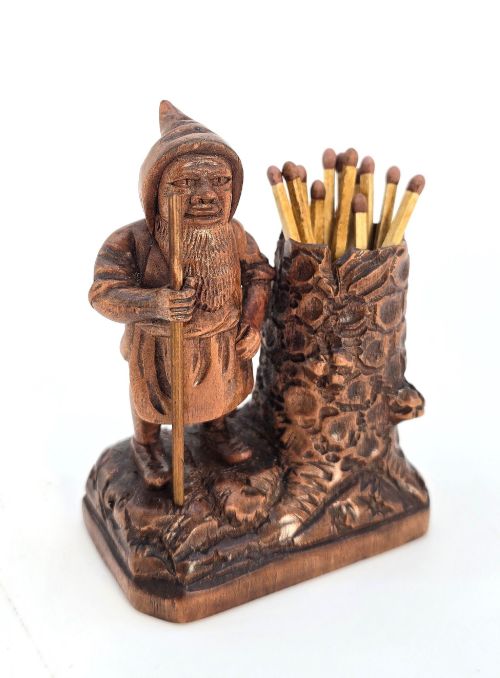
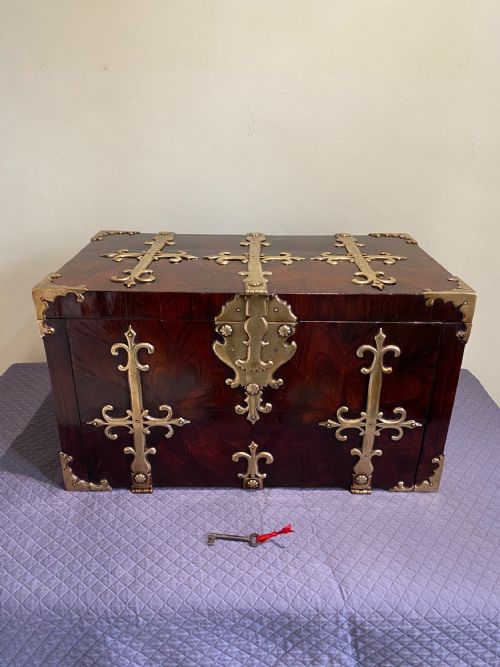
When you search for a vintage wooden safe box, you encounter a varied assortment of concealed storage, from disguised book forms to iron-bound trunks. The selection on this page ranges from compact match holders and key cabinets to large storage trunks and fitted chests.
Periods represented stretch from the seventeenth century through the Victorian and Edwardian eras up to the nineteen-twenties. Common forms include wall-mounted boxes, strongboxes, and cabinets incorporating internal safes or secret compartments.
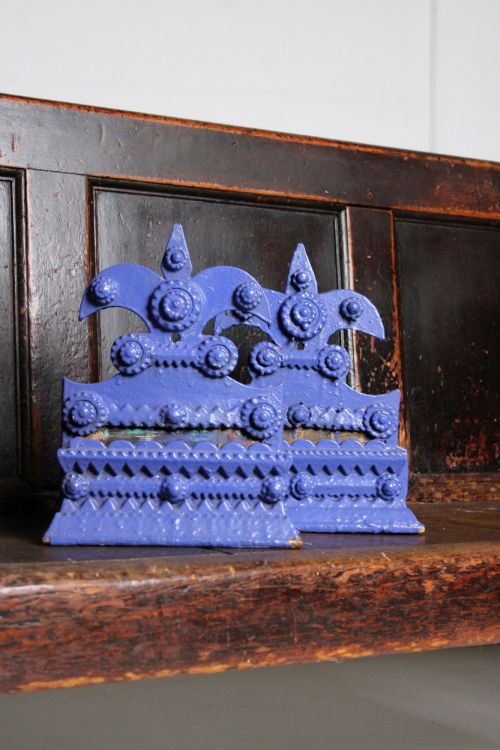
Materials span traditional hardwoods like oak, walnut, and mahogany alongside limewood and painted finishes, often reinforced with brass and iron mounts. Styles move through Arts and Crafts, Folk Art, Art Deco, and Baroque influences.
How they were made
Construction relies heavily on robust timbers such as oak, walnut, and mahogany, chosen for structural strength. Many pieces incorporate dense iron binding and brass hardware to reinforce the wooden frames.
Surface treatments vary from hand-painted oak finishes and tramp art carving to detailed limewood carving found on smaller decorative boxes. Interiors often feature specialised fittings like velvet-lined storage or integrated metal safes.
Listings feature woods such as oak, walnut, mahogany, and limewood, alongside painted finishes and metal hardware.
What varies in quality
The standard of a piece rests on the integration of its mechanism and timber. Superior examples feature seamless secret compartments, robust iron binding, and precise joinery that aligns heavy wooden doors without sagging.
Carving depth and material selection distinguish ordinary storage from exceptional folk art or decorative pieces. Finer items utilise high-grade hardwoods and retain original painted or polished surfaces.
The Vintage Wooden Safe Box Glossary
- Strongbox
- A heavily secured container used for valuables, typically constructed from thick timber and reinforced with iron bands and secure locking mechanisms.
- Tramp art
- A woodworking style popular in the nineteenth and twentieth centuries characterised by chip-carving layers of scrap wood, often using pocket knives.
- Secret safe book
- A hollowed or disguised book form designed to conceal valuables on a shelf, appearing as a standard volume while housing a hidden compartment.
- Key cabinet
- A wall-mounted or freestanding wooden box fitted with internal hooks specifically intended for hanging and organising keys.
- Panetière
- A traditional wooden cabinet or store used originally for bread, featuring ventilated panels or turned spindles.
Vintage Wooden Safe Box: Frequently Asked Questions
What is a wooden safe box?
A wooden safe box is a secure storage container built from timbers like oak or mahogany, often reinforced with iron or brass. They range from small book-form compartments to large iron-bound trunks.
These pieces were designed to keep currency, documents, and valuables protected while blending into domestic interiors.
How do I date a wooden safe?
Dating depends on observing construction methods, timber choices, and stylistic markers such as Victorian brass hardware or Art Deco geometric lines. Eighteenth and nineteenth-century pieces often display hand-cut joinery and heavy iron strapping.
Comparing the internal mechanisms and secondary woods helps place a piece within its correct period.
Are these boxes secure?
While many feature iron bindings, locks, or internal metal safes, their modern security value depends on the condition of the mechanism. They function primarily as decorative antiques and historical storage rather than modern certified safes.
Owners typically use them for displaying collections or securing small personal items rather than high-value assets.
How do I clean wooden storage trunks?
Maintenance involves dusting with a soft, dry cloth and occasionally applying a quality beeswax to nourish the timber. Avoid using harsh chemical cleaners or excess water on antique wood and metal mounts.
Preserving the original surface patina maintains the character and historical integrity of the piece.