

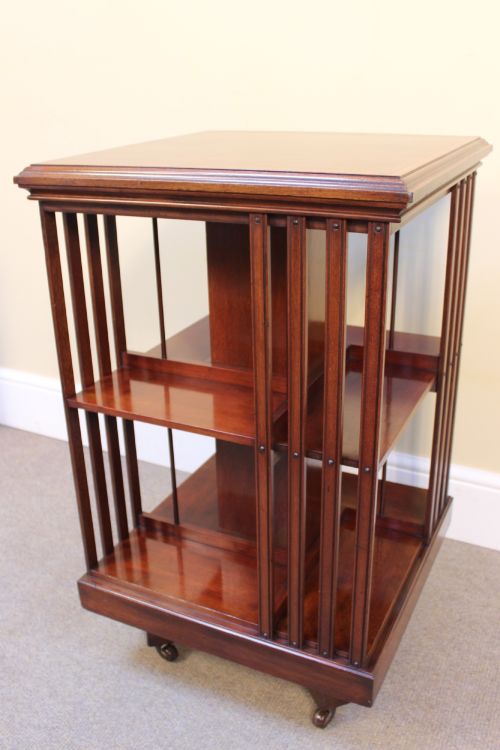
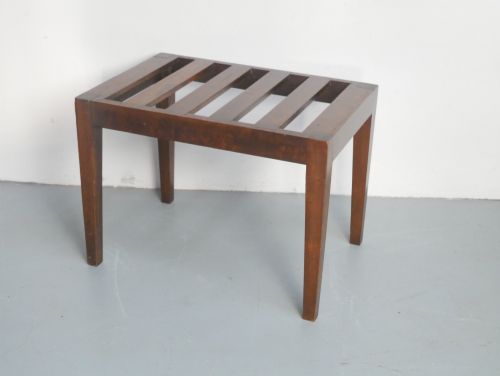
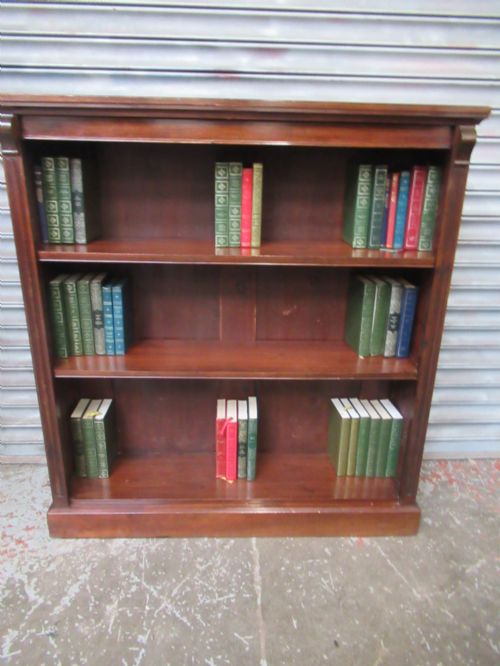
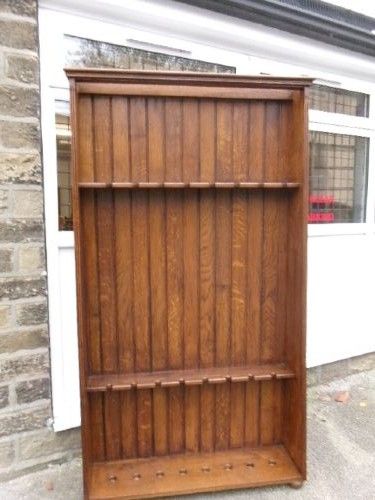
Vintage Wooden Rack
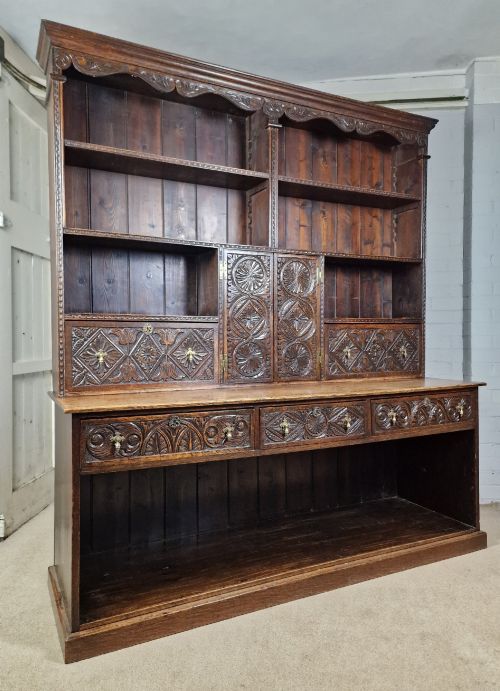
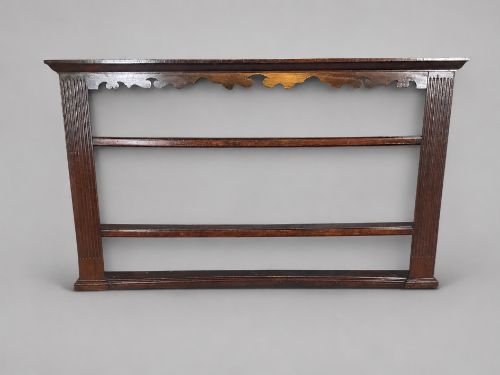
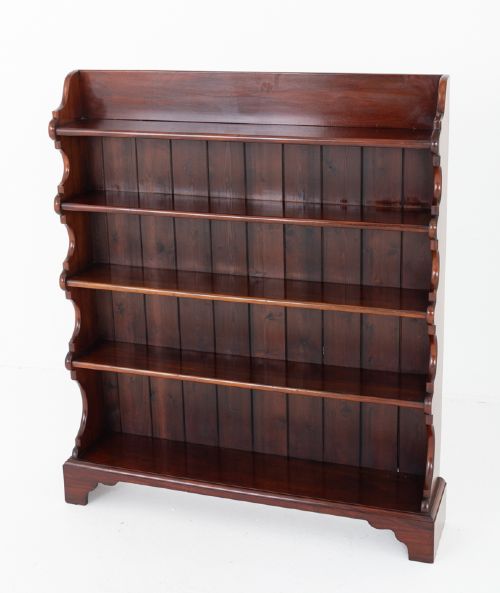
A vintage wooden rack organises an entrance hall or living space with honest utility, offering sturdy timber and period character.
Vintage Wooden Rack
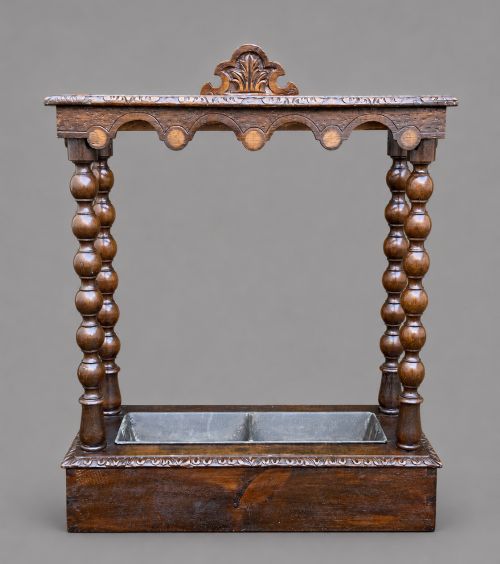
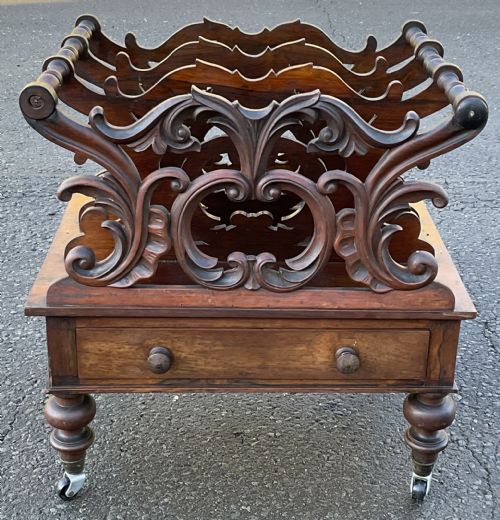
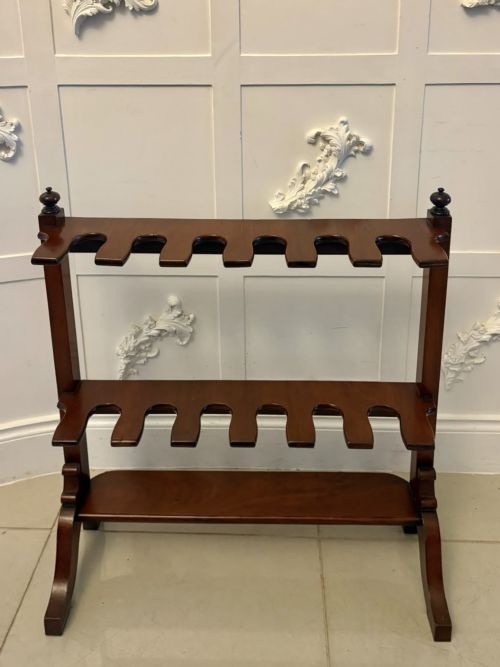
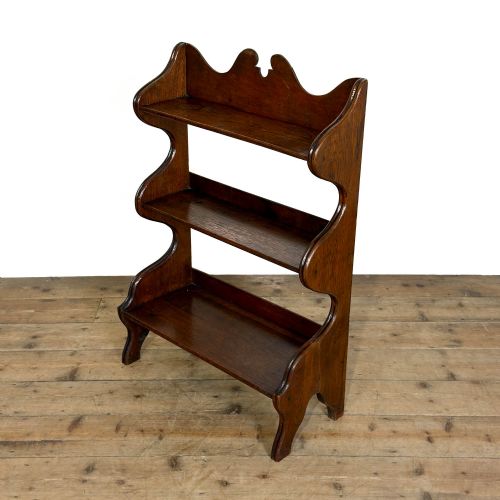
The selection frequently includes Victorian and Edwardian examples alongside Arts and Crafts designs, French country items, and campaign pieces. Simpler wall shelves and coat rails sit alongside substantial freestanding hall stands fitted with brass or iron hooks.
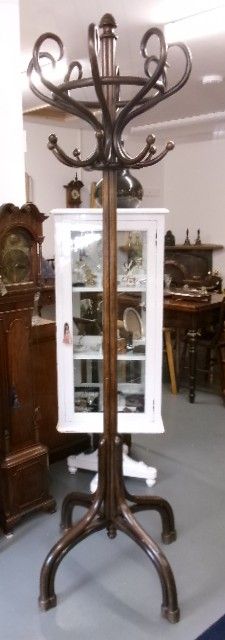
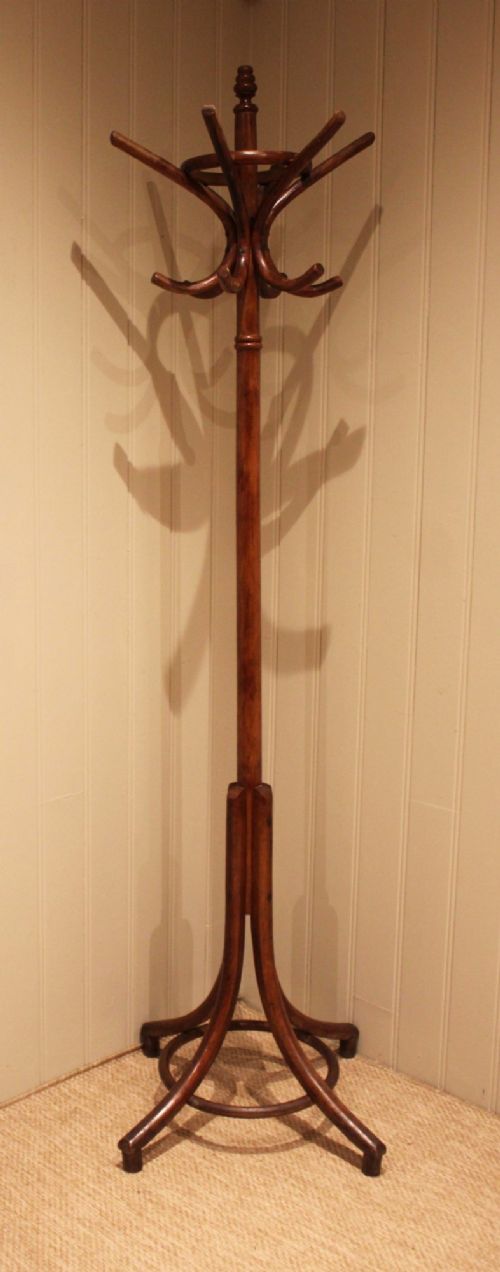
Early twentieth-century items bring functional versatility through bentwood techniques and folding frames, while earlier periods present denser hardwoods and carved detailing. Every form serves a distinct domestic purpose, from hallway storage to display in living rooms.
Materials and construction methods
Makers relied primarily on solid timbers such as oak, mahogany, and walnut, complemented by beech for bentwood elements and secondary woods like poplar. Construction methods combined traditional joinery with steam-bending techniques, particularly seen in Austrian and French bentwood pieces.
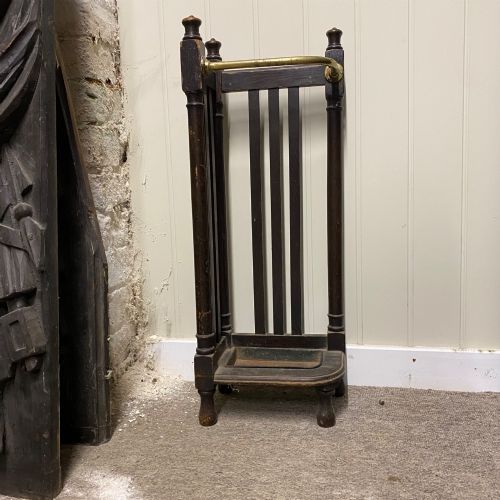
Metal components played a structural and decorative role, with brass and iron utilised for coat hooks, umbrella wells, brackets, and swivelling mechanisms. Surface finishes ranged from polished French polish on mahogany to waxed oak and painted or faux bamboo treatments.
Vintage Wooden Rack Retail Price Guide 2026
Typical asking prices for vintage wooden rack among the pieces listed under this phrase on Sellingantiques today, from the lower quarter to the upper quarter. They describe what is for sale here now, not the wider market.
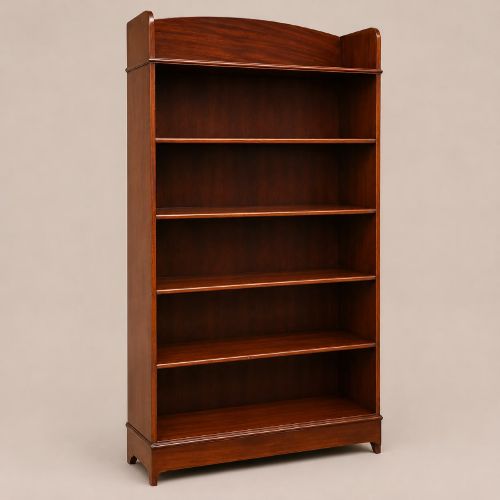
The listings demonstrate a strong presence of oak and mahogany, spanning simpler Victorian wall racks to elaborate Edwardian hall stands.
Evaluating the standard of construction
Quality rests upon the selection of timber and the integrity of the joinery, distinguishing robust daily-use items from lighter decorative pieces. Superior examples display thoughtful timber selection, such as figured mahogany or quarter-sawn oak, coupled with precise dovetailing or mortise and tenon joints.
The retention of original hardware, including brass coat hooks, drip pans in umbrella stands, and swivelling mechanisms, elevates the integrity of a piece. Finer items exhibit crisp hand-carving or balanced proportions, whereas utility items prioritize straightforward construction.
Thonet·Finnigans
The Vintage Wooden Rack Glossary
- Bentwood
- Wood shaped by steam to form curved structural elements, famously utilised by makers such as Thonet for lightweight coat stands.
- Hall Stand
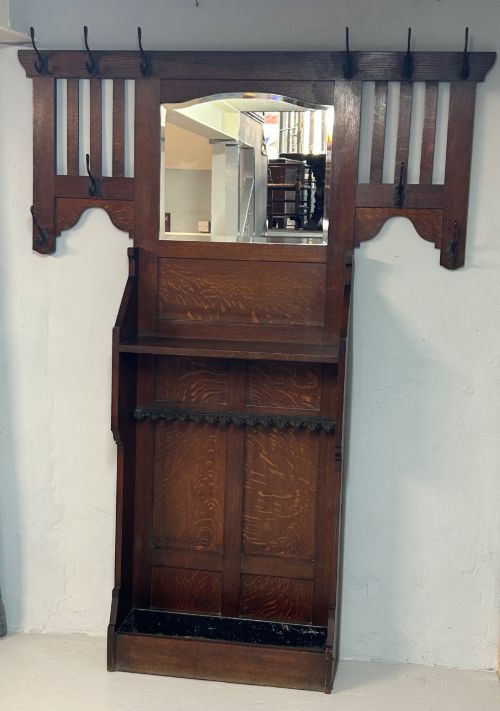
- A composite entrance hall furnishing incorporating coat hooks, a mirror, glove drawers, and umbrella stands with drip trays.
- Luggage Stand
- A low folding or rigid bench traditionally placed in guest bedrooms to hold travelling trunks or suitcases.
- Campaign
- Portable furniture designed for military officers, characterised by folding frames, dismantling structures, and recessed brass fittings.
- Whatnot
- An open set of tiered shelves used for displaying ornaments, books, or small objects in nineteenth-century interiors.
Vintage Wooden Rack: Frequently Asked Questions
What rooms suit a vintage wooden rack best?
These pieces fit naturally into entrance halls, boot rooms, and corridors where coats, hats, and umbrellas require orderly storage. Wall-mounted shelves and racks also function effectively in kitchens, bathrooms, and studies for hanging rails and displaying books.
Freestanding umbrella and coat stands anchor larger spaces, while smaller wall plaques suit compact hallways. Their practical utility matches their decorative presence across domestic interiors.
How do I identify an Arts and Crafts rack?
Arts and Crafts pieces emphasise exposed construction, honest materials like solid oak, and minimal applied decoration. Look for pegged joints, chamfered edges, and hammered or patinated brass hardware.
These designs often incorporate raised galleries, open shelves, or simple cut-out motifs rather than heavy Victorian carving. Their aesthetic values simplicity and functionality above formal ornamentation.
Were these racks used in offices or homes?
The majority of these pieces served domestic environments, particularly Victorian and Edwardian hallways, bedrooms, and reception rooms. Towel rails and luggage stands were designed specifically for domestic guest quarters and dressing rooms.
Some robust umbrella and coat stands also saw service in public houses, institutions, and professional offices. Their primary function remained the management of outdoor garments and personal items.
How do I care for antique wood and brass?
Maintain timber surfaces by applying appropriate beeswax or furniture polish sparingly to nourish the grain and preserve the finish. Avoid placing pieces near direct heat sources or in damp conditions to prevent wood movement.
Clean brass hooks and fittings gently without harsh abrasives to retain their natural patination. Regular dusting keeps the surfaces safe from accumulated grit.