


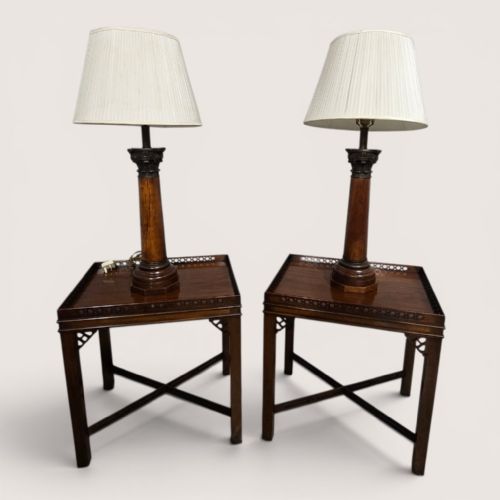
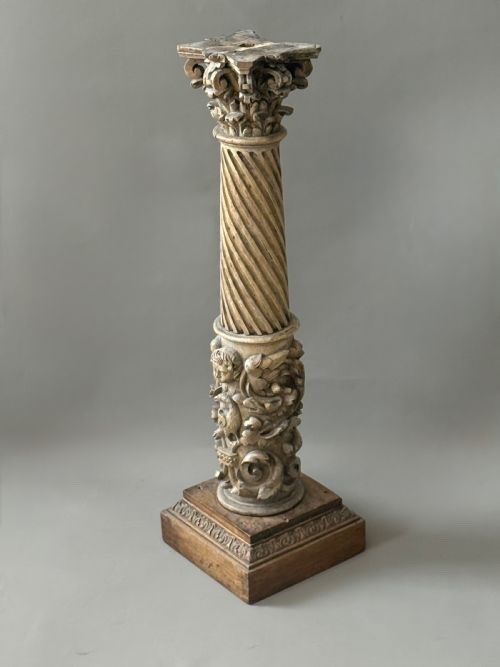

Vintage Wooden Pillar
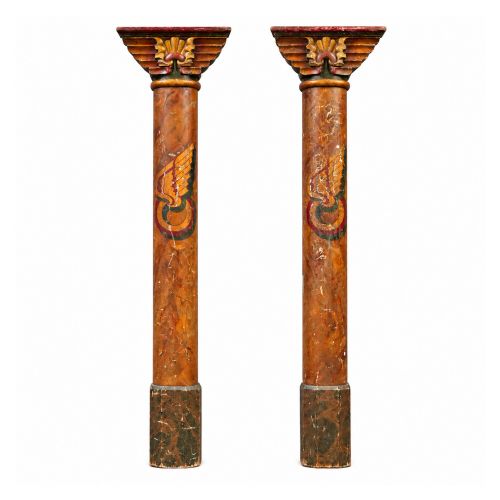
These vintage wooden pillar examples bring substantial architectural presence into a room, offering functional support or striking display surfaces.
Vintage Wooden Pillar
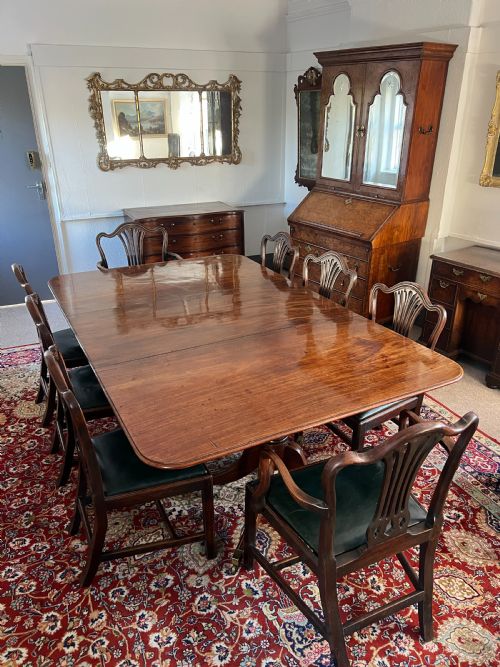
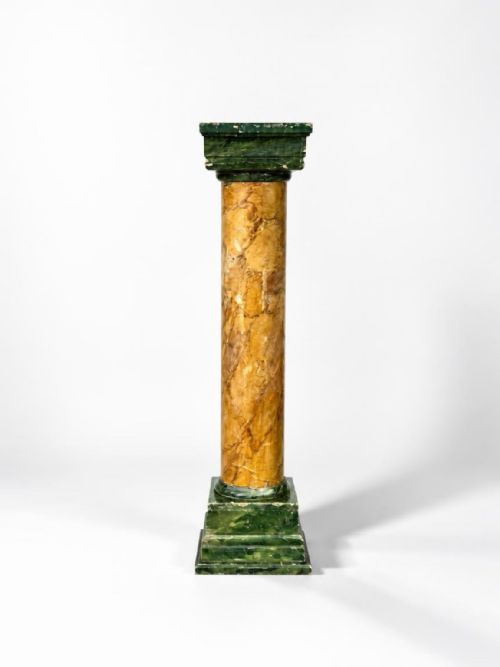
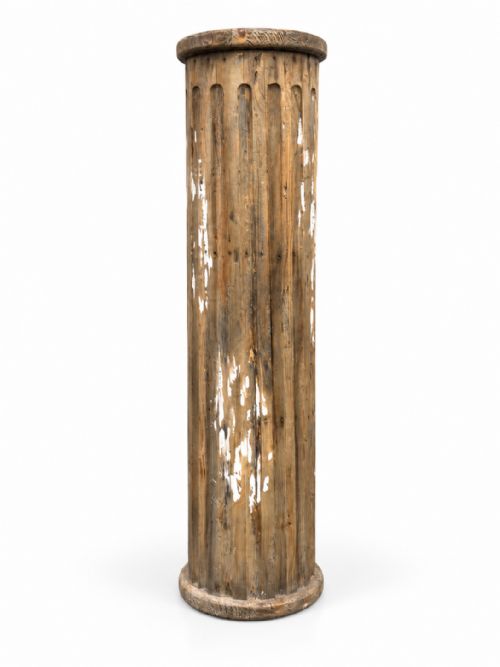
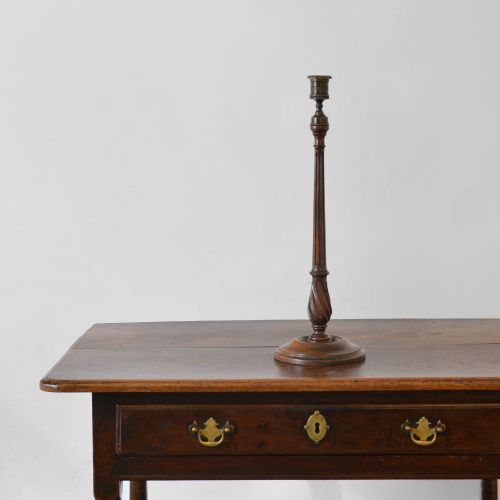
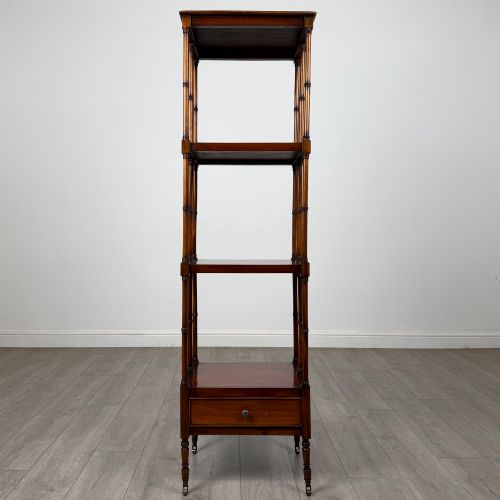
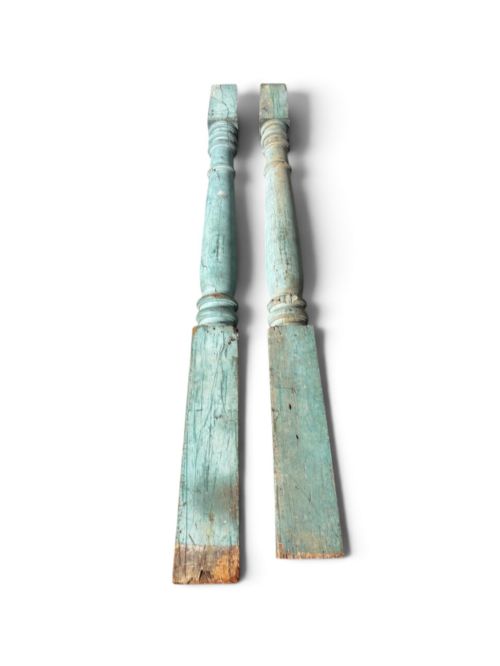
A vintage wooden pillar covers a diverse range of forms, from grand dining table supports and architectural salvage columns to turned candlesticks and lamp bases. When exploring this phrase, buyers encounter items originating from the seventeenth century through to the early twentieth century, spanning Georgian, Regency, and Edwardian periods.
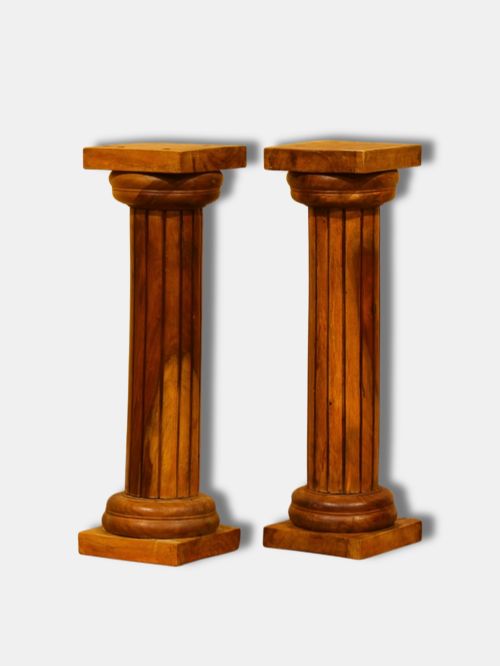
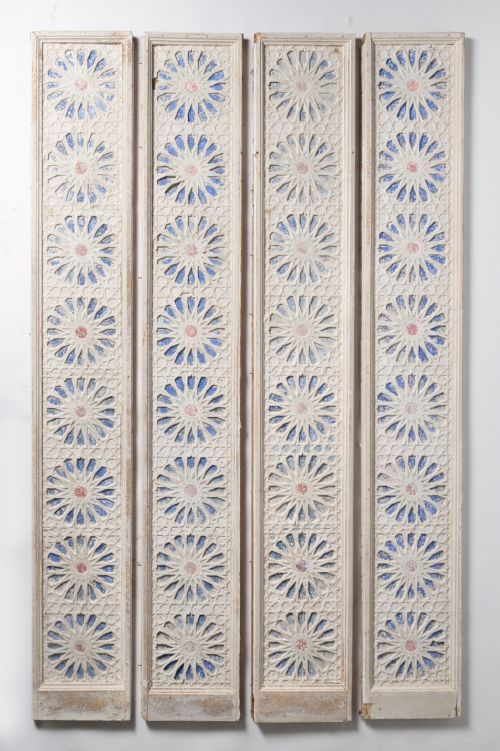
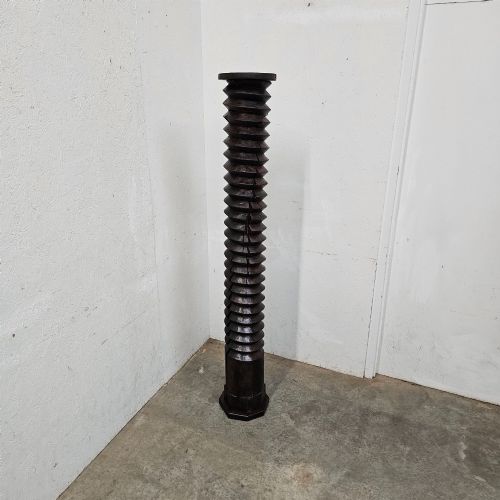
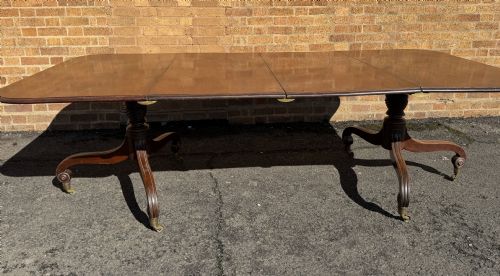
The selection on this page leans heavily towards large extendable dining tables with twin or triple pillars, alongside pairs of carved hardwood columns and turned wooden candlesticks. These pieces derive from various traditions, including English craftsmanship, continental baroque workshops, and architectural salvage.
Materials and construction methods
Makers utilised dense timbers such as mahogany, oak, walnut, macassar ebony, and assorted hardwoods, frequently turning, carving, or painting the surfaces. Decorative details incorporate gesso applications, brass elements, carved ionic capitals, and carved stone bases.
Construction techniques range from the joinery required for multi-pillar extending dining tables to the lathe-turning employed for candlesticks and table lamps. Architectural columns and bed posts reflect traditional carpentry and structural carving methods suited to softwood and hardwood.
Vintage Wooden Pillar Retail Price Guide 2026
Typical asking prices for vintage wooden pillar among the pieces listed under this phrase on Sellingantiques today, from the lower quarter to the upper quarter. They describe what is for sale here now, not the wider market.
The periods represented span from the 17th Century through Georgian, Regency, Victorian, and Edwardian eras up to the 1930s.
Assessing quality in carved and turned wood
Quality rests in the crispness of the hand-carved details, such as capitals and foliage, and the depth of the timber's grain and finish. Superior examples display balanced proportions, harmonious matching in pairs, and integrity in the original turned or joined structure.
Condition and originality dictate distinction, separating items intended purely for decorative salvage from those retaining fine cabinet-maker execution. The presence of integrated mechanisms, such as secret compartments, or sophisticated decorative finishes like painted highlights also elevates certain examples.
Whytock and Reid·Marguerite
The Vintage Wooden Pillar Glossary
- Architectural salvage
- Building elements rescued from structures slated for demolition. These pieces are often repurposed as decorative interior columns or lamp bases.
- Torchere
- A tall stand or pedestal designed to support a candelabrum, lamp, or urn. They frequently feature turned wooden pillars and elevated platforms.
- Gesso
- A plaster-based material applied to wood surfaces to create a smooth base for painting or gilding. It allows for crisp decorative moulding.
Vintage Wooden Pillar: Frequently Asked Questions
What are vintage wooden pillars used for today?
Buyers repurpose architectural columns and pedestals as sculptural focal points in a room or as display stands for art and lamps. Smaller turned pillars function as candlesticks or table lamps.
Dining table pillars remain part of extendable tables, serving both structural support and aesthetic roles in formal dining spaces.
How do I identify a Georgian pillar from a later copy?
Georgian and Regency pieces typically exhibit timber selection, such as dense early mahogany, and hand-turned details consistent with eighteenth and early nineteenth-century workshop practices.
Examining the joint construction, tool marks, and overall wear patterns helps distinguish genuine period examples from later revivals.
What maintenance do antique wooden pillars require?
Regular dusting with a soft, dry cloth prevents particulate accumulation on carved surfaces and capitals. Avoid placing wooden pillars near direct heat sources or strong sunlight to prevent timber splitting.
Applying appropriate wax occasionally helps nourish hardwoods like mahogany and oak without harming historical finishes.