

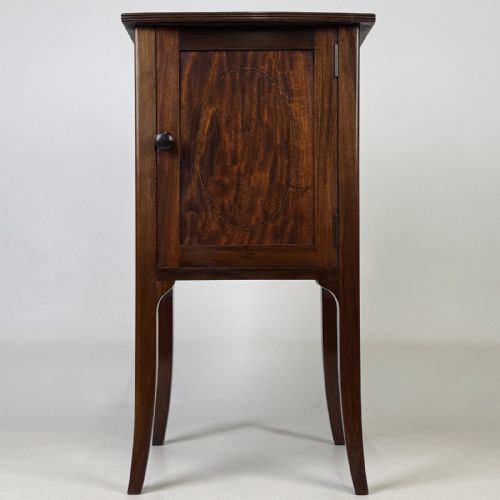
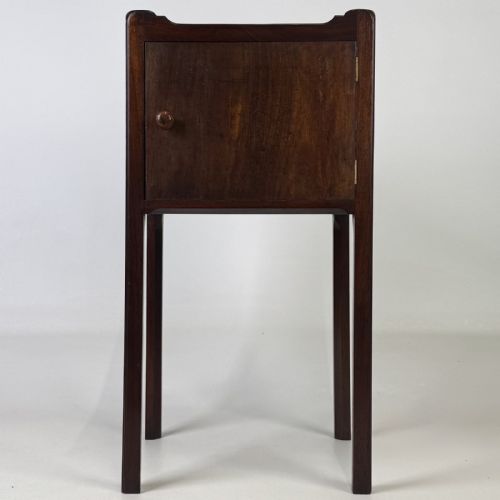
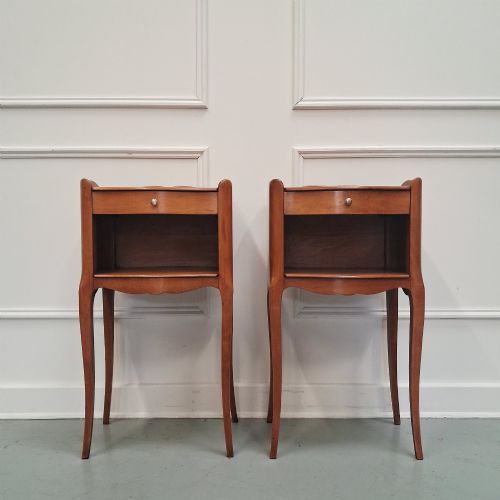
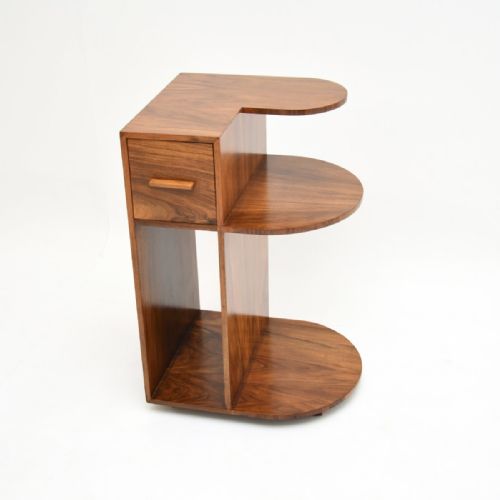


Vintage Wooden Night Table
These vintage wooden night table options offer practical bedside storage and period character, bringing traditional craftsmanship directly to the bedroom.
Vintage Wooden Night Table
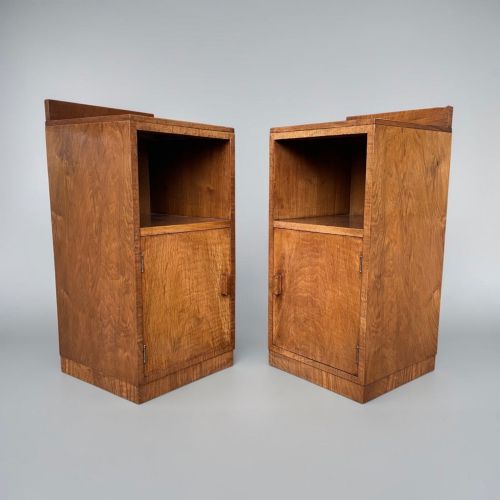
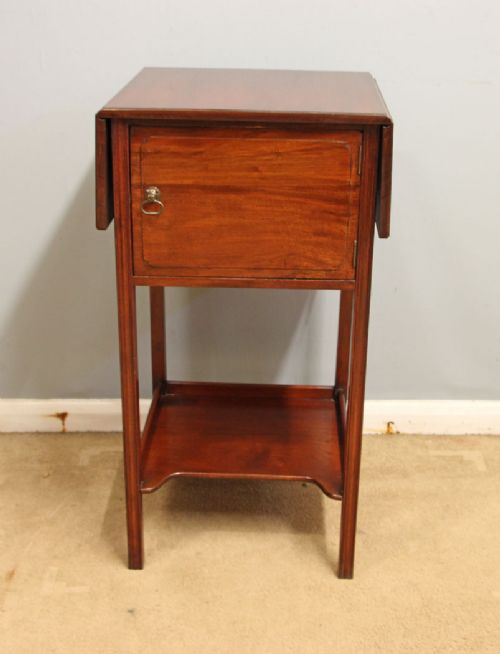
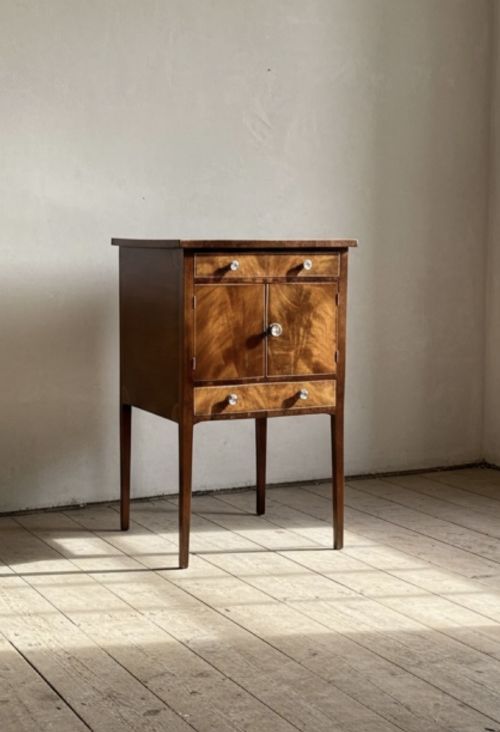
A vintage wooden night table selection encompasses compact bedside cabinets, commodes, and lamp tables designed for domestic utility. Buyers searching for a vintage wooden night table will encounter various forms ranging from Georgian bedside chests to Edwardian cabinets.
The inventory spans multiple periods including the eighteenth century, Victorian era, Edwardian period, and Art Deco design movements. Cabinets frequently feature enclosed storage with cupboards or drawers, alongside open shelf variations serving as night stands.
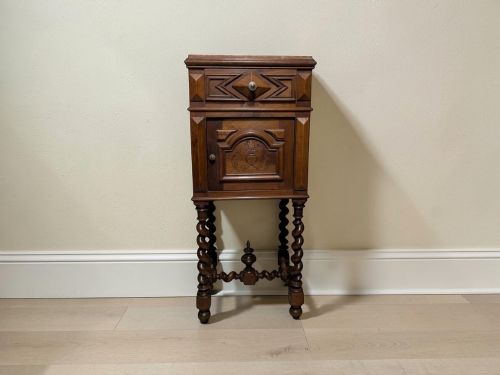
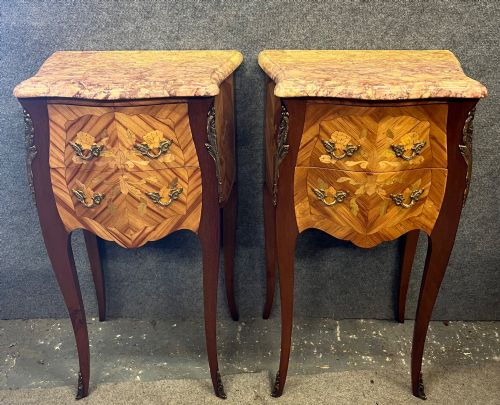
Origins include traditional British cabinetmaking as well as continental French provincial styles. Many examples function equally well as lamp tables or small side cabinets within living spaces.
Materials and construction
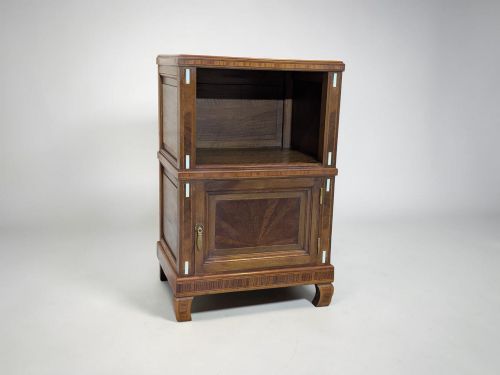
Construction relies heavily on solid timber and quality veneers, with mahogany serving as the predominant wood alongside walnut, satinwood, and bleached oak. Artisans applied flame mahogany veneer and intricate marquetry inlay to enhance visual depth.
Functional details incorporate contrasting stringing, brass hardware, and inset marble tops designed for durability. Cabinets utilise traditional joinery methods appropriate to their respective periods, from eighteenth-century commode construction to twentieth-century bedside tables.
Vintage Wooden Night Table Retail Price Guide 2026
Typical asking prices for vintage wooden night table among the pieces listed under this phrase on Sellingantiques today, from the lower quarter to the upper quarter. They describe what is for sale here now, not the wider market.
Listings feature mahogany, walnut, oak, and satinwood across eighteenth-century, Victorian, Edwardian, and Art Deco periods.
Evaluating the standard
Quality separates through the selection of timber figures, such as highly figured walnut or richly grained mahogany. The crispness of inlaid marquetry and the retention of original brass fittings indicate higher standards of workshop production.
Structural integrity and the preservation of original marble surfaces or tray tops distinguish superior examples from standard utility pieces. Finer specimens display careful attention to internal drawer linings and harmonious proportion.
The Vintage Wooden Night Table Glossary
- Bedside Cabinet
- A small enclosed piece of furniture designed to stand beside a bed, usually featuring a cupboard door above or below a drawer.
- Tray Top
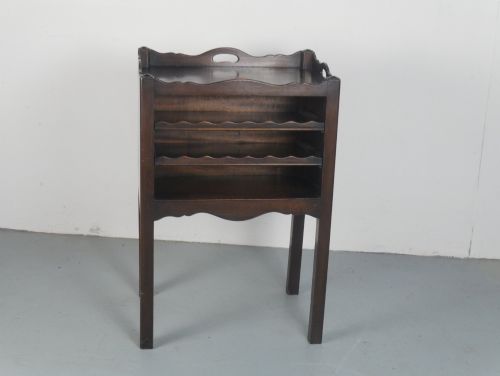
- A raised gallery rim edging the top surface of a table or cabinet, originally intended to prevent items from sliding off.
- Marquetry
- Decorative veneer work formed by fitting together small pieces of wood, shell, or ivory to create pictorial or geometric designs on a surface.
- Commode
- In this context, a enclosed bedside cupboard historically designed to house a chamber pot, now repurposed as a bedside table.
- Satinwood
- A durable, yellowish-wood prized for its lustrous sheen and utilised extensively in fine eighteenth and nineteenth-century cabinetmaking.
Vintage Wooden Night Table: Frequently Asked Questions
How do I choose the right height?
Measure the top of your mattress to ensure the cabinet surface sits level or slightly lower for comfortable access during the night.
Consider the proportions of the bed frame when selecting between compact shelf units and larger pedestal cabinets.
Are these tables sturdy enough for lamps?
Traditional wooden construction provides ample stability for standard bedside lamps and alarm clocks.
Heavier marble-topped variants offer extra weight and a durable surface resistant to liquid rings and scratches.
Can I mix different wood tones?
Pairing mahogany or walnut tables with contrasting bedroom decor adds visual depth rather than demanding strict matching.
Focus on similar period proportions or shared hardware details to unify disparate wood finishes within the room.
How do I maintain the wood finish?
Apply traditional beeswax periodically to nourish the timber and maintain a soft natural lustre.
Avoid placing items directly on vulnerable polished surfaces by utilising coasters or protective mats.