

Vintage Wooden Music Stand
A vintage wooden music stand brings architectural timber and adjustable height to a room, holding scores or folios with upright grace.
Vintage Wooden Music Stand
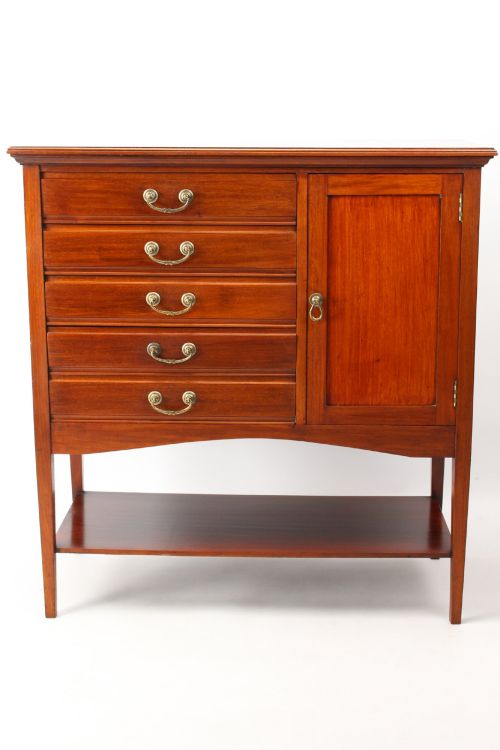
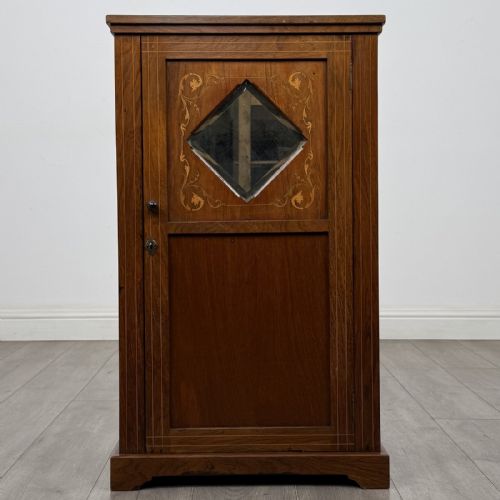
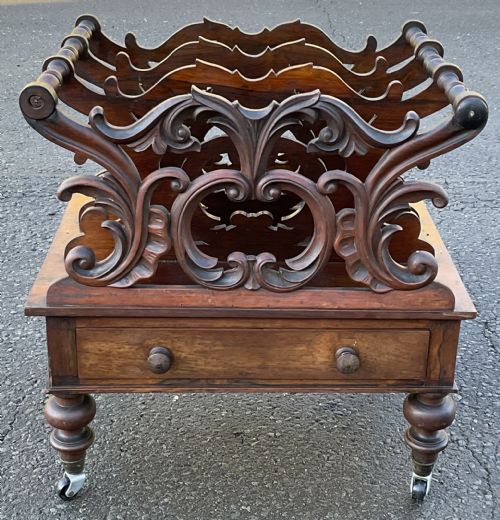
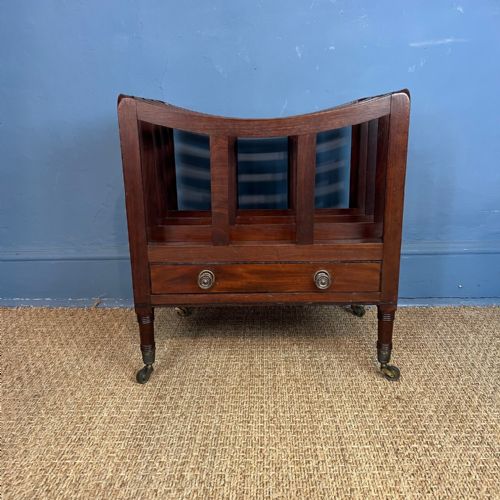
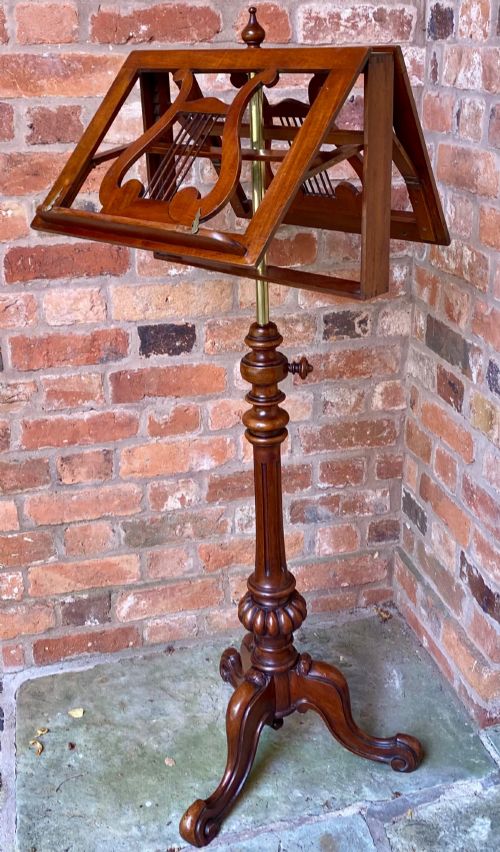
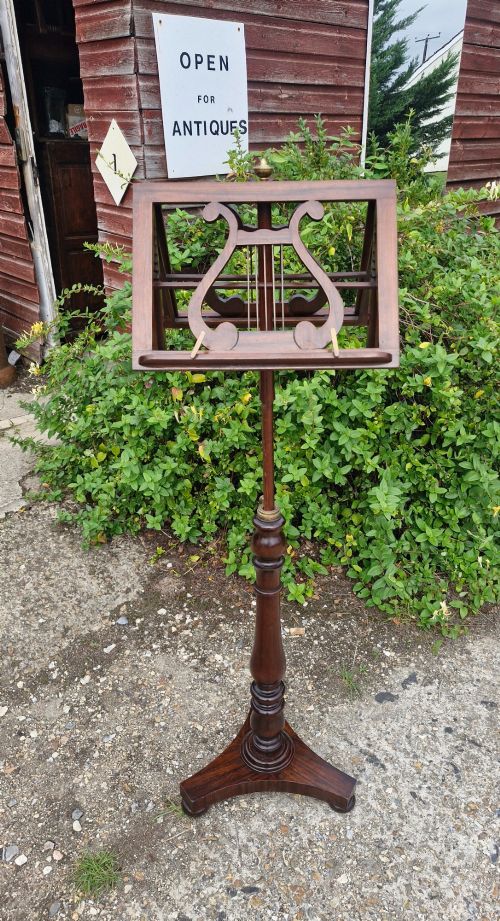
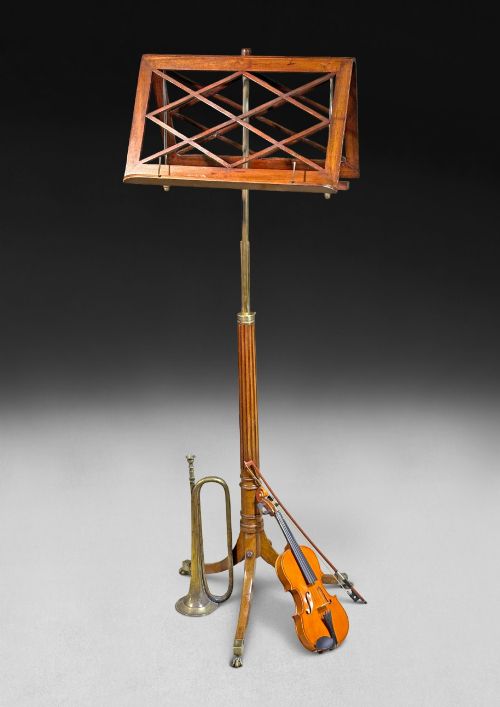
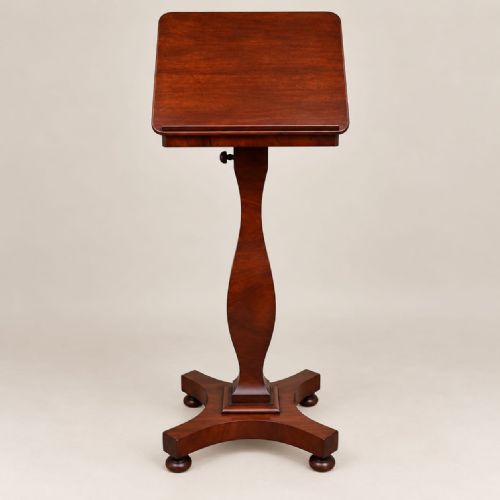
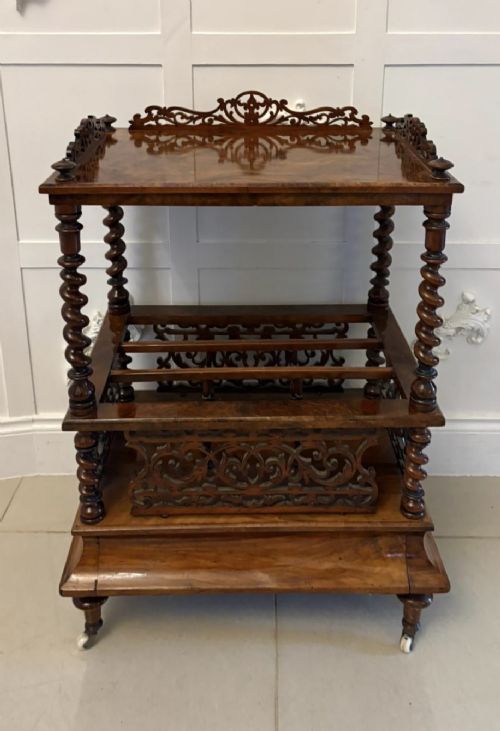
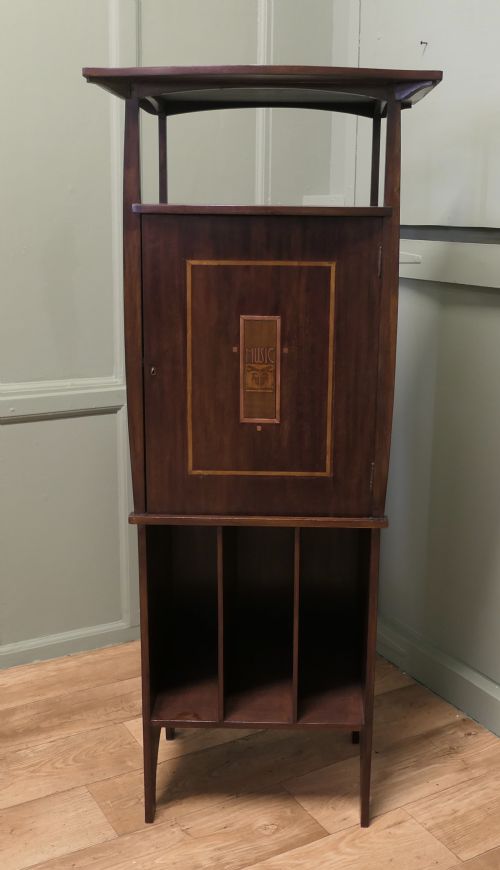
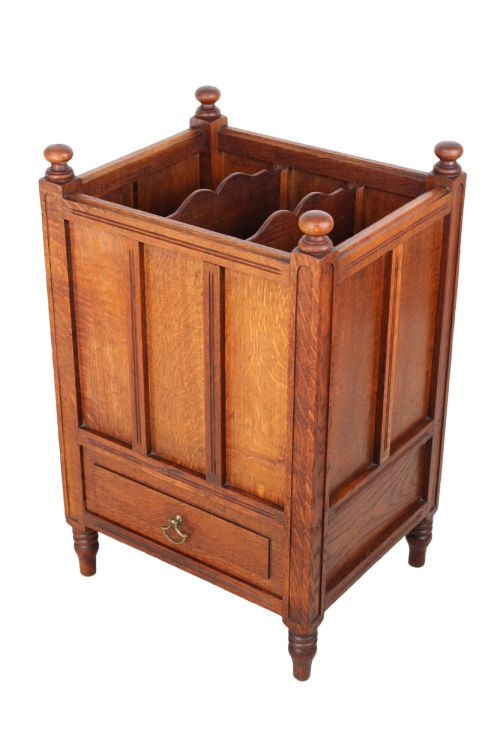
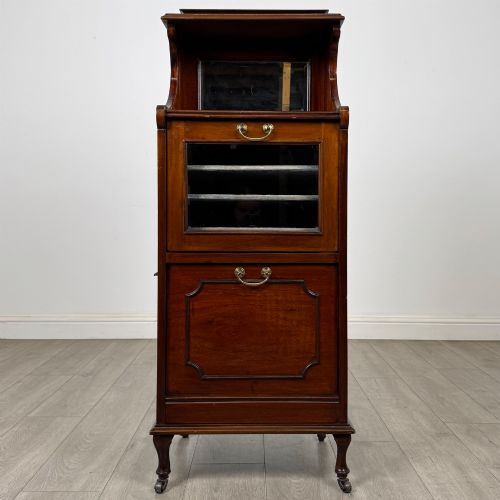
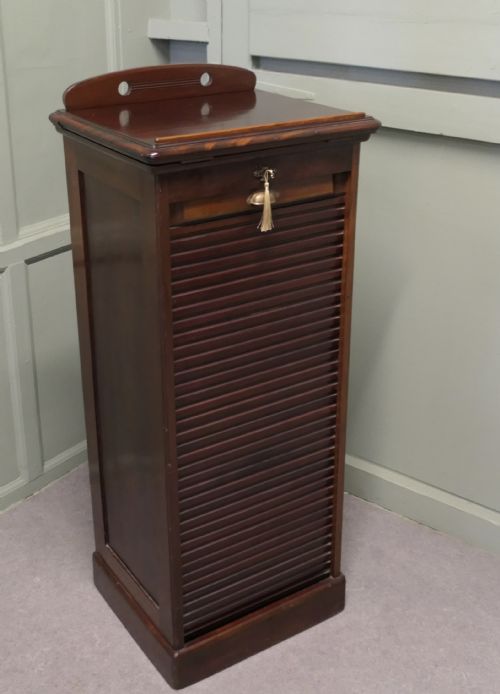
A vintage wooden music stand encompasses adjustable reading stands, duet lecterns, sheet music cabinets, and multi-tier canterburys spanning the Georgian, Regency, Victorian, and Edwardian periods. You are most likely to encounter mahogany and walnut music stands or canterburys featuring adjustable shafts, carved supports, and fitted drawers for folios.
Makers and cabinet makers of the nineteenth and early twentieth centuries constructed these pieces from dense hardwoods to support heavy bound volumes of music and periodicals. The selection includes pedestal stands designed for standing musicians alongside low compartmentalised racks for domestic parlours.
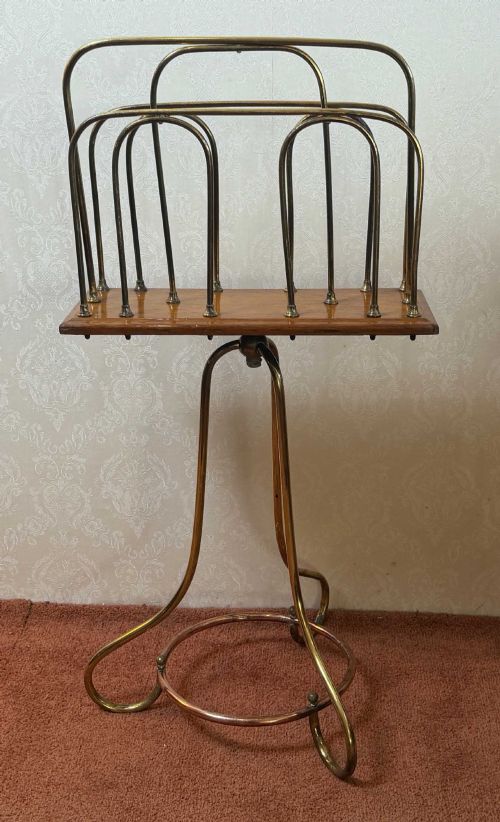
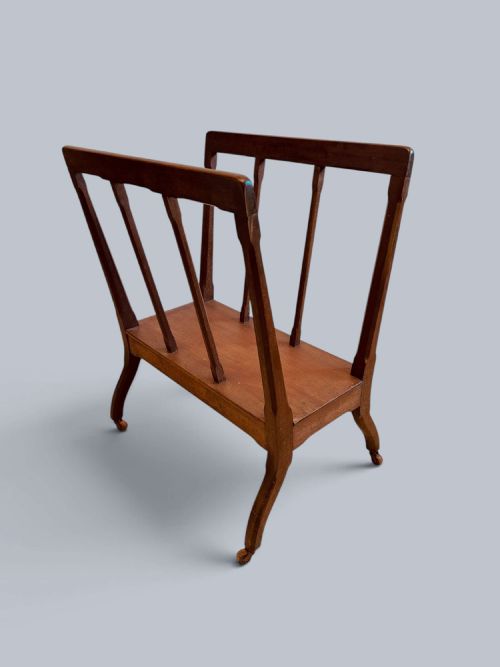
The forms range from single-stem brass-ornamented reading tables to compartmentalised oak cabinets and folding Arts and Crafts designs. Each piece reflects the domestic musical habits and interior reading culture of its respective period.
How they were made
Cabinet makers utilised dense hardwoods such as mahogany, walnut, burr walnut, rosewood, and oak, often selecting figured veneers for visual depth on cabinet doors and tabletops. These timbers were chosen for structural strength to support the weight of heavy bound scores without warping.
Brass fittings, ratchets, screw adjustments, and castors appeared frequently on adjustable stands and canterburys, allowing users to alter reading angles and mobility. Joinery methods relied on dovetailed drawers, turned uprights, and carved detailing specific to Regency and Victorian workshops.
Vintage Wooden Music Stand Retail Price Guide 2026
Typical asking prices for vintage wooden music stand among the pieces listed under this phrase on Sellingantiques today, from the lower quarter to the upper quarter. They describe what is for sale here now, not the wider market.
Listings feature mahogany, walnut, burr walnut, oak, rosewood, ebonised wood, and brass across the 19th Century, Regency, Victorian, Edwardian, and Georgian periods.
What varies in quality
The sophistication of the mechanical adjustment mechanisms marks the distinction between standard utilitarian items and finer parlour pieces. Smoothly operating brass ratchets and screw threads indicate superior original hardware.
Timber selection and surface figure dictate the visual hierarchy, with book-matched burr walnut veneers and Cuban mahogany displaying richer grain patterns than plain utility oak or secondary pine linings.
GM Elwood for JS Henry
The Vintage Wooden Music Stand Glossary
- Canterbury
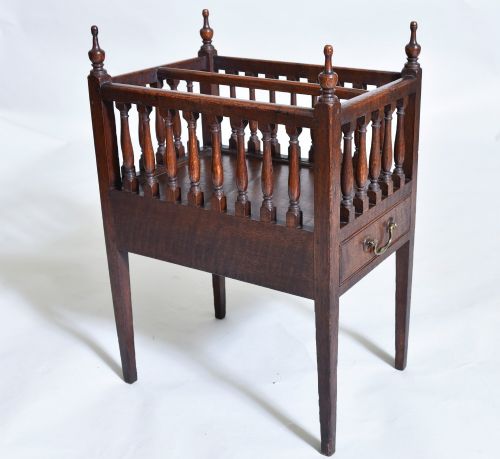
- A low wooden stand featuring upright partitions, originally designed to hold sheet music and later utilised for newspapers and magazines.
- Duet stand
- A music stand fitted with two separate reading desks facing opposite or adjacent directions, allowing two musicians to read simultaneously.
- Lectern
- A freestanding stand with a slanted top designed to support large books or manuscripts for reading while standing.
- Ebonised wood
- Timber treated with a dark stain or finish to imitate expensive ebony, popular during the Victorian period.
Vintage Wooden Music Stand: Frequently Asked Questions
What is a vintage wooden music stand used for?
These pieces serve to hold sheet music, folios, and books at an adjustable reading angle while standing or sitting. They also function in modern rooms as display stands for large art books or as magazine storage.
Their upright proportions and built-in compartments make them adaptable for organising periodicals in living spaces without occupying much floor area.
How do I adjust a vintage music stand?
Many period stands feature a sliding central wooden shaft controlled by a brass thumbscrew or a mechanical ratchet mechanism behind the desk. Loosing the screw allows you to raise or tilt the reading slope before tightening it back into position.
Care should be taken with older brass threads and wooden ratchets to avoid forcing the mechanism beyond its original range of movement.
How do I identify a Victorian music stand?
Victorian examples often display heavier proportions, darker woods like rosewood and burr walnut, and rich carved detailing or ebonised accents. They frequently include adjustable brass fittings and robust pedestal bases.
Earlier Regency pieces tend to show lighter mahogany frames with slender turned legs, while Edwardian versions favour simpler inlaid mahogany or oak construction.