





Vintage Wooden Hammer
A vintage wooden hammer brings functional craft and period character to a desk or mantelpiece, spanning utility and ceremony.
Vintage Wooden Hammer
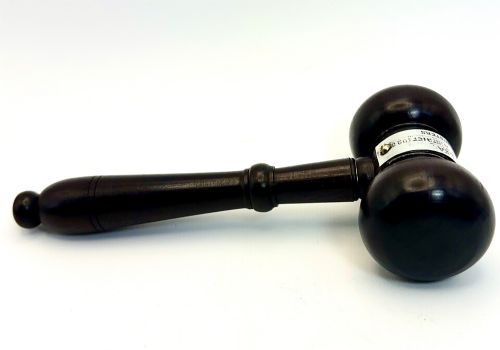
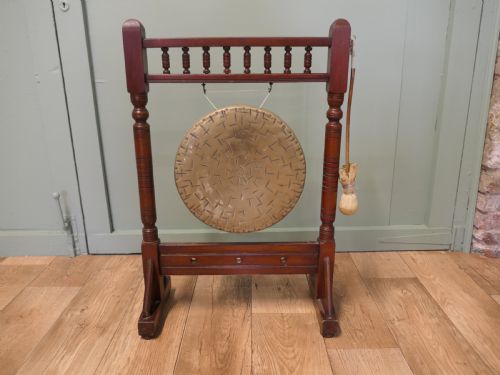
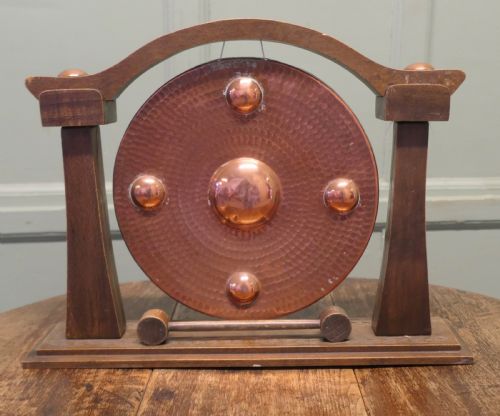
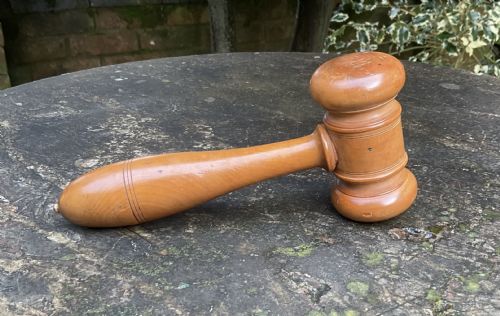
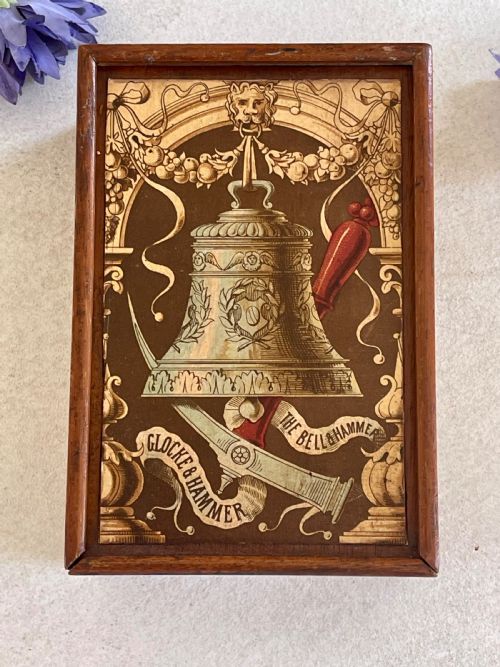
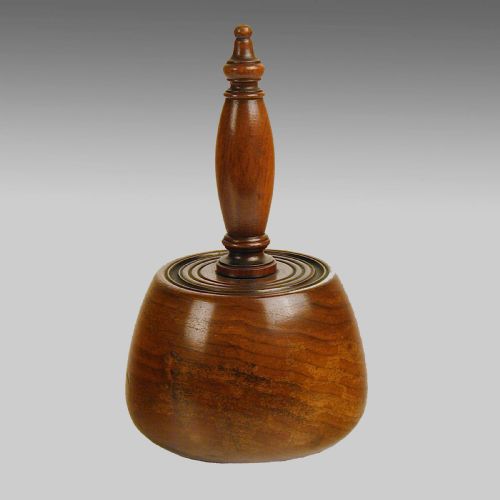
When you search for a vintage wooden hammer, you uncover a varied selection of striking implements, gavels, ceremonial mallets, and dinner gongs spanning the nineteenth and early twentieth centuries. These pieces serve distinct purposes, from auctioneer gavels and mason's mallets to parlour game bells and floor-standing dinner gongs.
The items found here cross several historical periods including Victorian, Edwardian, and the nineteen-twenties. Styles range from plain utilitarian treen to ornate Arts and Crafts and Gothic Revival designs, reflecting the diverse uses wood and metal found in domestic and public life.
Many examples incorporate mixed media, pairing dense timber heads with brass, copper, or silver mounts. Others take unconventional forms, such as walking sticks and sword sticks featuring hammer-head grips or items tied to specific regional histories.
How they were made
Makers utilised a variety of dense hardwoods including boxwood, fruitwood, oak, mahogany, and blackthorn to ensure the striking heads and handles withstood repeated impact. Turning on a lathe shaped many of the cylindrical and tapered profiles seen on gavels and mallets.
Metal components such as brass, copper, and silver appear as gong bowls, mountings, and decorative collars, often attached with traditional joinery and fixings. Hand-carving adds surface detail and texture to specific Arts and Crafts and Gothic Revival pieces.
Vintage Wooden Hammer Retail Price Guide 2026
Typical asking prices for vintage wooden hammer among the pieces listed under this phrase on Sellingantiques today, from the lower quarter to the upper quarter. They describe what is for sale here now, not the wider market.
Listings feature items from the Victorian, Edwardian, and nineteen-twenties periods, constructed in oak, mahogany, boxwood, and fruitwood.
What varies in quality
The grade of timber and the precision of the turning set the baseline for each piece, with dense close-grained hardwoods offering superior durability and weight. Finer examples display balanced proportions and crisp, intentional hand-carving rather than hurried shaping.
The integration of metal elements, whether a resonant gong or a secure brass mount, distinguishes standard utility items from more ambitious decorative works. Completeness also matters, particularly where bells, gongs, or game sets retain their original strikers and instructions.
The Vintage Wooden Hammer Glossary
- Gavel
- A small wooden mallet with a handle, tapped to call for attention or order in a meeting, auction, or court.
- Treen
- Small handmade wooden domestic objects, valued for their material and utilitarian history.
- Ceremonial mallet
- A decorative or ritual striking tool used in formal masonry or civic proceedings rather than heavy trade work.
- Dinner gong
- A suspended metal disc or bowl struck with a mallet to announce meals in a large household.
- Arts and Crafts
- A design movement valuing traditional craftsmanship, visible construction, and simple forms over mass production.
Vintage Wooden Hammer: Frequently Asked Questions
How do I date a wooden hammer?
Dating relies on identifying the style, turning characteristics, and material choices relative to known periods like the Victorian era or the nineteen-twenties. Details such as hand-carved motifs or Arts and Crafts influences offer further clues.
Makers' marks or inscriptions, where present, can also narrow down the year of origin.
Were dinner gongs used in everyday homes?
Dinner gongs served as a standard household method for signalling the evening meal across Victorian and Edwardian domestic spaces. Floor-standing and table versions allowed the sound to carry through large rooms and corridors.
They combined functional metalwork with decorative wooden frames to suit interior aesthetics.
What woods are most common?
Common timbers include boxwood, oak, mahogany, and fruitwood selected for their density and finish. Blackthorn and various mixed hardwoods also appear in specific walking stick handles and regional pieces.
Each wood reacts differently to polishing and wear over time.