

Vintage Wooden File Chest
A vintage wooden file chest brings heavy working heritage into a domestic interior, offering deep drawers built to organise paper without losing the character of the workshop or office.
Vintage Wooden File Chest
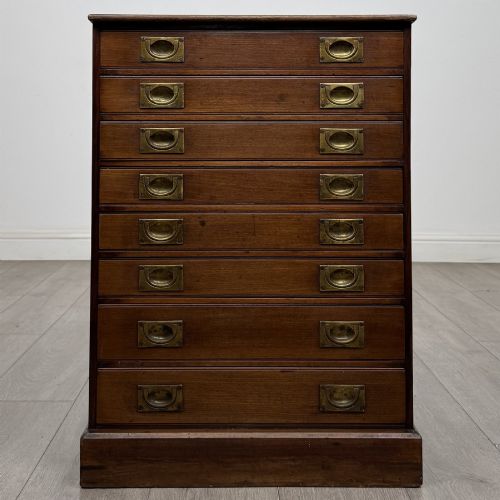
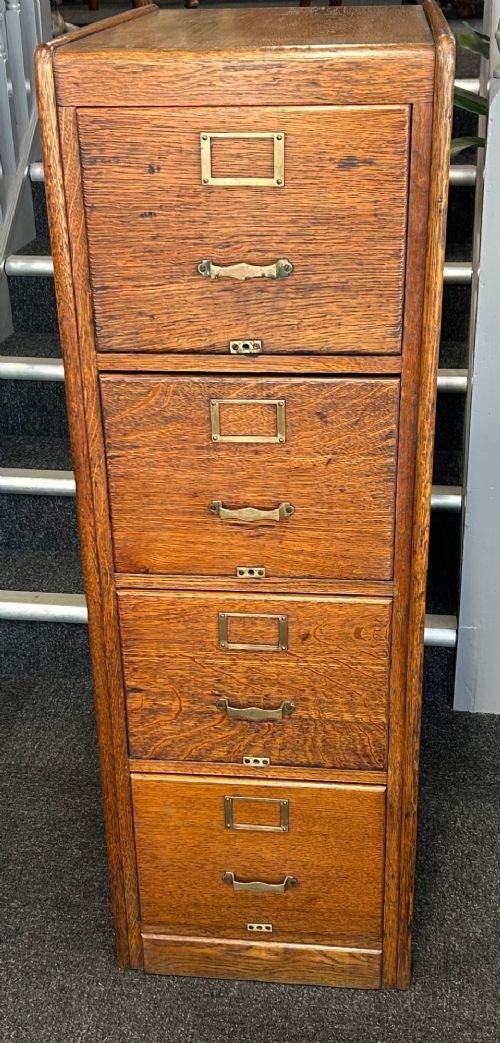
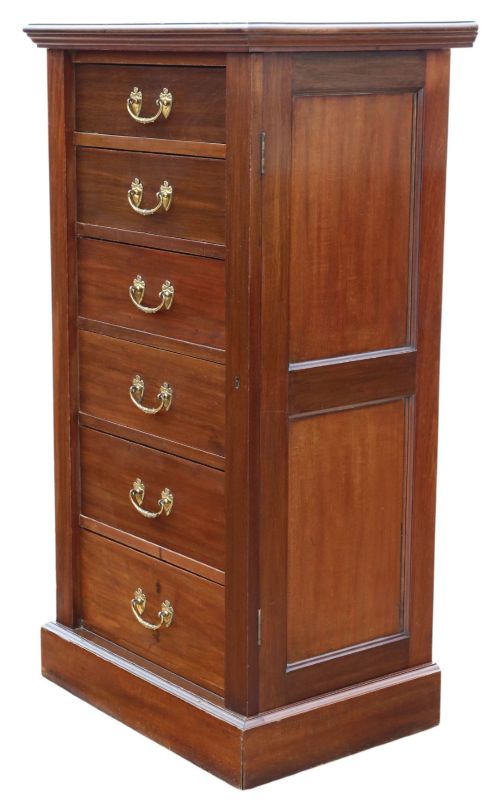
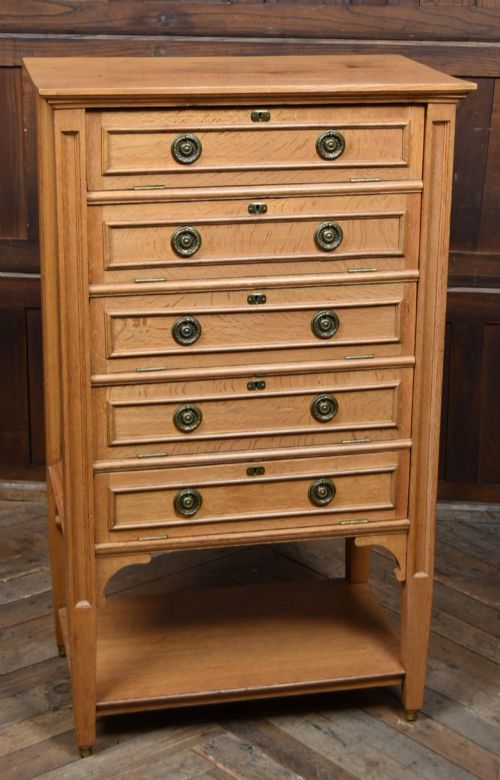
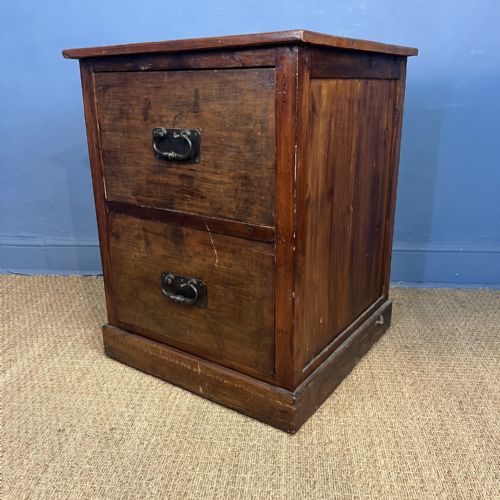
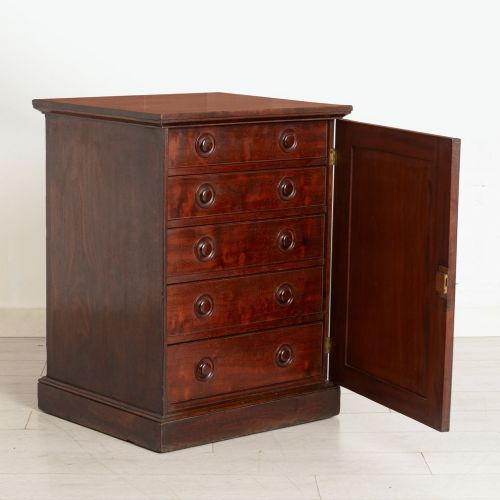
A vintage wooden file chest serves as a practical storage unit, encompassing vertical filing cabinets, multi-drawer banks, plan chests, and tambour front cabinets designed for office and workshop use. These pieces emerge from the eighteenth century through to the mid-twentieth century, capturing periods such as the Edwardian era, Victorian times, and the Georgian style.
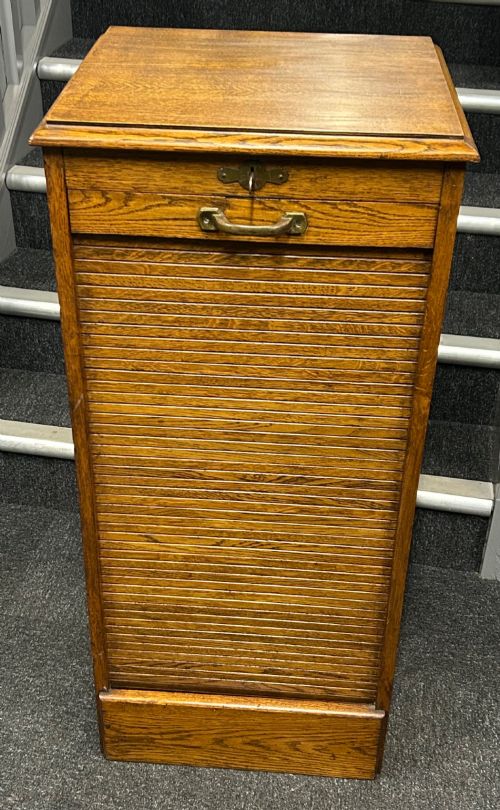
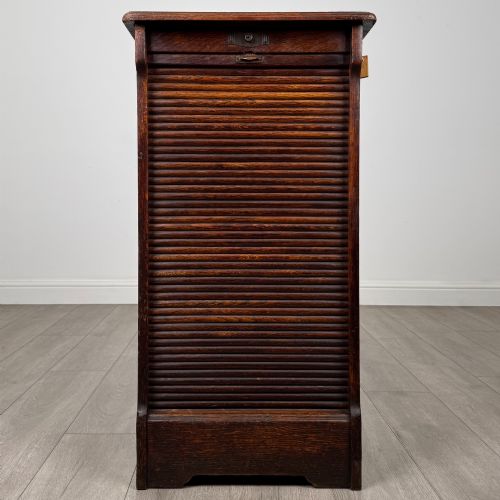
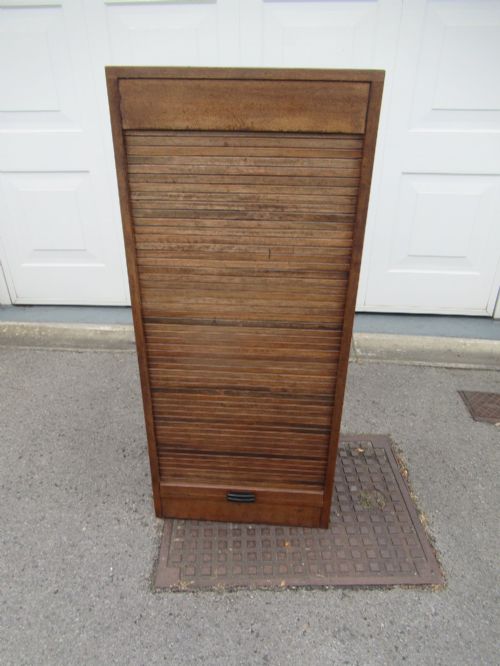
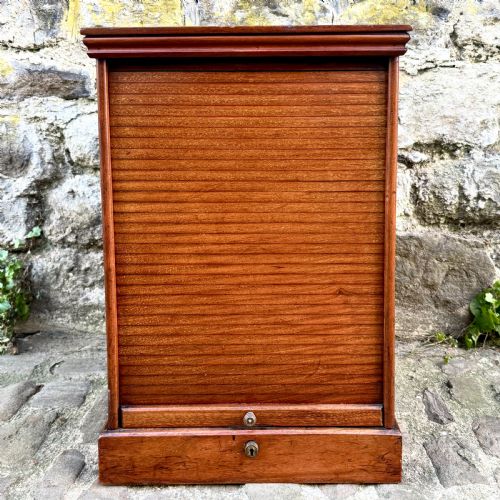
The selection on this page relies heavily on utilitarian forms originally built for commercial administration, music storage, or trade inventories. Common variations include tall vertical formats with brass pulls, wide banks of drawers, and tambour shutters that slide to conceal inner compartments.
Materials and Construction
Makers constructed these cabinets using hardwoods like oak, mahogany, walnut, teak, and rosewood, alongside softer timbers including pine and pitch pine. Structural integrity relied on robust joinery suited to heavy daily use in commercial environments.
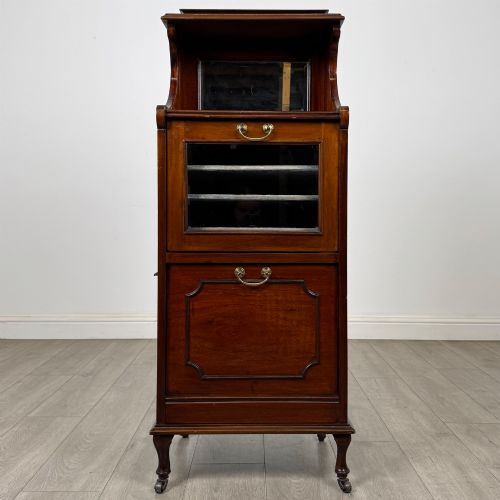
Metal hardware plays a defining role in the construction, featuring brass handles, cast iron brackets, and specialised locking mechanisms like patent letter files. Glazed panels appear on music cabinets, while tambour doors utilise narrow slats of timber joined on flexible backing.
Vintage Wooden File Chest Retail Price Guide 2026
Typical asking prices for vintage wooden file chest among the pieces listed under this phrase on Sellingantiques today, from the lower quarter to the upper quarter. They describe what is for sale here now, not the wider market.
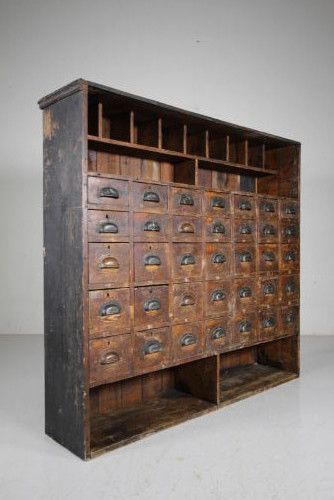
Watchmakers once peered over tall banks of nine drawers, keeping tiny cogs safe while the world outside wound down for the evening.
Evaluating Quality in Utility Furniture
Quality rests upon the selection of timber and the complexity of the mechanism, such as smoothly operating tambour doors, functional roller shutters, and precise drawer alignment. Simpler pine workshop banks sit at one end of the scale, while substantial mahogany pieces with patent filing mechanisms and fitted interiors represent the higher tier.
The degree of original hardware preservation and the presence of maker attribution influence the standing of a piece. Untouched surfaces retain more historic character than items stripped or heavily modernised during later twentieth-century office refits.
Amberg·Maple and Co·Shannon
The Vintage Wooden File Chest Glossary
- Tambour
- A flexible shutter door formed of narrow strips of wood glued to canvas, allowing it to slide smoothly around a curved track. This mechanism conceals the interior compartments of a cabinet without requiring clearance for swinging doors.
- Plan Chest
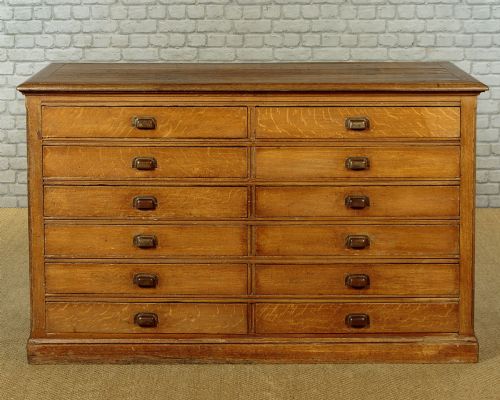
- A wide, shallow set of drawers built specifically to store architectural drawings, maps, and large sheets of paper flat. These pieces typically feature numerous low drawers to prevent documents from curling.
- Wellington Chest
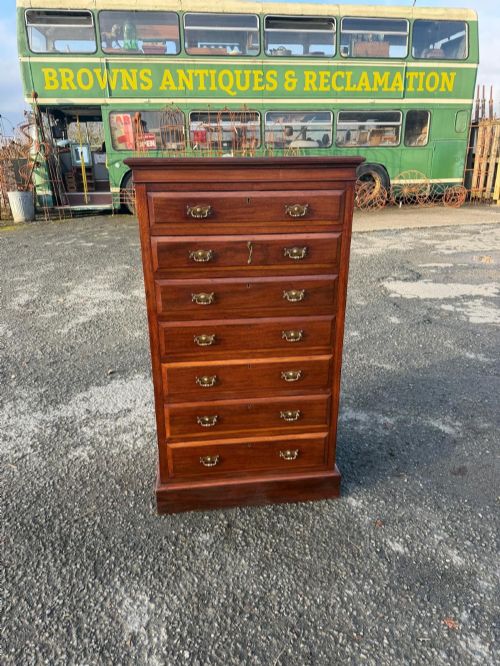
- A tall, narrow set of drawers secured by a hinged locking stile on one side that fastens with a padlock or key. This design originated in the nineteenth century to keep confidential papers secure.
- Bank of Drawers
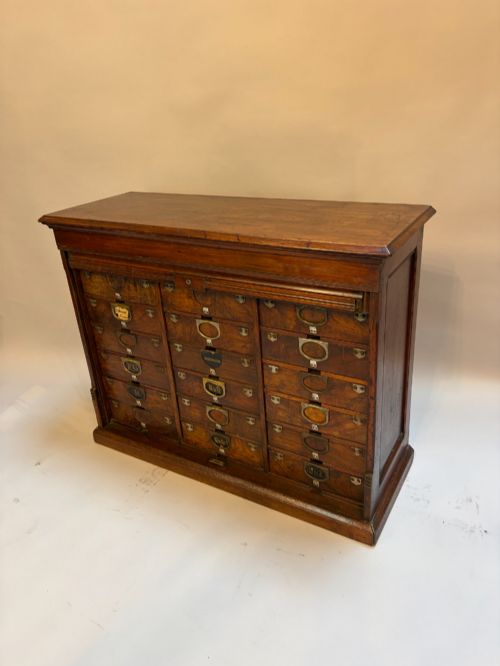
- A multi-drawer storage unit assembled for commercial, workshop, or institutional environments. They range from small tabletop banks to substantial floor-standing pieces housing dozens of shallow compartments.
Vintage Wooden File Chest: Frequently Asked Questions
How do I date a wooden file chest?
Dating relies upon timber selection, construction methods, and hardware styles associated with specific periods like the Victorian or Edwardian eras. Patented locking mechanisms and maker stamps provide precise chronological markers.
Simpler indicators include drawer dovetailing techniques and the wear patterns on brass or cast iron pulls, which evolve from hand-forged elements to mass-produced commercial hardware.
Are these cabinets suitable for modern paper sizes?
Many vintage filing cabinets and drawer banks accommodate standard modern paper formats like A4, though older plan chests and specialised ledger drawers offer much larger surface areas. Vertical filing formats usually take suspension files with minor adjustment.
It is sensible to check internal drawer dimensions before purchasing if the unit is intended for active administrative use rather than general storage.
How should I care for the wood finish?
Maintaining the surface requires occasional application of good quality beeswax to nourish the timber and protect the original polish from drying out. Avoid placing these chests in direct sunlight or near heat sources that cause wood to warp and split.
Regular dusting with a soft, dry cloth preserves the patina built up over decades of commercial and domestic service.
What is the difference between a music cabinet and a file chest?
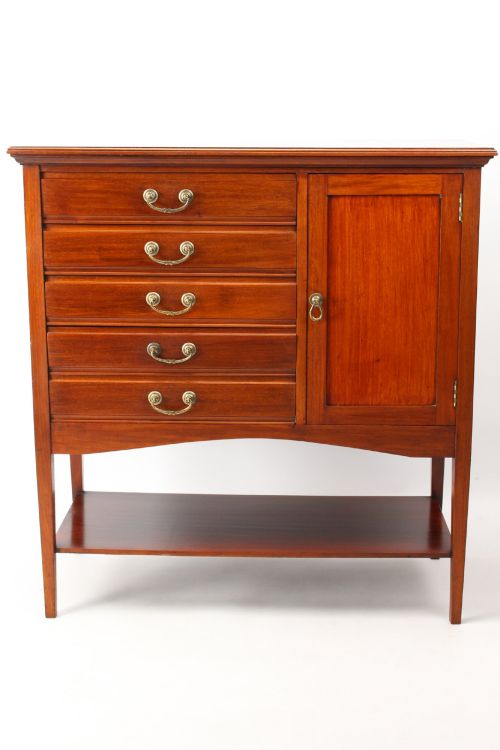
Music cabinets feature shallow shelves or drop-front drawers designed originally to hold sheet music, often accompanied by glazed centre doors or decorative Edwardian inlay. File chests prioritize depth and structural sturdiness for heavy paper storage.
Despite their original purpose, music cabinets function effectively today for sorting correspondence, stationery, or craft materials in a domestic setting.