








Vintage Wooden Display Box
A vintage wooden display box brings structure and character to a room, housing miniature scenes, shop goods, or treasured keepsakes behind glass.
Vintage Wooden Display Box
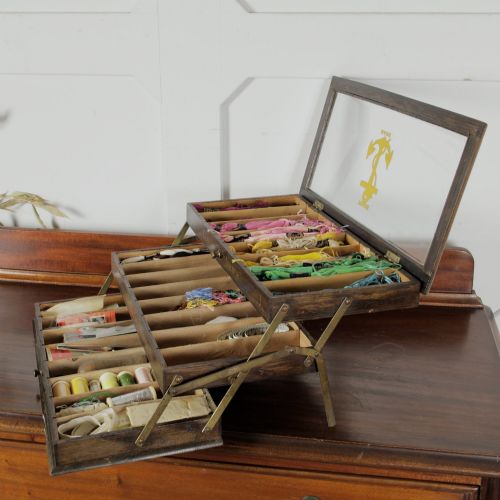
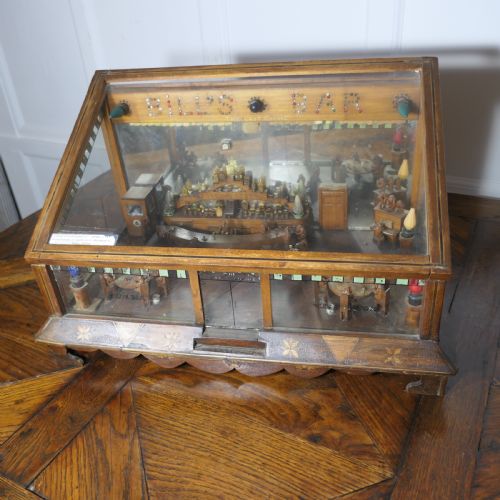
A vintage wooden display box encompasses everything from shop countertop cabinets and haberdashery cases to cased shadow box dioramas and scientific instrument housings. These pieces span the nineteenth century through the early twentieth century, originating from Victorian, Edwardian, and mid-century periods.
The most common formats on this page include countertop cabinets made for commercial goods like sewing cottons and chocolates, alongside maritime dioramas featuring sailing ships and folk art creations. Buyers encounter utilitarian storage alongside intricate display pieces designed for public shops or private parlours.
Materials range from traditional mahogany and oak to painted wood, incorporating glass viewing panels, brass fittings, paper labels, and plaster details. Each object reflects the functional needs of its era, whether for trade, marine navigation, or personal collections.
How they were made
Carpenters and cabinetmakers utilised timber such as oak, mahogany, and burr yew wood, joining frames with traditional corner joints and fitting hinged doors or sliding panels. Glazing was integrated into lids and fronts to protect the contents while permitting a clear view.
Interior elements often involved hand-painted backdrops, paper signage, brass hardware, and plaster or shell components arranged by folk artists, sailors, or trade craftsmen. Commercial pieces featured glass panes and specialised lettering tailored to specific merchants and products.
Vintage Wooden Display Box Retail Price Guide 2026
Typical asking prices for vintage wooden display box among the pieces listed under this phrase on Sellingantiques today, from the lower quarter to the upper quarter. They describe what is for sale here now, not the wider market.
Object forms span shadow box dioramas, haberdashery cabinets, scientific instruments, and apothecary countertop cases from Victorian and Edwardian periods.
What varies in quality
Quality depends on the integrity of the timber framing, the clarity and original state of the glass panels, and the complexity of the interior arrangement, such as a detailed ship diorama or a fitted haberdashery case. The presence of original maker markings, labels, or authentic sign-writing elevates the standing of a piece.
The Vintage Wooden Display Box Glossary
- Shadow Box Diorama
- A three-dimensional scene enclosed in a shallow wooden box with a glass front. These often depict maritime vessels or folk art subjects.
- Haberdashery Cabinet
- A glass-fronted wooden display unit utilised in shops to store and showcase small sewing goods, cottons, or buttons.
- Countertop Display Cabinet
- A glazed wooden case designed to sit upon a shop counter for customers to view merchandise inside.
- Taxidermy Shoveler Duck
- A preserved bird specimen mounted within a glazed enclosure, common in Edwardian interior displays.
Vintage Wooden Display Box: Frequently Asked Questions
How do I date a vintage display box?
Dating relies on observing the timber types, hardware, joinery techniques, and any applied maker labels or paper advertisements. Pieces from the nineteenth century often feature heavier mahogany or oak construction with hand-cut joints.
Later items from the early twentieth century display commercial lettering styles and standardised brass fittings associated with Edwardian and 1920s retail environments.
Are the glass panels usually original?
Many display cabinets and dioramas retain their original glass panels, which can be identified by minor surface imperfections, waviness, or small bubbles within the material. These traits are typical of older manufacturing methods.
Replacement glass is sometimes fitted during repairs to maintain functionality. Inspecting the surrounding putty or wooden glazing beads helps determine the age of the installation.
How should I clean a wooden display cabinet?
Maintenance involves dusting the exterior wood gently with a dry cloth and cleaning the glass panels with a mild glass cleaner applied to a cloth rather than sprayed directly onto the surface. This prevents moisture from seeping into aged timber or paper elements inside.
Harsh chemical polishes should be avoided to protect original finishes, painted surfaces, and antique brass hardware.