
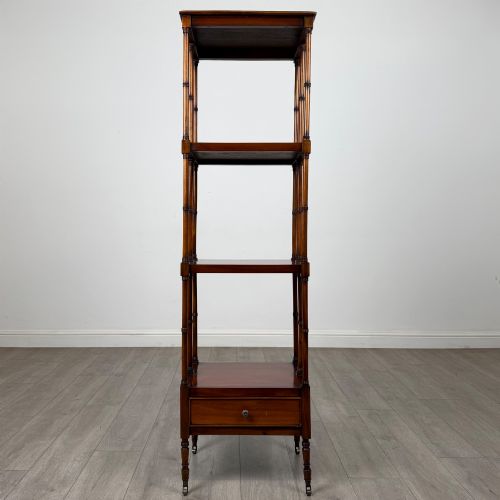
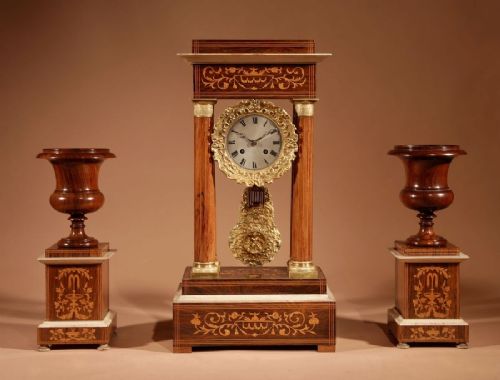
Vintage Wooden Column
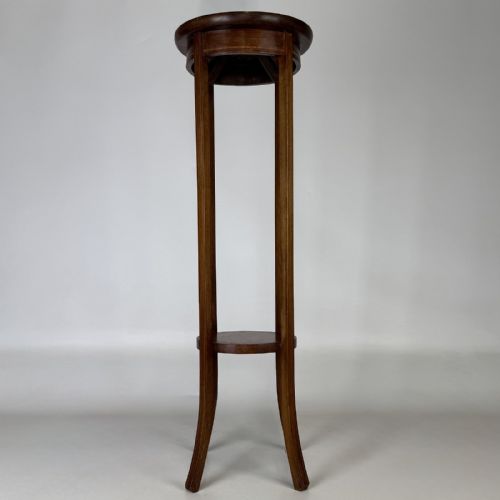
A vintage wooden column brings architectural presence into a room, serving as a striking plinth, lamp base, or display stand.
Vintage Wooden Column
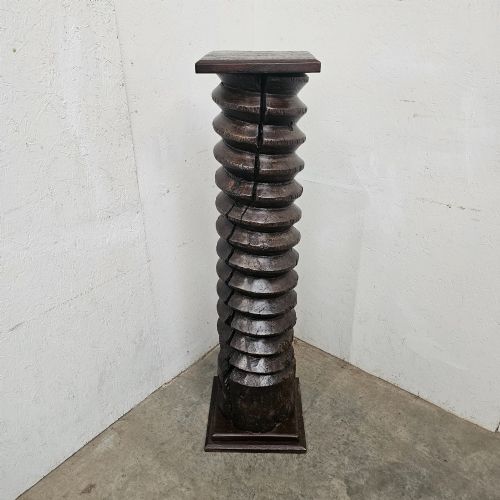
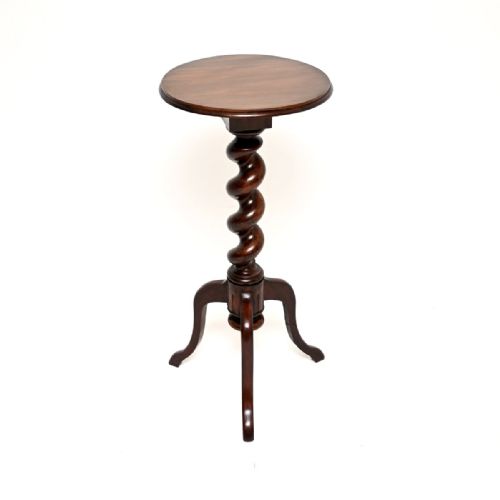
Most examples function as elevated display surfaces for art, busts, and plants, or stand independently as sculptural focal points within a room. Their forms range from slender barley-twist shapes to robust Corinthian designs.
Materials and construction methods
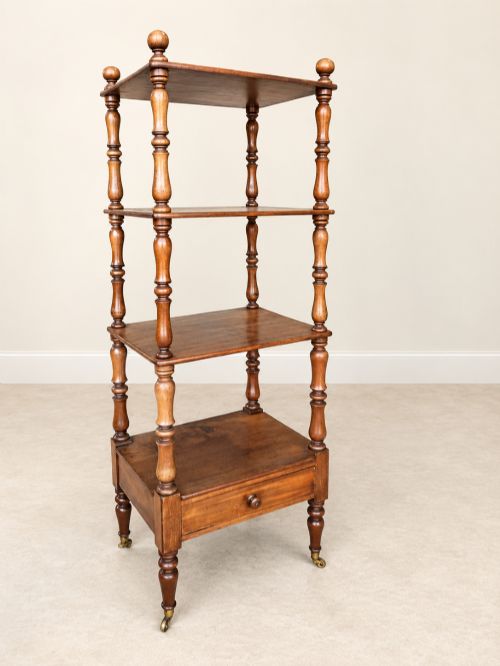
Makers utilised hardwoods including mahogany, oak, walnut, pine, and satinwood, often selecting dense timbers capable of supporting substantial weight. Selected pieces incorporate brass fittings, applied paint, or glass elements to enhance their decorative impact.
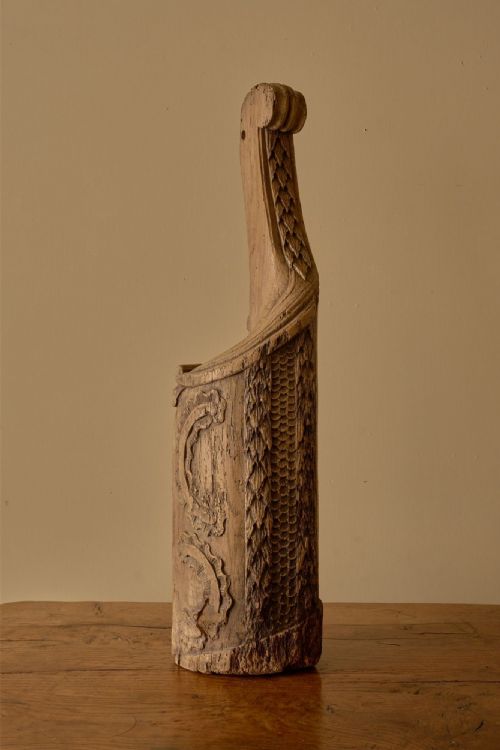
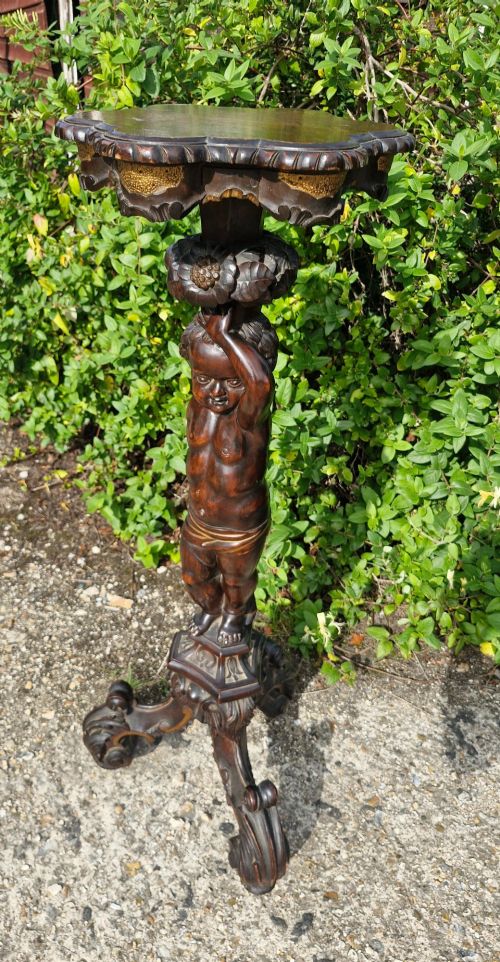
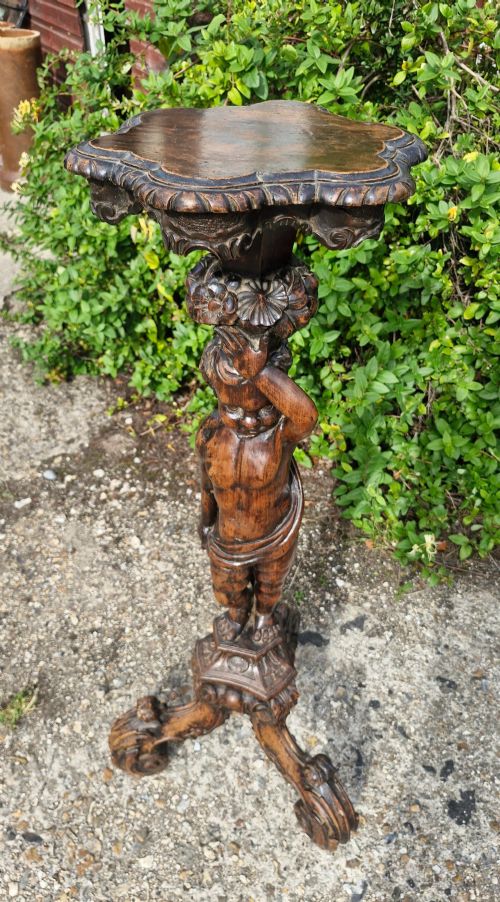
Construction relied on traditional joinery and lathe-turning techniques to create smooth cylindrical shafts, reeded profiles, and intricate capitals. Carved wooden details and applied mouldings were executed by hand, reflecting the stylistic demands of Georgian, Regency, and later revival periods.
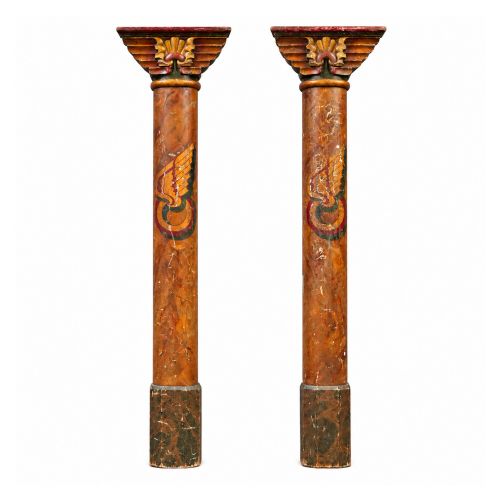
Early twentieth-century fairground carousel columns bring a riot of fairground history straight into the domestic parlour.
Assessing quality and craftsmanship
Quality rests in the depth and crispness of the hand-carving upon capitals and bases, where sharper architectural detailing distinguishes superior workshop production. The choice of timber also dictates standard, with well-figured mahogany and quarter-sawn oak representing finer material selection.
Structural integrity depends on the stability of the central shaft and the proportion of the supporting base, ensuring the column stands plumb under weight. Original surface treatments, such as preserved green paint or polished patinated grain, hold greater aesthetic merit than later refinishing.
Shoolbred
The Vintage Wooden Column Glossary
- Torchère
- A tall stand designed to support a candle or lamp. These slender pieces often feature turned wooden shafts and tripod bases.
- Plinth
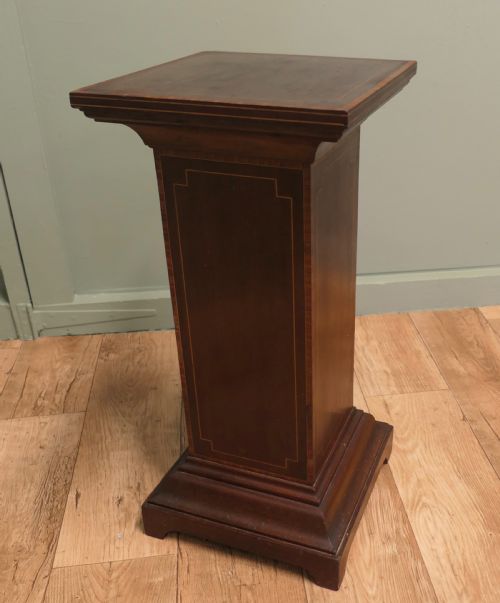
- A heavy rectangular or square block serving as the base for a column, statue, or bust stand. It provides physical stability and visual weight.
- Corinthian
- An architectural order identified by ornate capitals decorated with acanthus leaves. This classical style appears on large wooden lamp bases and decorative pillars.
- Turned
- Shaped on a woodturner's lathe by rotating the timber against cutting tools. This technique produces symmetrical columns, pedestals, and standard lamps.
Vintage Wooden Column: Frequently Asked Questions
What is a vintage wooden column used for?
These pieces serve primarily as elevated display surfaces for sculptures, decorative vases, table lamps, and botanical plants. They also function independently as sculptural architectural elements within interior spaces.
Larger examples, such as torcheres and floor lamp conversions, provide ambient lighting while anchoring room corners with vertical mass.
How do I style a wooden column?
Place a single pillar in an empty corner to add architectural height and break up flat wall expanses. Top it with a contemporary bronze bust or a classic floral arrangement to create a focal point.
Paired columns work effectively flanking a fireplace, doorway, or large piece of furniture to introduce symmetrical balance.
Are these columns structurally sound for heavy items?
Most solid timber columns and pedestals were built to bear significant weight, such as heavy marble busts or large bronze figures. Solid hardwood construction provides inherent load-bearing strength.
Checking the width of the base and the plumb of the central shaft ensures stability for top-heavy display objects.
How do I date a wooden column?
Dating relies on identifying the prevailing architectural style, such as Regency reeding, Victorian Gothic Revival motifs, or Edwardian satinwood inlay. Timber selection and tool marks left by lathes or hand-carving tools further indicate the period of manufacture.
Comparing the turned profiles and capital designs to documented furniture and architectural pattern books narrows the era of origin.