

Vintage Wooden Coat Tree
A vintage wooden coat tree organises hallways with vertical practicality, offering robust timber framing and multi-tiered hooks for everyday hats and garments.
Vintage Wooden Coat Tree
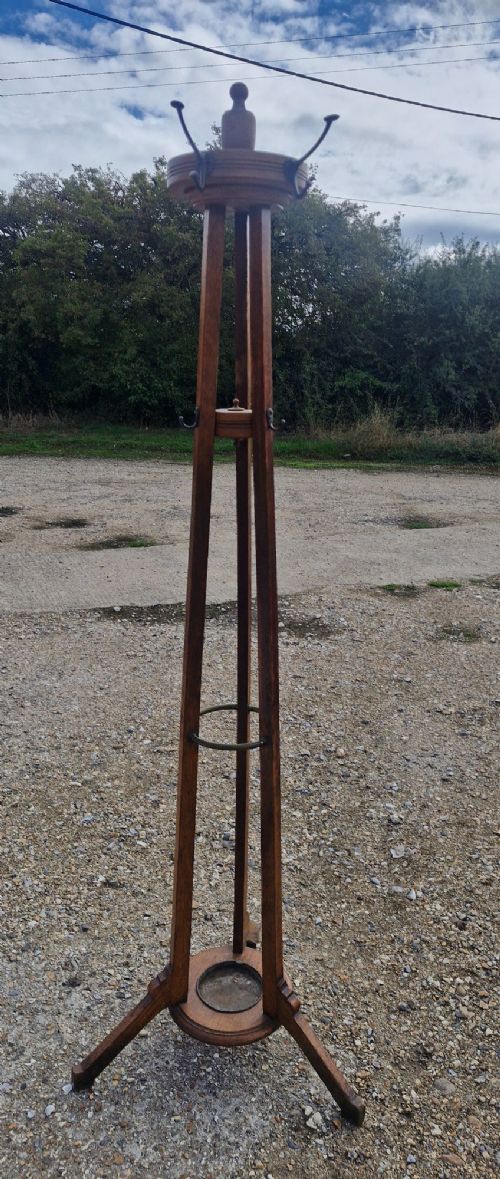
A vintage wooden coat tree encompasses freestanding hall stands, coat racks, and hat stands designed to hold garments in entranceways and corridors. Pieces span from the late nineteenth century through to the mid-twentieth century, capturing Victorian, Edwardian, Arts and Crafts, and early twentieth-century design movements.
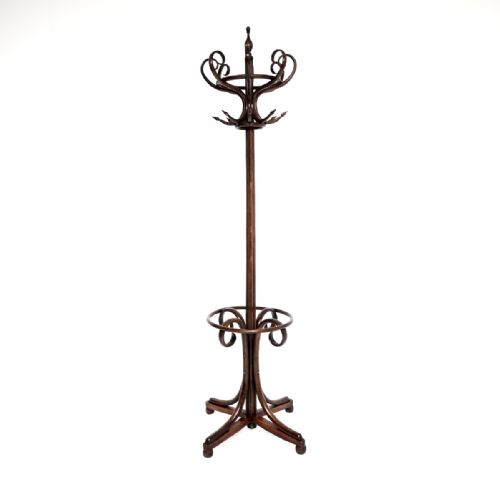
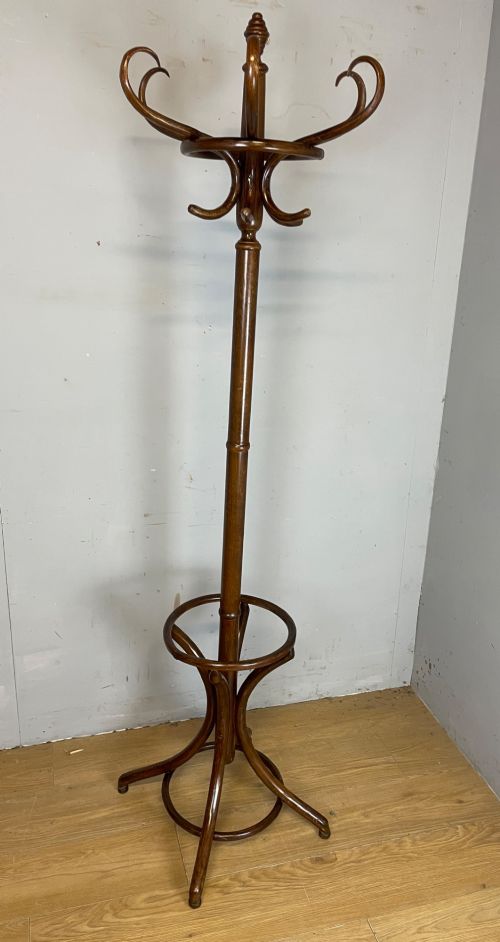
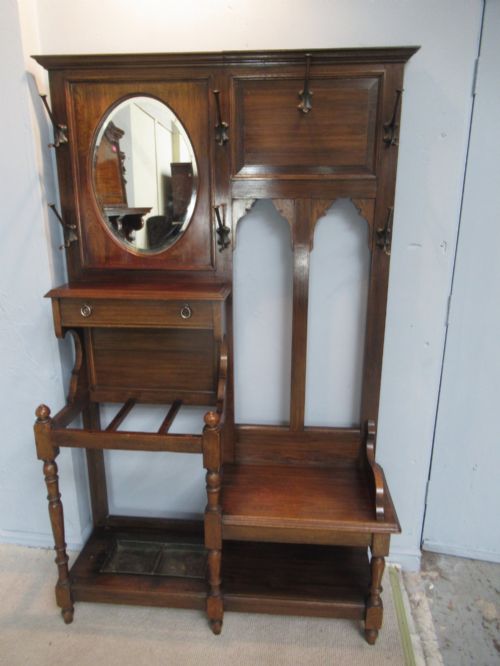
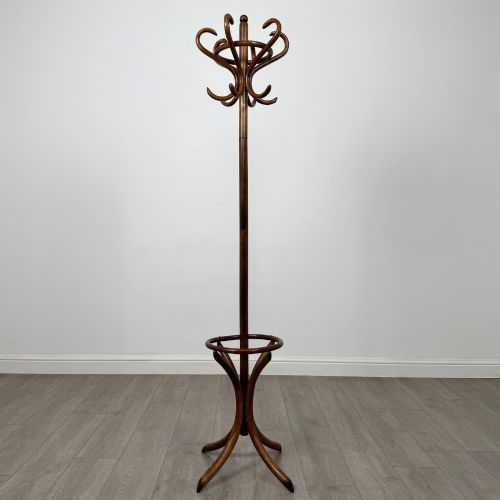
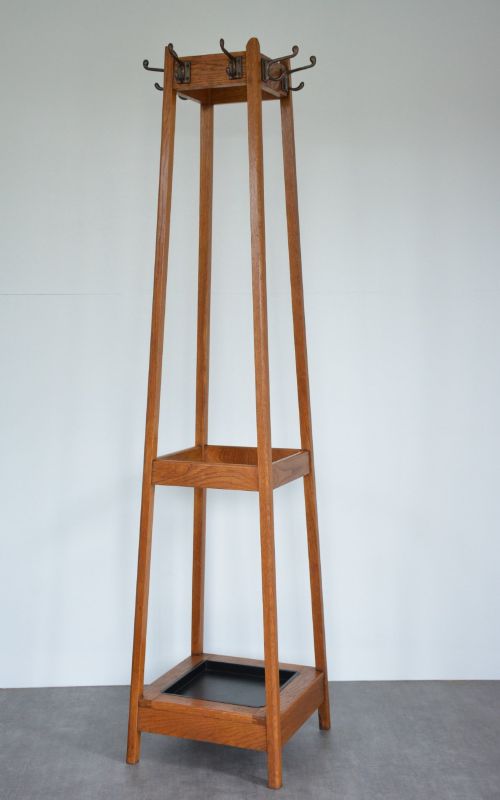
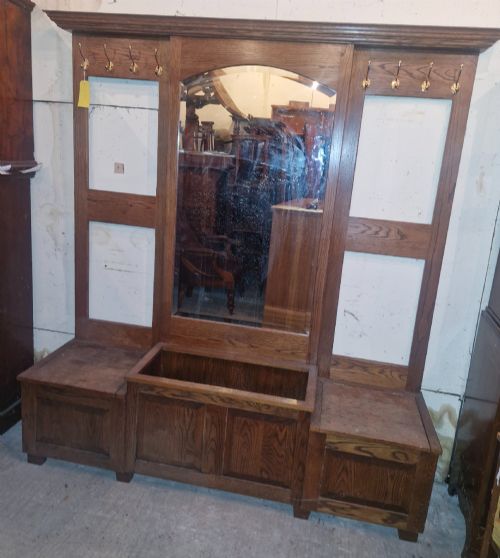
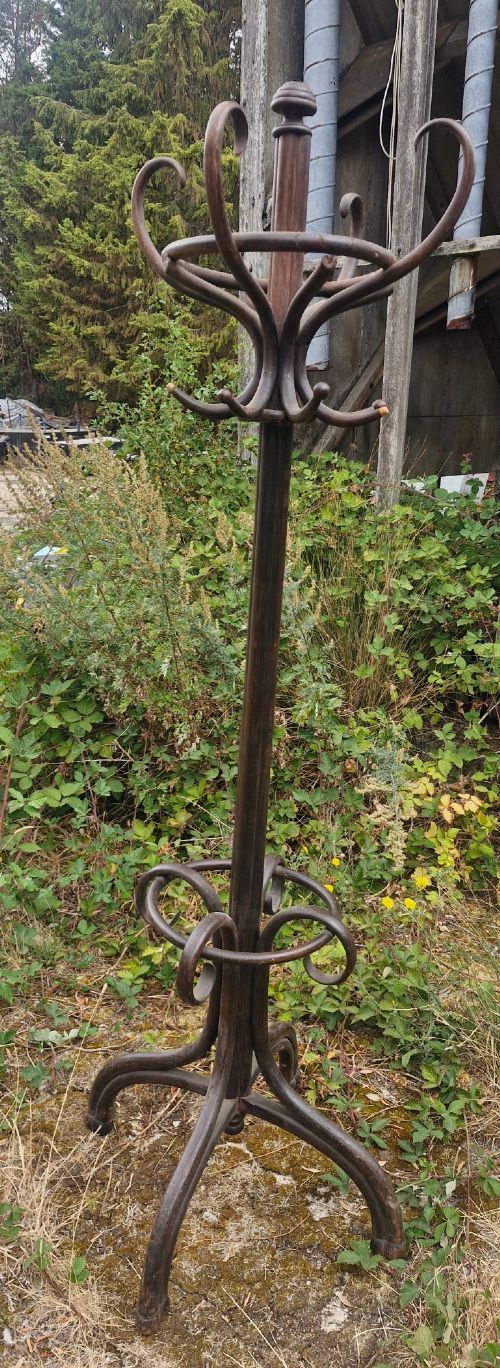
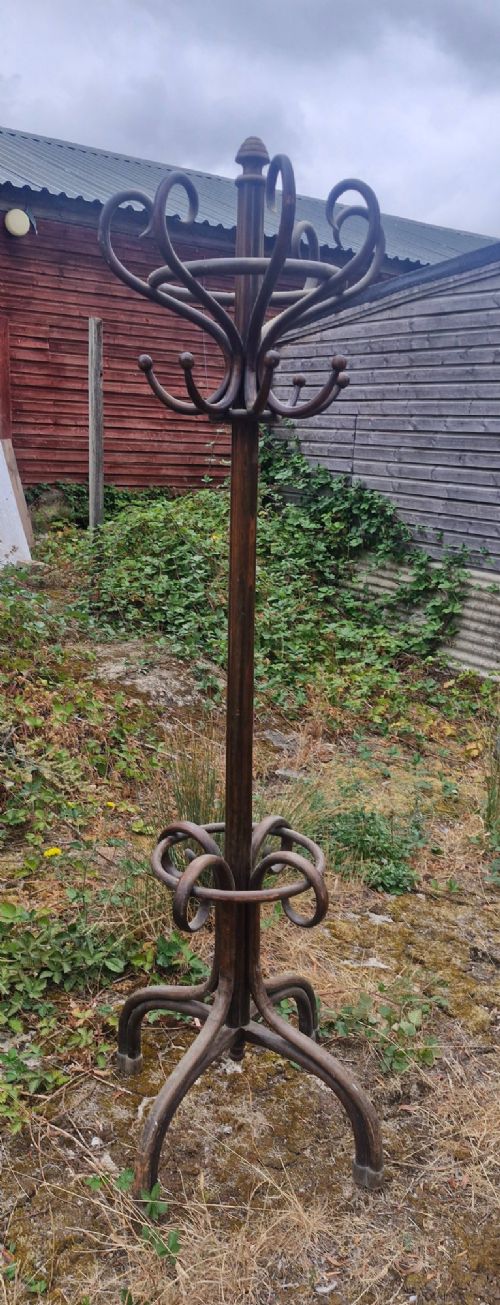
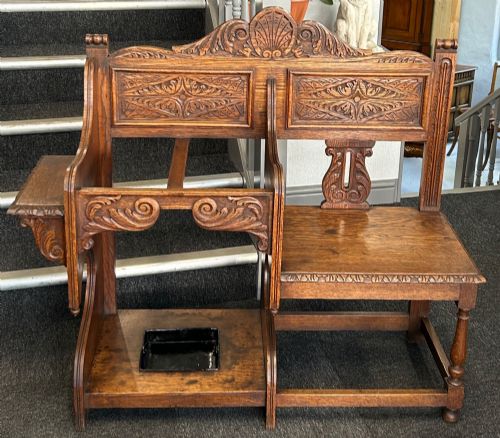
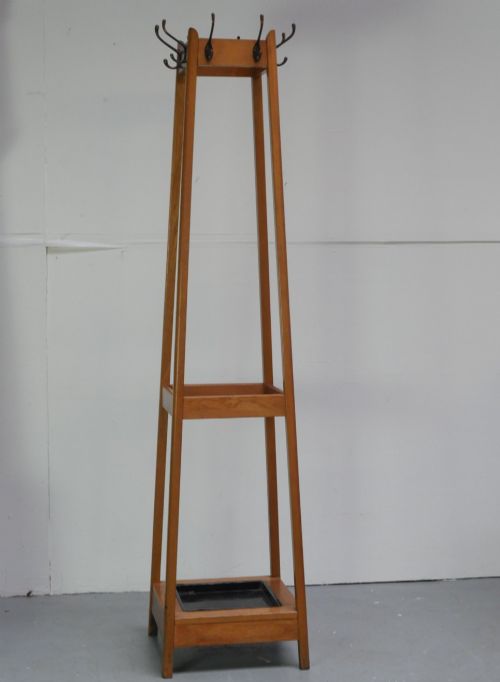
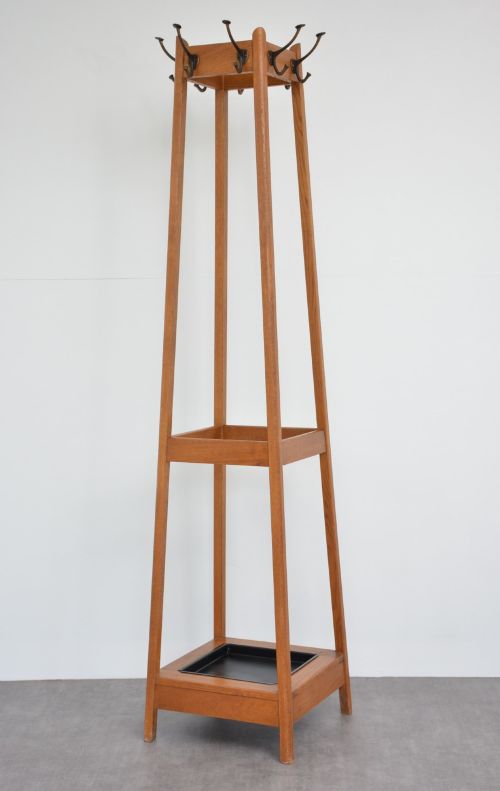
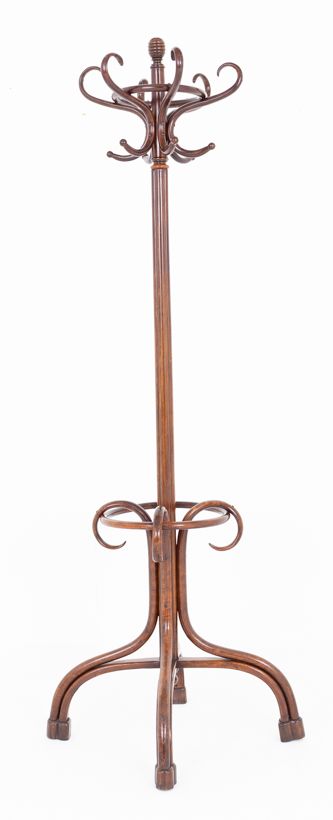
The most frequent versions encountered on this page are bentwood hatstands and oak hall stands. Bentwood examples utilise steam-bent timber to create slender, branching hooks, whilst oak variants often incorporate umbrella holders, drip trays, and integrated seating.
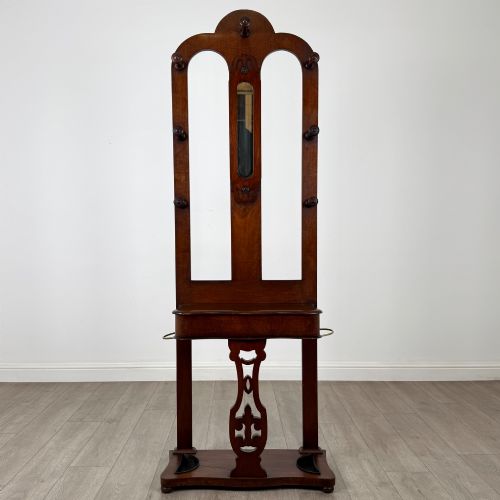
Originating as essential domestic furniture for receiving outerwear, these items range from simple revolving coat stands to multi-functional hall seat stands. They combine upright timber posts with tiered arrangements of metal or wooden hooks.
Materials and construction
Construction relies primarily upon solid oak and beech, frequently shaped using traditional steam-bending techniques to form the characteristic curved branches of bentwood designs. Beechwood provides flexibility for curving components under heat, whilst oak offers rigid structural stability for heavy hall stands.
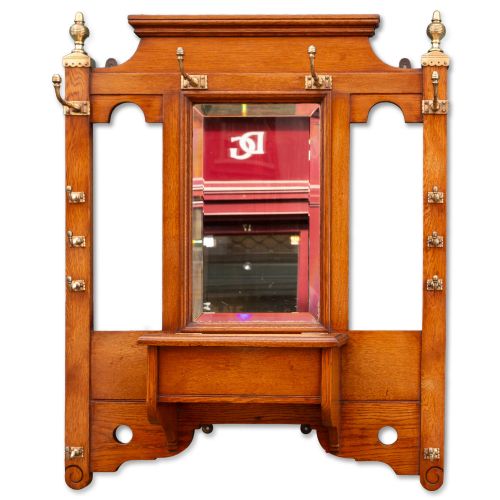
Additional hardware integrates brass and glass elements, alongside metal drip trays and umbrella holders designed to catch moisture from wet weather gear. Wall-mounted racks employ golden oak panels fitted with metal hooks.
A good hall stand keeps umbrellas contained while standing guard by the front door like an exceedingly polite wooden butler.
Factors of distinction
Quality separates through the integrity of the timber joints and the retention of original components such as brass hooks, drip trays, and revolving mechanisms. Heavier builds demonstrate greater stability in the upright shaft and secure fixing points for multiple garment tiers.
Design complexity also defines the tier, moving from plain utilitarian coat racks to carved Arts and Crafts hall stands with integrated seats and mirrors. The purity of the steam-bent curves and the preservation of honey-coloured surface patinas further distinguish finer examples.
Thonet·Astrola·Jas. Shoolbred
The Vintage Wooden Coat Tree Glossary
- Bentwood
- Wood shaped by steam heating and forced into curved profiles. This technique produces lightweight yet resilient frames for coat stands.
- Hall stand
- A multi-functional piece of furniture combining coat hooks, umbrella storage, and often a bench seat. These items anchor the entrance hallway.
- Demi lune
- A half-round shape designed to sit flush against a wall. This profile allows coat stands to occupy narrow corridors efficiently.
- Revolving
- Featuring a rotating top section for easy access to garments. Users can spin the upper tier to reach coats hanging at the back.
Vintage Wooden Coat Tree: Frequently Asked Questions
What is a coat tree?
A coat tree is a freestanding vertical post fitted with branching hooks at the top for hanging hats and coats. They serve as practical furniture pieces for entryways.
Designs range from slender steam-bent timber frames to substantial oak structures incorporating umbrella holders and seating.
How do I date a piece?
Dating relies on stylistic clues, timber choices, and construction methods characteristic of periods like the Victorian and Edwardian eras. Arts and Crafts examples often display characteristic quarter-sawn oak and linear joinery.
Bentwood models produced around the turn of the twentieth century reflect industrial steam-bending innovations popularised by makers like Thonet.
Where should I place it?
These items suit entrance halls, boot rooms, and corridors where outerwear accumulation is frequent. Freestanding versions require sufficient floor clearance to remain stable when loaded with garments.
Wall-mounted variations work well in narrow hallways where floor space is limited.
Are they stable with heavy coats?
Heavier constructions, particularly those with wide bases or umbrella ring trays, provide greater balance for heavy winter garments. Distributing coats evenly around the hooks prevents tipping.
Lighter bentwood designs handle everyday jackets effectively when placed on level flooring.