




Vintage Wooden Bobbins
These vintage wooden bobbins and bobbin-turned furnishings bring tactile, spindle-moulded character to any room.
Vintage Wooden Bobbins
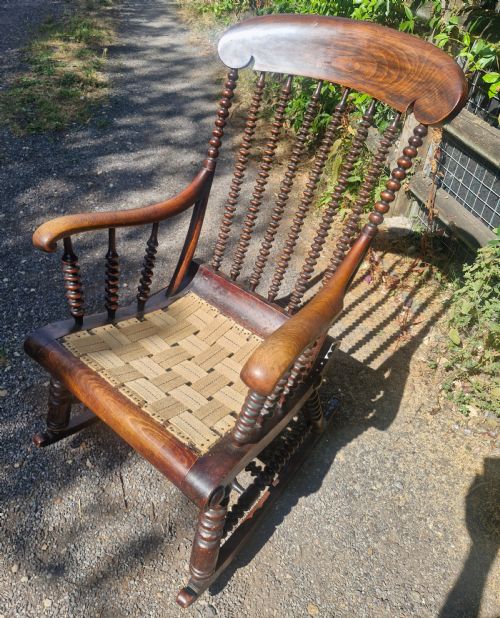
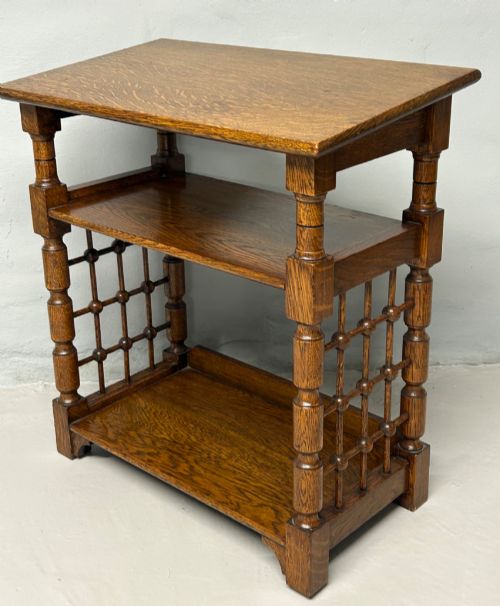
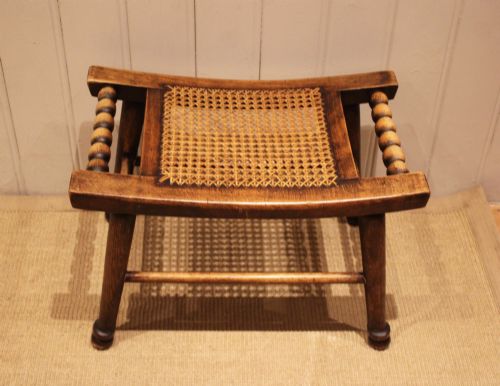
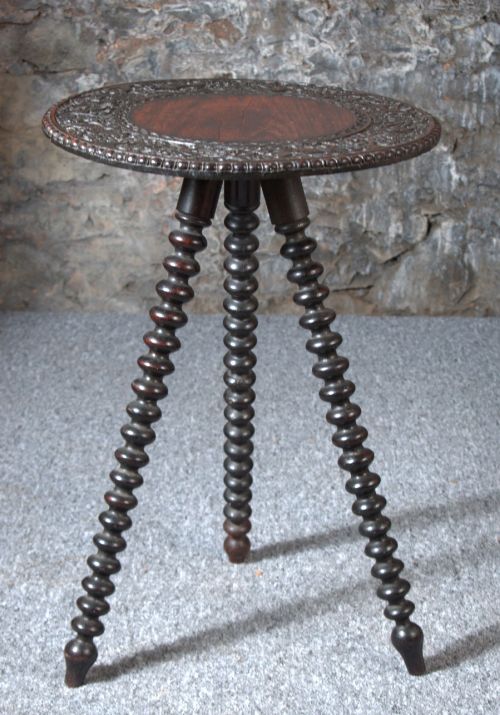
When you search for vintage wooden bobbins and associated bobbin-turned furniture, you encounter pieces defined by rounded spool-like turnings on structural elements. The selections here span the eighteenth, nineteenth, and early twentieth centuries, encompassing periods from the Georgian era through the Edwardian years.
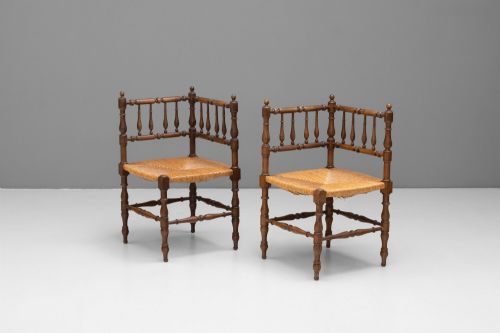
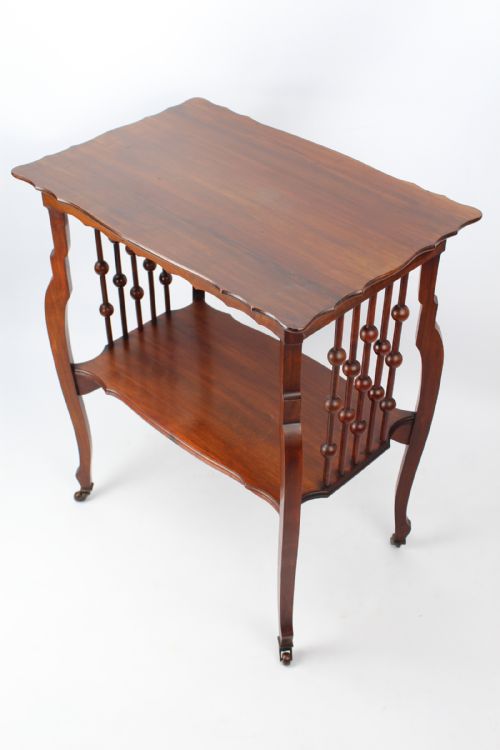
You are most likely to meet side tables, chairs, and shelving units utilising this distinctive spindle profile. Materials range from oak and beech to walnut and elm, reflecting utilitarian and decorative origins alike.
Materials and turning techniques
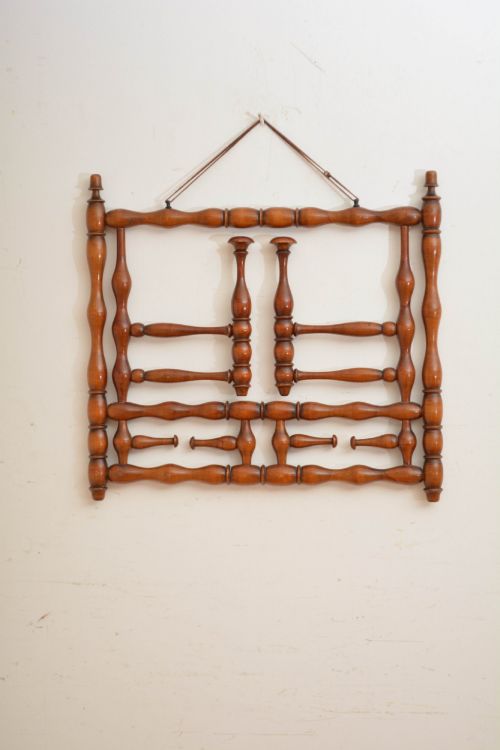
These items rely on hardwoods such as oak, beech, mahogany, and walnut, shaped on a lathe to create the rhythmic, spool-shaped profiles known as bobbin turning. Craftsmen utilised hand tools to cut repetitive spherical and cylindrical modules along the length of legs, stretchers, and frames.
Construction techniques often combine traditional joinery like mortise and tenon with careful spindle assembly. Surfaces display the natural grain of the timber, sometimes enhanced with polish or wax to highlight the turned contours.
Listings feature oak, walnut, beech, and mahogany across the nineteenth and twentieth centuries.
Factors that separate the range
Quality rests upon the crispness and uniformity of the lathe work across each turned spindle. Sharply defined collars and smooth, symmetrical bulges indicate skilled execution by the turner.
The choice of timber and the structural integrity of the joints dictate longevity. Dense hardwoods like oak and walnut with tight, well-fitted joinery stand apart from softer or looser assemblies.
The Vintage Wooden Bobbins Glossary
- Bobbin turning
- A form of woodturning characterised by a series of rounded, spool-like shapes resembling bobbins of thread along a length of wood. This technique gained popularity in seventeenth-century furniture and saw revivals in the Victorian and Edwardian periods.
- Gate leg table
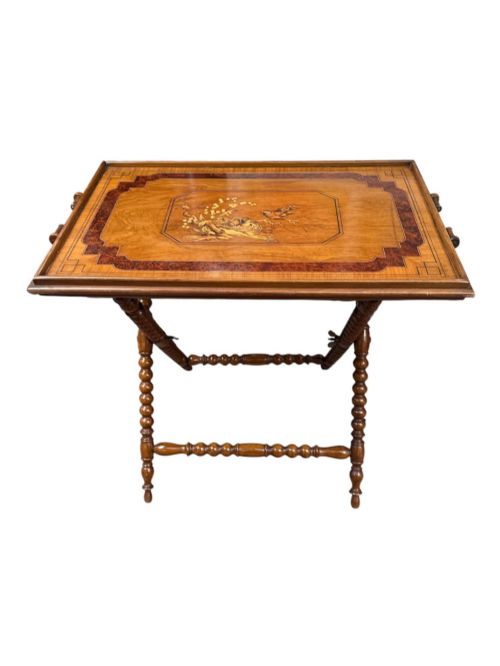
- A table with hinged drop leaves supported by swinging legs that pivot out like a gate. They frequently incorporate bobbin-turned legs and stretchers.
- Refectory table
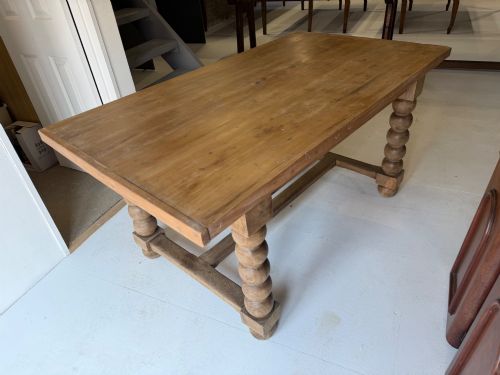
- A large dining table traditionally used in monastic refectories, constructed with sturdy timber legs and longitudinal stretchers. Examples in this tradition often utilise heavy oak construction.
- Sorrento ware
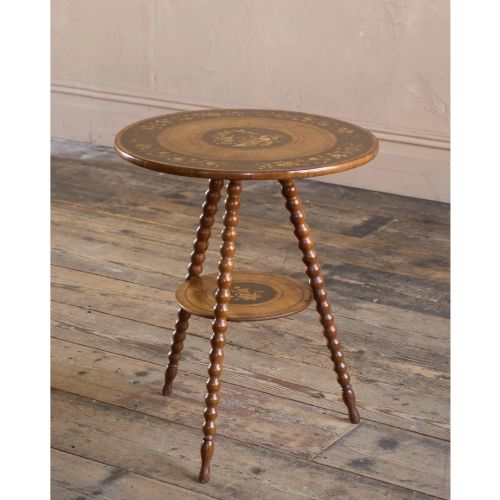
- Woodwork decorated with intricate marquetry and micro-mosaic inlay, originating from the Italian town of Sorrento. Pieces in this style utilise contrasting woods to form pictorial designs.
- Wool winder
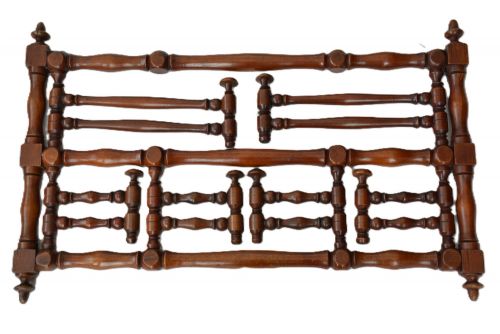
- A mechanical device used in textile preparation for winding yarn into hanks or balls. These adjustable stands often feature turned wooden components.
Vintage Wooden Bobbins: Frequently Asked Questions
What are bobbin turned legs?
Bobbin turned legs are furniture supports shaped on a lathe to resemble a succession of connected wooden bobbins or spools. This decorative turning style adds texture and visual rhythm to tables and chairs.
Craftsmen utilised this method extensively during the seventeenth century, and the style returned in Victorian and Edwardian revivals. It provides both decorative interest and structural stability.
How do I date a bobbin table?
Dating a bobbin table involves examining the timber species, construction joints, and overall proportions. Eighteenth-century pieces typically show hand-sawn markings and dense native hardwoods like oak or elm.
Later Victorian and Edwardian examples often employ machine assistance and different secondary woods. The style of the joinery and patination of the surface further clarify the age.
Are these pieces made of solid wood?
The listed items utilise solid timbers such as oak, beech, walnut, mahogany, and yew. Cabinetmakers selected these dense woods for their strength in supporting turned structural elements.
Solid construction allows the lathe-turned spindles to retain crisp detail without veneer failure. Natural grain variation appears across each individual component.
How should I clean turned wood?
Cleaning turned wooden surfaces requires a soft, dry cloth to remove dust from the intricate recesses of the bobbins. Avoiding harsh chemical sprays preserves the original wax or polish.
Applying a traditional beeswax periodically nourishes the timber and maintains the subtle sheen. Keeping the wood away from direct heat sources prevents drying and splitting.