



Brown Wood Sculptured Objects
These brown wood sculptured objects combine tactile materials with intricate hand carving, offering collectors tangible pieces of functional and decorative history.
Brown Wood Sculptured Objects
When you search for brown wood sculptured objects, you encounter a diverse assortment of carved timber items ranging from utilitarian kitchenalia to decorative sculptures and statuettes. The selection on this page spans several distinct eras, notably the seventeenth, eighteenth, and nineteenth centuries, alongside pieces from around nineteen hundred.
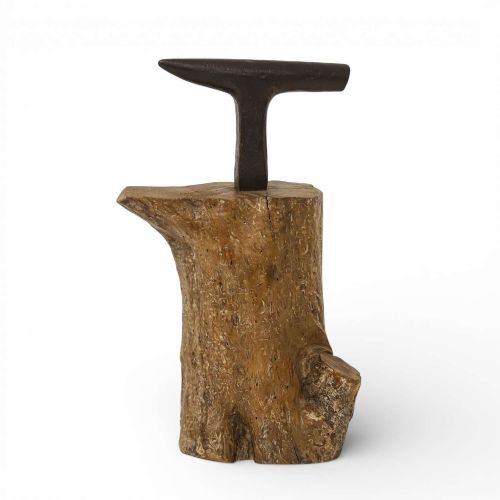
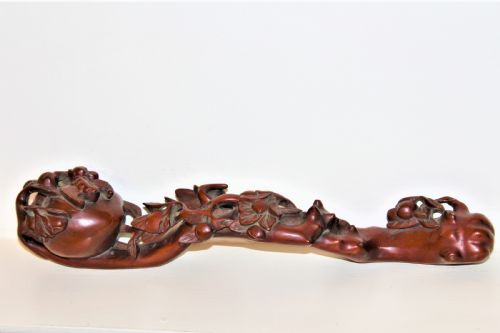
You are most likely to meet nineteenth century pieces, which include vernacular items mounted on fruitwood trunks, intricate boxwood sceptres, and Chinese root carvings. Global origins are well represented, featuring items from German, Indian, Japanese, African, and British workshops.
The assortment balances domestic and ritual objects, such as coconut scrapers and friction oracles, with fine decorative carvings like netsuke and okimono. Each item showcases the distinct aesthetic of its period, whether that is German Baroque, Meiji period, or rustic farmhouse style.
Materials and construction methods
Makers utilised dense timbers such as boxwood, fruitwood, and teak, frequently combining them with materials like iron, wrought iron, and metal stands to provide structural support. Boxwood lent itself to intricate, highly detailed miniature work, while fruitwood and root timber provided organic shapes utilised for vernacular mounts.
Techniques relied entirely on hand carving, allowing artisans to achieve naturalistic forms and complex reliefs. Craftsmen shaped domestic implements and decorative figures alike through careful chiseling, turning, and polishing of the raw timber.
Regional styles represented include German Baroque, Meiji period Japanese work, South Indian folk art, and nineteenth century British vernacular.
Factors that distinguish quality
The level of detail in the carving separates standard items from exceptional examples, particularly in works where naturalistic forms demand precise execution. Intricately carved boxwood and miniature Japanese bamboo pieces demonstrate superior craftsmanship through their depth and precision.
Condition and the retention of original mounts also influence the character of each piece. Items that maintain their original fruitwood trunks, iron fittings, or accompanying metal stands retain a greater sense of their historical context.
Simon Troger
The Brown Wood Sculptured Objects Glossary
- Boxwood
- A dense, pale hardwood prized by carvers for its fine, even grain which allows for microscopic detail. It was frequently utilised in seventeenth and nineteenth century decorative objects.
- Okimono
- A Japanese term for a stand-alone decorative carving, usually displayed in a home. These miniature sculptures often depict figures or natural subjects.
- Netsuke
- A small carved toggle traditionally used in Japan to secure small containers to the sash of a kimono. They are typically sculpted from wood or ivory with intricate detail.
- Fruitwood
- A collective term for timbers derived from fruit-bearing trees, such as pear or apple, known for their smooth texture and warm colour. Vernacular makers favoured them for turned and mounted objects.
- Ruyi Sceptre
- A curved decorative sceptre of Chinese origin, traditionally symbolising power and good fortune. They are often intricately carved from materials like boxwood.
Brown Wood Sculptured Objects: Frequently Asked Questions
What are brown wood sculptured objects?
These items encompass a wide variety of carved wooden pieces, ranging from nineteenth century vernacular tools and ritual items to fine decorative figures and root carvings.
They reflect the diverse traditions of European, Asian, and African makers who utilised dense hardwoods to create both functional implements and intricate sculptures.
How were these wooden items used originally?
Many pieces served practical domestic or occupational purposes, such as silk spinning, coconut scraping, and plumbing, while others fulfilled ritual or decorative functions.
Items like netsuke and sceptres were designed for personal adornment or ceremonial display, whereas farrier's anvils and friction oracles fulfilled specialised trade and tribal roles.
How do I care for antique wooden carvings?
Keep carved timber away from direct sunlight and sudden temperature fluctuations to prevent the wood from drying out or splitting. Gentle dusting with a soft, dry cloth is usually sufficient for maintenance.
Avoid applying modern polishes or oils, as these can build up on the surface and obscure the fine details of the hand carving.
How can I tell the period of a wooden object?
Dating relies on observing the tool marks, timber selection, and stylistic conventions associated with specific eras like the nineteenth century or the German Baroque period.
Comparing the object's specific form and regional origins against established examples helps determine its likely age and cultural background.