




Vintage Wooden Arm Rocker
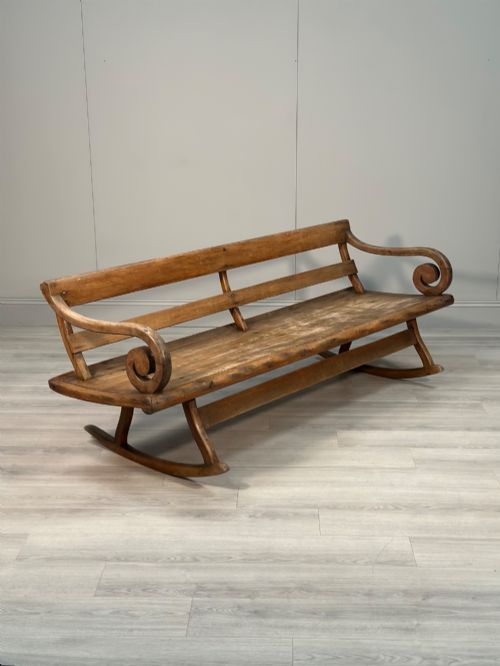
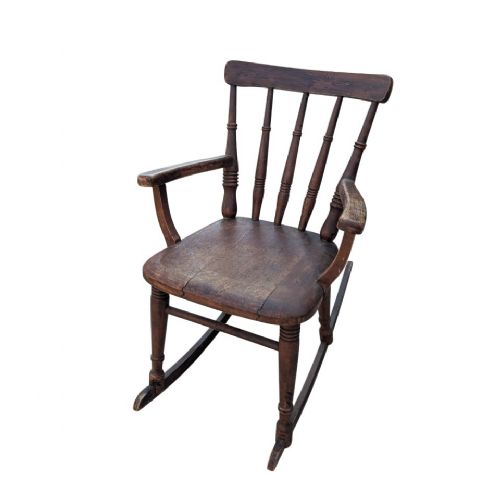
These vintage wooden arm rocker chairs offer a traditional seat that combines sturdy timber frames with a soothing motion.
Vintage Wooden Arm Rocker
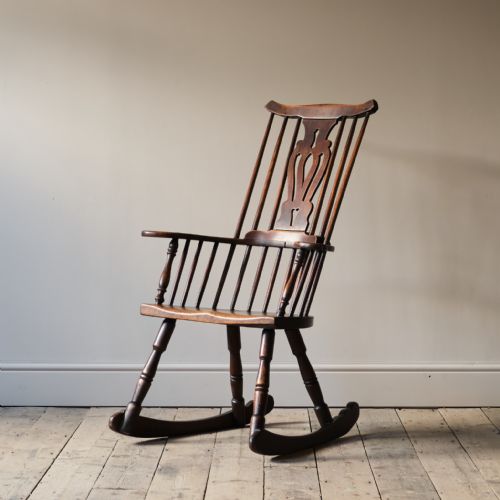
A vintage wooden arm rocker provides a comfortable place to sit while adding traditional character to a room. These seats range from simple vernacular country forms to refined Victorian parlour models.
The pieces on this page span several eras, originating from the late eighteenth century through to the early twentieth century. Common styles include Victorian, rustic country, and bentwood designs.
Most examples function as standard seating with the addition of curved rockers fitted to the base. Buyers will encounter various timber constructions, including beech, oak, and mahogany.
How they were made
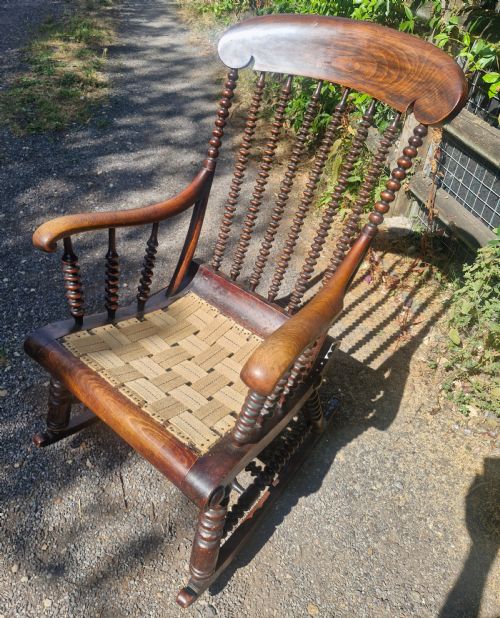
Cabinet makers utilised solid timbers such as oak, mahogany, and beech to construct the primary frames and armrests. Turned components, such as bobbin framing, required precise lathe work.
Makers bent steam-softened wood to form the curved elements seen in bentwood variations. Plywood also appears in certain twentieth-century constructions for shaped seats.
Vintage Wooden Arm Rocker Retail Price Guide 2026
Typical asking prices for vintage wooden arm rocker among the pieces listed under this phrase on Sellingantiques today, from the lower quarter to the upper quarter. They describe what is for sale here now, not the wider market.
Several chairs feature bobbin framing that transforms ordinary spindlework into rows of tiny wooden spools.
What varies in quality
Quality rests upon the structural integrity of the joints and the selection of timber. Superior examples feature well-turned spindles and robust frames that withstand the motion of rocking.
Design sophistication also distinguishes the pieces, separating standard vernacular work from attributed designer output. Finer items display balanced proportions and careful attention to detail in the arms and backrests.
Jacob and Josef Kohn·Thonet
The Vintage Wooden Arm Rocker Glossary
- Bentwood
- Wood softened by steam and then bent into curved shapes. This technique creates lightweight yet strong frames.
- Bobbin framed
- Furniture constructed with turned wooden pieces resembling spools of thread. This decorative turning defines specific nineteenth-century country chairs.
- Windsor chair
- A chair built with a solid wooden seat into which the legs and back spindles are dowelled directly. Thames Valley examples represent a traditional British form of this design.
- Vernacular
- Objects made by local craftsmen using regional traditions rather than high-style academic designs. Scottish vernacular pieces often display distinct local turning methods.
Vintage Wooden Arm Rocker: Frequently Asked Questions
How do I date a wooden rocker?
Dating relies on identifying the construction methods, timber types, and stylistic markers present in the frame. Nineteenth-century examples often feature hand-turned spindles or heavier proportions.
Twentieth-century pieces introduce steam-bent components and lighter plywood elements. Comparing the design to documented periods helps narrow down the decade of manufacture.
Where should I place a rocking chair?
These chairs suit living rooms, nurseries, and bedrooms where a comfortable seat is desired. Ensure there is adequate clearance behind the chair for the rockers to move freely without striking walls.
Placing the chair away from direct heat sources protects the timber from drying out. A flat surface prevents uneven rocking motion and reduces strain on the joints.
What is bentwood furniture?
Bentwood furniture is made by exposing timber to steam until it becomes pliable, allowing craftsmen to bend it into smooth curves. This method produces strong, elegant frames without heavy joinery.
Thonet and Kohn famously utilised this technique for seating at the turn of the twentieth century. The resulting chairs are remarkably light yet durable.
How do I care for wooden arm rockers?
Maintain the timber by dusting regularly with a soft cloth and applying a suitable wax polish occasionally. Avoid excessive moisture and direct sunlight to preserve the finish of the wood.
Check the joints periodically to ensure the frame remains stable during use. Gentle care preserves the historical surface of older pieces.