

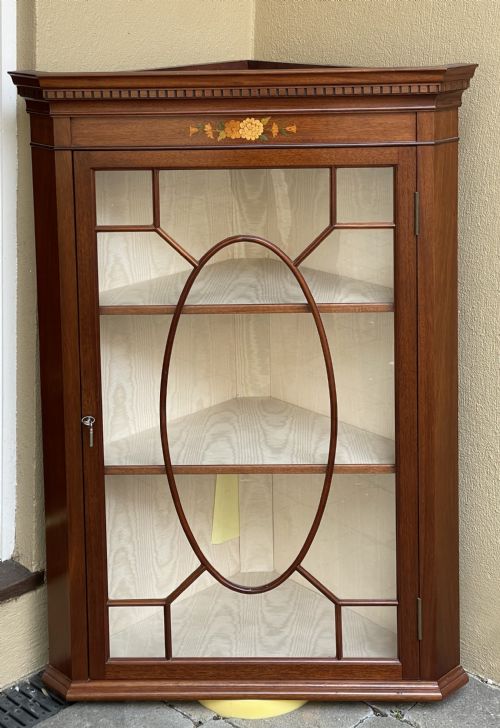


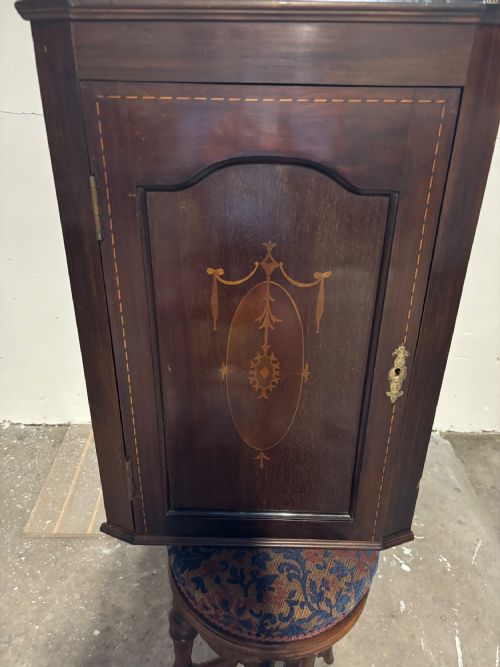

Vintage Wood Wall Cupboard
A vintage wood wall cupboard solves spatial problems with proportion, bringing timber grain and period charm to tight corners.
Vintage Wood Wall Cupboard
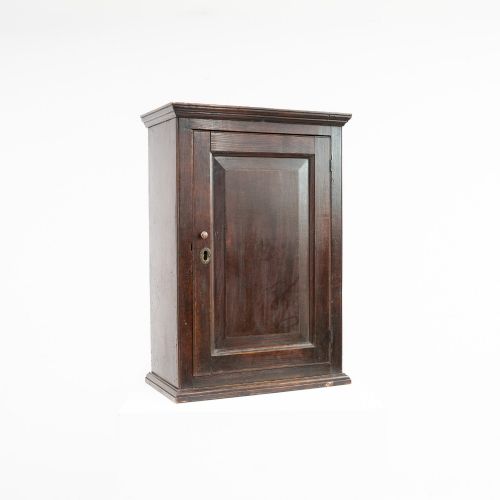
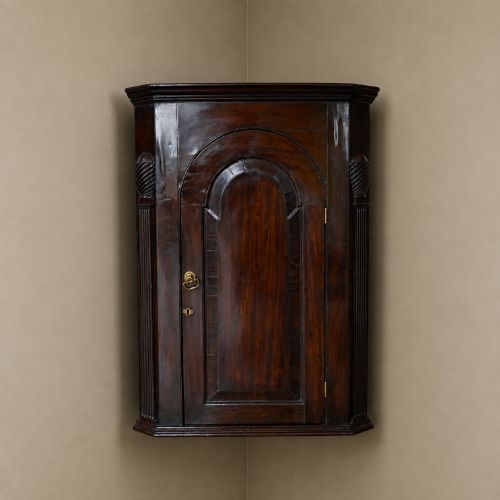
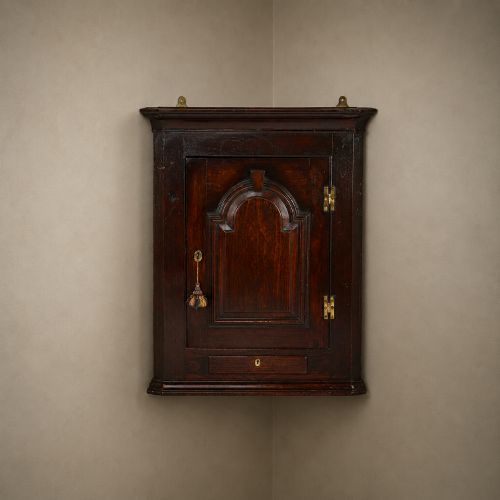
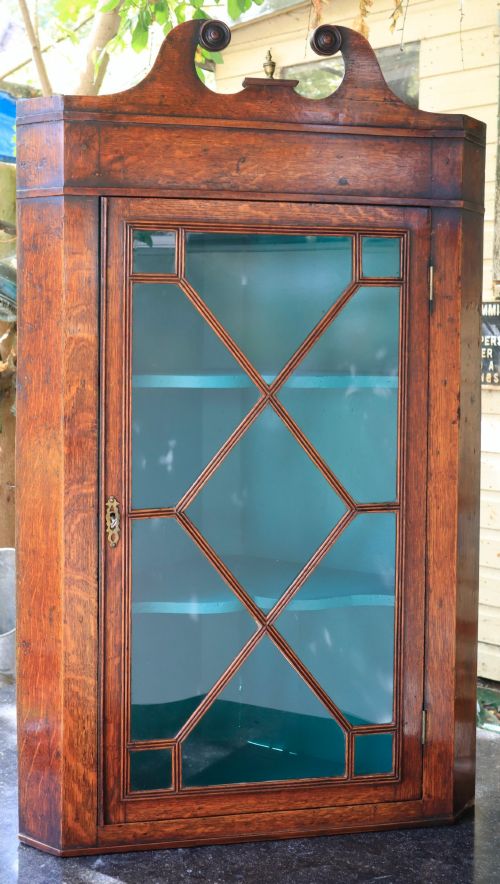
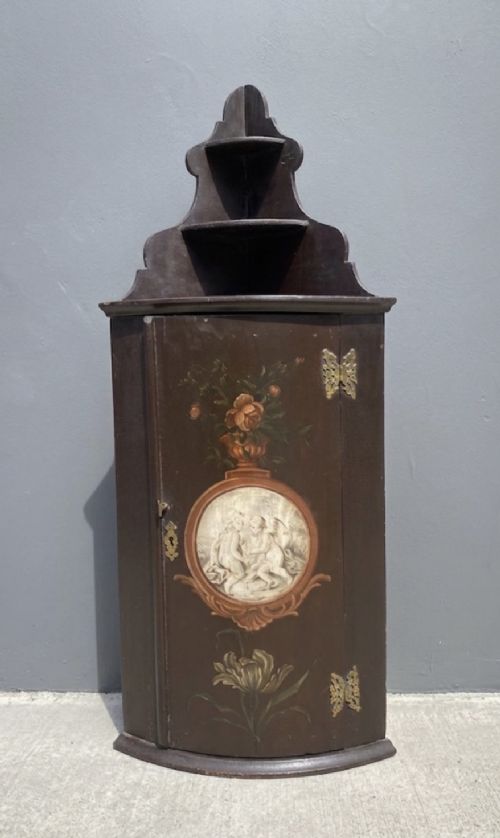
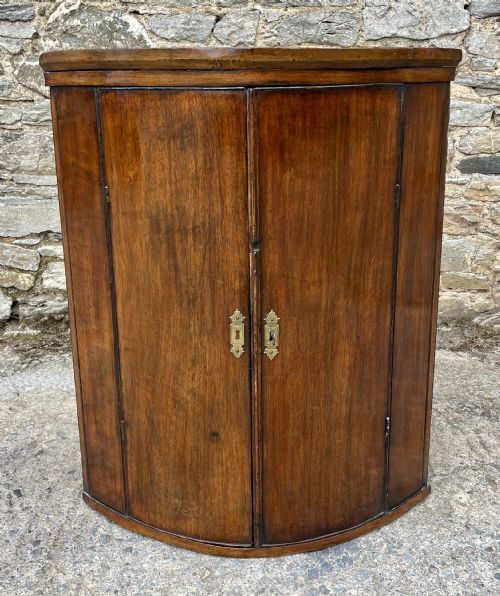
Buyers will encounter various configurations spanning different centuries, including simple panelled doors, bow fronts, and interior shelving. Many surviving examples originate from country workshops or estate carpenters, demonstrating practical utility tailored to period interiors.
Materials and construction methods
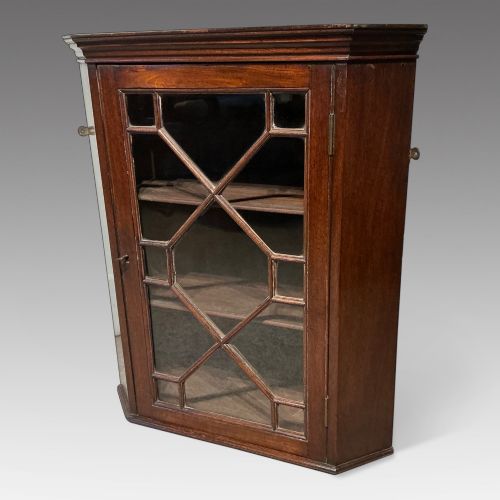
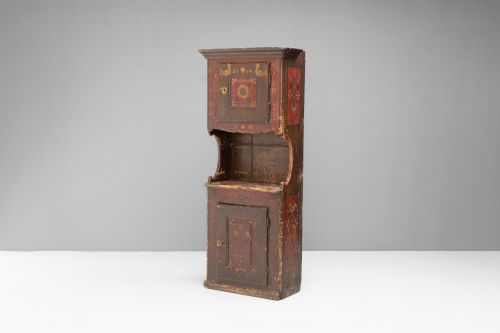
Makers utilised native and imported hardwoods like mahogany, oak, walnut, and pine, frequently pairing solid timber frames with brass hinges, key escutcheons, and glass panels. Surface finishes range from stripped natural pine and polished flame mahogany to original painted coats and intricate Chinoiserie decoration.
Joinery techniques relied on traditional housing joints, dovetails for internal drawers, and sturdy wall-mounting brackets integrated directly into the carcass structure. Glazed doors incorporate delicate timber glazing bars to support individual glass panes securely.
Vintage Wood Wall Cupboard Retail Price Guide 2026
Typical asking prices for vintage wood wall cupboard among the pieces listed under this phrase on Sellingantiques today, from the lower quarter to the upper quarter. They describe what is for sale here now, not the wider market.
Design styles span rustic farmhouse and Scandinavian painted items to refined Georgian mahogany and Arts and Crafts pieces.
Assessing quality and craftsmanship
Quality rests in timber selection, particularly the choice of figured grain such as flame mahogany or well-grained oak, alongside the crispness of any applied mouldings or hand-carved details. Superior pieces retain original brass hardware, working locks with keys, and uncompromised internal shelving.
The integrity of the original hanging fixings and the structural stability of the timber carcass separate standard utility cupboards from finer cabinetmaker pieces. Painted variants derive value from the survival and patination of early or original pigment rather than later repainting.
The Vintage Wood Wall Cupboard Glossary
- Bow front
- A convex curved cabinet front that projects outward from the wall corners. This curved profile requires specialised joinery to shape solid timber or veneers.
- Hanging cupboard
- A wall-mounted storage cabinet designed to be secured above floor level. These pieces typically feature suspension brackets integrated into the backboards.
- Chinoiserie
- European decorative style imitating Chinese artistic motifs. Pieces often display painted or lacquered oriental scenes on the cabinet doors.
- Escutcheon
- A protective plate surrounding a keyhole. Brass examples frequently accent the primary door panels on period cabinets.
- Vitreen
- A display cabinet featuring glass panels designed for showing porcelain or ornaments. The term derives from French display terminology.
Vintage Wood Wall Cupboard: Frequently Asked Questions
How do I hang a vintage wall cupboard safely?
Secure the cabinet directly into wall studs or structural masonry using appropriate load-bearing fixings. Avoid relying solely on plasterboard to support heavy timber carcasses.
Check that the internal mounting brackets or screw points integrated into the backboards remain stable before loading shelves with heavy items.
What is the difference between a corner cupboard and a wall cabinet?
Corner cupboards feature angled backs specifically engineered to fit flush into room junctions. Flat-backed wall cabinets mount onto standard straight walls.
Both variants serve similar storage functions but occupy different spatial footprints within period interiors.
Are original keys common on these cabinets?
Many surviving pieces retain their working locks and original keys, though replacements are frequently fitted over centuries of use. Lock mechanisms often provide clues to the period of manufacture.
Brass escutcheons surrounding the keyholes usually match the era of the cabinet construction.
How do I clean wooden cabinet interiors?
Dust interior shelves gently with a dry, soft cloth to protect aged timber surfaces and painted finishes. Avoid modern chemical sprays that can degrade historic wax or polish.
Allow painted interiors to retain their natural patination without aggressive scrubbing or abrasive cleaning agents.