






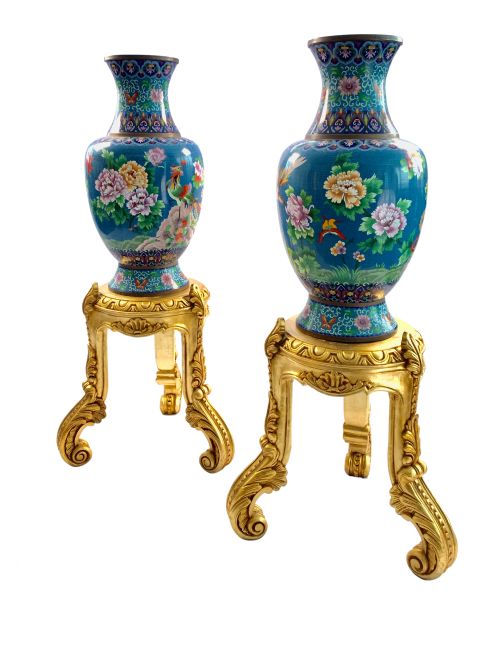

Vintage Wood Vase
These vintage wood vase examples bring organic warmth and turned grain texture into interiors.
Vintage Wood Vase
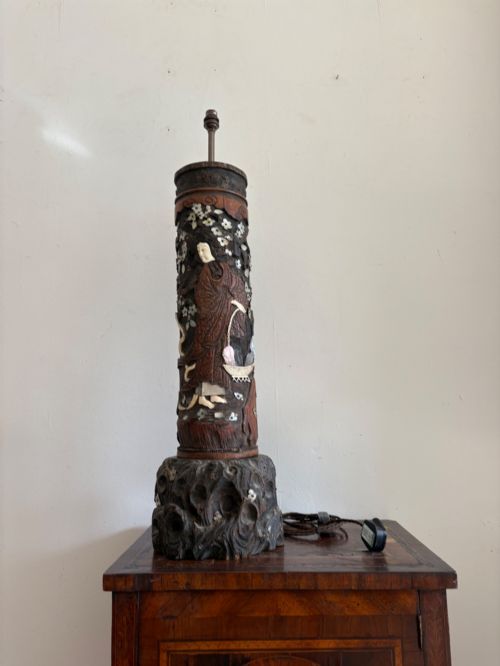
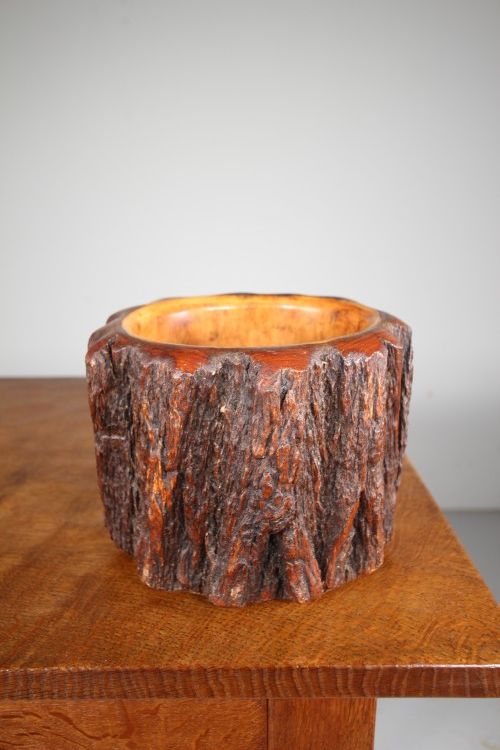
A vintage wood vase brings natural grain and organic form into an interior space. When you search for a vintage wood vase, you encounter turned vessels, carved stems, and large turned wooden churns repurposed as decorative objects. The selection includes nineteenth-century pieces alongside mid-twentieth-century examples.
Turned walnut vessels demonstrate classical silhouettes shaped on a lathe. Other examples utilise dense hardwoods or incorporate traditional joinery and turning techniques. These objects bridge utilitarian origins and decorative display.
Materials and construction methods
Makers utilised timber varieties such as walnut, mahogany, and assorted hardwoods. Turning on a lathe formed symmetrical bodies and balanced profiles from solid blocks of timber.
Surface treatments preserved the natural grain patterns of the wood while providing protection. Carving and turning required precision to achieve stable walls and balanced bases.
Vintage Wood Vase Retail Price Guide 2026
Typical asking prices for vintage wood vase among the pieces listed under this phrase on Sellingantiques today, from the lower quarter to the upper quarter. They describe what is for sale here now, not the wider market.
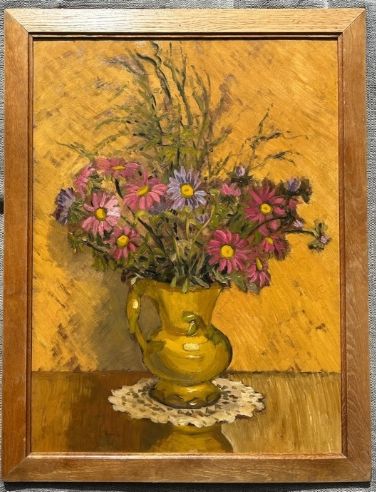
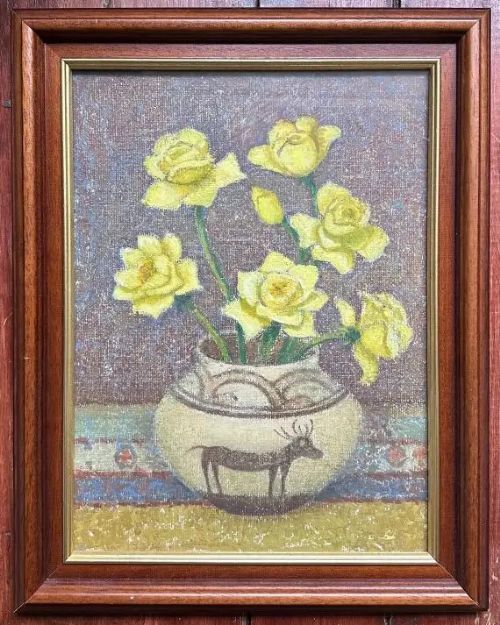
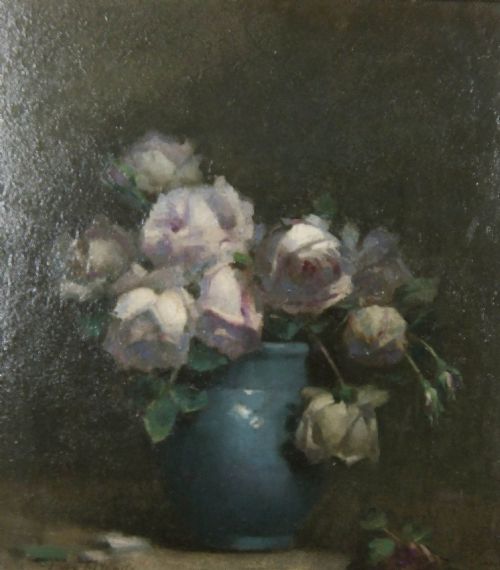
Current listings span from the 19th century through the 1960s, featuring turned walnut and hardwood forms alongside painted and oil-painted artworks.
Distinctions in quality
Quality rests upon the skill of the turning and the selection of the timber. Finely figured grain patterns and precise lathe work separate superior examples from plain utility items.
Proportion and stability define the construction standards across different periods. Well-executed turning ensures a balanced weight distribution from base to rim.
The Vintage Wood Vase Glossary
- Turned
- Shaped on a rotating lathe using cutting tools. This method creates symmetrical circular forms in timber.
- Hardwood
- Timber from broad-leaved deciduous trees. These dense woods provide durability and fine grain patterns for decorative objects.
- Treen
- Small handmade wooden household objects. Collectors use this term for functional and decorative wooden items from earlier periods.
- Neo-classical
- A style inspired by classical antiquity. This design influence appears in formal proportions and restrained decorative motifs.
Vintage Wood Vase: Frequently Asked Questions
What is a vintage wood vase?
A vintage wood vase is a decorative vessel turned or carved from timber. These pieces showcase natural grain patterns and traditional woodworking techniques.
They serve as standalone decorative objects or display pieces within domestic interiors, offering organic texture and warmth.
How do I care for wooden vases?
Keep wooden vessels away from direct sunlight and sudden temperature shifts to prevent the timber from drying out or splitting. Dust gently with a dry cloth.
Avoid placing standing water directly inside unsealed wooden vessels. Utilise a small glass insert if holding fresh flowers.
What woods were commonly used?
Turned vessels frequently utilise walnut, mahogany, and assorted dense hardwoods. Selection depended on regional availability and the desired finish.
Dense timbers allowed craftsmen to achieve crisp turning lines and durable structural walls.
How are different periods identified?
Periods are distinguished through turning styles, timber selection, and surface patination. Nineteenth-century examples often feature neo-classical profiles and heavier turned proportions.
Mid-century pieces tend to embrace simpler, more minimalist silhouettes that highlight the natural grain of the wood.