
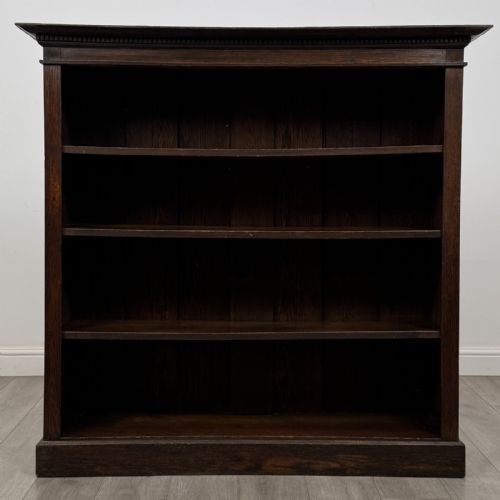
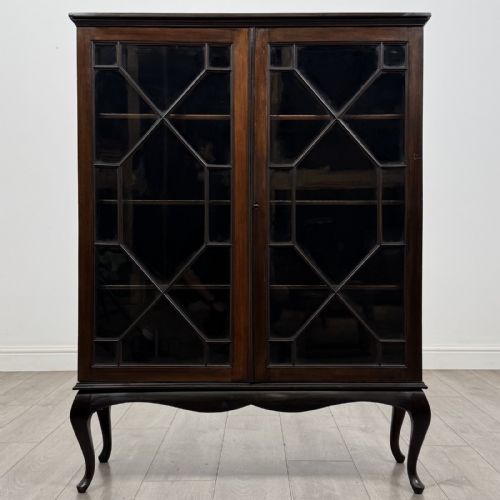
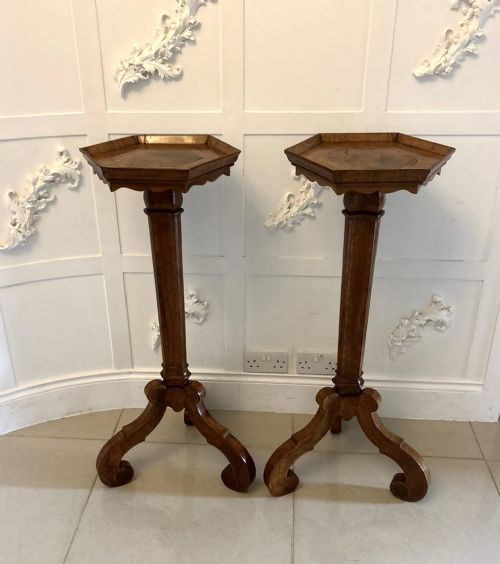
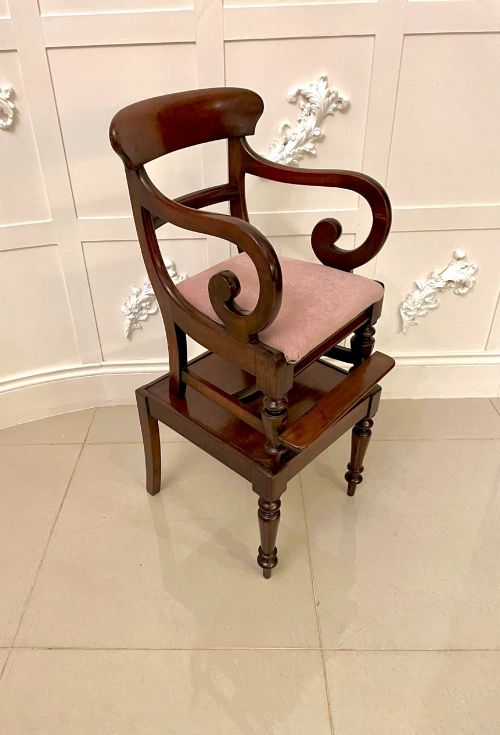
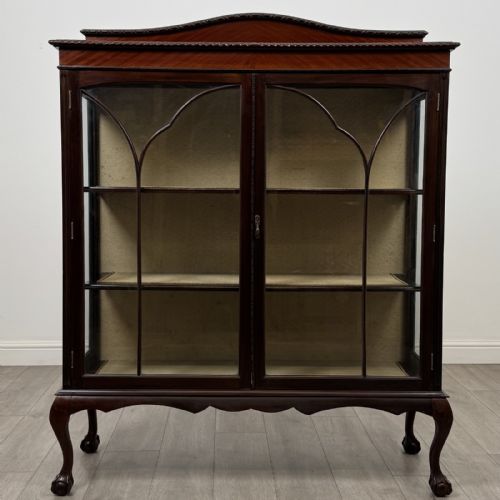
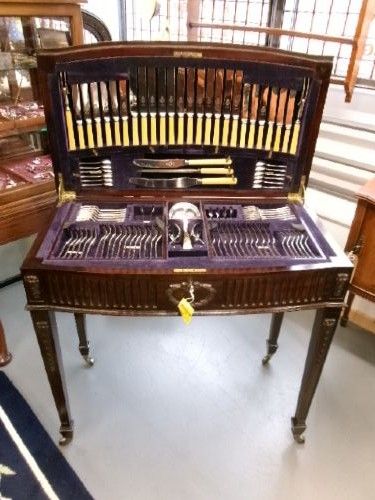
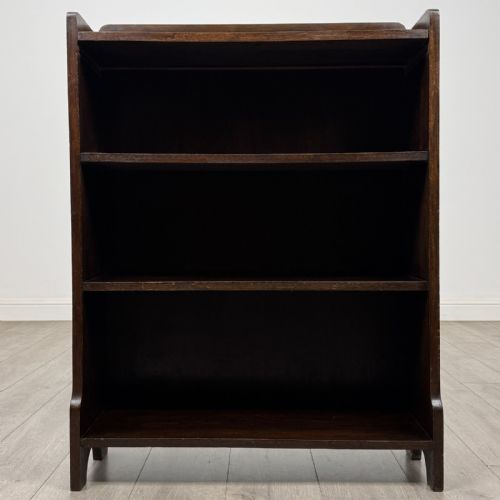
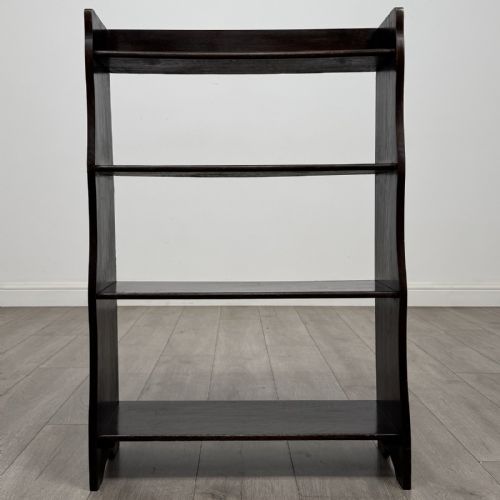
Vintage Wood Stand
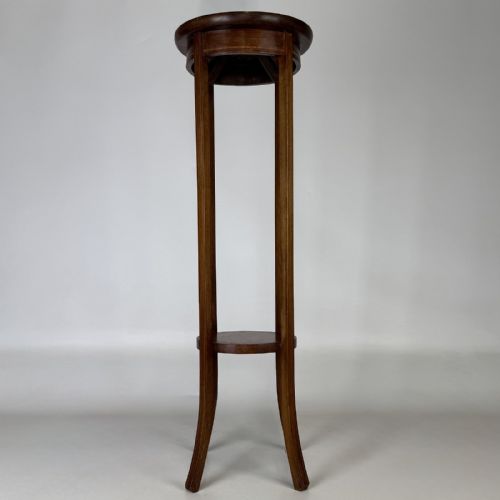
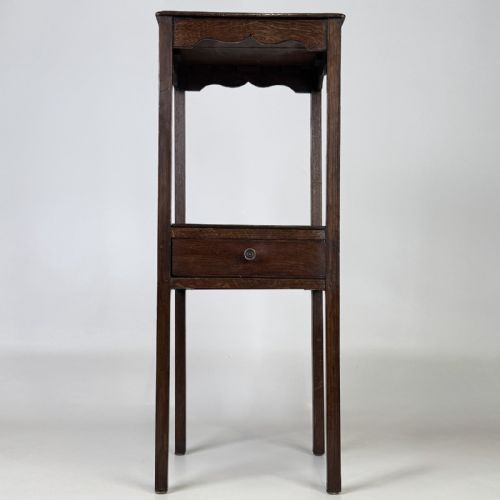
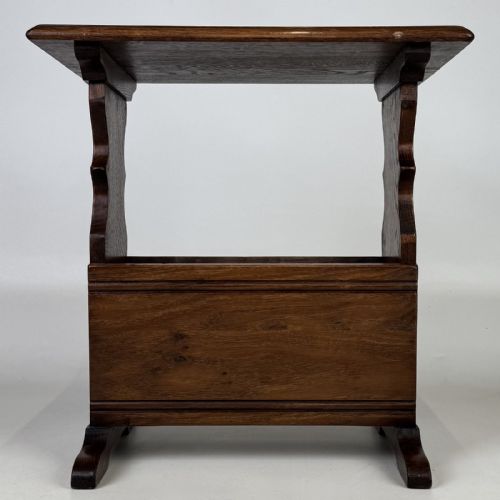
A vintage wood stand brings character to an empty corner, supporting plants, books, or lamps with functional design.
Vintage Wood Stand
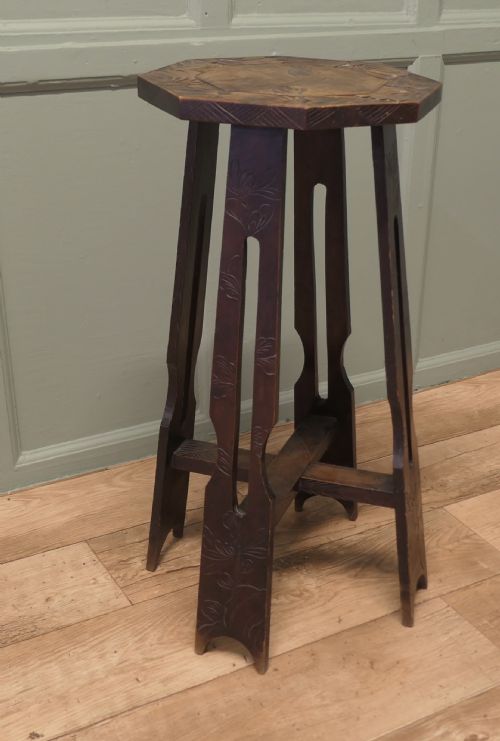
The selection includes specialised forms such as octagonal plant stands, wine tables, and lamp tables with satinwood inlay. Makers such as Liberty and Co provide distinctive Arts and Crafts interpretations alongside standard domestic furniture. Originating across distinct eras from the Georgian period through the twentieth century, each stand serves a specific domestic utility.
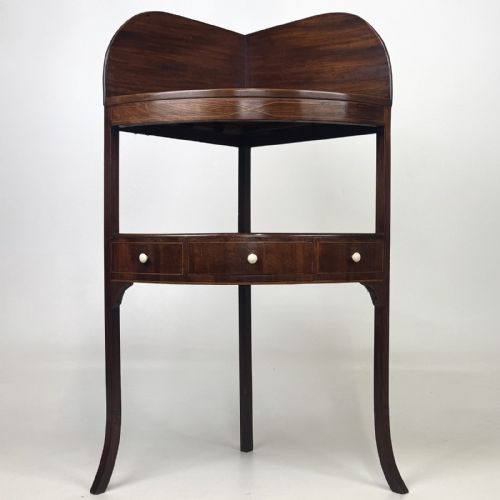
Structural variations define the category, including folding butler trays on stands and corner stands with raised galleries. Bentwood coat and hat stands represent the utilitarian branch of these wooden supports. Buyers encounter both carved decorative variants and plain functional pieces intended for daily use.
Assessing quality in wooden stands
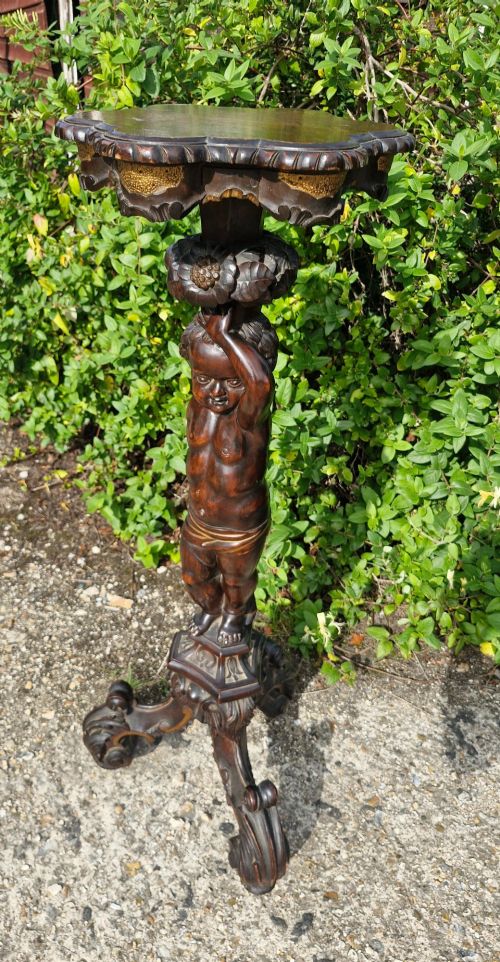
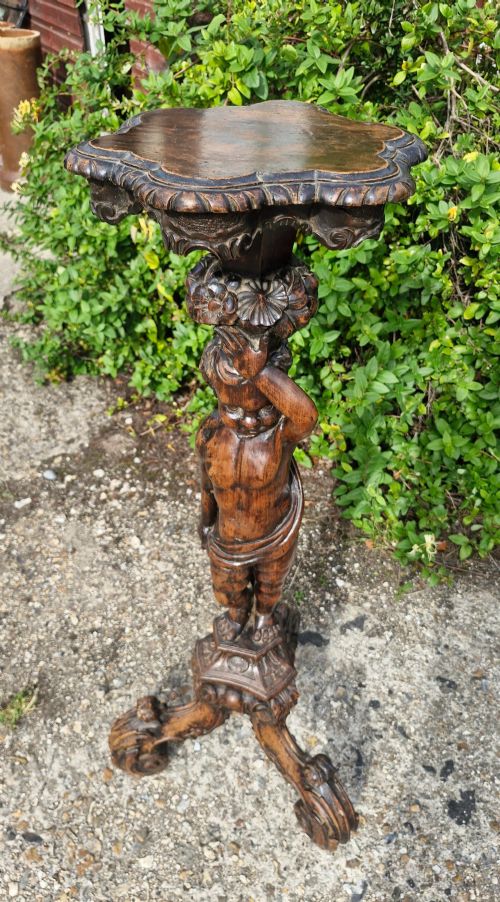
Condition and originality dictate the standing of individual items within the market. Fine satinwood inlay and well-preserved carved panels indicate workshops dedicated to high standards. Conversely, heavy alterations or loss of original hardware diminish the integrity of the piece.
Solid rosewood elephant side tables bring an unexpected safari presence straight into the parlour.
Liberty and Co·Heals
The Vintage Wood Stand Glossary
- Gallery
- A raised wooden edge or rail running along the top of a shelf or table to prevent items from sliding off. This feature often appears on Edwardian bookcases and corner stands.
- Inlay
- A decorative technique where contrasting woods, such as satinwood, are inserted into recessed portions of a primary timber base. It defines much of the ornamentation on Edwardian furniture.
- Bentwood
- Wood that has been heated with steam and bent into curved shapes, commonly utilised in the production of nineteenth-century coat and hat stands.
- Butler Tray
- A portable tray designed to sit upon a folding wooden stand, originally utilised for serving but adapted for general household display.
- Revolving Bookcase
- A freestanding tiered bookcase mounted on a hidden pivot mechanism to allow rotation and easy access to books from any angle.
Vintage Wood Stand: Frequently Asked Questions
What is a plant stand used for?
A plant stand elevates potted greenery to improve light exposure and interior aesthetics. These pieces provide a dedicated platform in domestic rooms.
Many incorporate lower shelves for additional display space or storage of gardening accessories.
How do I date a wooden stand?
Dating relies on identifying timber choices, construction methods, and stylistic markers associated with specific eras like the Edwardian period or nineteenth century. Examining joinery reveals the technological methods available to the maker.
Secondary materials like brass or iron hardware also provide chronological indicators.
Where should I place a corner stand?
A corner stand fits snugly into unused room junctions, maximising floor space while offering surface area for lamps or decorative objects. Their angled backs ensure stability against intersecting walls.
These pieces work effectively in hallways, living rooms, and bedrooms.
Are umbrella stands still practical?
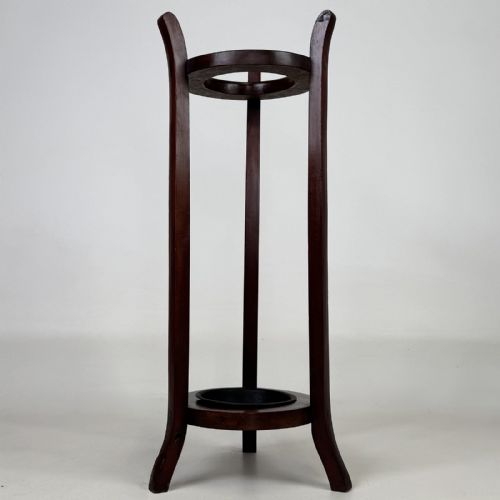
Umbrella and stick stands offer functional hallway storage for wet weather accessories. They keep walking sticks and umbrellas upright and contained.
Historical examples combine solid wood frames with metal drip trays to protect flooring.