



Vintage Wood Sphere
These vintage wood sphere pieces bring scholarly charm to a room, offering tactile maps of the world and turned timber forms.
Vintage Wood Sphere
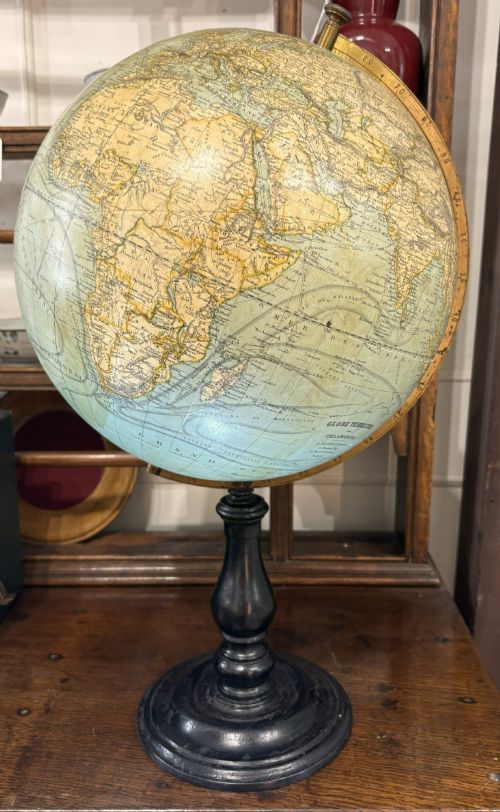
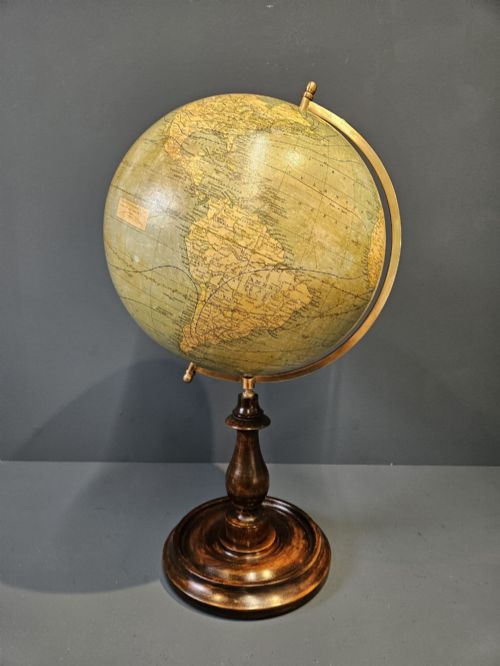
When you search for vintage wood sphere items, you encounter terrestrial globes mounted on timber stands, desk spheres, and turned treen objects from various eras. The selection spans the nineteenth century through the mid twentieth century, encompassing French, German, and British origins.
You are most likely to meet desktop and floor standing globes resting on wooden bases or turned feet. These functional objects double as decorative items for studies and libraries.
The assortment includes pieces styled in the Victorian, Edwardian, and mid-century modern traditions. Materials such as mahogany, walnut, boxwood, and ebonised wood frequently form the supporting structures.
How they were made
Maker's workshops built these items using a combination of turned timber for the feet and stands alongside paper mache or plaster for the spherical bodies. Artisans applied printed paper gores to map surfaces, mapping the earth with detailed cartography.
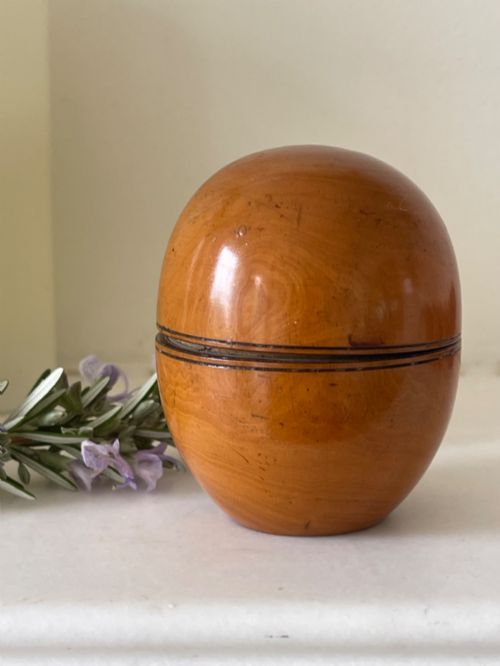
Woodworkers turned dense hardwoods like boxwood and mahogany on lathes to create weighted bases and small treen objects. Brass fittings and metallic meridians often secure the spheres within their wooden frames.
Vintage Wood Sphere Retail Price Guide 2026
Typical asking prices for vintage wood sphere among the pieces listed under this phrase on Sellingantiques today, from the lower quarter to the upper quarter. They describe what is for sale here now, not the wider market.
The listings span from the nineteenth century through the interwar period and into the mid-twentieth century, featuring wooden stands alongside paper mache and plaster.
What varies in quality
Quality rests upon the crispness of the cartographic printing and the fidelity of the timber turning on the base. Finer examples display meticulous hand-applied gores and rich, patinated hardwoods like walnut and mahogany.
Subtleties in the cast of the metal meridians and the weight of the underlying plaster or paper mache distinguish superior items from simpler productions.
The Vintage Wood Sphere Glossary
- Terrestrial globe
- A spherical map representing the earth mounted on a stand with an axis. These items serve both educational and decorative purposes in historical interiors.
- Treen
- Small handmade wooden domestic objects produced by turning or carving. Collectors prize these tactile items for their historical utility and warm timber patination.
- Gores
- Printed paper segments shaped like lutes that are applied to spherical surfaces to form a complete map. Their precise alignment indicates the care taken in manufacturing.
- Meridian
- The brass or metal ring that encircles a globe and holds it at the correct axial tilt. This component allows the sphere to rotate freely during use.
Vintage Wood Sphere: Frequently Asked Questions
What is a desktop globe?
A desktop globe is a small spherical map designed to sit on a flat surface such as a table or bureau. These items often feature a wooden base or a short turned foot.
They allowed users to consult geography without taking up the space required by large floor-standing models.
How do I date an antique globe?
Dating relies on examining the geographical boundaries printed on the paper gores, which reflect the political borders of their era. Typography, mounting styles, and the wood used for the stand also offer strong chronological clues.
Makers often included publication dates near the cartouche, though later editions sometimes reused older plates.
What woods were used for stands?
Craftspeople utilised dense timbers such as mahogany, walnut, boxwood, and ebonised wood for bases and feet. These materials provided the necessary weight and stability to support the suspended sphere.
Turners shaped the timber on lathes to reflect the prevailing design aesthetics of the nineteenth and early twentieth centuries.
Where were these globes made?
Historical production centres spanned across Britain, France, and Germany, with notable publishers creating pieces for international markets. French and German firms often produced distinctive desk globes with native language cartography.
British makers like Bacon and Geographia supplied schools, homes, and offices throughout the empire.