

Vintage Wood Sofa
A vintage wood sofa brings warmth and grounded character to a room, offering sturdy frames and classic upholstery that suit traditional and eclectic interiors alike.
Vintage Wood Sofa
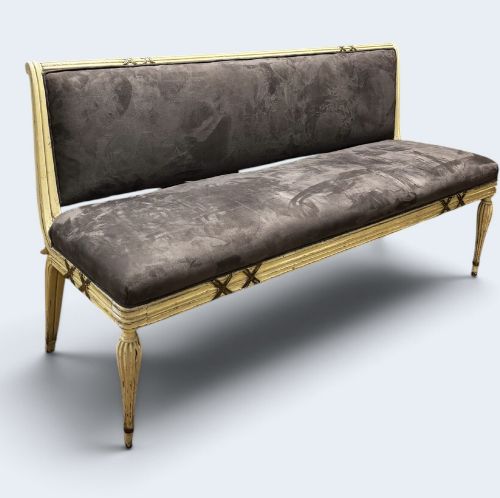
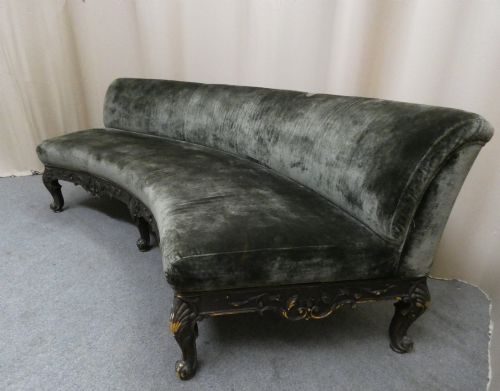
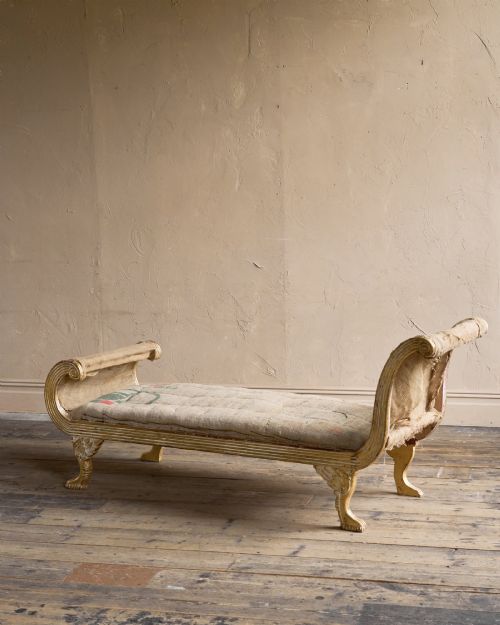
A vintage wood sofa encompasses diverse seating forms, ranging from nineteenth-century settees and chaise longues to twentieth-century bergères and daybeds. Buyers browsing for a vintage wood sofa encounter styles spanning Victorian, Edwardian, Art Deco, and French provincial designs, reflecting varied regional tastes and historical periods.
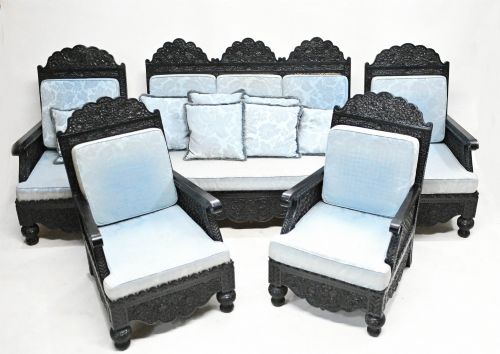
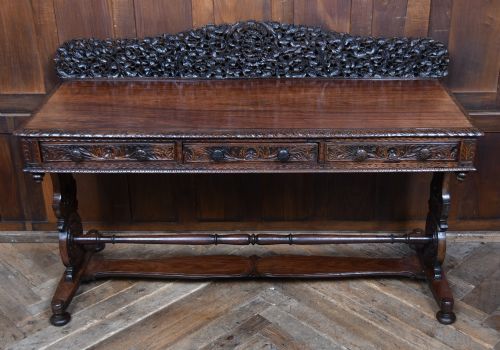
French and Anglo-Indian influences appear frequently alongside traditional English forms, offering carved woodwork and decorative framing. These seating options serve as both practical furniture and focal points within a living space.
Materials and construction methods
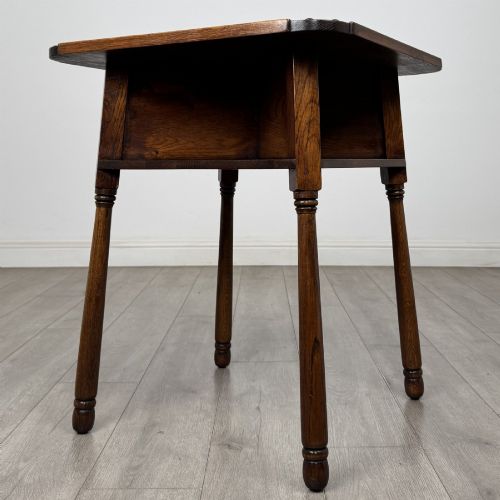
Frames rely predominantly on hardwoods such as mahogany, walnut, oak, and elm, selected for structural stability and rich grain patterns. Secondary materials like cane provide lightweight yet durable panels for backs and sides.
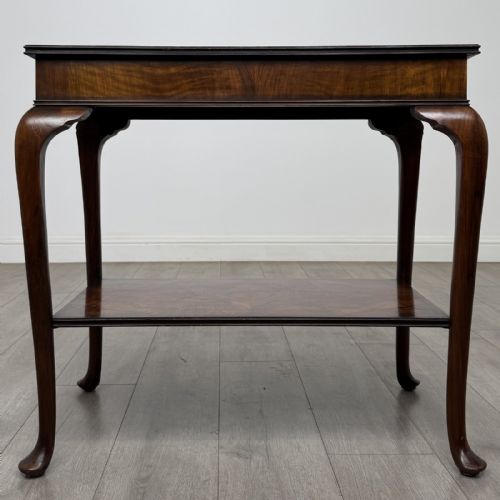
Joinery and carving techniques define the period character, with exposed wooden frames showcasing hand-carved details, cabriole legs, or ball and claw feet. Upholstered elements integrate traditional cushioning materials and decorative fabrics to complete the seating structure.
Vintage Wood Sofa Retail Price Guide 2026
Typical asking prices for vintage wood sofa among the pieces listed under this phrase on Sellingantiques today, from the lower quarter to the upper quarter. They describe what is for sale here now, not the wider market.
Listings feature periods from the nineteenth and twentieth centuries, including Victorian, Edwardian, and Art Deco examples.
Distinctions in quality and finish
The integrity of the wooden frame and the precision of any carved ornamentation set higher tiers apart from standard production. Grain selection in burr walnut or figured mahogany indicates careful material sourcing by the maker.
The condition of integrated cane work, joinery stability, and the preservation of original wood surfaces determine the overall standard of a piece. Finer examples maintain crisp carving details and sturdy structural joints over decades of use.
The Vintage Wood Sofa Glossary
- Cabriole leg
- A furniture leg that curves outward and then tapers inward, inspired by the shape of an animal's leg. It appears frequently on seating from the eighteenth century onward.
- Canapé
- A French term for an antique decorative sofa or settee. These pieces often feature carved wooden frames and upholstered seats.
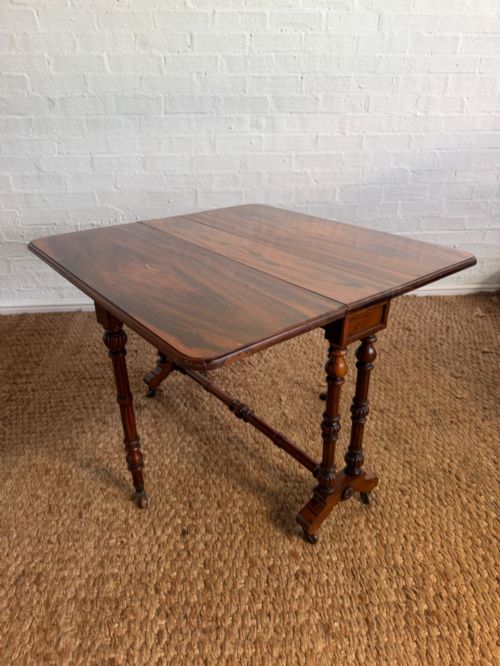
- Sutherland table
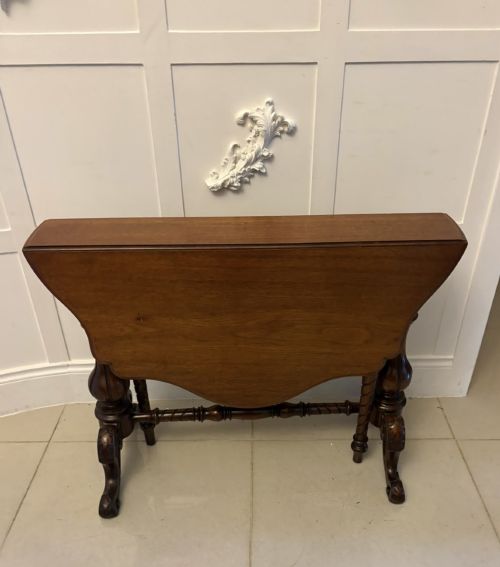
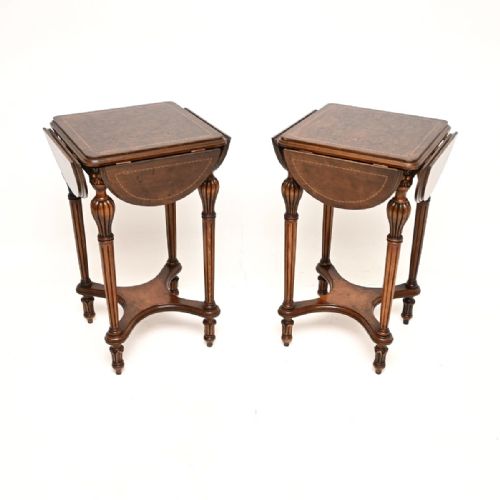
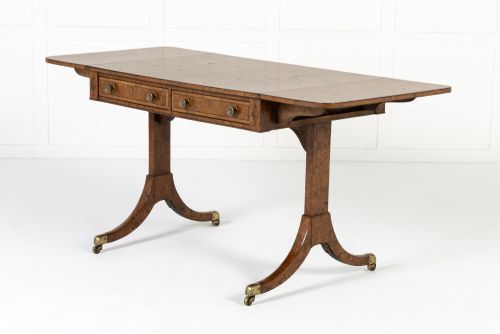
- A narrow drop-leaf table with hinged leaves that fold down vertically. The design maximises floor space when not in use.
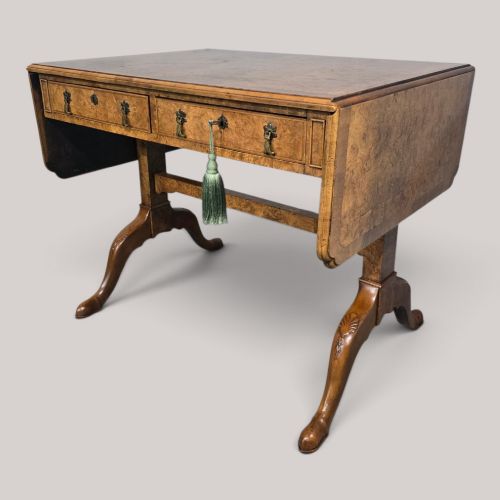
- Pembroke table
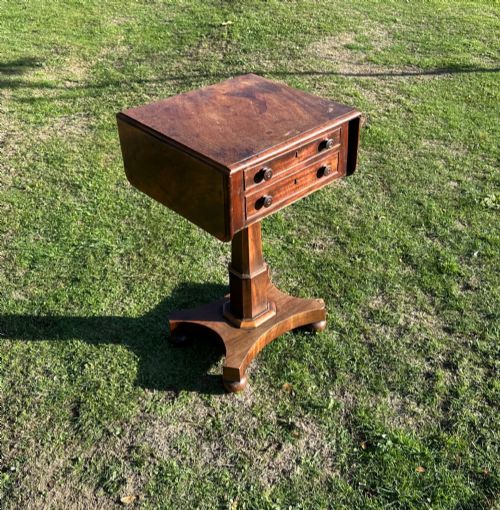
- A small rectangular table featuring two hinged drop leaves on opposite sides. It typically includes one or more small drawers.
Vintage Wood Sofa: Frequently Asked Questions
How do I clean a wooden sofa frame?
Dust the exposed wooden framework regularly with a soft, dry cloth to prevent dirt accumulation. Avoid harsh chemical cleaners that can strip the polished finish.
Apply a suitable beeswax or furniture polish occasionally to nourish the wood and maintain its natural lustre. Keep the seating away from direct heat sources and strong sunlight to prevent the timber from drying out or splitting.
Are these sofas comfortable for daily use?
Many period settees and bergères provide firm support through traditional padding and coil sprung bases. Feather cushions and upholstered seats offer comfortable lounging suited to everyday living.
Comfort levels vary depending on the specific era and internal padding condition. Adding scatter cushions can easily adjust the seating depth and back support to personal preference.
How do I identify the wood type?
Examine the grain pattern, colour depth, and weight of the exposed frame to distinguish between timbers like oak, walnut, and mahogany. Walnut often displays rich, swirling grain figures while mahogany tends to have a reddish-brown tone.
Consulting close-up details of the timber helps differentiate solid hardwoods from veneered surfaces. Natural ageing and patination also provide clues regarding the age and origin of the wood.
Where should I place a wooden sofa in my home?
Position the seating away from radiators and direct sunlight to protect both the wooden frame and the fabric upholstery. Placing the piece against a main wall or floating it in a larger room highlights the carved details of the back and arms.
Ensure there is adequate clearance around drop-leaf tables or side furniture often paired with these seating arrangements. Balance the heavy timber tones with lighter textiles or rugs in the surrounding room decor.