




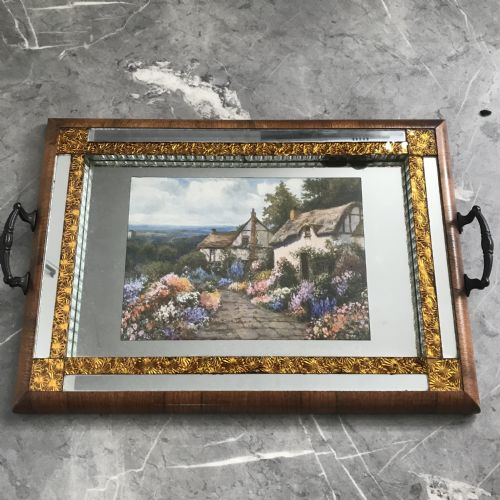
Vintage Wood Serving Tray
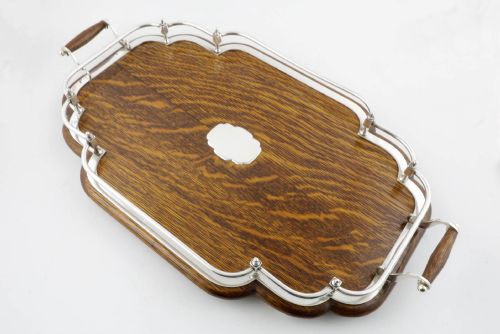
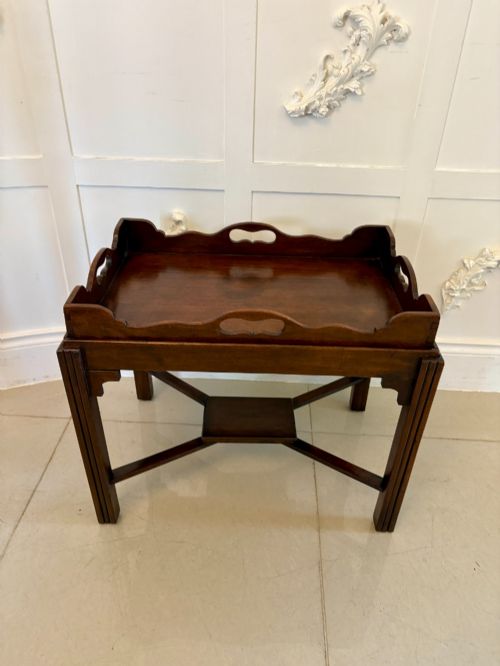
A vintage wood serving tray brings utility and hand-crafted character to a room, ranging from folding butler tables to inlaid tea trays.
Vintage Wood Serving Tray
A vintage wood serving tray encompasses forms designed for carrying or presenting food and drink, alongside folding butler tables and dumb waiters recorded in the evidence. These pieces span the 18th century, Georgian, Victorian, Edwardian, and Art Deco periods, reflecting changing social habits across generations.
Materials and construction
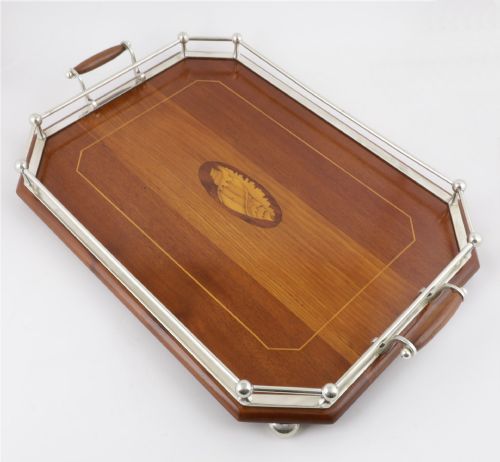
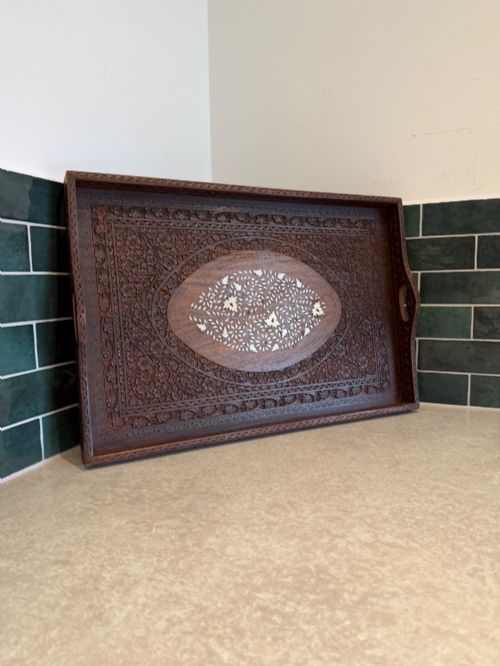
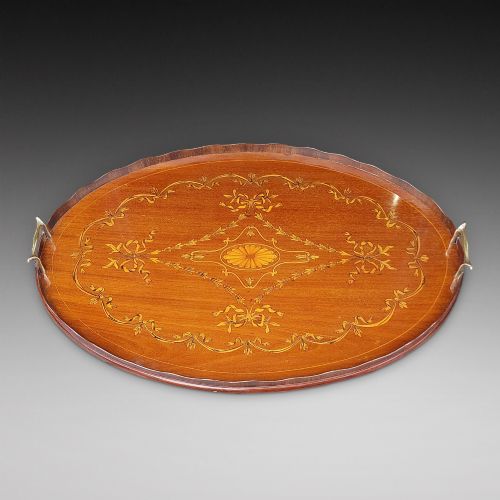
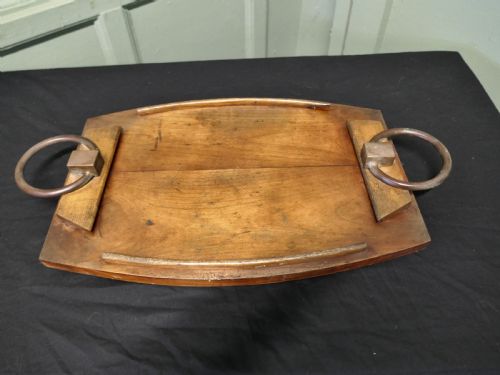
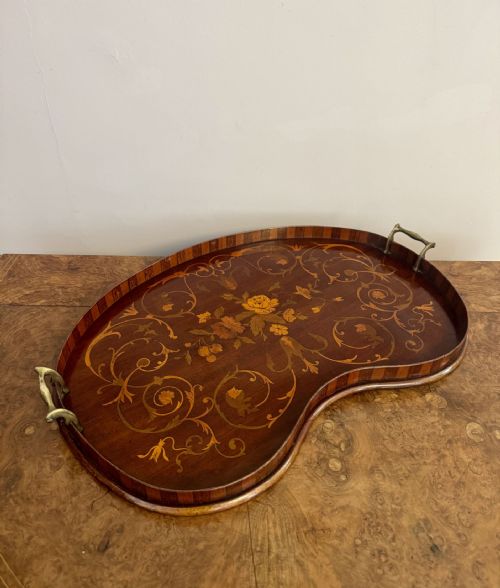
Cabinet makers utilised dense hardwoods like mahogany, walnut, and teak, frequently applying decorative veneers such as oyster cuts or satinwood banding. Surfaces were enhanced with shell inlay, marquetry, and carved details, while functional edges relied on brass mounts, silver plate, or coopered construction.
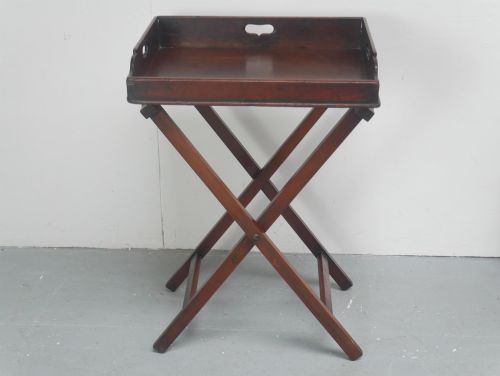
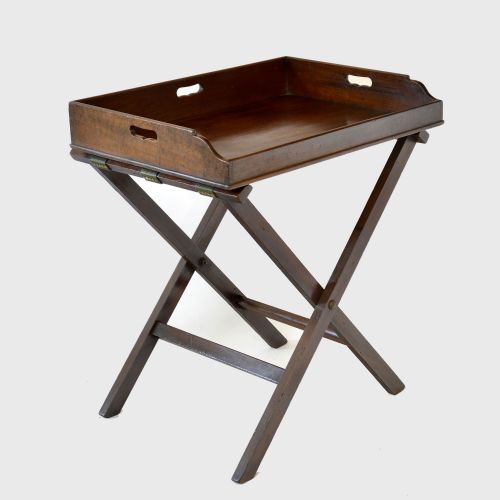
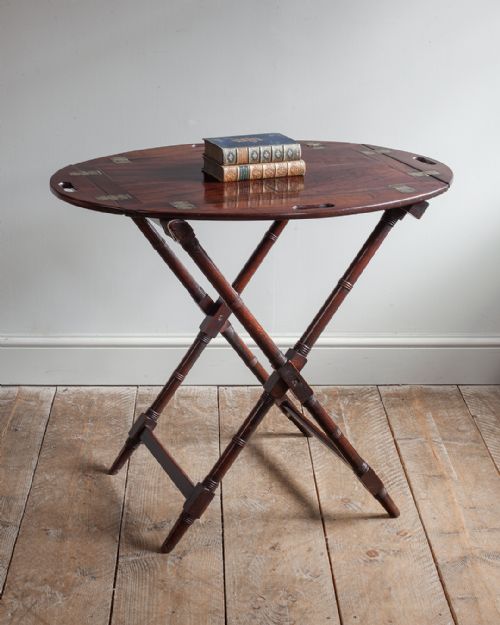
Stands and folding tables were engineered with collapsible X-frames or tier structures to allow easy storage and transport. Joinery techniques ensured that serving trays withstood regular movement, combining sturdy structural timbers with refined surface ornamentation.
Vintage Wood Serving Tray Retail Price Guide 2026
Typical asking prices for vintage wood serving tray among the pieces listed under this phrase on Sellingantiques today, from the lower quarter to the upper quarter. They describe what is for sale here now, not the wider market.
Materials recorded across the inventory include silver plate, brass, glass, and various hardwoods such as satinwood, ash, and elm.
Distinctions in craftsmanship
Quality rests upon the precision of the joinery and the selection of timber veneers. Superior examples display tightly fitted inlay, harmonious grain matching, and robust structural integrity in folding stands or gallery borders.
The finesse of the carving and the original integration of brass or silver-plated hardware elevate certain trays above standard utility pieces. Finer items maintain crisp decorative details and balanced proportions, whether shaped as ovals, kidneys, or octagons.
The Vintage Wood Serving Tray Glossary
- Butler tray
- A portable wooden tray with hinged or cutout sides, typically paired with a folding X-frame stand for domestic service.
- Marquetry
- The art of applying decorative pieces of veneer to a structure to form intricate pictorial designs or patterns. Craftsmen utilised contrasting timbers to achieve tonal depth.
- Gallery tray
- A tray featuring an elevated pierced metal, silver plate, or wooden border designed to prevent items from sliding off during transport.
- Dumb waiter
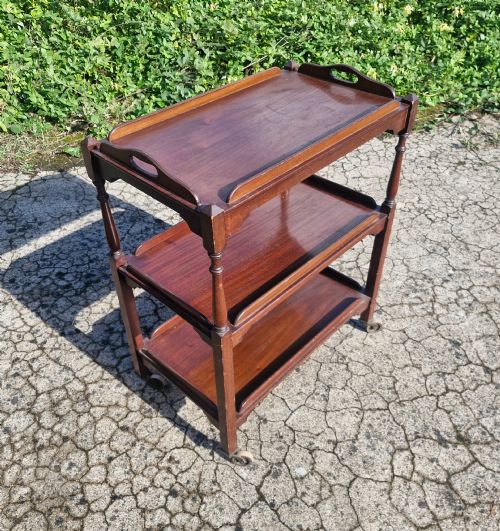
- A tiered revolving or stationary serving stand used to hold dishes or drinks without requiring a dedicated servant at the table.
- Coopered
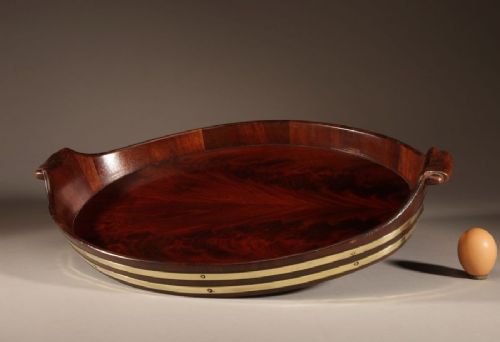
- Constructed using wooden staves joined together side by side with metal or wood bands, similar to barrel-making techniques.
Vintage Wood Serving Tray: Frequently Asked Questions
How were butler trays used?
Butler trays served primarily for carrying food and beverages from the kitchen to living areas or dining rooms. Once delivered, the tray often rested on a folding stand to function as a temporary side table.
Over time, many of these trays and stands transitioned into permanent household furnishings, particularly as coffee tables in modern interiors.
What is an oyster veneer?
Oyster veneering involves slicing small branches diagonally to produce circular or oval cross-section patterns resembling oyster shells. Cabinet makers arranged these pieces closely to create decorative surfaces on tables and trays.
This technique appeared frequently during specific historical periods, adding distinct natural grain movement to smaller wooden objects.
How do I care for a wooden tray?
Wooden serving trays require gentle cleaning with a dry or barely damp cloth to protect vintage polishes and delicate veneer work. Avoid submerging them in water or exposing them to excessive heat and direct sunlight.
Applying occasional appropriate wax preserves the natural lustre of mahogany, walnut, and oak surfaces without harming inlaid details.
Are these trays suitable for daily use?
Many solid wood and metal-garrisoned trays remain sturdy enough for light serving duties or display purposes. Sturdier butler trays and folding tables easily accommodate everyday items in contemporary settings.
Frail inlaid pieces or mirrored Art Deco glass surfaces benefit more from static placement as decorative accents rather than heavy service.