
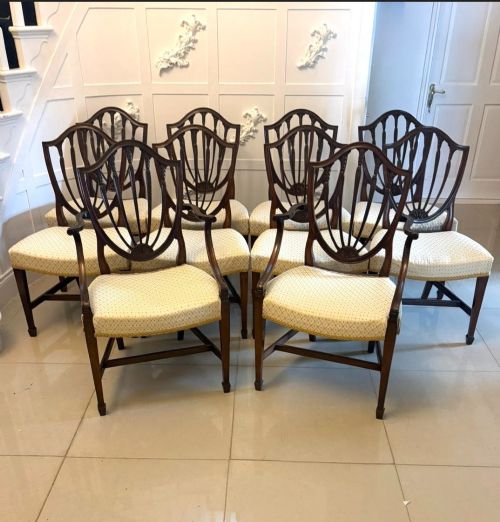
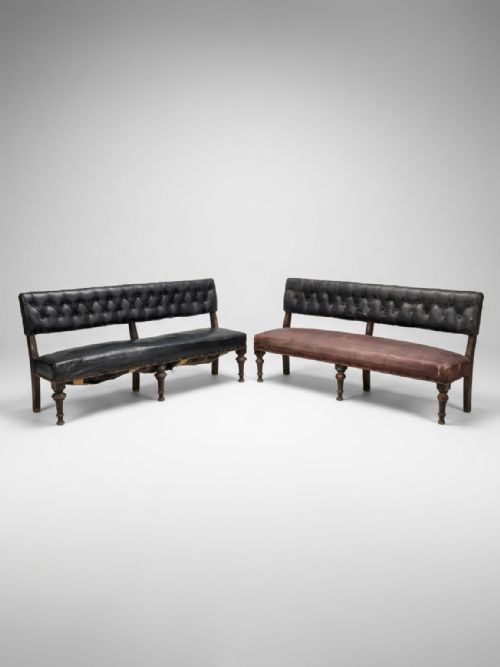
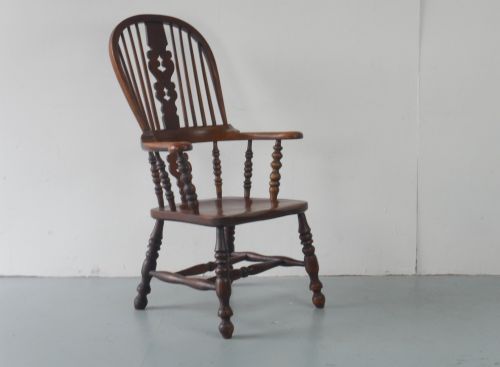
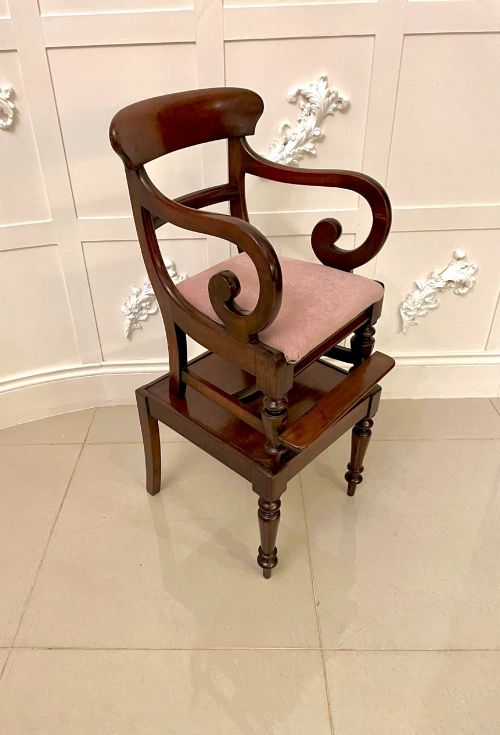
Vintage Wood Seat
Vintage wood seat pieces are practical forms that bring tactile warmth and solid timber construction into everyday interiors.
Vintage Wood Seat
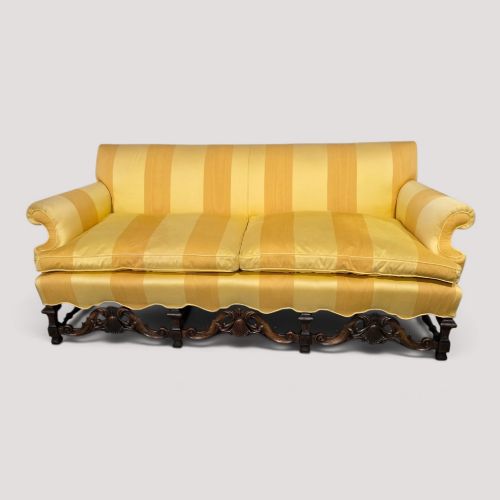
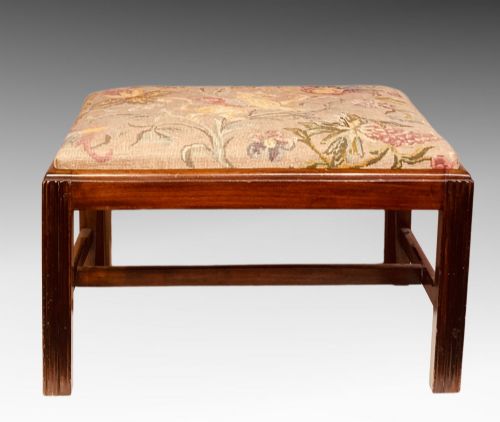
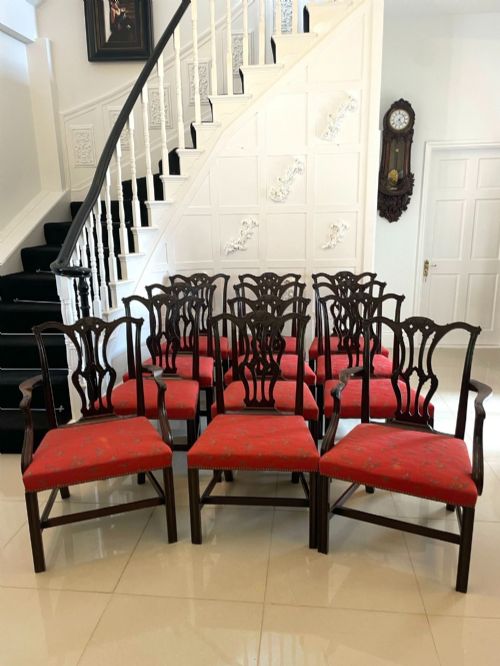
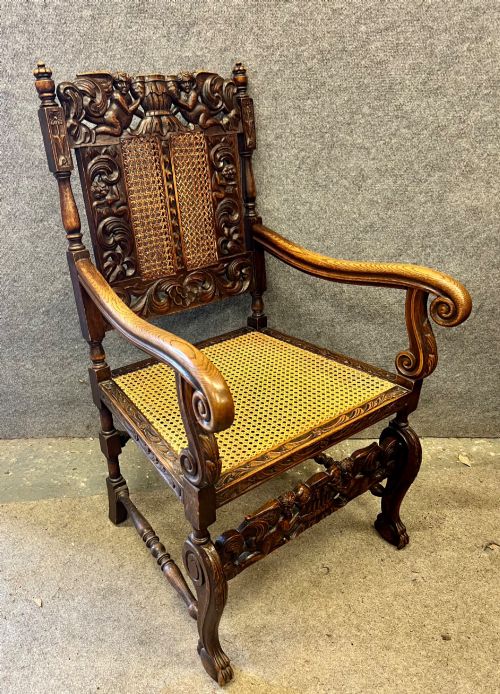
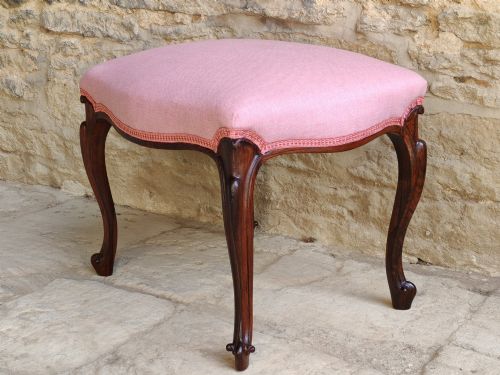
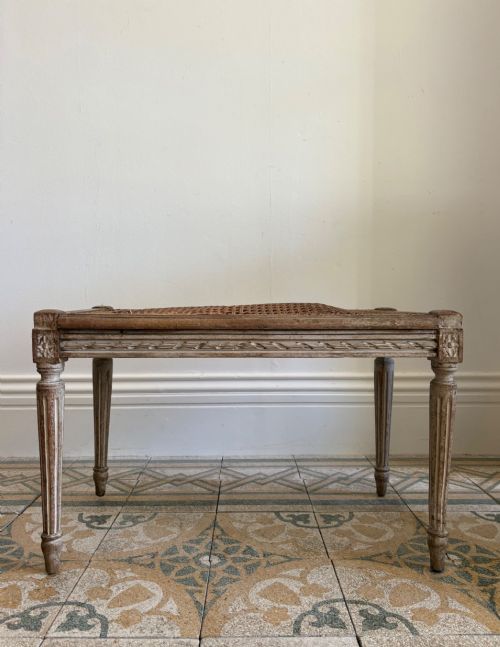
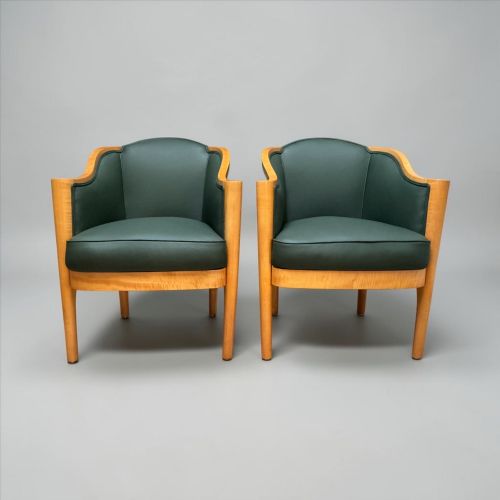
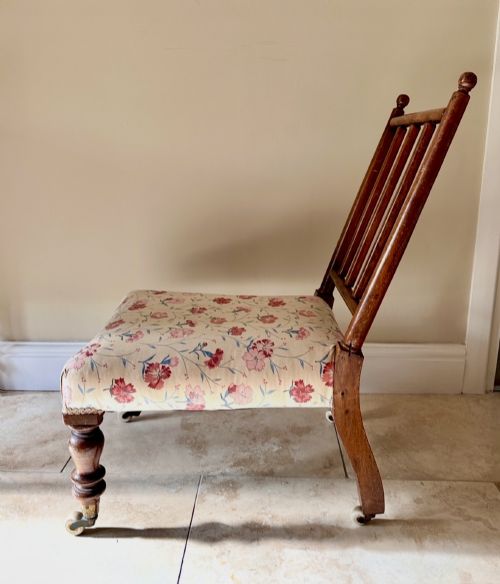
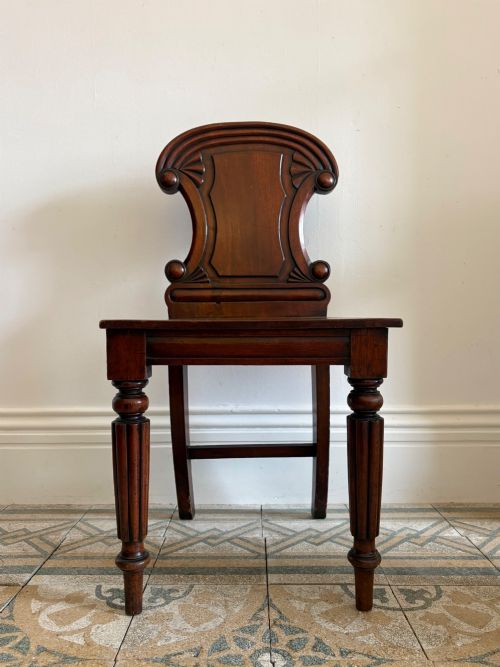
When you search for vintage wood seat, you encounter a diverse collection of domestic furniture spanning dining chairs, armchairs, benches, stools, and window seats. These items originate across the nineteenth and early twentieth centuries, encompassing Victorian, Edwardian, Regency, and Art Deco periods alongside vernacular English country styles.
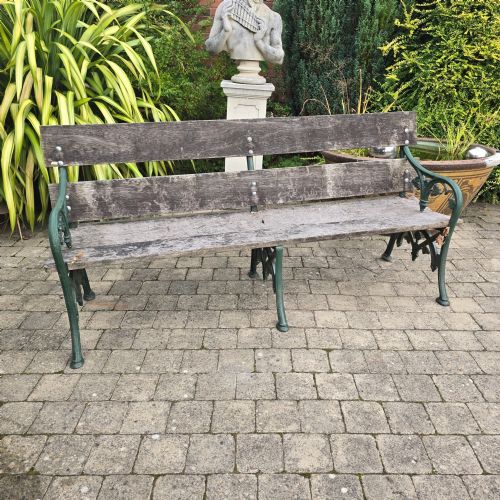
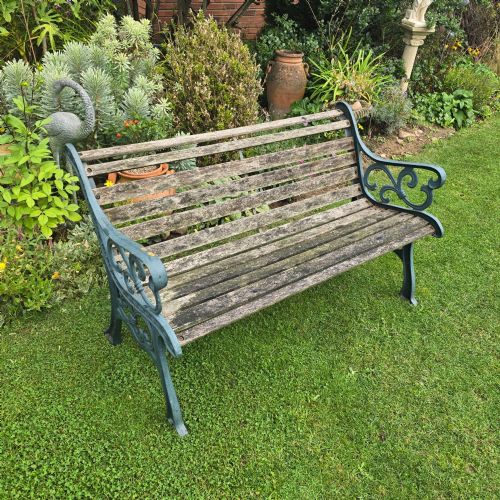
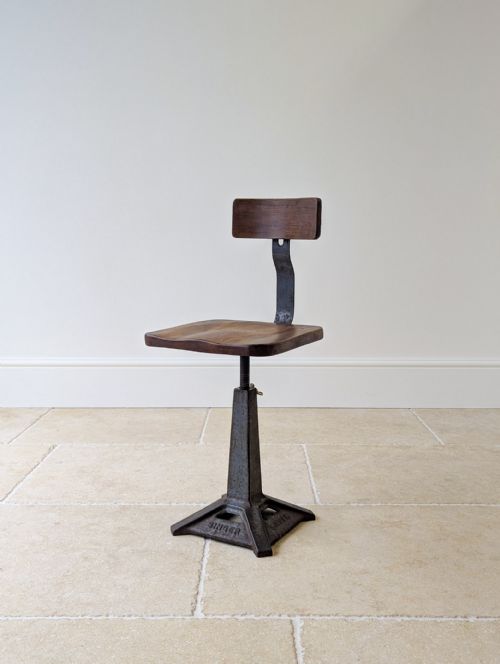
The assortment on this page ranges from robust Windsor armchairs and kitchen chairs in elm and yew to formal dining chairs and stools executed in mahogany, oak, and rosewood. You also find industrial machinist seating, pub stools, garden benches, and occasional seating that reflect both rural craftsmanship and formal period design.
Materials and construction methods
The construction of these pieces relies heavily on traditional hardwoods such as mahogany, oak, walnut, beech, and elm, often paired with structural elements in timber or cast iron. Windsor chairs and country stools utilise native timbers like yew and sycamore, shaping solid wood seats to receive turned spindles and sturdy legs.
Joinery techniques range from fine cabinet making seen in carved dining chairs and rosewood stools to vernacular Windsor framing and cast iron machinery integrations. Surface treatments include polished wood finishes, French white paint, and occasional upholstery details in fabric, leather, and velvet.
Distinctions in quality and execution
Quality reveals itself through the selection of timber, the crispness of carved detail, and the integrity of the structural joinery. A fine set of dining chairs or a carved armchair exhibits careful grain matching and substantial timber scantlings rather than thin veneers or hasty assembly.
The distinction between utilitarian workshop items, such as machinist or pub stools, and formal drawing room seating lies in the refinement of the turning and the harmony of proportions. Maker attribution, original labels, and untouched patination further elevate the standing of a piece within its period.
Maurice Adams·Strahan And Co
The Vintage Wood Seat Glossary
- Windsor chair
- A wooden chair constructed with a solid shaped seat into which the back and legs are directly wedged. This rural form often employs mixed timbers such as elm for the seat and yew or ash for the bending parts.
- Carver
- An armchair designed to match a set of dining side chairs, traditionally positioned at the head of a dining table. These pieces share stylistic motifs with their accompanying dining chairs but feature supportive armrests.
- Splat
- The central vertical slat of wood running from the seat to the top rail of a chair back. Pierced splats exhibit cut-out decorative patterns typical of Georgian and Edwardian designs.
- Settle
- A wooden bench with a high solid back, enclosed arms, and frequently a box compartment beneath the seat. Historically utilised in draughty hallways and tavern kitchens to retain heat.
- Patina
- The surface sheen and coloration developed by timber over decades of handling, light exposure, and polishing. This quality indicates age and authenticity without modern intervention.
Vintage Wood Seat: Frequently Asked Questions
What is a Windsor armchair?
A Windsor armchair is a traditional wooden seating form characterised by a thick sculpted saddle seat into which turned legs and spindle backs are fitted.
These chairs rely on structural strength and ergonomic shaping rather than upholstery, making them enduring fixtures in country kitchens and libraries.
How do I identify a Victorian dining chair?
Victorian dining chairs often feature dense mahogany or walnut construction, substantial carved detailing, and shield or balloon back configurations.
They reflect the heavier, ornate aesthetic favoured during the nineteenth century, frequently appearing in matched sets of six or eight.
Where were Windsor kitchen chairs made?
Many traditional Windsor chairs originated in production centres such as High Wycombe, which specialised in vernacular seating during the nineteenth century.
Local artisans utilised abundant regional timber stocks like beech, elm, and yew to supply domestic households and institutions.
Can I use a window seat in a hallway?
A window seat or narrow bench functions effectively in an entrance hall or narrow corridor as a low-profile perch for putting on shoes.
These pieces provide functional surface space without overwhelming restricted spatial layouts.