






Vintage Wood Screw
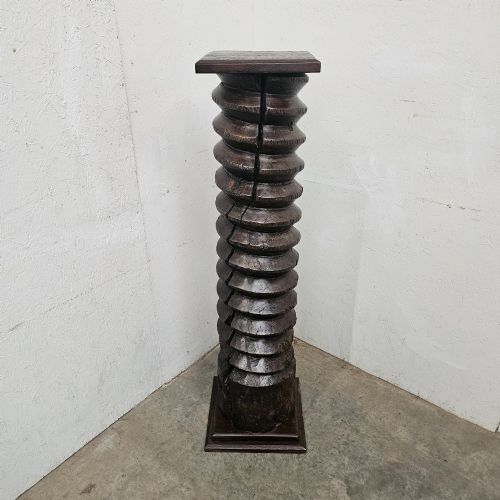
These vintage wood screw pieces span utilitarian furniture and carved treen, offering collectors functional mechanical ingenuity alongside period domestic craft.
Vintage Wood Screw
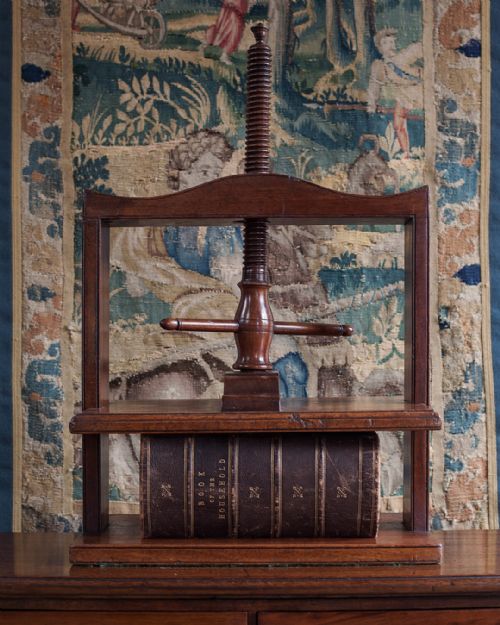
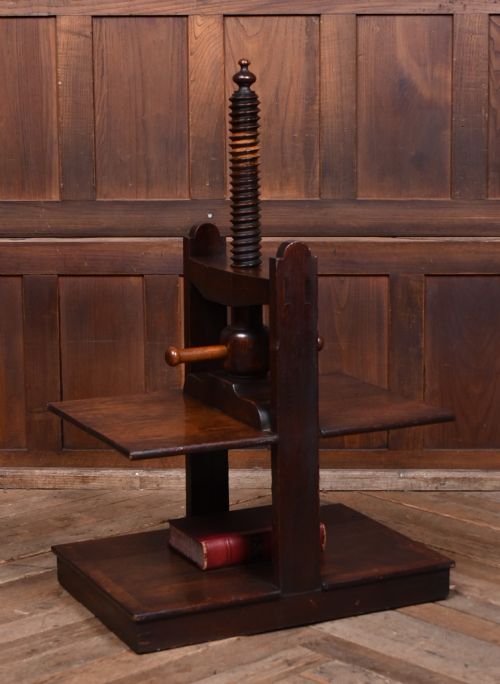
A vintage wood screw search brings together mechanical timber items and furniture regulated by threaded wooden or metal shafts, including book presses, piano stools, and treen nutcrackers. These pieces date across the Georgian, Regency, Victorian, and Edwardian eras, reflecting both industrial workshop output and folk art carving.
The most frequent examples on this page are carved treen nutcrackers and adjustable piano stools utilising central screw mechanisms. Makers ranged from domestic folk artists shaping fruitwood and boxwood to cabinet makers like Gillows producing mahogany seating.
How they were made
Makers shaped these objects primarily from hardwoods such as mahogany, oak, boxwood, and fruitwood, often selecting dense timbers that held fine carved detail. Treen items and nutcrackers relied on hand carving, whilst larger items like book presses and piano stools incorporated turned wooden threads and brass fittings.
Construction methods combined traditional joinery with functional screw mechanisms, whether cut directly into timber shafts for presses and nutcrackers or paired with metal components for adjustable seating.
Vintage Wood Screw Retail Price Guide 2026
Typical asking prices for vintage wood screw among the pieces listed under this phrase on Sellingantiques today, from the lower quarter to the upper quarter. They describe what is for sale here now, not the wider market.
Listings span the nineteenth century, Regency, Victorian, and Edwardian periods, utilising mahogany, oak, boxwood, fruitwood, and brass.
What varies in quality
Quality rests in the crispness of the carved detail and the integrity of the screw mechanism itself. Finely executed fruitwood carvings and signed cabinet maker pieces demonstrate superior skill compared to simple utilitarian workshop output.
The condition of the wooden threads determines whether a mechanical piece operates smoothly. Original surfaces and untouched patina elevate a piece above later restorations or heavily sanded examples.
Gillows
The Vintage Wood Screw Glossary
- Treen
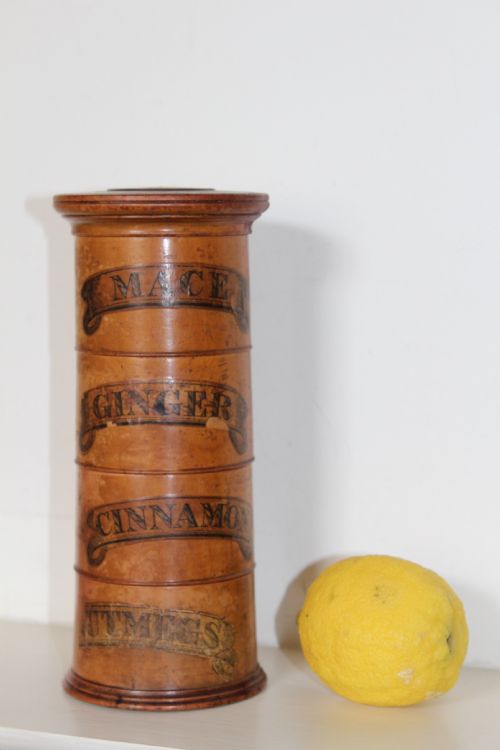
- Small handmade wooden domestic objects produced from timber. This encompasses items like nutcrackers and spice towers.
- Book press
- A mechanical device utilising a heavy screw thread to flatten or bind paper. Georgian and Victorian examples often feature solid mahogany or oak.
- Piano stool
- An adjustable seat regulated by a central screw mechanism. These allow the player to alter the height for comfort.
- Fruitwood
- Dense timber gathered from fruit-bearing trees such as apple or pear. Carvers favoured this wood for small detailed objects.
Vintage Wood Screw: Frequently Asked Questions
What is a vintage wood screw?
A vintage wood screw describes items incorporating threaded wooden mechanisms or screw-adjusted parts, ranging from mechanical presses to hand-carved treen.
These pieces combine practical engineering with period domestic artistry across the eighteenth and nineteenth centuries.
How do you date these pieces?
Dating relies on timber selection, tool marks, prevailing furniture styles, and the sophistication of the screw mechanism. Regency and Georgian items often display different turning characteristics compared to later Victorian or Edwardian production.
Cabinet maker attribution or specific regional carving traits further clarify the period of origin.
Were screw presses used at home?
Domestic book presses and spice towers served practical household functions in the nineteenth century. Families utilised them for pressing papers, binding volumes, or storing kitchen spices.
These functional objects doubled as decorative items for the library or parlour.
How do you care for wood screw threads?
Wooden screw threads require stable humidity to prevent timber movement that might bind the mechanism. Gentle cleaning with appropriate wax maintains the surface without damaging the carved details.
Avoid forcing stiff mechanisms to preserve the original timber threads.